

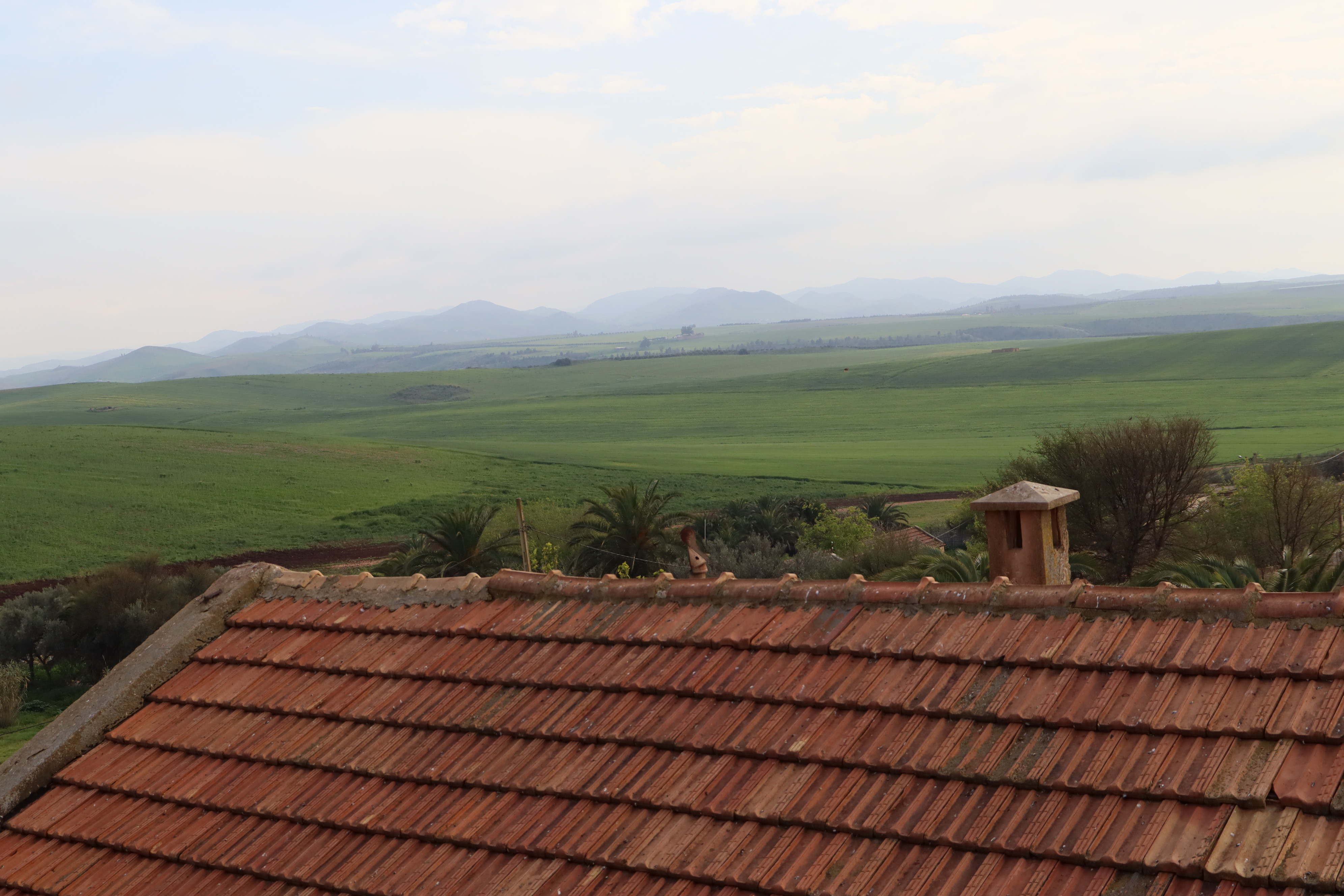
It’s spring in the Shenandoah Valley and farmers are hard at work preparing for their 2026 planting season. There I was sitting at my four-year-old’s first soccer game in rural Mount Jackson, Virginia. I took a deep breath and inhaled the unquestionable smell of poultry litter scattered at nearby farms and was immediately transported to a beautiful farm 33 km outside of Meknes, Morocco, Africa. What followed wasn’t nostalgia for Morocco itself, but a reminder of how farming cultures—no matter how distant—often revolve around the same quiet values: simplicity, generosity, and choice.
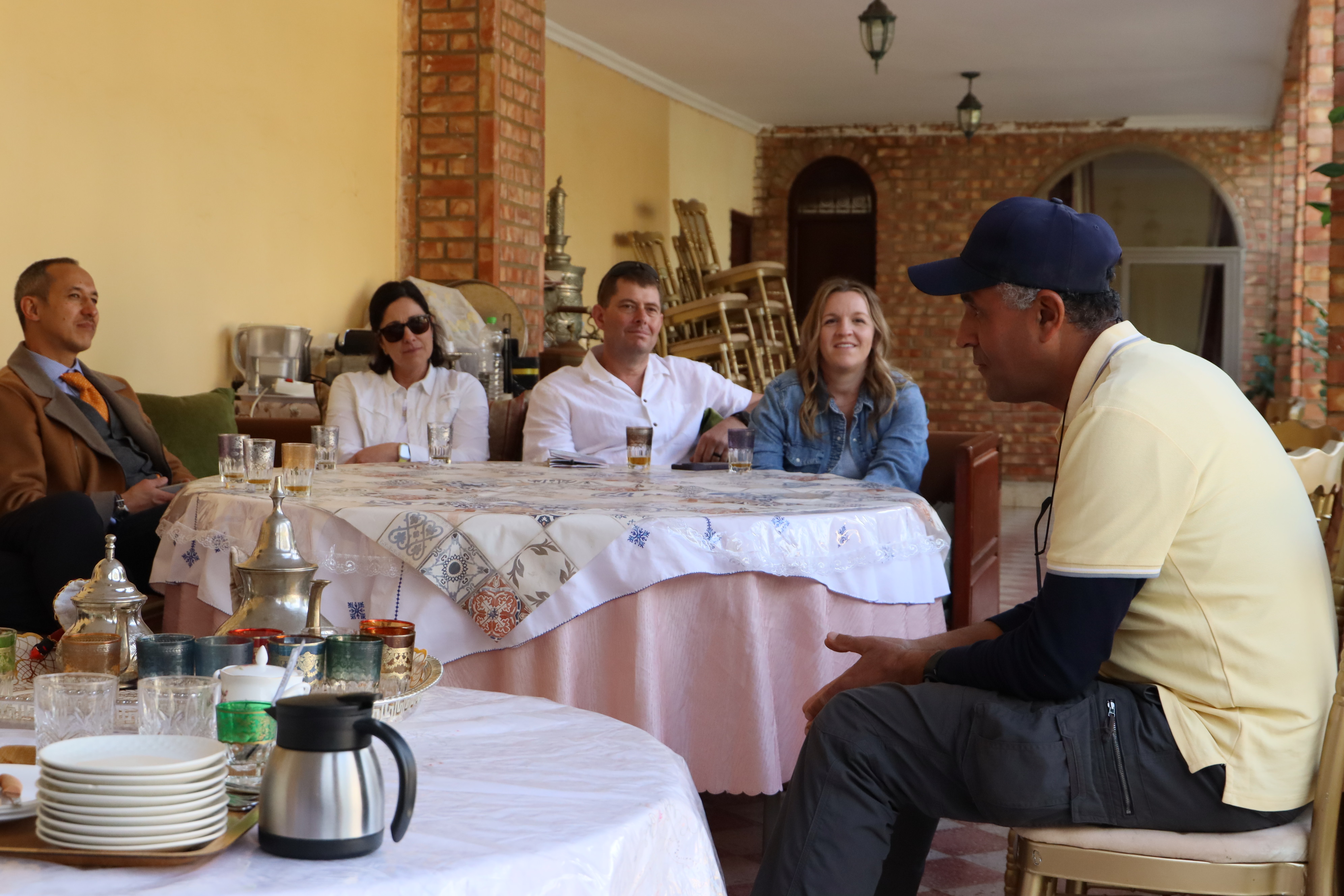
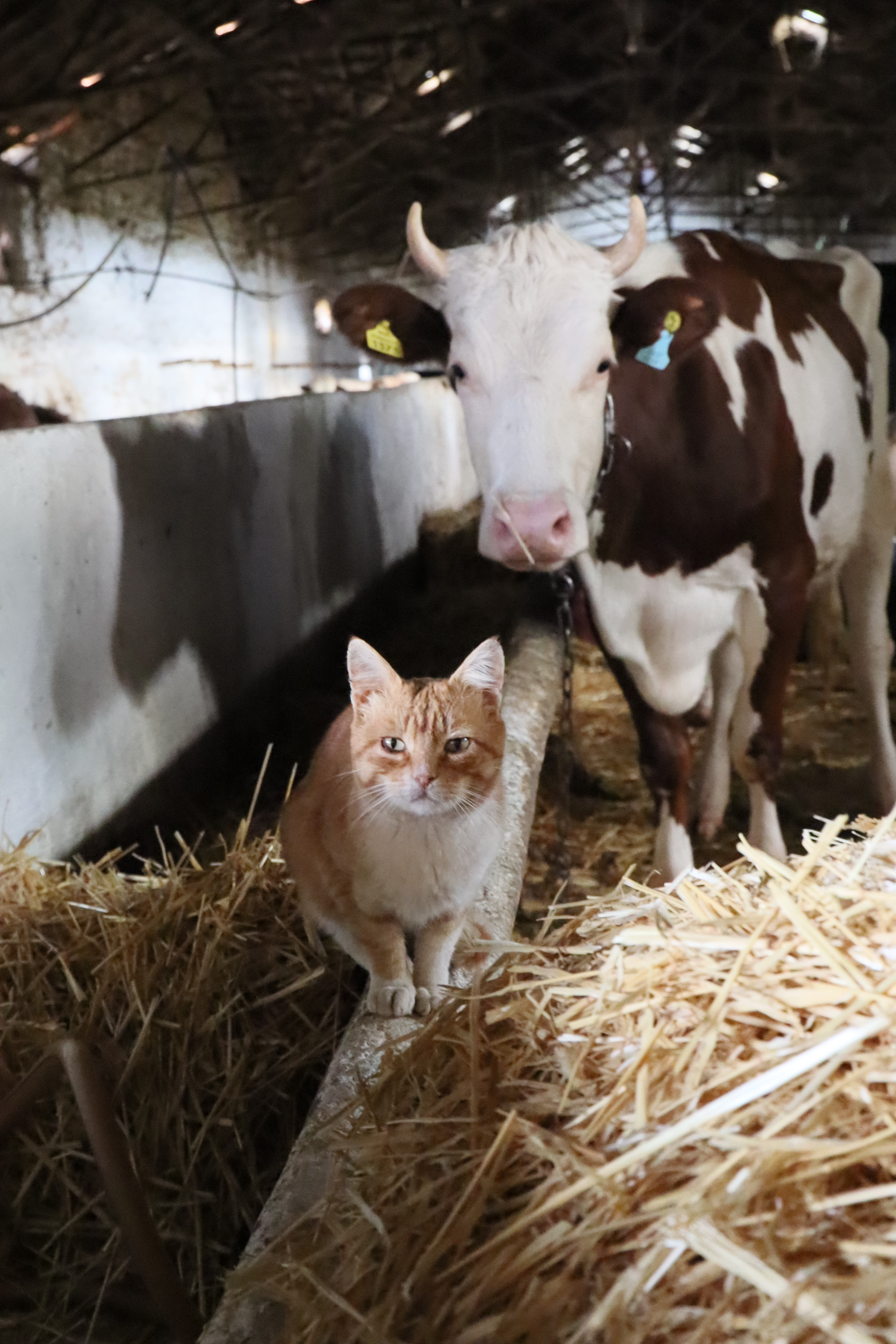
“We don’t use it because it stinks,” said Aziz, a unique middle-aged, U.S.-educated, second-generation farmer when asked about his farm’s fertilizer choice by one of my poultry-farming-classmates.
What a simple answer in a complex time.
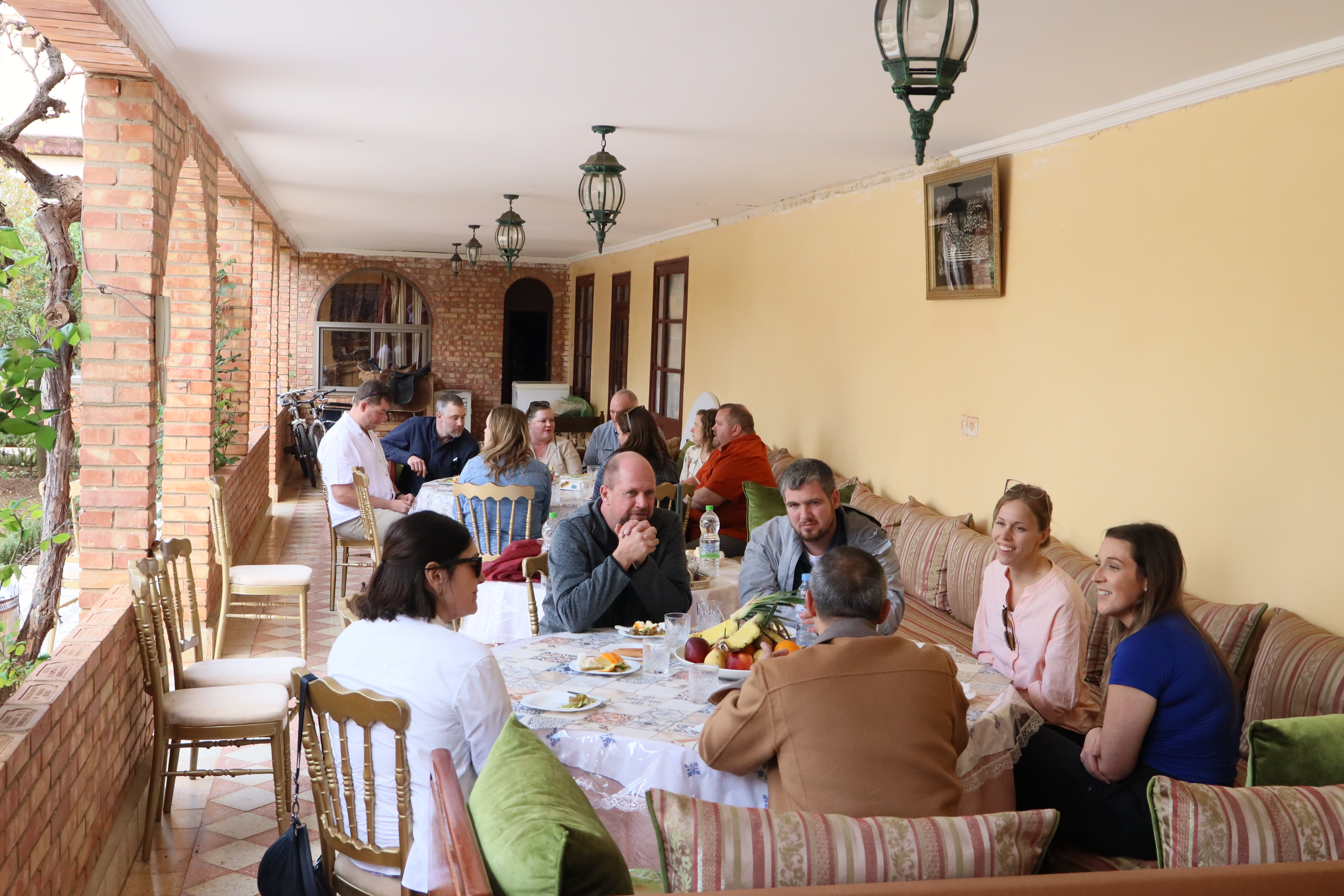
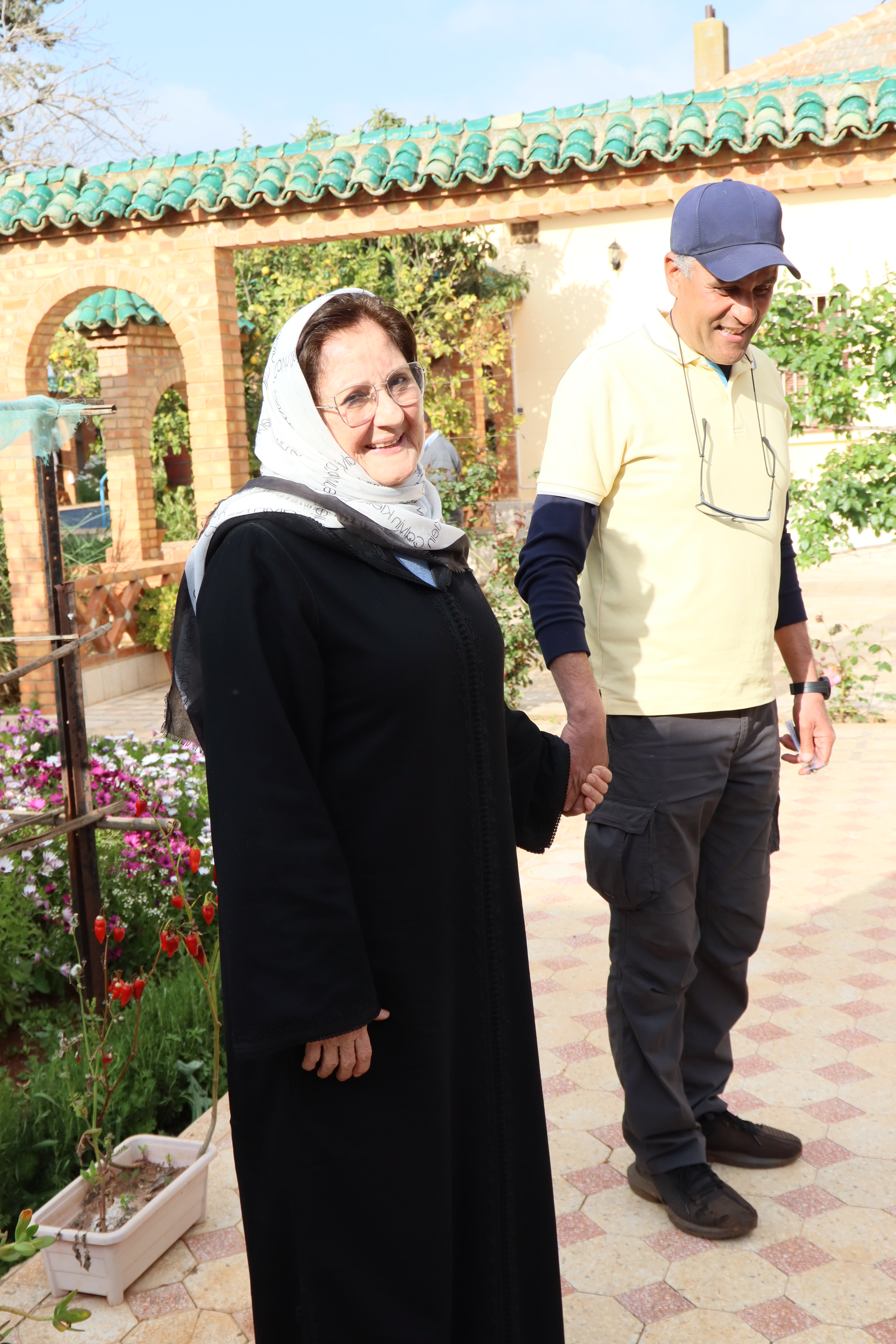
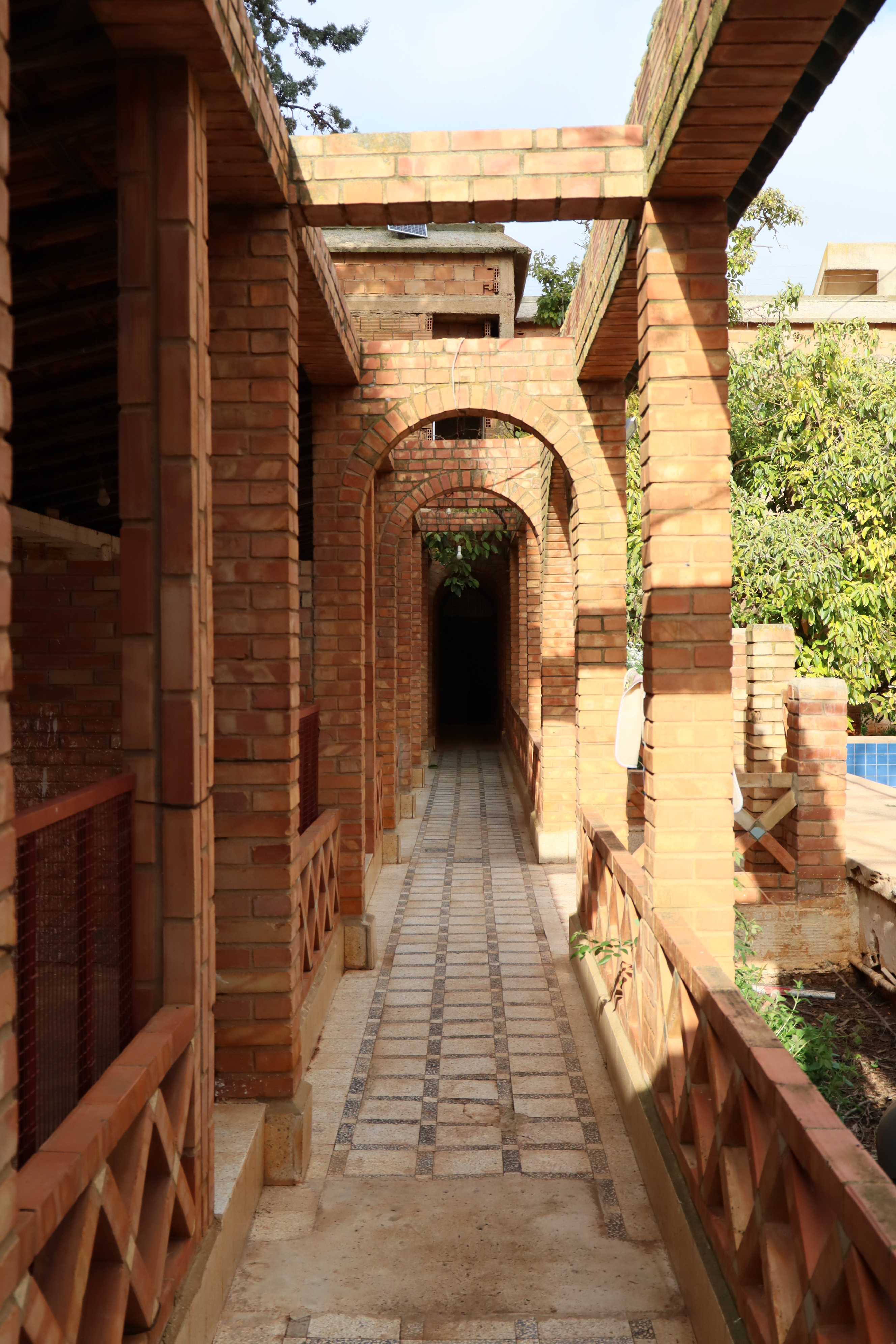
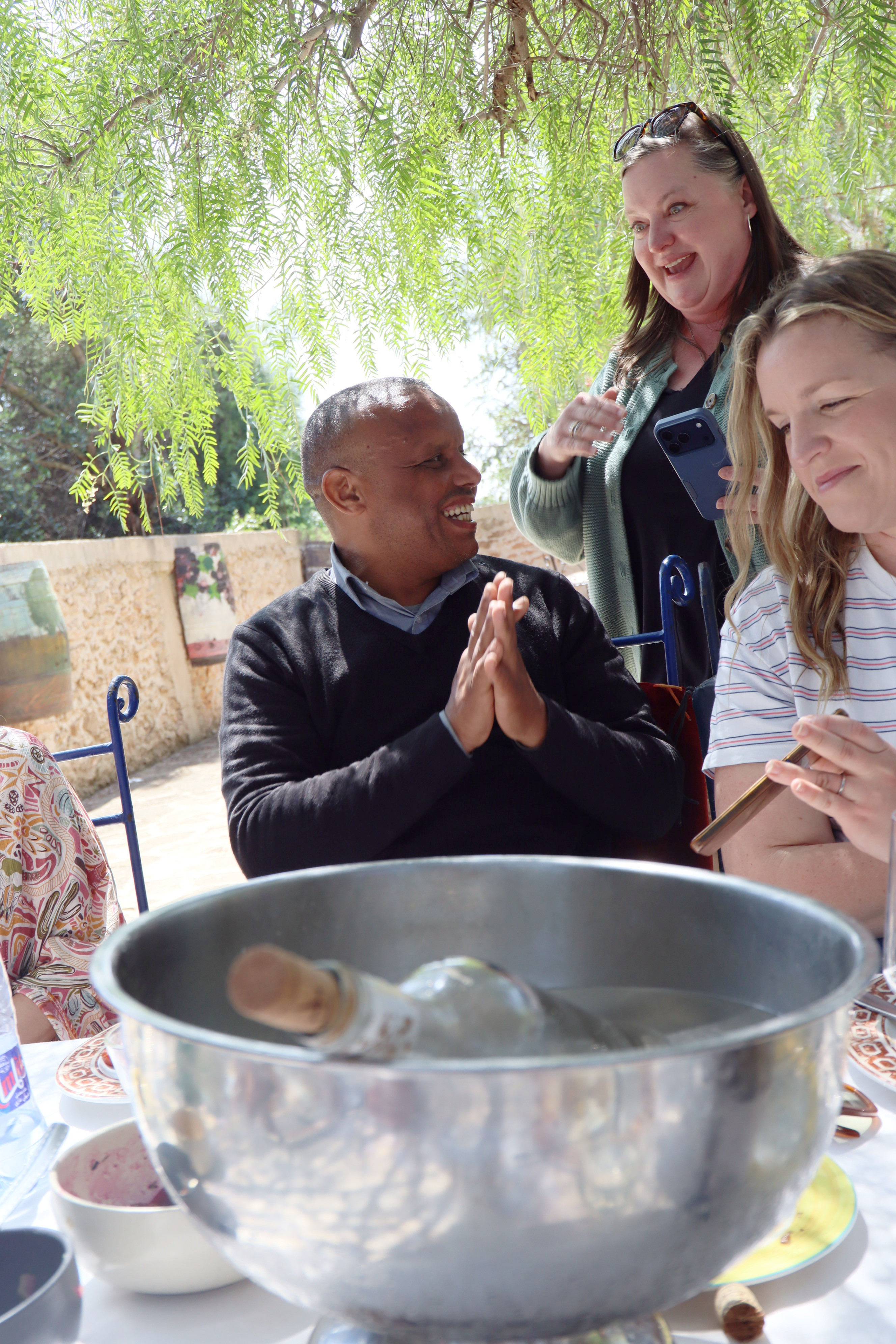
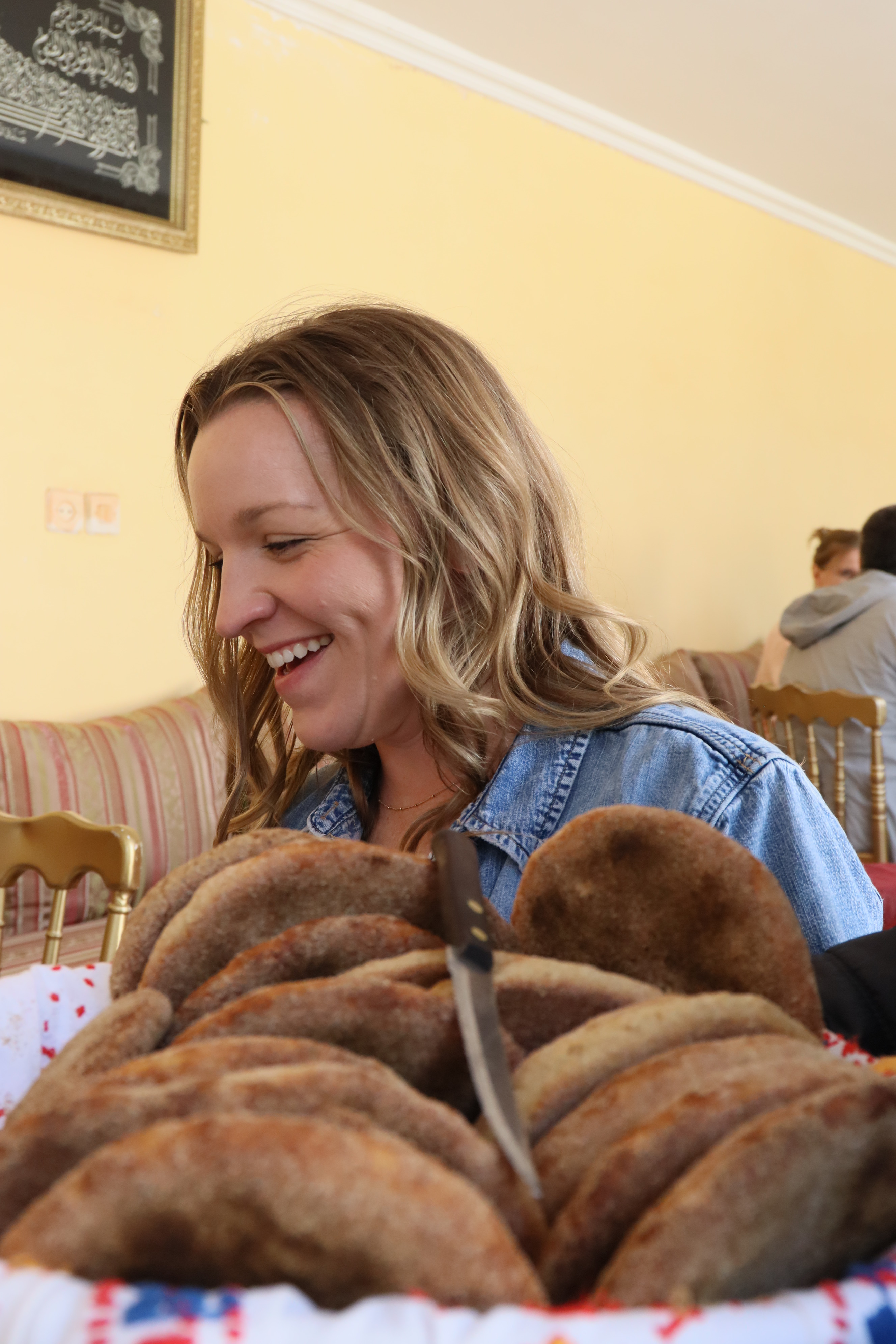
The visit to Aziz’s farm was during Ramadan. It was a pristine March day where his aging mother crafted us perhaps the most beautiful meal we had our entire trip: multiple courses featuring lentils, fava beans, eggplant, barley bread, tasty and tender lamb with prunes and potatoes, fresh fruit, pastries, and, of course, mint tea. The meal was served on the family’s beautifully landscaped patio with enough tables and chairs to seat at least 60 people. My vision went to the patio full of life and laughter as their entire family gathered just a day later for Eid Al Fitr – a holiday with seemingly even greater importance than the Christmas of my Christian faith. Our meal was cooked and served by hands that could not eat it – at least until sundown – showing the Moroccan generosity and thoughtfulness that was exhibited throughout our trip.
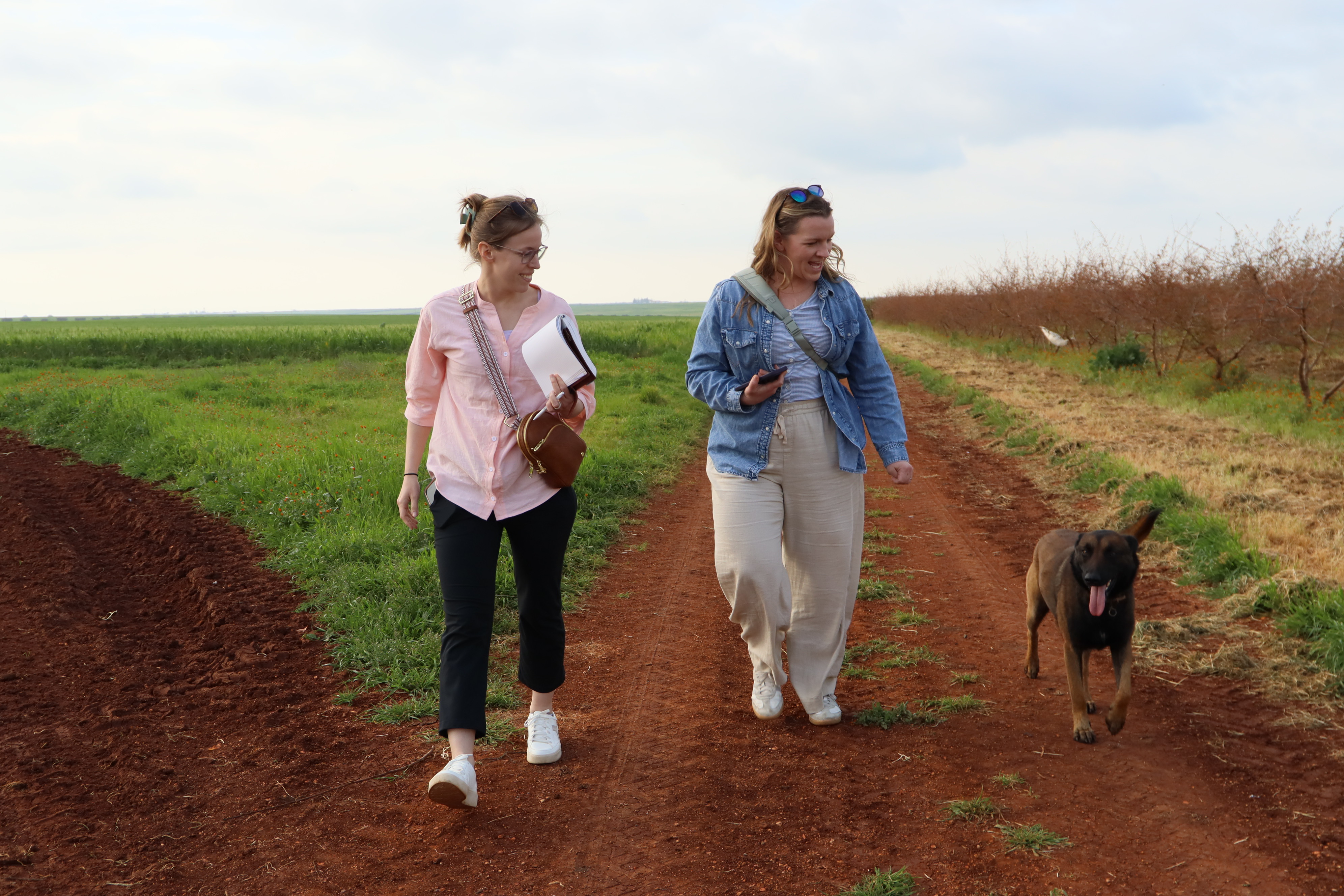
You see my time in Morocco could be summarized with three words: generous, thoughtful, and simple. And those three words were embodied by tour guide Omar and bus driver Abdul who led us through Morocco for two weeks.
Our time there was simple because there were no early mornings. There were no hurried days with jam-packed agendas. Imagine our shock several days into our trip when we arrived at the capital city of Rabat only to find that our hotel shares a nearby block with a McDonalds, a Krispy Kreme, and a Starbucks. Our next morning’s breakfast was going to be “gucci” as I like to call it – indulgent in all things American.
Except life is simple in Morocco. And, due to Ramadan, those American indulgences were not open until well after our planned departure. I expected indulgence and found discipline instead—a reminder that simplicity is sometimes a constraint, not a convenience.
Simplicity intersected with generosity when we interacted with lone sheepherders minding their flocks in what seemed to be the middle of nowhere. Our VALOR crew, under the direction of Omar and Abdul, would gather our leftovers, stuffing leftover lamb or beef kabobs into discs of barley bread, and pick a lucky shepherd on our way to the next stop.
Thoughtfulness was woven throughout our stay.
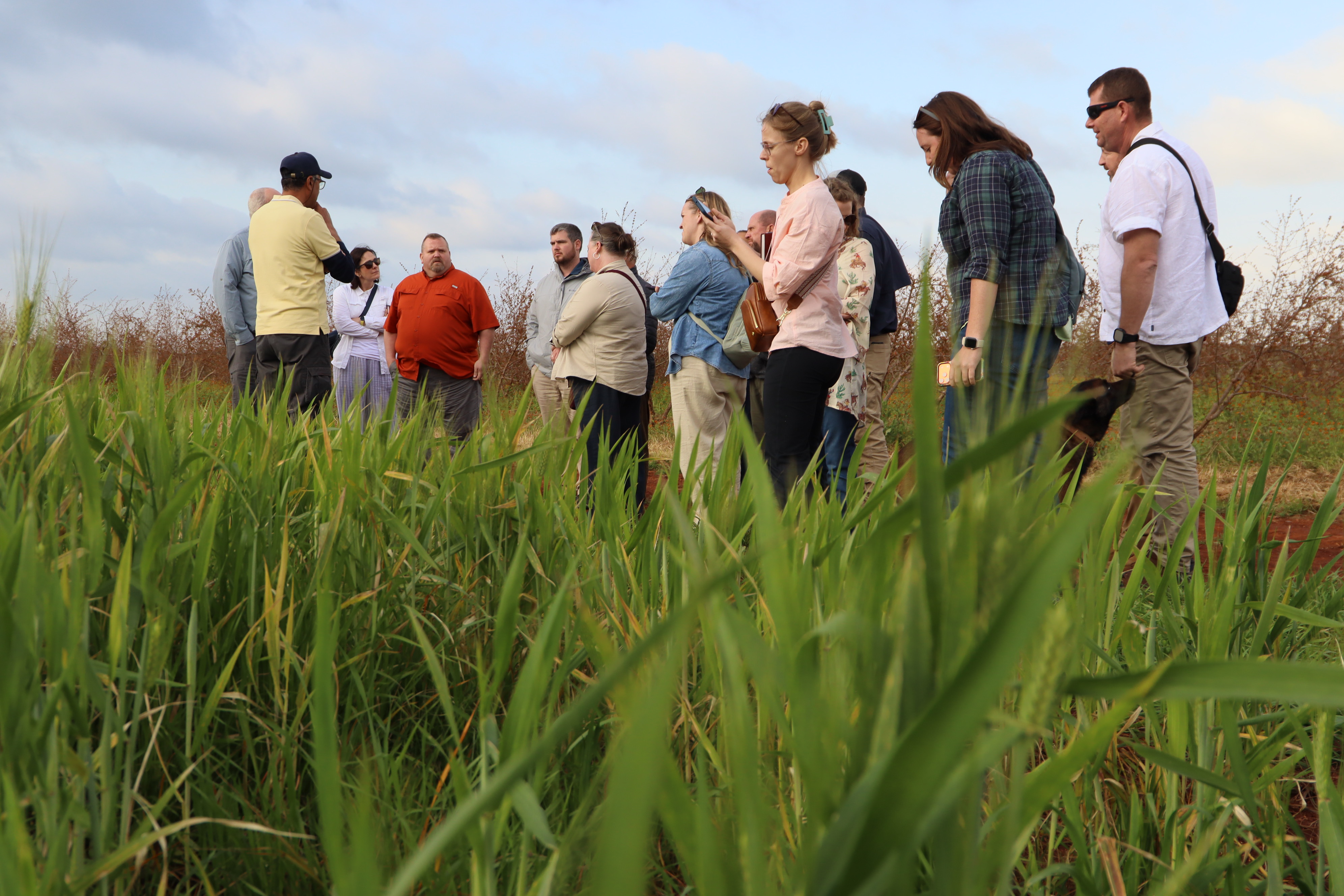
One such instance was when we encountered heavy mud at a citrus farm near Kenitra. Nicole Zema shared her experience with Abdul and her muddy feet:
I was humbled by the presence of a god I don’t believe in…..His (Abdul’s) joyful insistence to physically serve at my feet brought me to my figurative knees. I discovered the essence of God in Abdul’s hardwired enthusiasm to nurture a fussy American stranger caked in Moroccan mud.
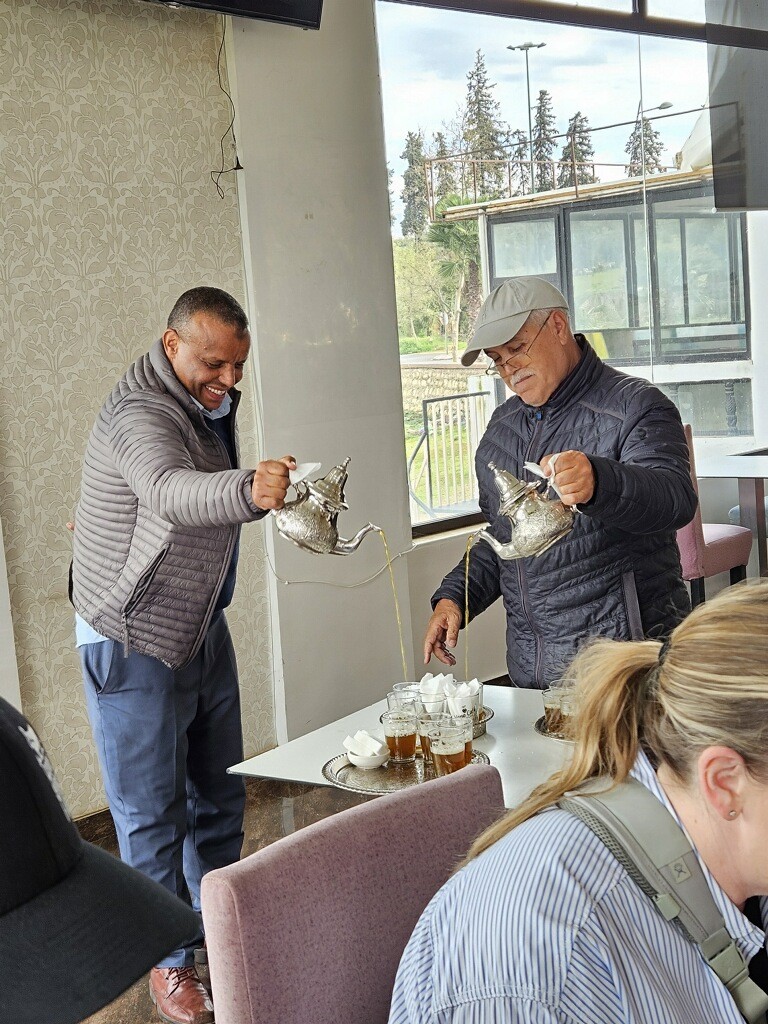
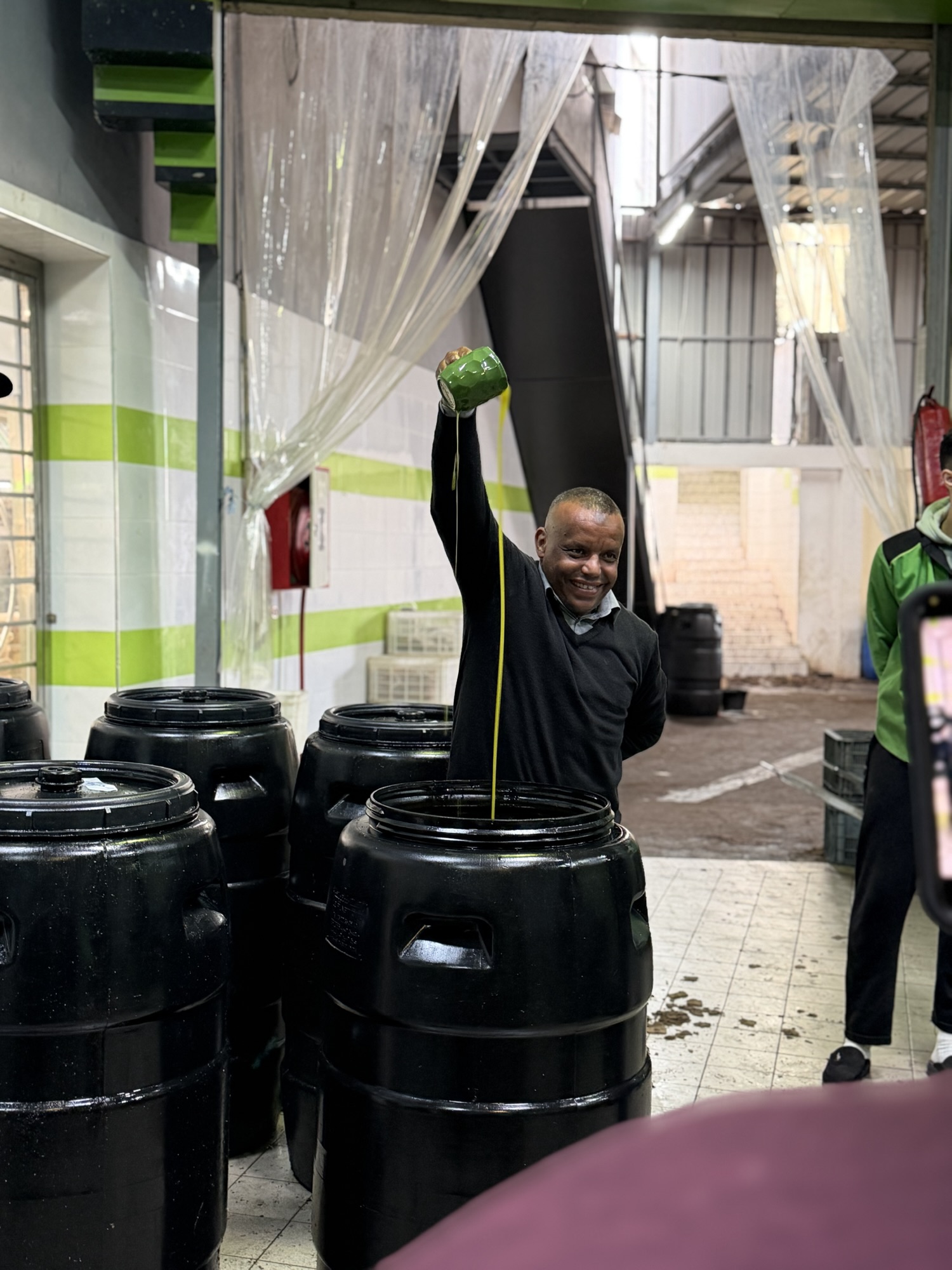
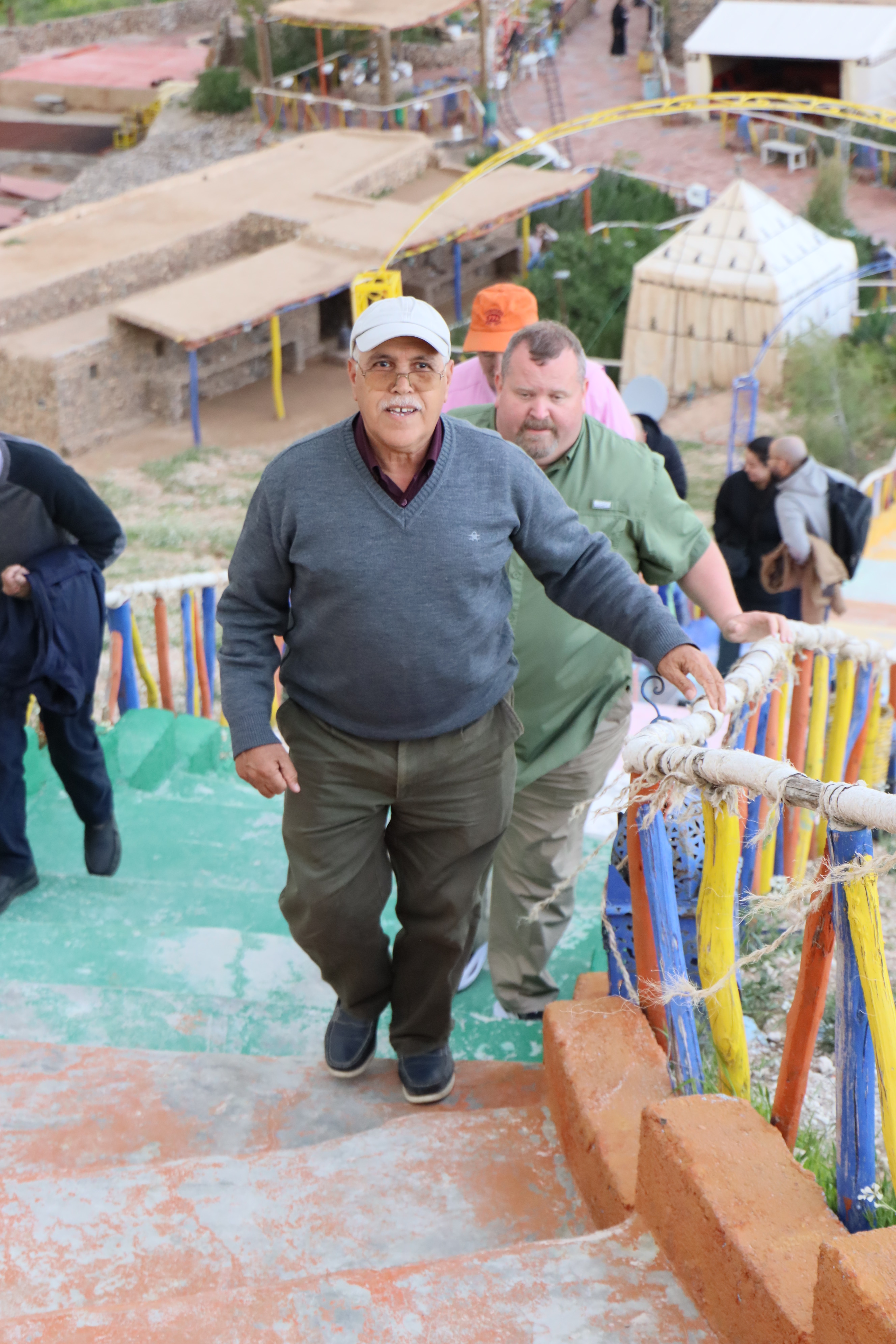
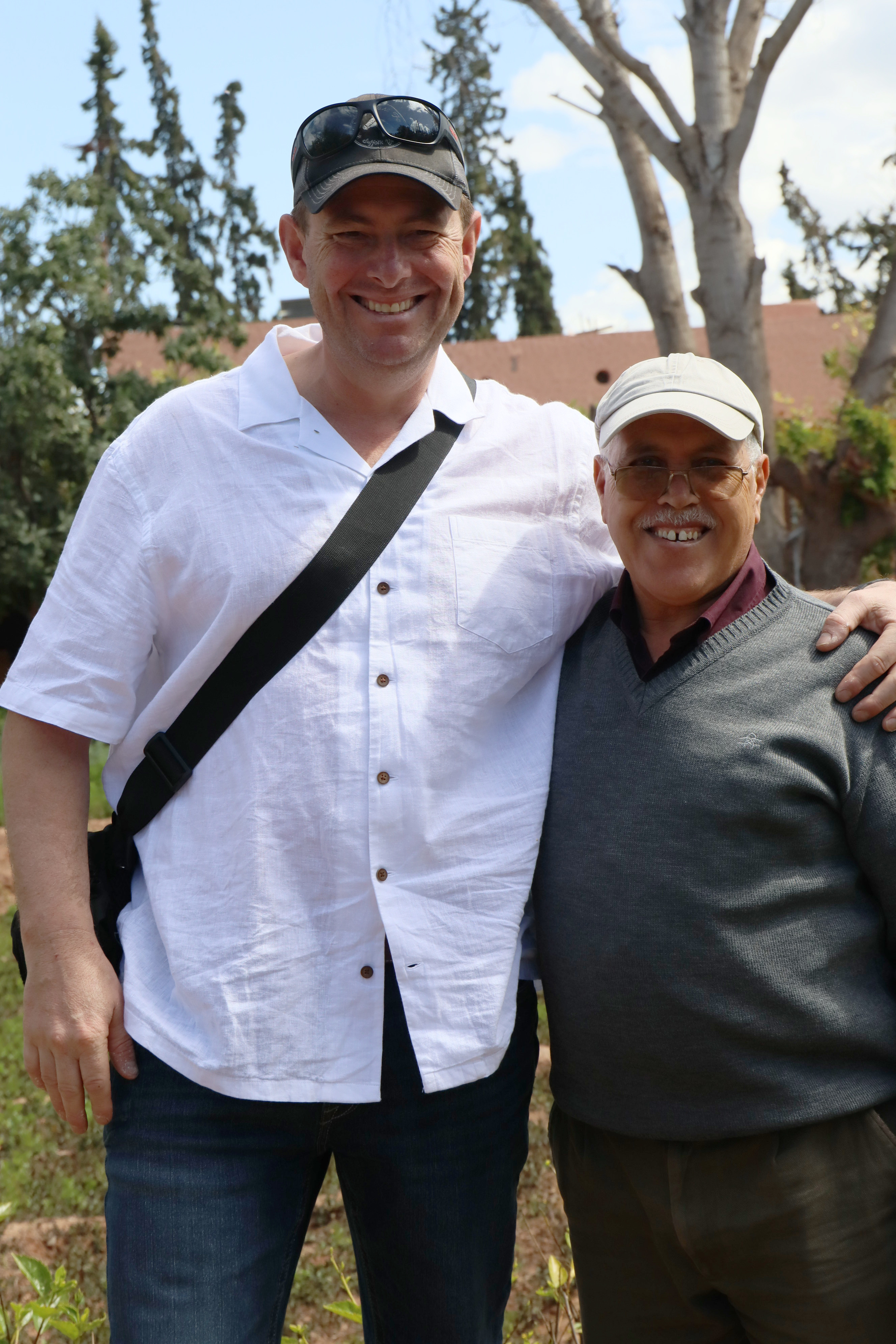
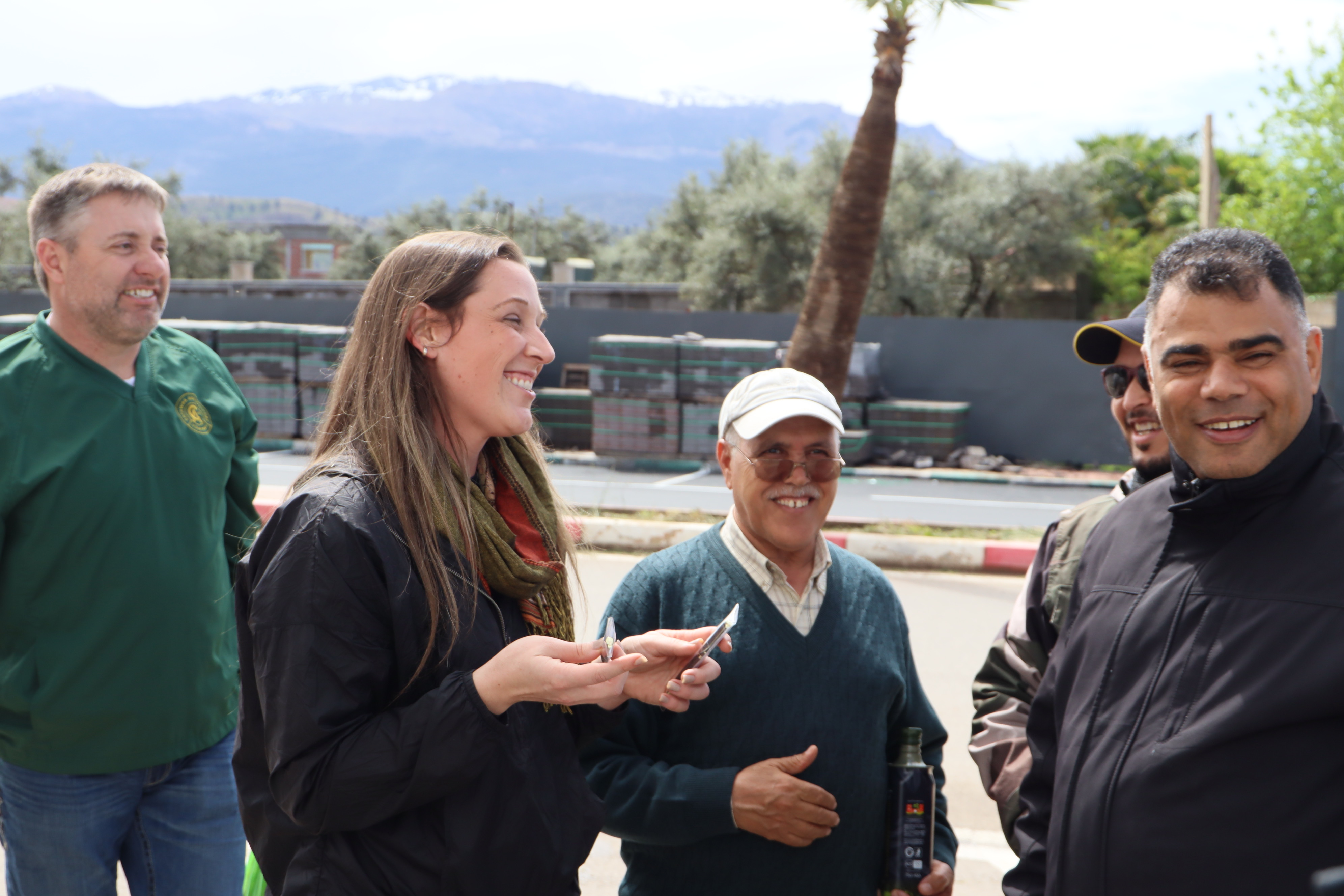
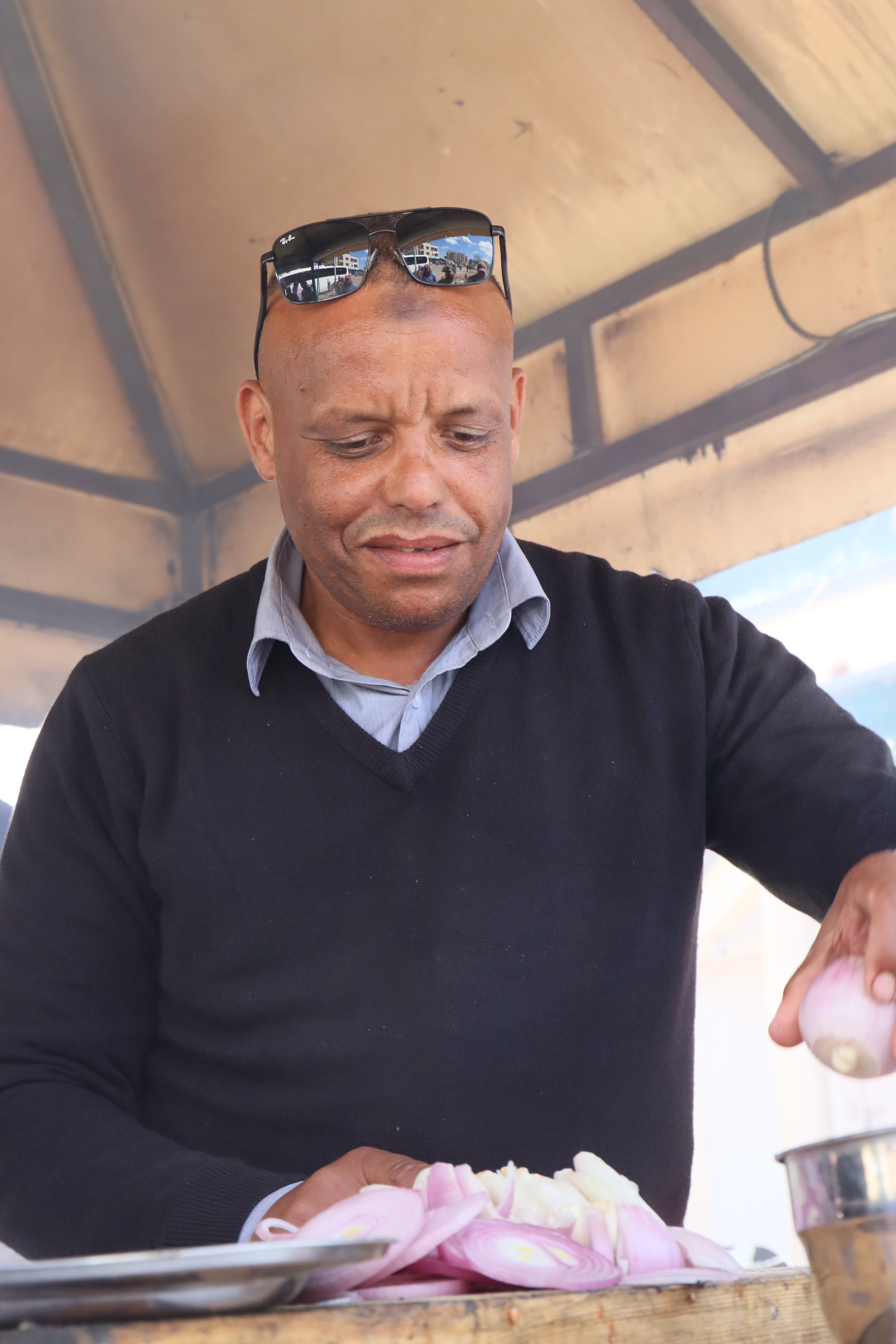
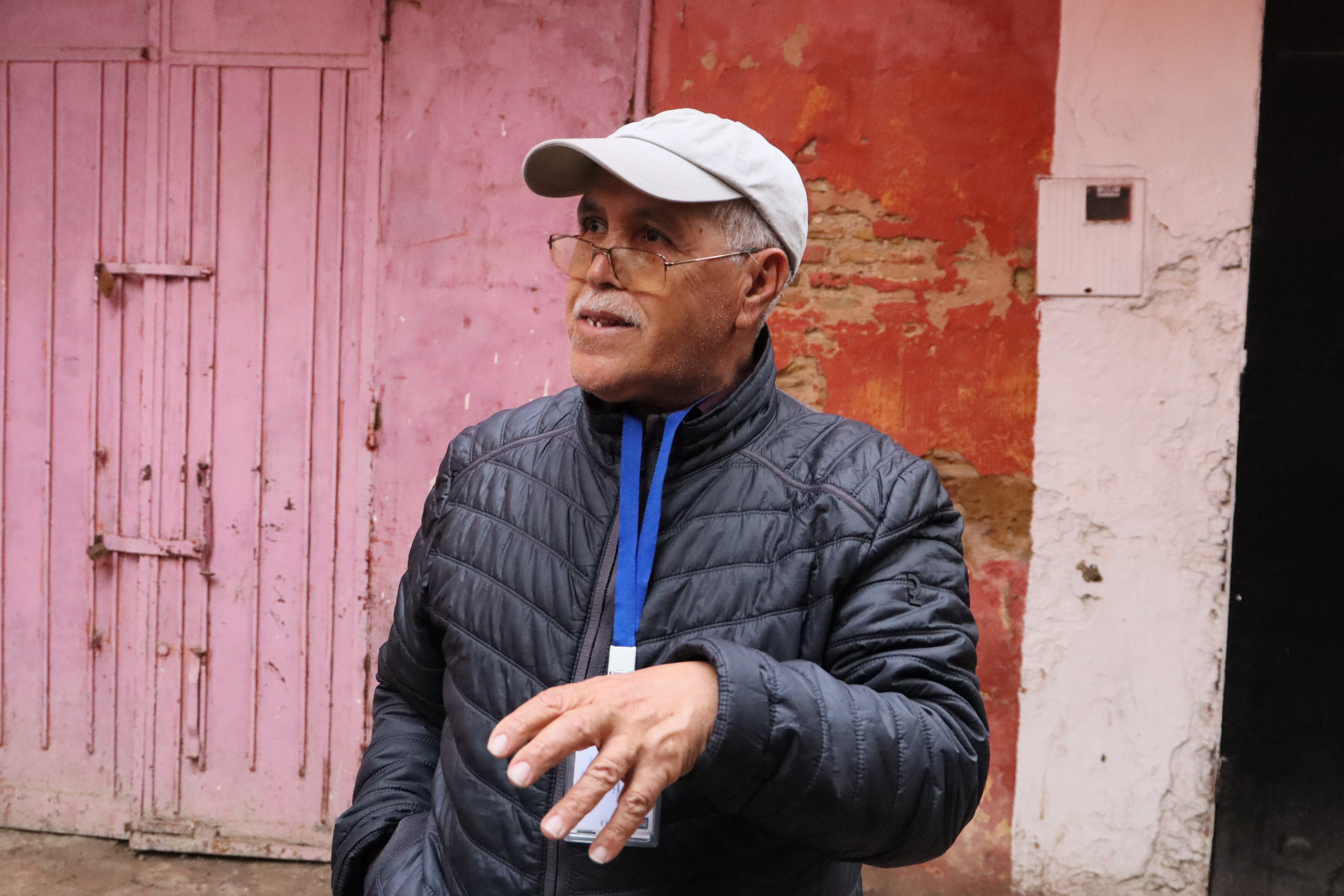
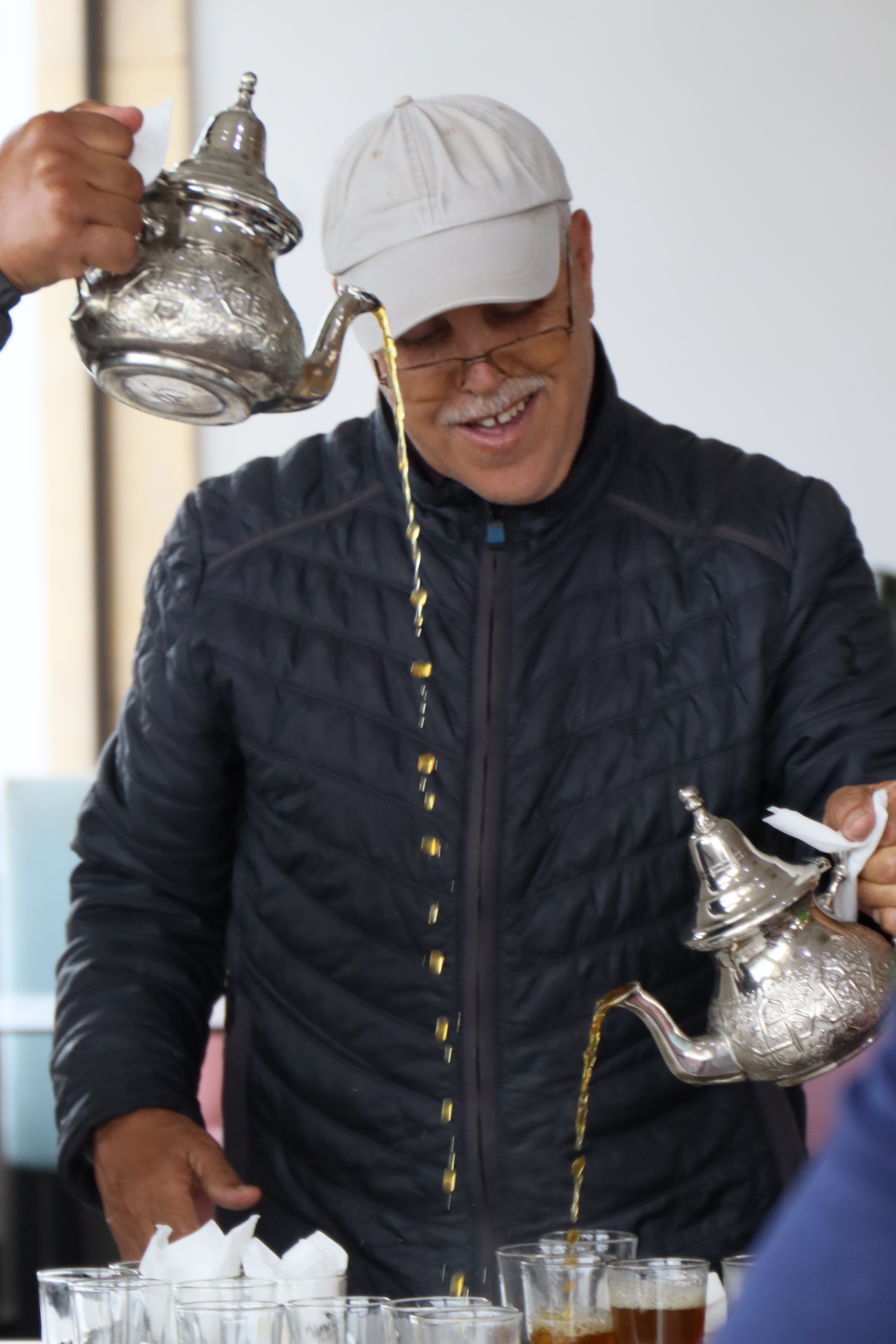
Other, smaller bits of thoughtfulness were seen in our tour guide, Omar. He was constantly modifying our agenda to ensure we got the best experience despite the challenging time of Ramadan and Eid. He ensured the horse lovers of our group were able to ride on the beach, helped pick up a young woman and her grandmother hitchhiking in a rural area (hitchhiking is very common), and continuously answered very pointed questions about his Muslim faith.
Aziz’s explanation—“We don’t use it because it stinks”—echoed every time I watched Omar adjust our plans, or Abdul kneel in the mud. No strategic framework. No overthinking. Just a quiet, values-based decision that passed the sniff test.
There were things I struggled with in Morocco. The absence of women in public spaces. The lack of sanitation. The feeling of being watched. These weren’t trivial—but they were mine. And leadership, I learned, often begins with recognizing where your values end and another culture’s begin.
Back in the Shenandoah Valley, farmers are making their own planting decisions—choices shaped by weather, markets, and instinct. Americans have that same choice in how we live. We can complicate everything, or we can pass the sniff test. Choose gratitude. Choose generosity. Choose to live simply—even when we have the luxury not to.
Required reading:
I must pause and ask you to read the reflections of my classmate, Evan, on Morocco through his blog post titled, “Two Weeks in Morocco: Reflections and Takeaways.” He beautifully crafted the intricacies of our trip into one tidy reflection.


