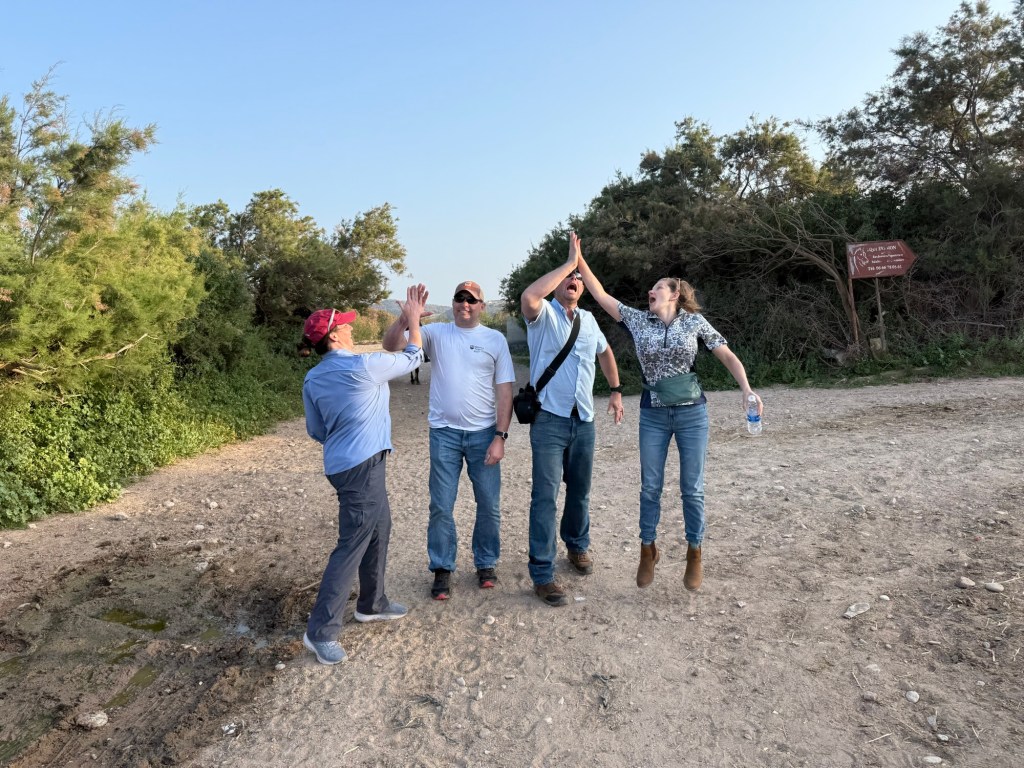
I grew up on a draft horse and mule farm in Baltimore County Maryland. I spent my summers tracking the weather for the perfect 3 days of sunshine and stacking hay in our old bank barn. I slept in stalls to watch foals be born. I carried hay in two feet of snow and busted frozen water in freezing temps. To me, I was a farmer. But my parents worked full time jobs, we literally had “40 acres and a mule.” So we were “hobby farmers.” I didn’t fit in with the farm kids who grew up on combines with hundreds of acres of crop land and we certainly raise million-dollar thoroughbreds like most of the horse farms in the area. So I didn’t know my place, but our equine veterinarian told me if I wanted to study agriculture I needed to go to Virginia Tech.
When I showed up for freshman orientation, I had never been to Blacksburg (I don’t think I had even been to Virginia). Besides a brochure with Burruss Hall on the front, I am not sure I had seen a picture of Virginia Tech and Hokie Football had never crossed my mind. But shortly after arriving I knew I had found my place. The dorm room is a great equalizer. There was no 500 head of cattle vs 2000 acres of crop land vs the $100K horse in the golden barn. We had 10×10 square of concrete and a passion for agriculture. The passion for agriculture linked all of us at CALS and we spent 4 (or 6) years learning just as much from each other as we did from our professors. I graduated with a sense of belonging, my step-dad told me I didn’t go to college I joined a cult and I can’t say he is 100% wrong.
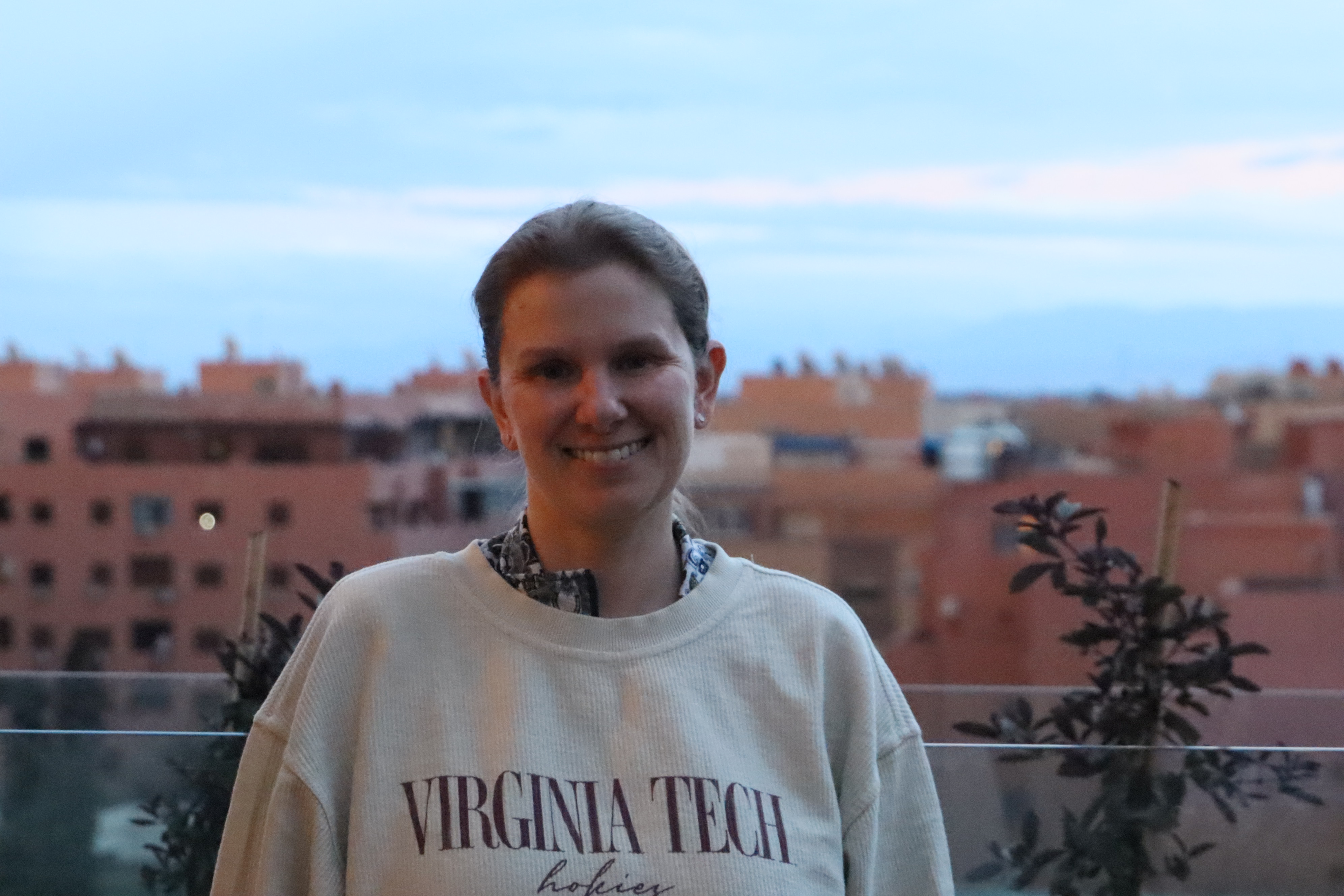
Then I had to go back to the real world. Not everyone in real-world respects our farmers. Not everyone in the real-world respects “horse girls.” My husband and I (who I met in the cult) left our mountain paradise for jobs near the city and again, I did not know my place. I now lived where if I didn’t answer “who are your parents” correctly, I didn’t matter who I was.
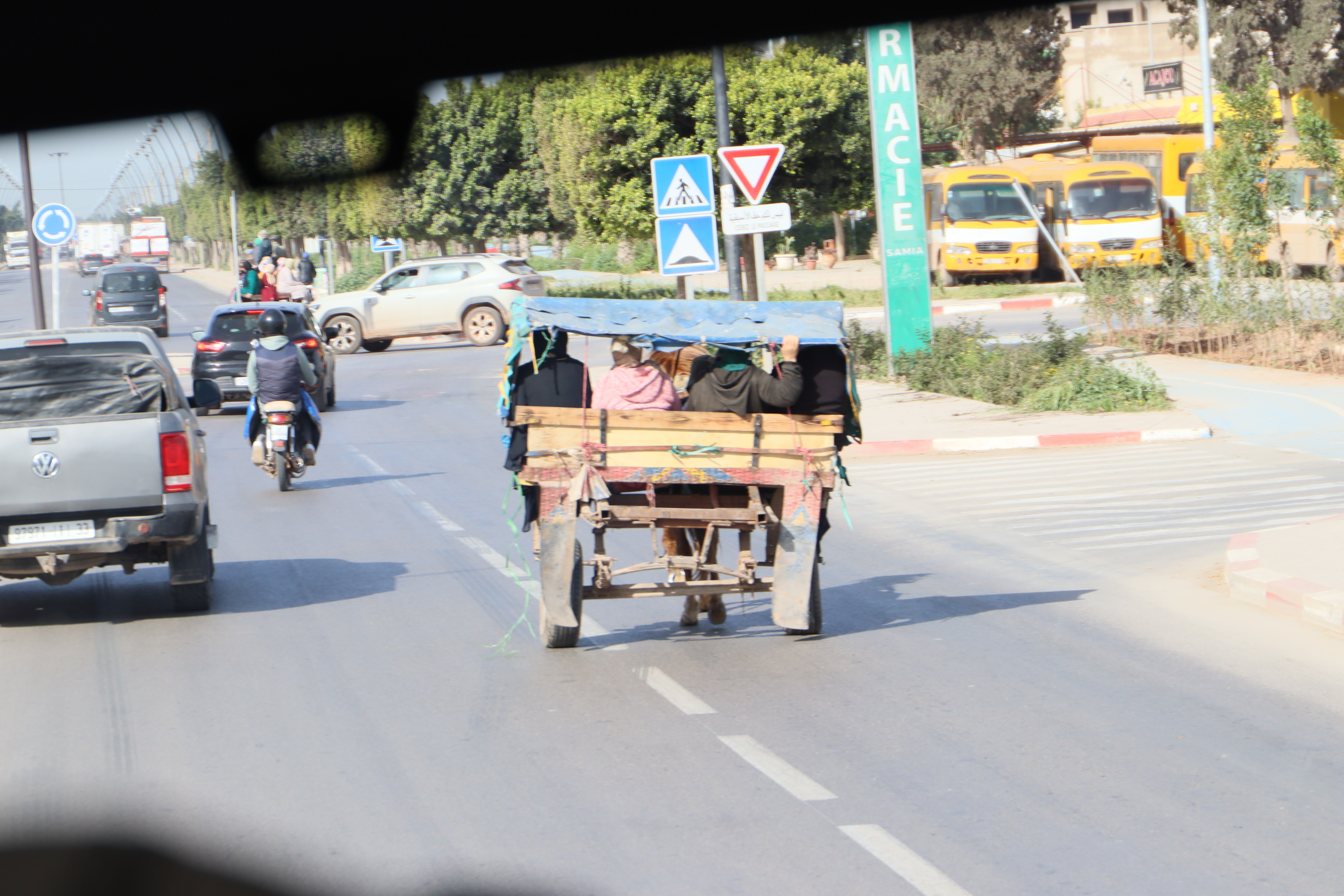
Driving on the streets of Morrocco is an eye-opening experience. The lines on the road show two lanes, but the traffic pattern shows more like 4-8. There are tour buses (us!), trucks stacked beyond physics with hay, American familiar car brands, car brands I had never heard of, mopeds, horse pulled wagons (stacked beyond physics with people), and more than the occasional stray sheep or dog. All going down the same road at the same time finding their place in traffic.
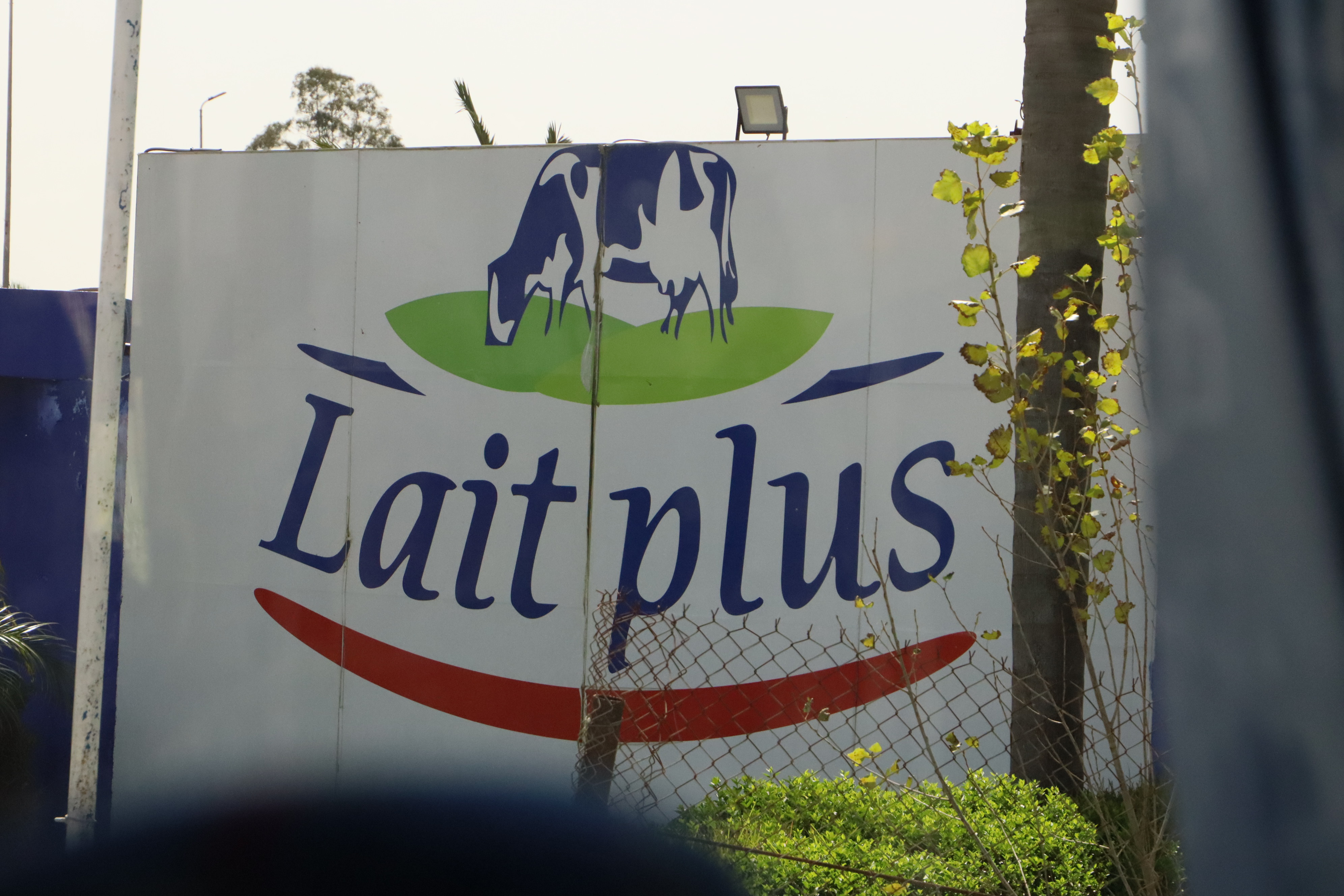
We visited Lait Plus, a dairy farm that supplies 9.3% of countries milk but 70% of Moroccan farmers own less than 5 hectares (12.35 acres). It is an Islamic tradition that when some dies, whatever they own is divided among the remaining family members. Most will not go against this tradition, hence a plethora of small farms. One farmer we met with has put their farm into a company to keep their farm together and not go against their religious beliefs. When someone passes the farm does not get smaller, but board of the company gets larger. I can see this having its own set of issues but it was interesting to learn about this version of transition planning.
Most of the agricultural practices in Morrocco are similar to that of the United States 20 years ago. Like in the US, the smaller farms are not able to adopt the most recent technology. And even for those who are, the nearest supplier of equipment is literally on another continent. Many large scale farms are proud to provide job opportunities to their communities but they are starting to see the US struggles of finding labor. The university/extension relationship is also similar to that of US land grant universities. One thing I think they are ahead of the us is shifting the meaning of “sustainable agriculture” from focusing on just production practices to investing inhuman capital such as young ag entrepreneurs and creating an agriculture middle class.
“The U.S. innovates, China replicates, Europe regulates.” I had heard this before but Morocco put it in a new context. More than one farm we visited in Morrocco has seen the way things are done in America, from cover crops, to GMOs but their market is Europe, so they are forced to play by their rules. Another struggle we are similarly facing in the US- Science vs Feelings.
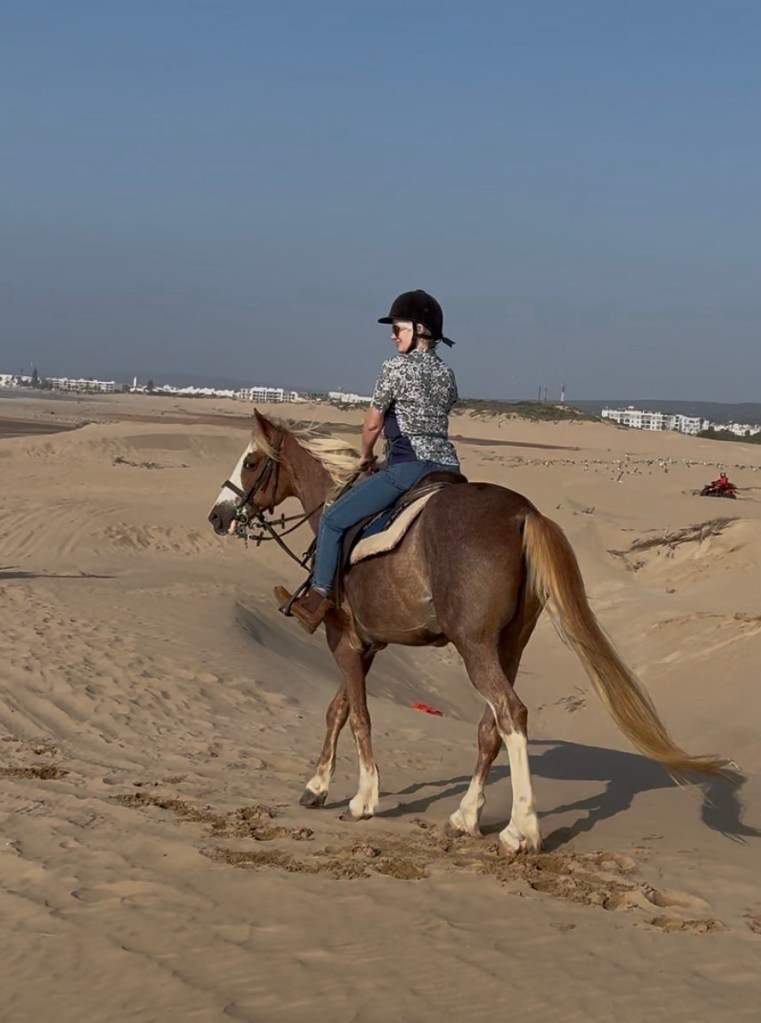
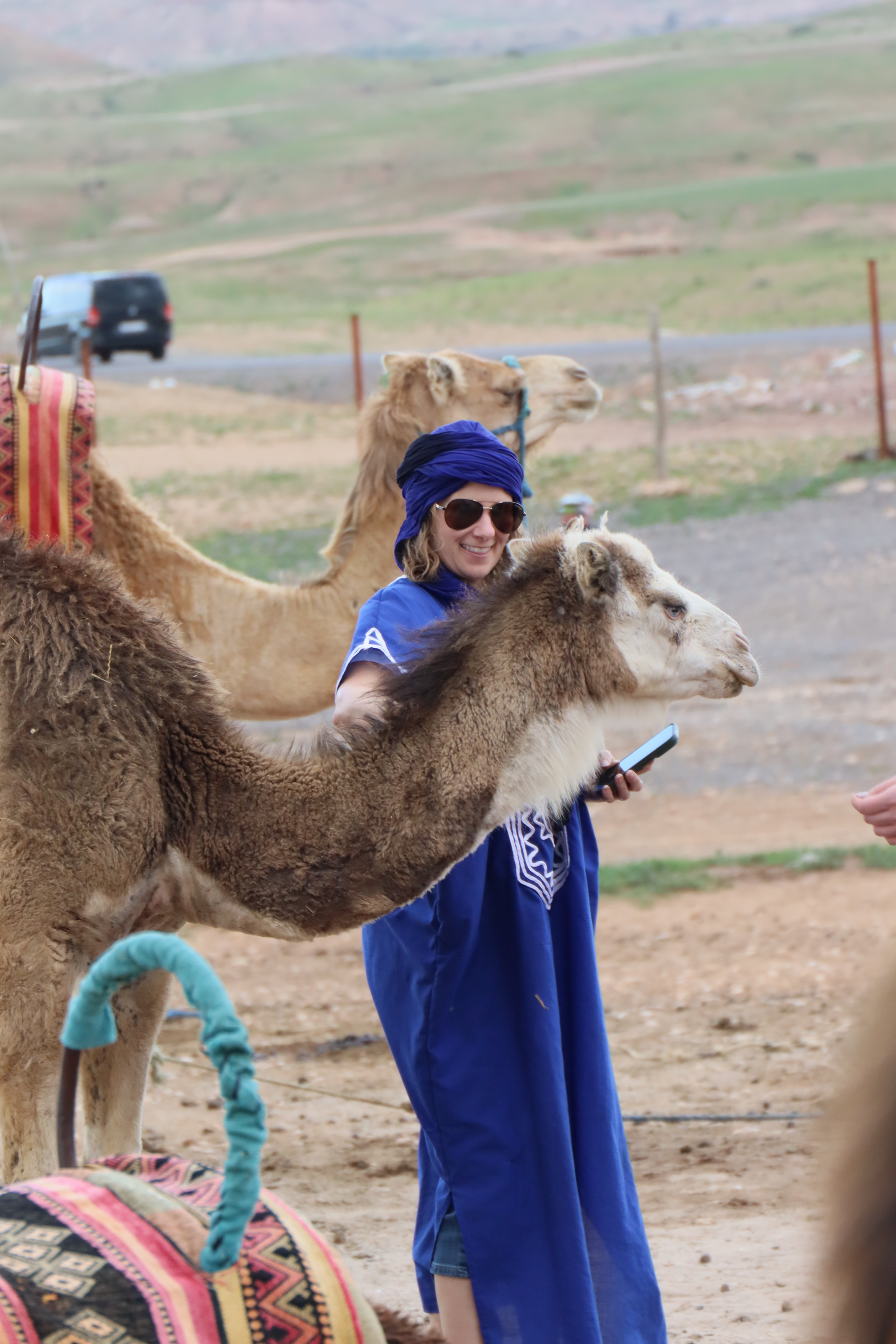
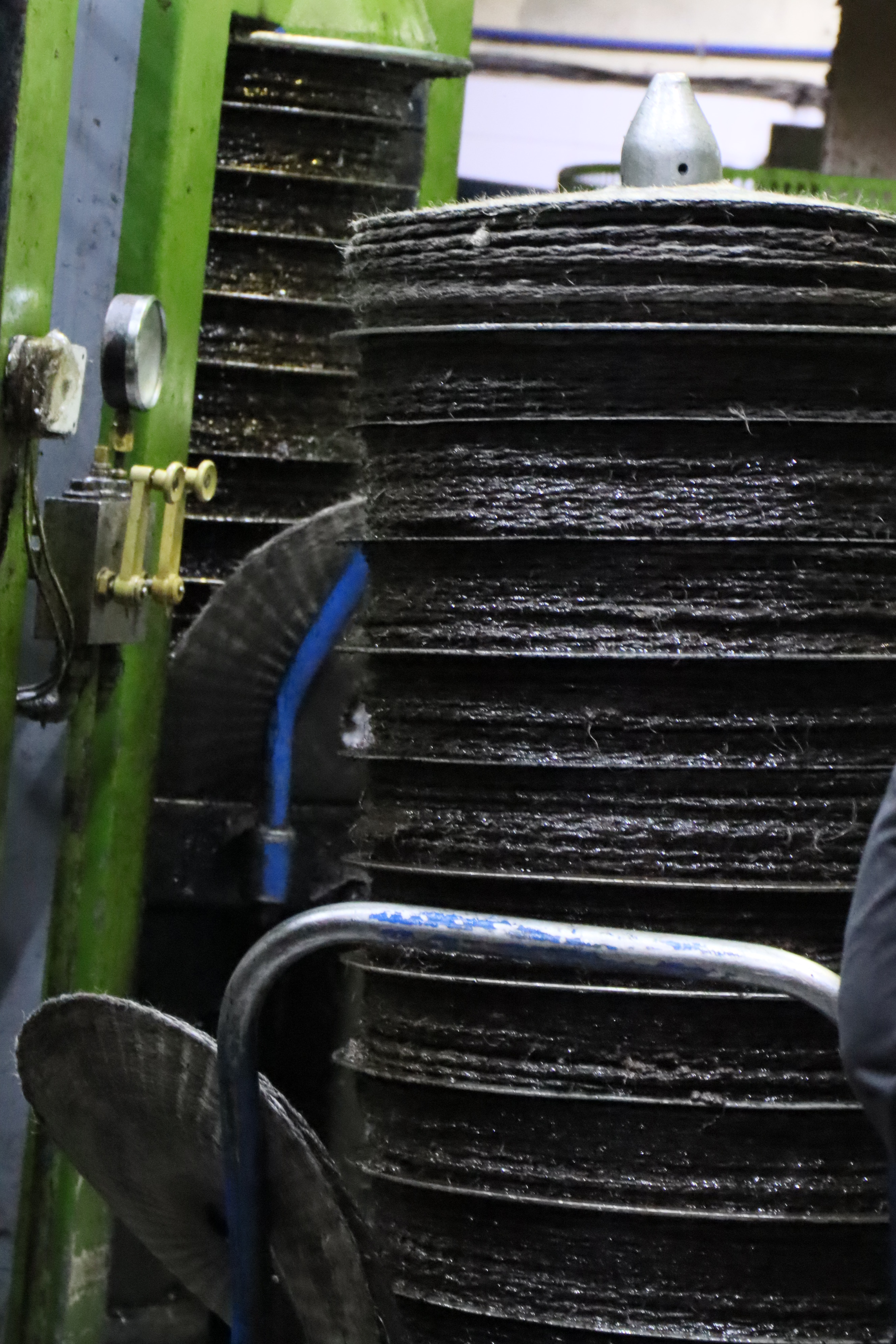
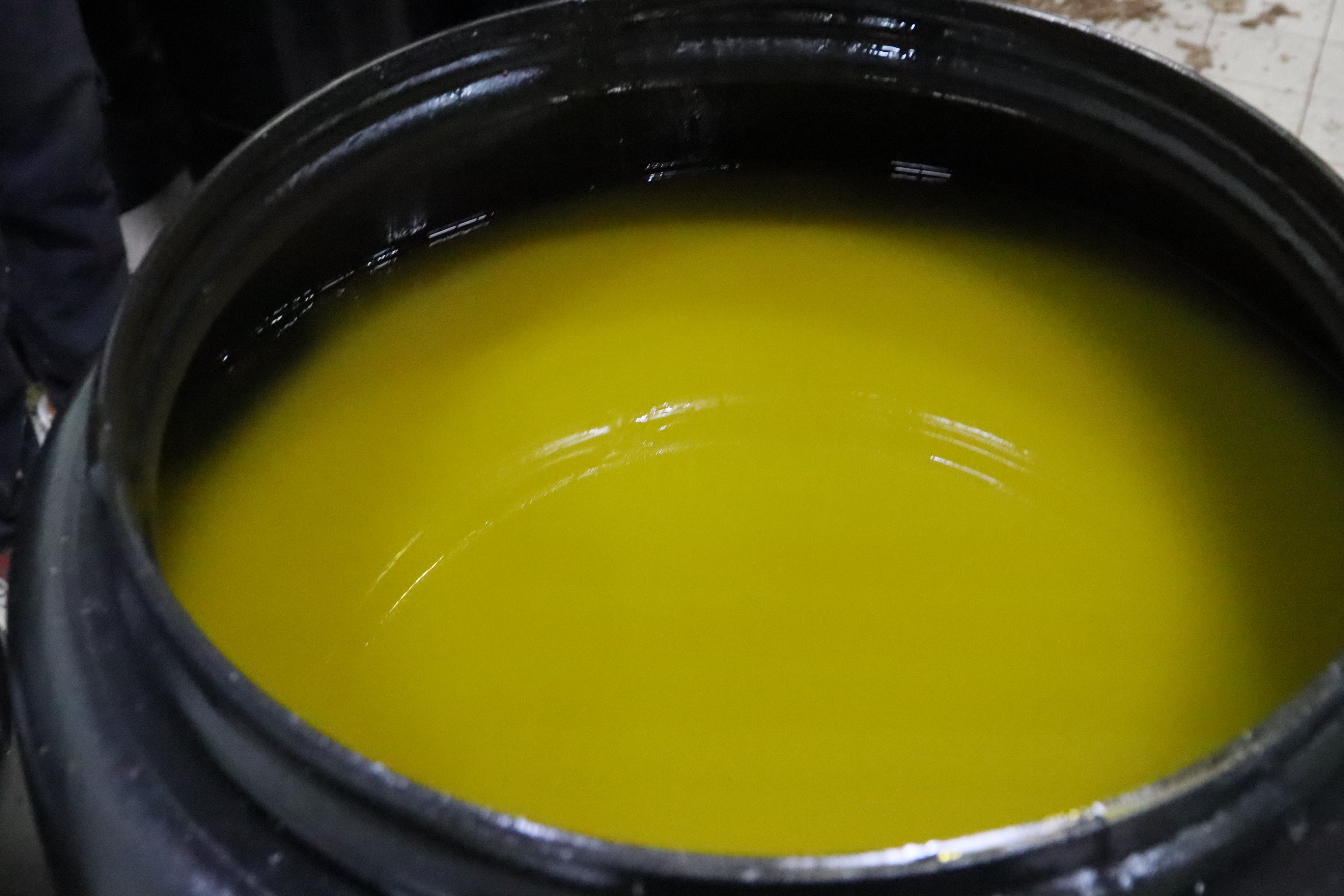
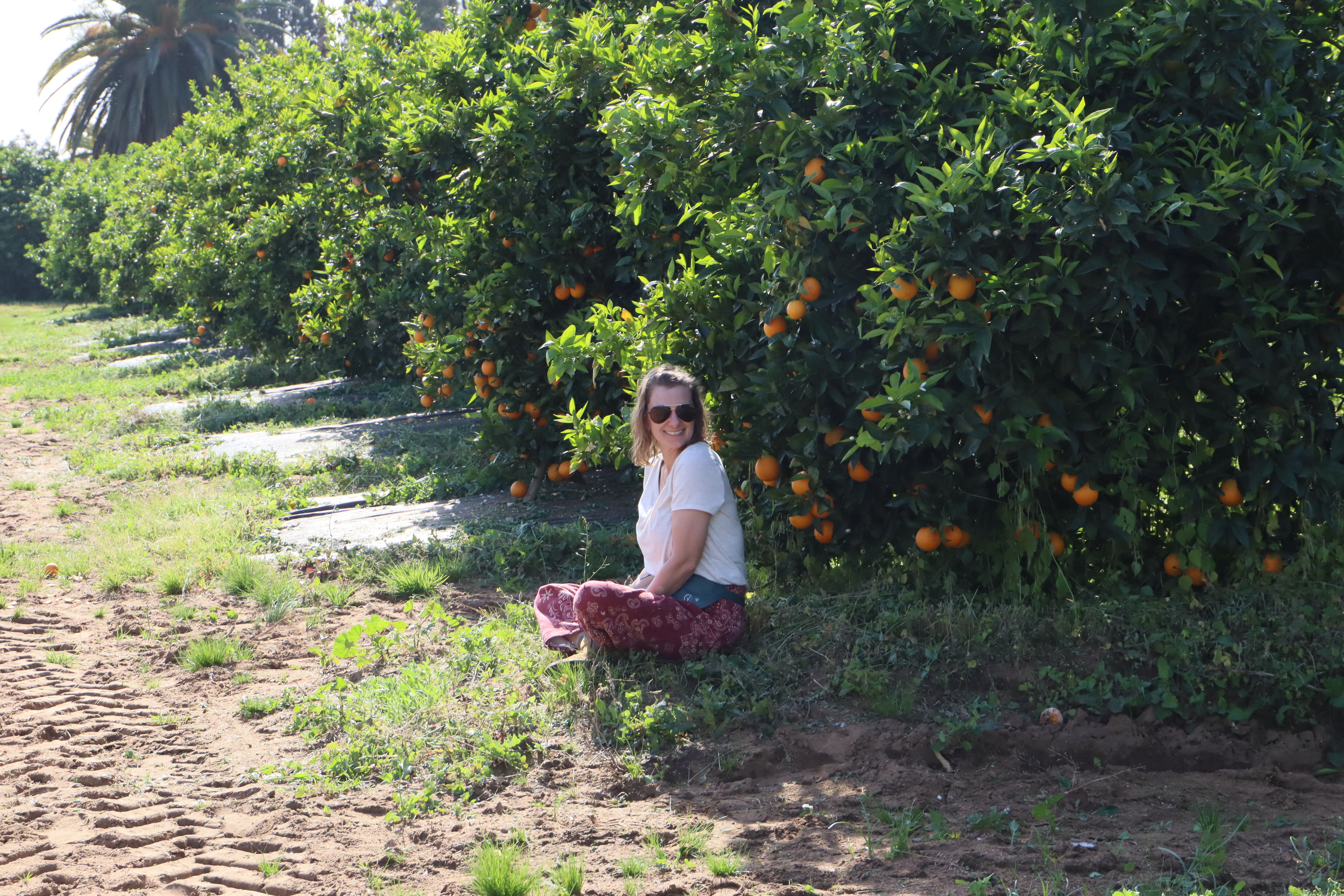
The oranges were the best I have ever had. Seeing olive oil being made was surprisingly soothing. Driving on flat, irrigated farmland while looking at a snowcapped mountain was surreal. Riding a camel in the African desert was an experience, and riding a stallion named Hidalgo on the beach is something I will tell everyone about for the rest of my life. But I think I learned the most from the people.
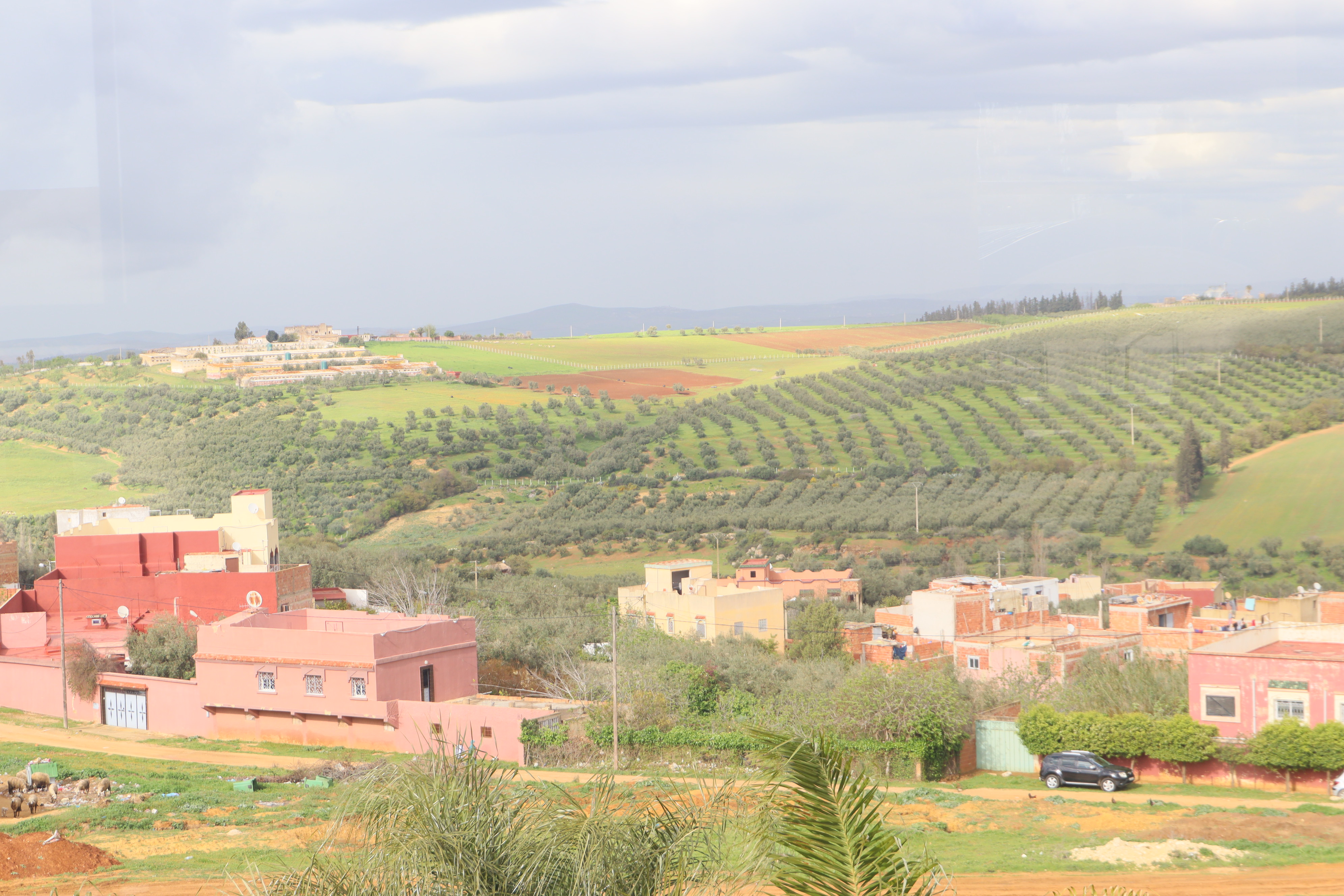
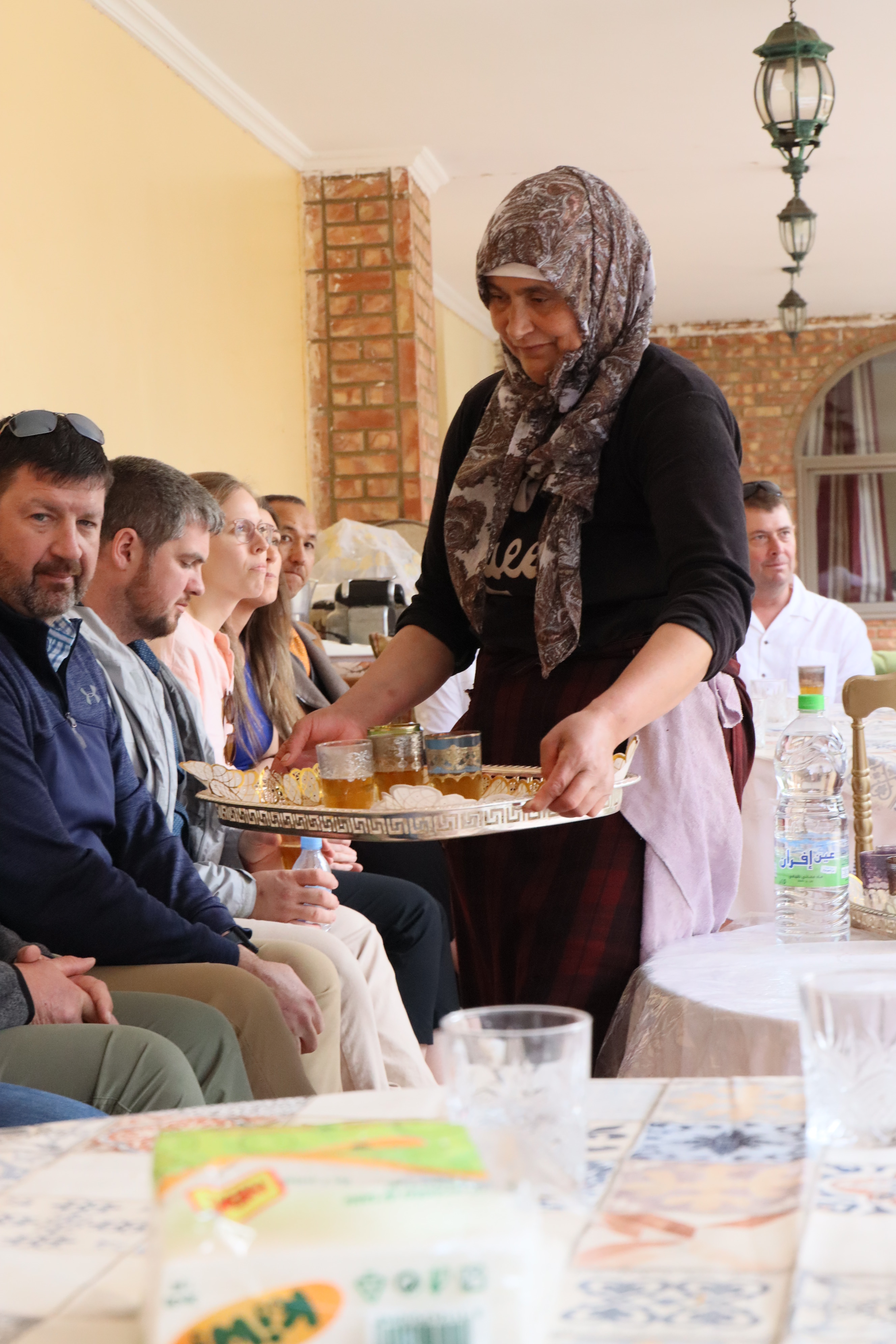
The hospitality we received, everywhere we went is unmatched to anywhere I have been. The locals consistently apologized to us for not speaking better English (the best of us learned a few basic words before our trip but most of spoke none of their language). And by their language I mean either Arabic or Berber on top of French and English. This is not just the educators, industry leaders, and farmers, but the waitstaff, and especially our tour guide Mr. Omar and our bus driver Abdul.
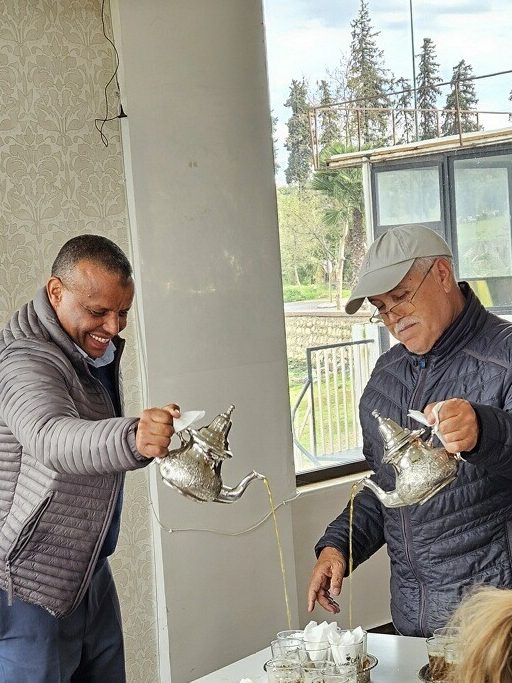
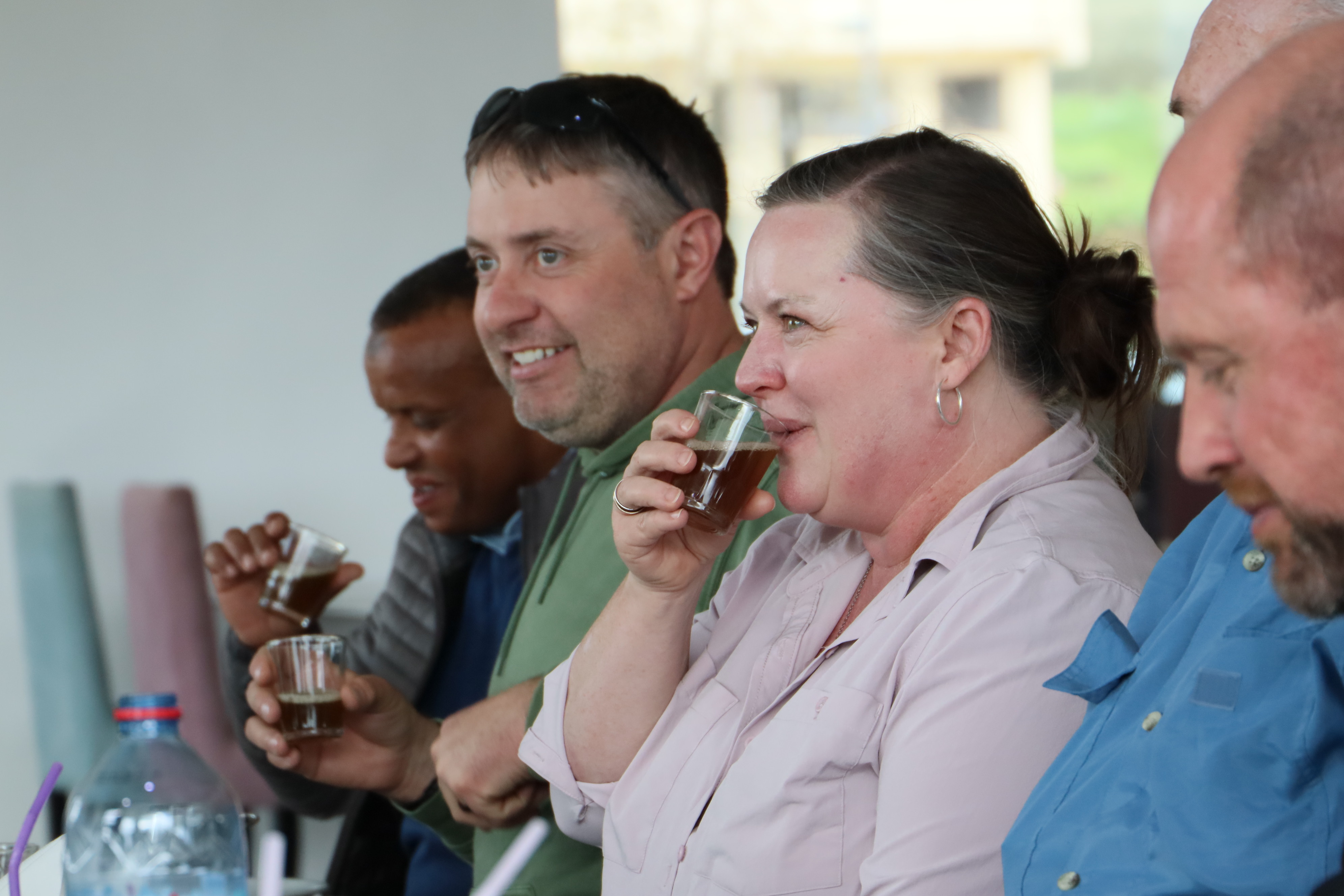
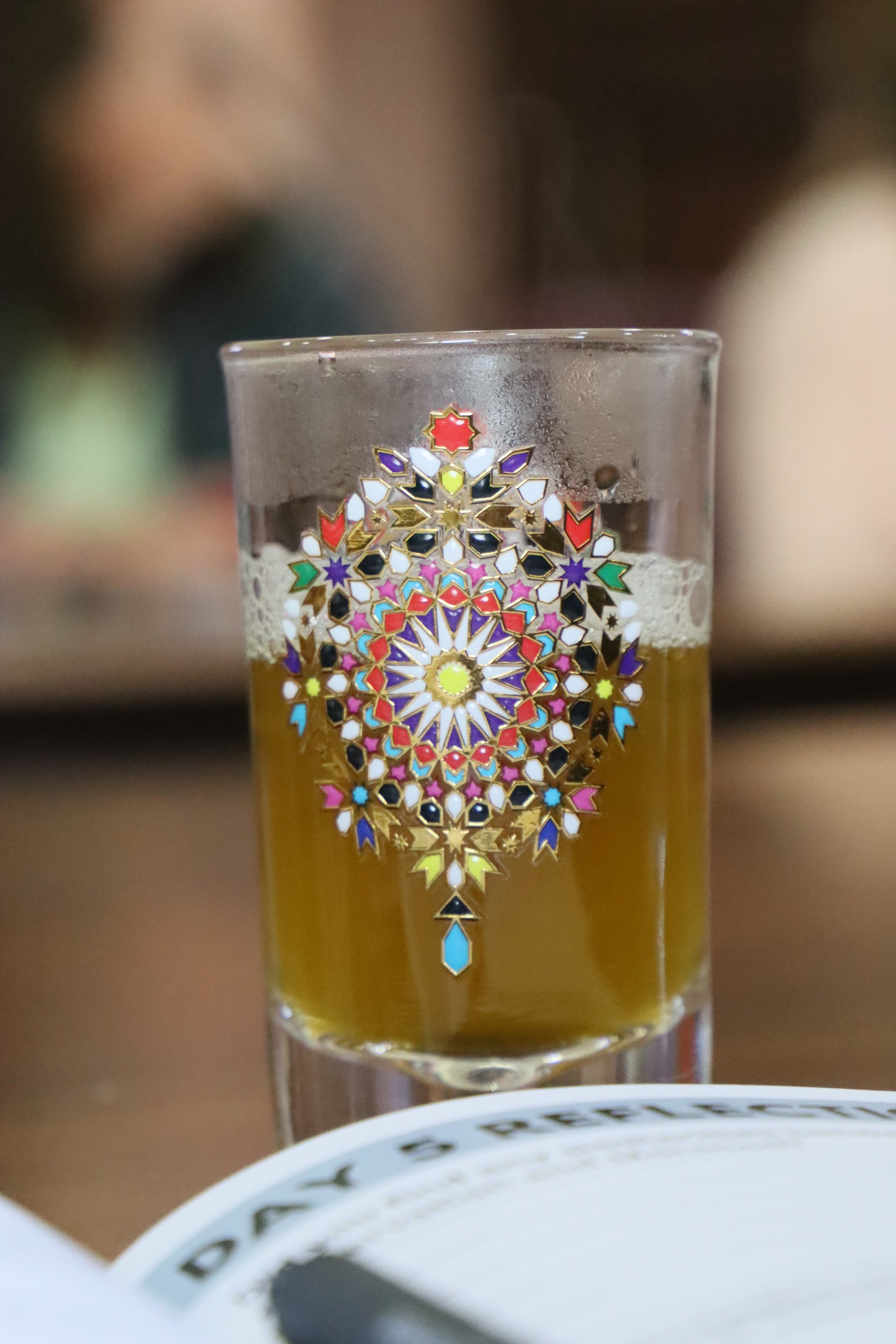
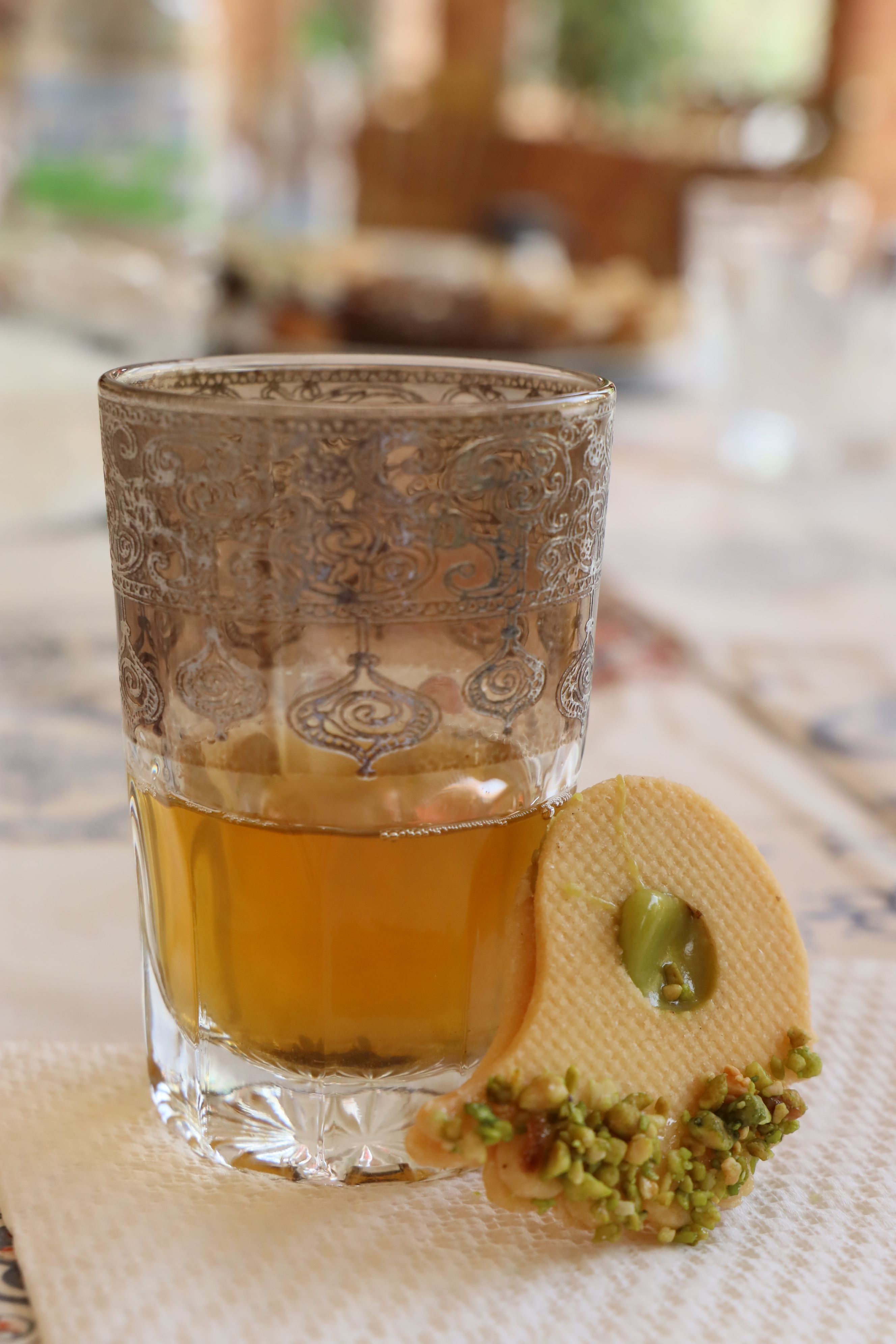
Many of the Moroccan farmers live with their flocks of sheep as they move along to graze public land. The outside of their homes is a blank slate, to not invoke envy from their neighbor. They are dedicated to their religious values. Morrocco has the longest, unbroken peace and friendship treaty with the United States; and everywhere we went served mint tea as a sign of welcome and respect to foreigners entering their space, a signal to force you to slow down, sip the (HOT) tea and connect.
What the Moroccan people taught me is more of a feeling than something I can put into words. But the people of VALOR class VII that shared this experience with me have allowed me to find my place again. We are a group of individuals trying to figure out what being a leader means to us, how to be a leader in an industry that is so vast, and if we are worthy of such a title. But I recognize the passion for agriculture I have in everyone in my cohort and that is where I find my place.
Whether we were visiting farms in Virginia, New York, Canada, or Morocco those we have met who exemplify leadership also radiate passion for the industry.