


To prepare for our fourth seminar (time flies when you’re having fun!) we were asked to watch Simon Sinek’s TED Talk, “Start with Why”. He described how successful businesses, leaders, social movements, etc., more so focus on the “why” or purpose when communicating their products, organizations, events. “Why” is central, whereas “how” and “what” are the outer layers of communicating a product/mission/purpose. When starting with why, these leaders effectively speak to our deeply ingrained behaviors (think, limbic brain for my psychology lovers) connected to trust, feelings and loyalty. People can reason and list all they want why a product is great, but until they really reach other’s core feelings and beliefs, they won’t be as successful as they’d hoped. Once we share the cause, belief or purpose that drives us, it’s easily followed by “how” we are doing this and “what” we are doing to achieve it.
I can imagine most of us have an example of this. I have easily bought a pair of socks that are twice as expensive as other brands, not because I wanted to pay more money, but because part of their missions is to designate profits to give back to others in need by providing essential garments. Even in my job, I joined my organization not because I simply needed a job and a paycheck, but because I believe in the “why” behind what we’re doing. I’ve always been passionate about the Chesapeake Bay, the environment and agriculture. Working for an organization where all of these are valued and are part of the mission helps drive my purpose.
So, having the concept of “why” in the back of our minds for this trip, we posed the question to our presenters of “what is your ‘why’?”. A few common themes to the answers we received: because they want to share their love of what they do with the world, and because they did it for the passion of helping someone or something.
Our first stop of the trip, we met with Houff Corporation to learn about their diversified operations from fertilizer application to freight and hauling. The diversification and evolution of the company was fueled by customer needs in the area and providing top-quality service. It didn’t take long to see that part of that “why” was fostering partnership and community with the people who they work for and the people who work for them. That afternoon, we visited Harmony Harvest, the only cut flower operation in the U.S. that ships mixed bouquets straight from the farm. It was evident the passion for being part of the cut flower industry and sharing the beauty of flowers with those around them. I heard an emphasis on educating, showing and including others in agriculture: from showcasing victory and native gardens, to engaging with the public on social media and through newsletters and online tutorials, to welcoming customers on to the farm for pick-your-own and various workshops. The ‘why’ is being part of the cut flower revival, the ‘how’ and ‘what’ is all the creative ways they’re doing it. Going back to the TED Talk, I thought about how success is driven by a belief or purpose; how people buy why you do something and what you do is just the proof of that. Harmony Harvest may have amassed a following because of their love and passion for the job and people want to be a part of that. Jessica’s energy was infectious- I walked away wanting to start my own flower farm. No worries, I will leave flower production to the experts, but I did plant a few new flower varieties in my garden this year after catching the flower bug.

We continued to the DOF Augusta Nursery where we met Josh, a forester with just as much enthusiasm for what he does. Throughout the years, many things have changed, but this is something he leaned into. Sometimes the attitude helps others see your why and feel inspired to be part of that work. Touring with individuals who are excited to be a part of agriculture makes the learning experience that impactful much more. This nursery will grow a variety of hardwood species for use in reforestation and other programs around the state. This year alone, they produced 4 million trees! We were able to catch some of the harvest in the fields and see the processing and storage of bare root trees.
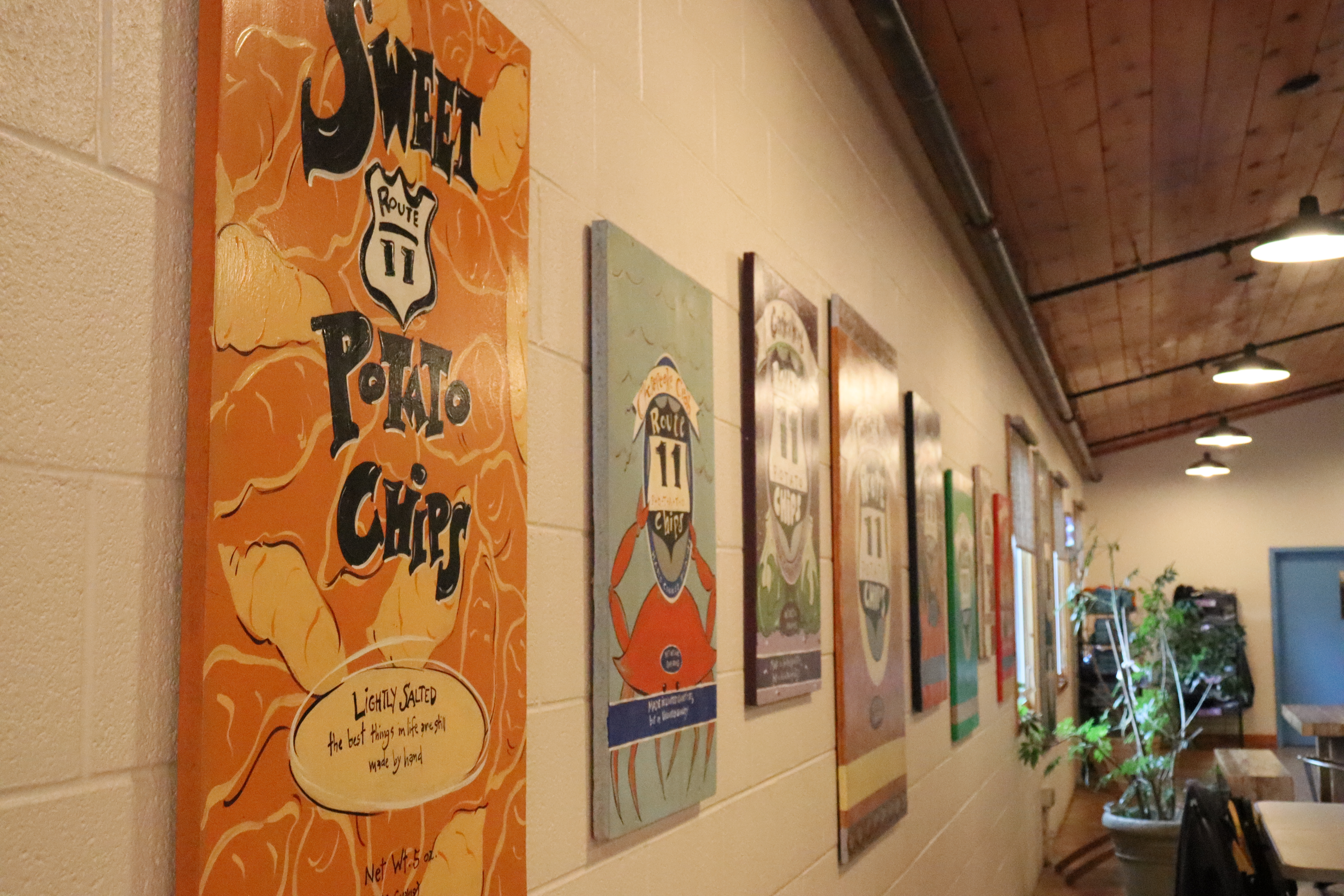
Continuing to day two, we kicked off the morning with a tour of Route 11 Potato Chips. Coming back to roots in the Shenandoah Valley, the family business has grown into a beloved snack around the state. We heard a focus on a high-quality product from high quality ingredients with exceptional customer service. They’re focused on the cooking process and a core set of flavors to make this a sought-out product. A standout brand, the why was evident in the care and quality they put into the brand. I also learned about the Mama Zuma flavor- if you haven’t tried this (and like spicy!), I highly recommend!
Next, we heard from a local poultry co-operative (co-op) that really started with ‘why’ after producers came together with a common goal to continue raising poultry and creating a structure that works for them. Our speakers touched on the co-op’s structure of part ownership and how this creates a connection among producers and leadership. The co-op assists producers in upgrading facilities and even provides a lending program, while also giving voting power to growers where their voices are heard. This co-op’s longevity speaks to its success and touches on a part of the Start With Why talk: where people bought into the ‘why’, that purpose and belief of the mission.
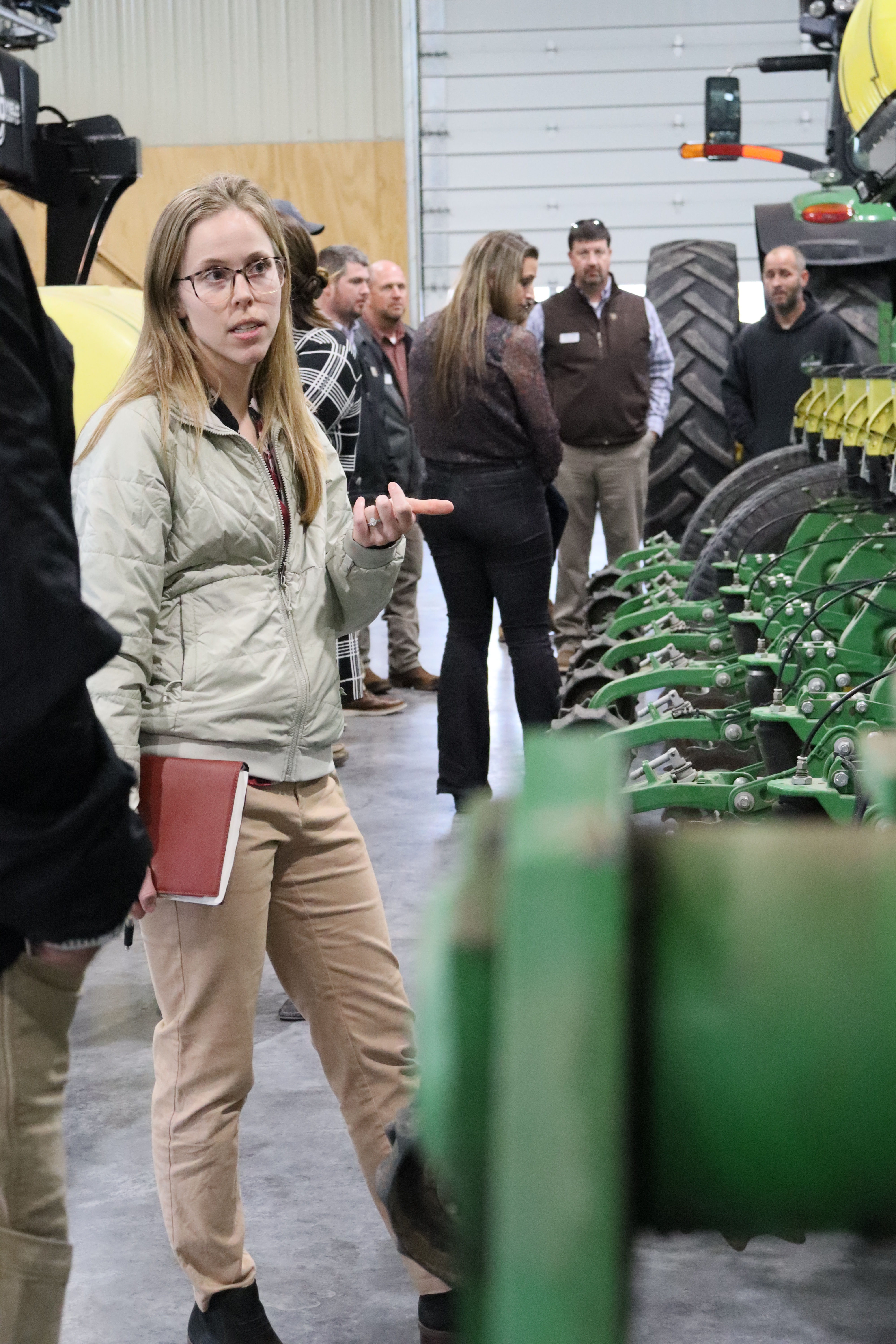
That afternoon, we spoke to local farmers who started their businesses with a passion to continue farming and were built by word of mouth, progressing by meeting customer needs with a niche of services. They focus on putting customers first, taking pride in how they care for the land and work ethic, and taking care of equipment and people. On top of that, they gave a nod to the support systems they rely on to be successful in agriculture. Maybe one of my favorite stops on the trip, it really connected back to part of the video where Simon talked about the Law of Diffusion where people don’t follow a leader because of what they do, but why they do it. “If you talk about what you believe, you will attract those who believe what you believe”. These farmers didn’t grow to serve thousands of acres by word of mouth because of what they do- but because customers are buying into ‘why’ these farmers are doing it.
To wrap up the day, we were treated to a locally sourced dinner with Fieldsmith Home Arts, Muse Winery and Jon Henry of Jon Henry General Store. Bev Butterfield, owner of Fieldsmith Home Arts, has spent her life serving the public from extension to collegiate affairs and now with offering classes through her business that empower individuals to learn cooking techniques with local and seasonal foods. From her, I saw how knowledge was power and translated to confidence. Her ‘why’ was evident through her passion for sharing knowledge of cooking while collaborating with local growers to source her ingredients. By supporting local farms, 56 cents of every dollar is returned to the county, versus just 13 cents of every dollar when shopping at larger retailers. Leading us to another guest at the table, Jon Henry, owner of Jon Henry General Store, the #3 rural grocers in America. Opening in 2018 and establishing roots during a pandemic, the store has grown to provide over 200 Virginia products from around 25% of our counties! Jon also works to make fresh food accessible through programs like Virginia Fresh Match, benefiting upwards of 300 families monthly or with in-store classes with VCE. I interpreted his ‘why’ as multi-faceted from wanting to try new funding programs, to supporting local producers, but all in all, bringing opportunity to people.

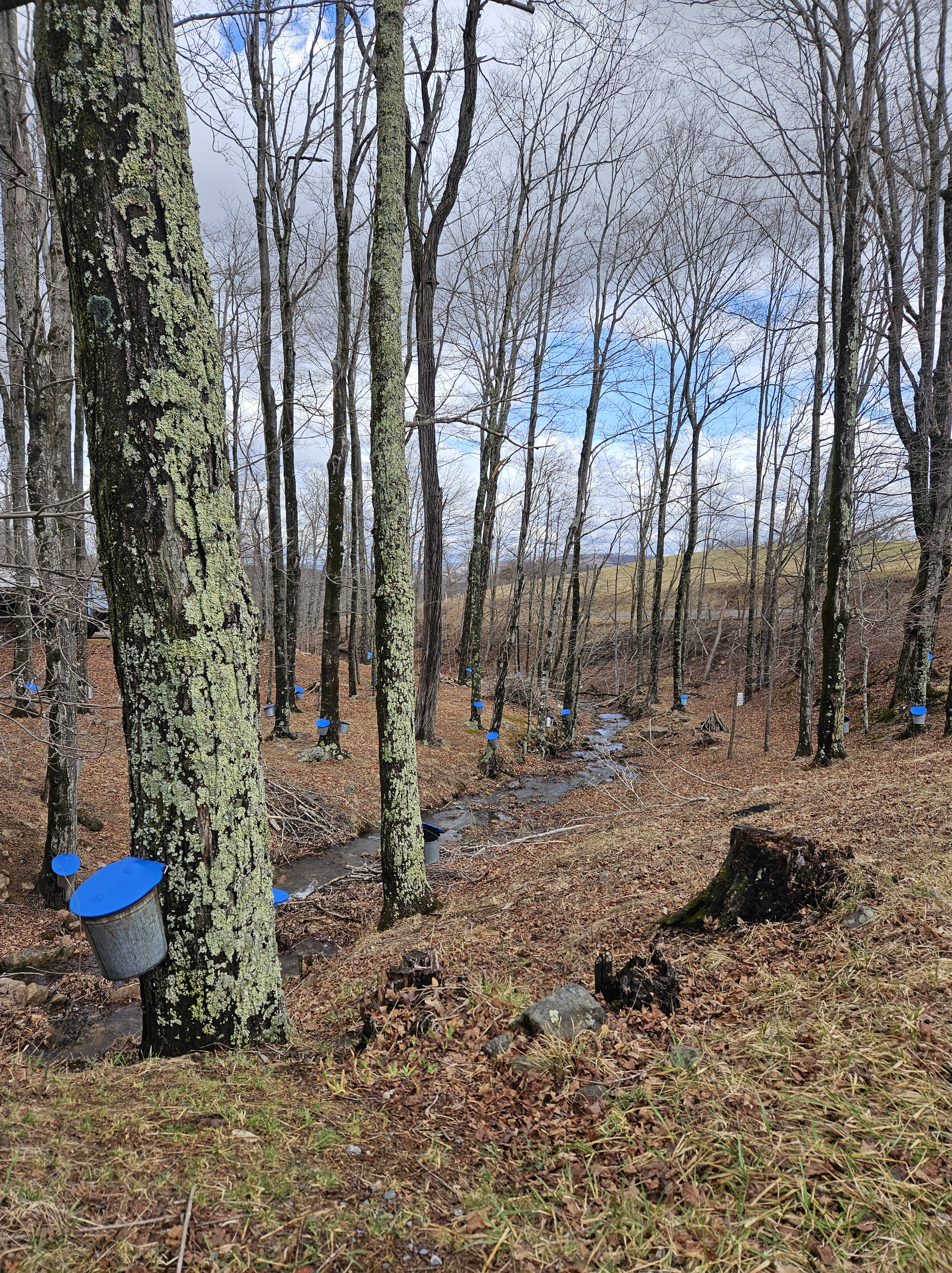
Days three and four were about new experiences and learning (as is every day with VALOR), but about parts of the industry I do not see: dairies, maple syrup and paper. This was my first visit to a robotic dairy, and I was awestruck. The technology allows for active alerts to the farmer’s phones and better data collection during milking, which can help indicate loss in production and potential illness in the cows. This highlights how far we’ve come in agriculture with integrating technology in meaningful and impactful ways. Robotic milkers also reduce labor in the parlor but may shift that labor to machine maintenance. And the cows- they love it! The system is voluntary, meaning cows enter when they want to be milked and in under 10 minutes, they’ve had a yummy snack while milking and are ready to go back to the herd. I think public perception is that animal agriculture facilities are not fit for housing, when the science and design behind these facilities is in-depth and cutting edge. We then made our way to Highland County, known for their annual maple festival. Maple is part of the county’s agriculture profile, with many local producers building it into their cattle and sheep operations. The fair also highlights the local history and culture of Highland County. Not only did I try buckwheat pancakes for the first time (don’t knock ‘til you’ve tried it!), but I also got a first-hand look at tree tapping and syrup cooking. A lot goes into maple production: from the age of the tree to optimal day and night temperatures, wind and snow conditions and the cooking process itself. And lastly, we visited the largest bleach board mill in the world. This mill creates the packaging of products that we touch and use every day. Most of the wood is sources from private landowners, emphasizing our strong forestry sector in Virginia and the crucial role it plays in rural economies. I often drive by signs on backroads designating certified tree farms, so it was interesting to see one of the end results of that harvested crop.
Reflecting on this seminar, I heard a common theme of being comfortable with the size of a business or operation- knowing that it could go bigger- because of the way that size works for business and customers but also for employees. I heard how businesses shifted or remained the same to empower employees and provide them a successful workplace. Another common theme was meeting a community need or filling a gap, which is obviously a good way to start a successful business. What struck me was how focused these businesses were on the customer and the quality of the product or service they brought to the customer. It was not just about filling an order or getting a job done, but about knowing they are impacting people in the community and the families they serve. Many great examples of “why”. We continue to hear about the role politics and decisions on the national scale impact trade, labor and local decision making. We learn a ton about the logistics and facts of agriculture, and even more on common leadership themes and lessons these leaders gained in their agricultural journey.

 valeadersor.com