


Our Northern Neck-Middle Peninsula-Bay tour was just as eye opening as the previous regional visits around the state. Each region’s agriculture and aquaculture is unique, but some similar threads run through many of the businesses we have toured. One of those threads is family. The family farm business takes many different forms. One quality that I noticed on this trip was the importance of vision and leadership in family farming operations. We visited several multigenerational farms that have grown to operate in multiple states and support multiple farm families as they grow.

Parker Farms started small in Maryland farming a couple acres and then moved to the Northern Neck of Virginia due to availability of land. The third-generation farm now grows over 3,000 acres and has operations in multiple states, as they wholesale produce over the growing season. Rod Parker and his son, Rafe, explained that they grew incrementally, testing which crops are most economical, and implementing business and ag practices that best serve their business model and capture income from the value chain. When visiting their headquarters, I could feel the family-like atmosphere that is part of their business culture.
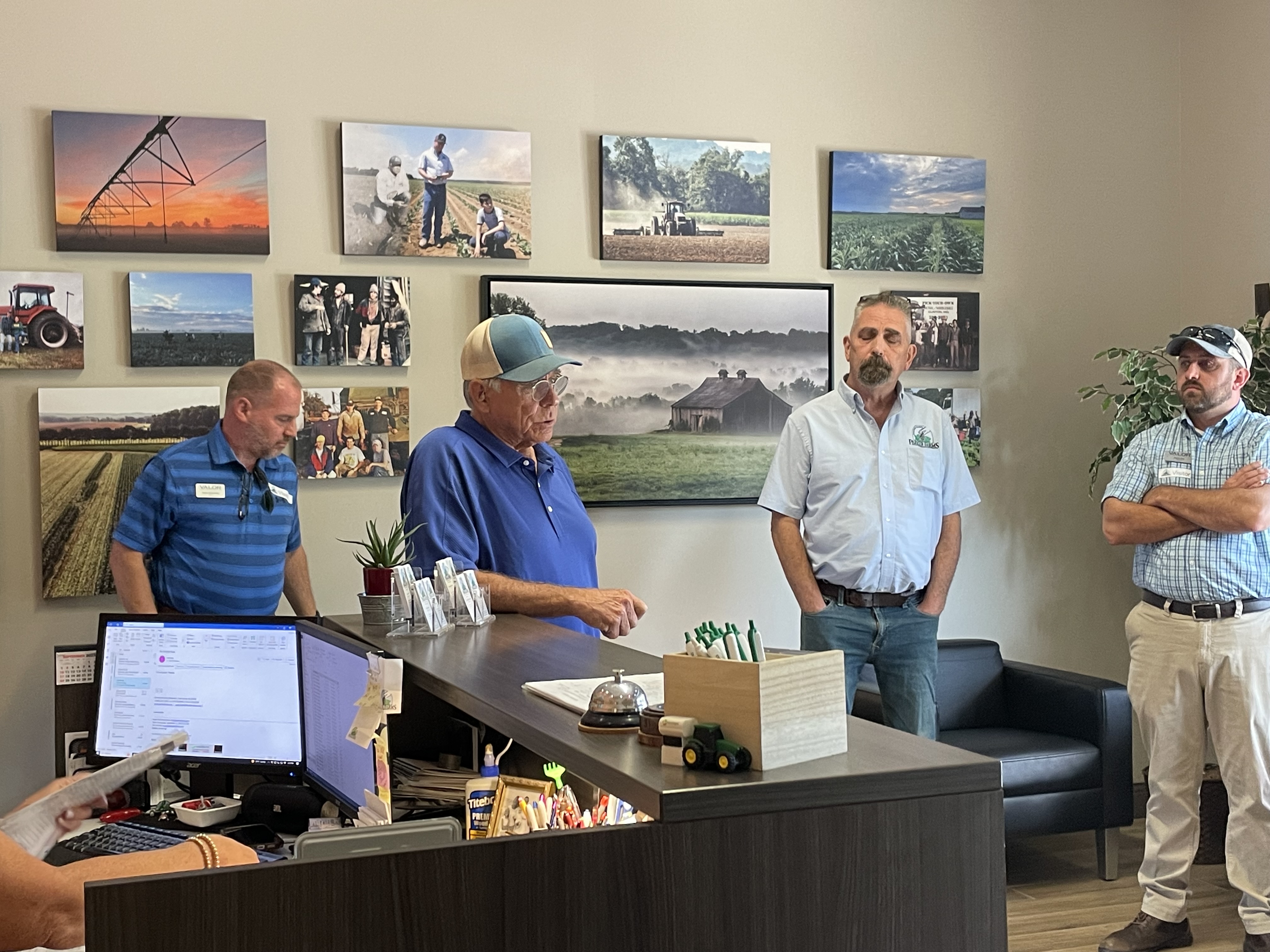

John Jenkins at the Northern Neck Farm Museum explained his vision for opening the museum, and that it was a labor of love to get to its current state. He has a passion for preserving the ways of the past, educating patrons about the local ag artifacts in the museum, many of which are from his family, and passing down his knowledge to younger generations.


The family atmosphere at Omega Proteins was also apparent. Many of the watermen that work with Omega have generations before them who also did the same, with Omega being the largest employer in the Reedville area. Their commitment to taking care of employees like family shines through in their decision-making.
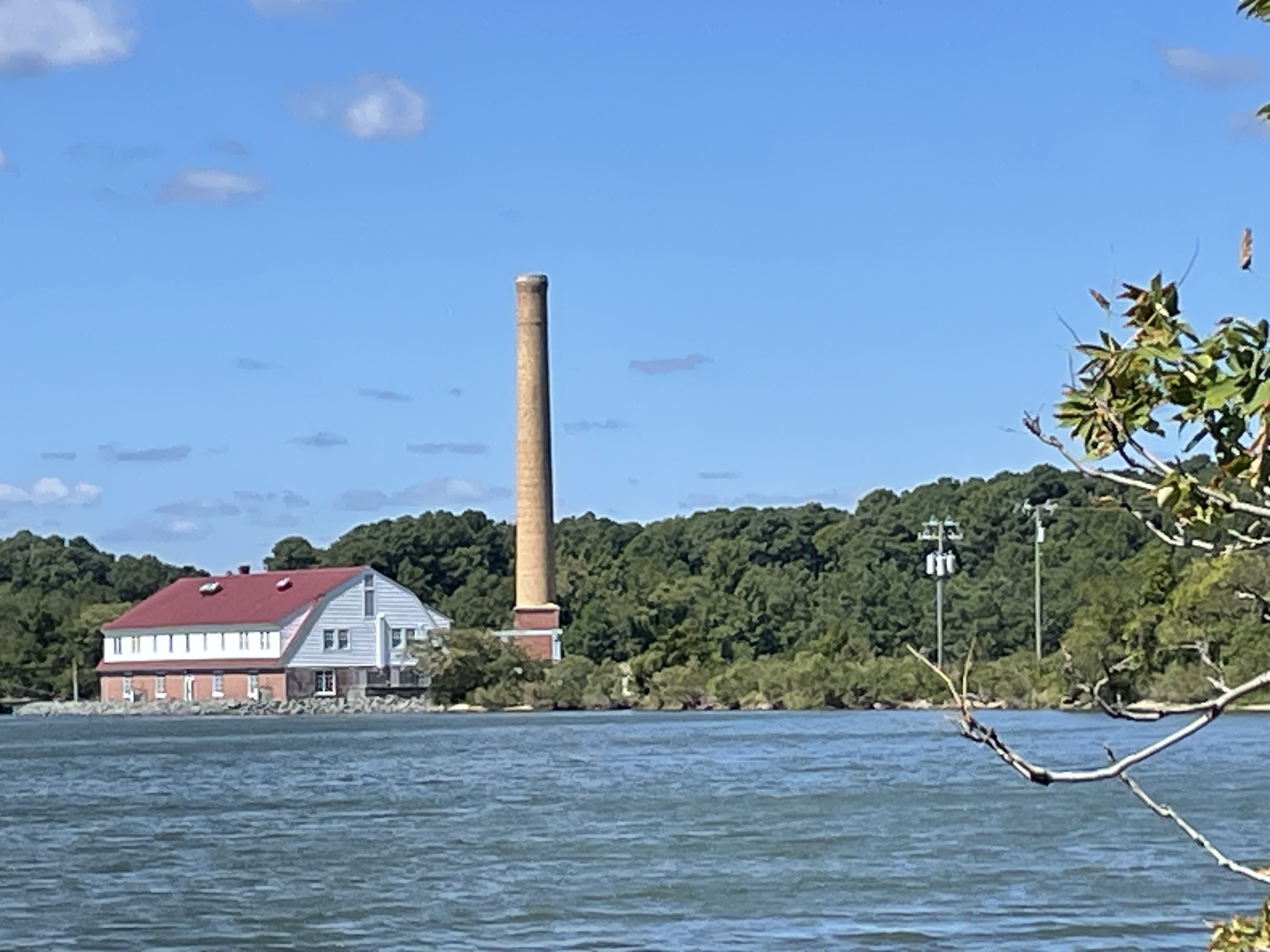
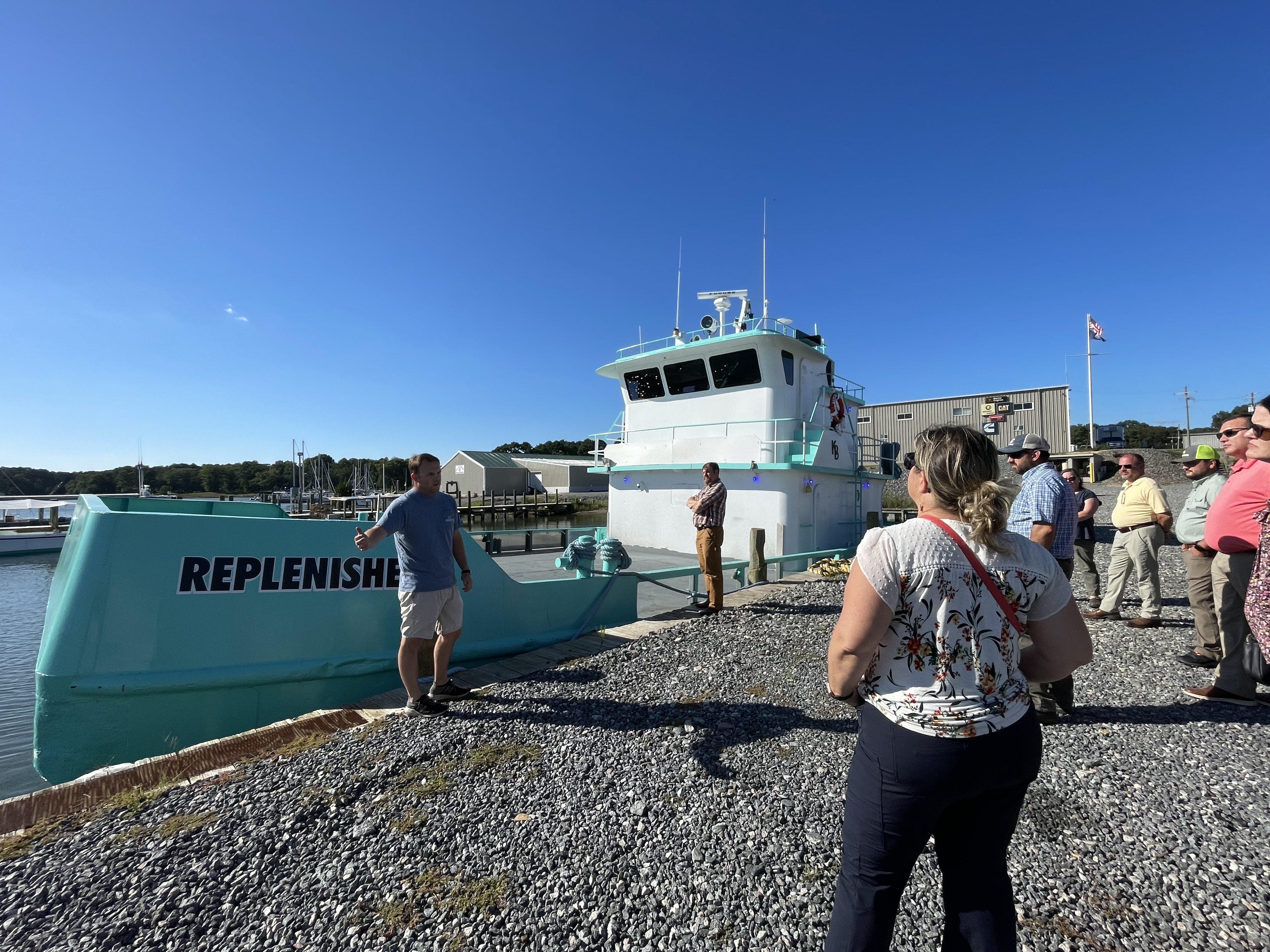
At Kellum Oysters, Nathan, a nephew of the owner gave an excellent tour of their wild-caught oyster processing operation. Their third-generation, and almost fourth gen, business is based on family values that stand the test of time, namely “hard work, fastidious cleanliness and fair dealings.”

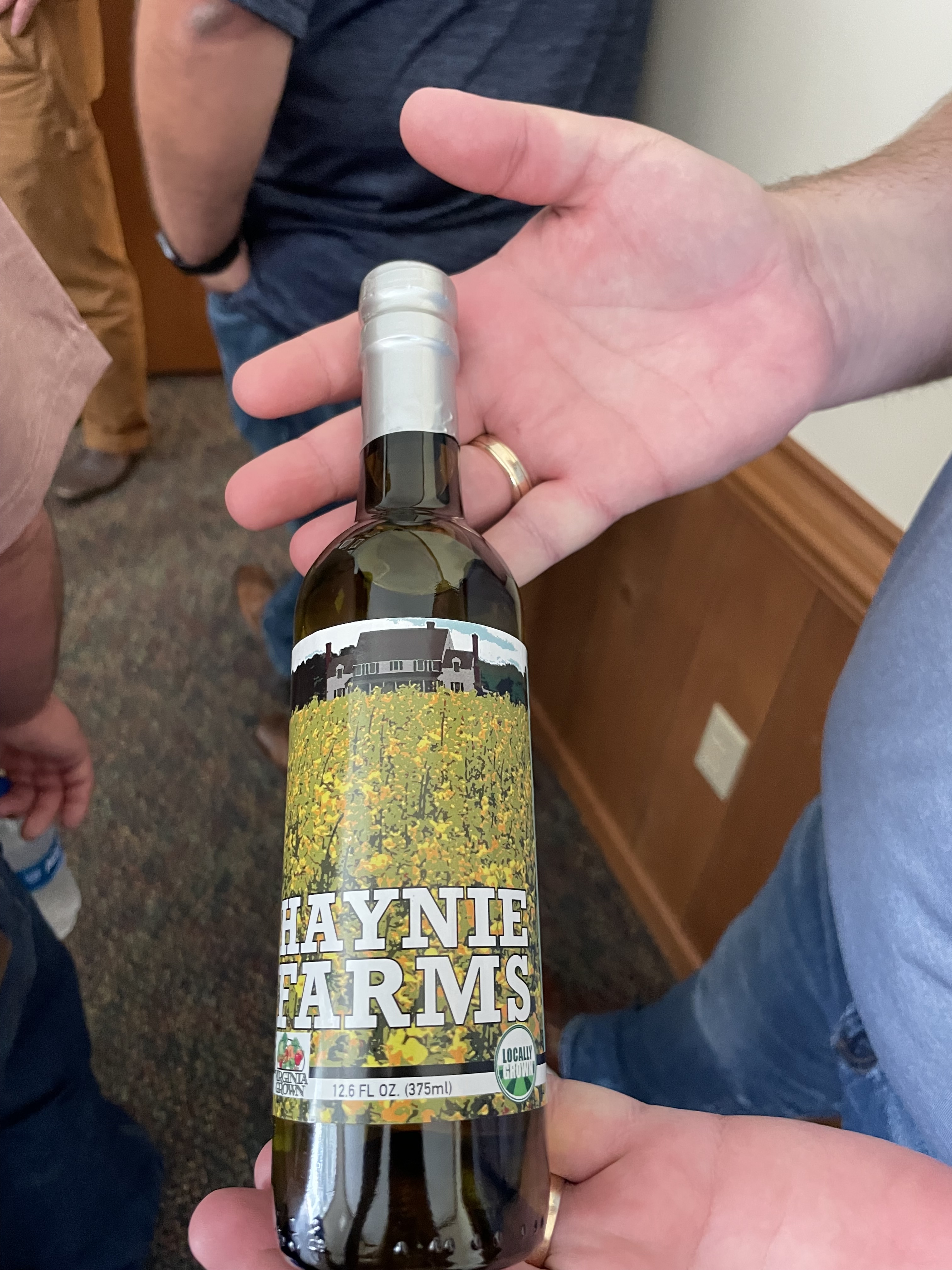
I thoroughly enjoyed meeting Philip Haynie, a fourth-generation farmer whose great grandfather was a slave who eventually bought the land he farms over 150 years later. Mr. Haynie’s farming career has not been easy, but his generosity, humble heart and can-do attitude have persevered. His vision for the business is well articulated, “farming is still a family tradition,” as his children and grandchildren contribute to the family business and industry of agriculture. They have branched out into trucking, timber, landscaping, and a rice mill operation in Arkansas.
The vision and leadership it takes to sustain a multigenerational business is enviable. The common thread of caring for family and the local families in their communities runs through all these businesses as they provide food for the world!

 valeadersor.com