


I write this post with a bittersweet feeling, as our recent trip to Central Virginia marked our final session before graduation in July. Beginning around Session 5, I started choosing a single word to guide my reflections—and for this experience, that word is diversity.
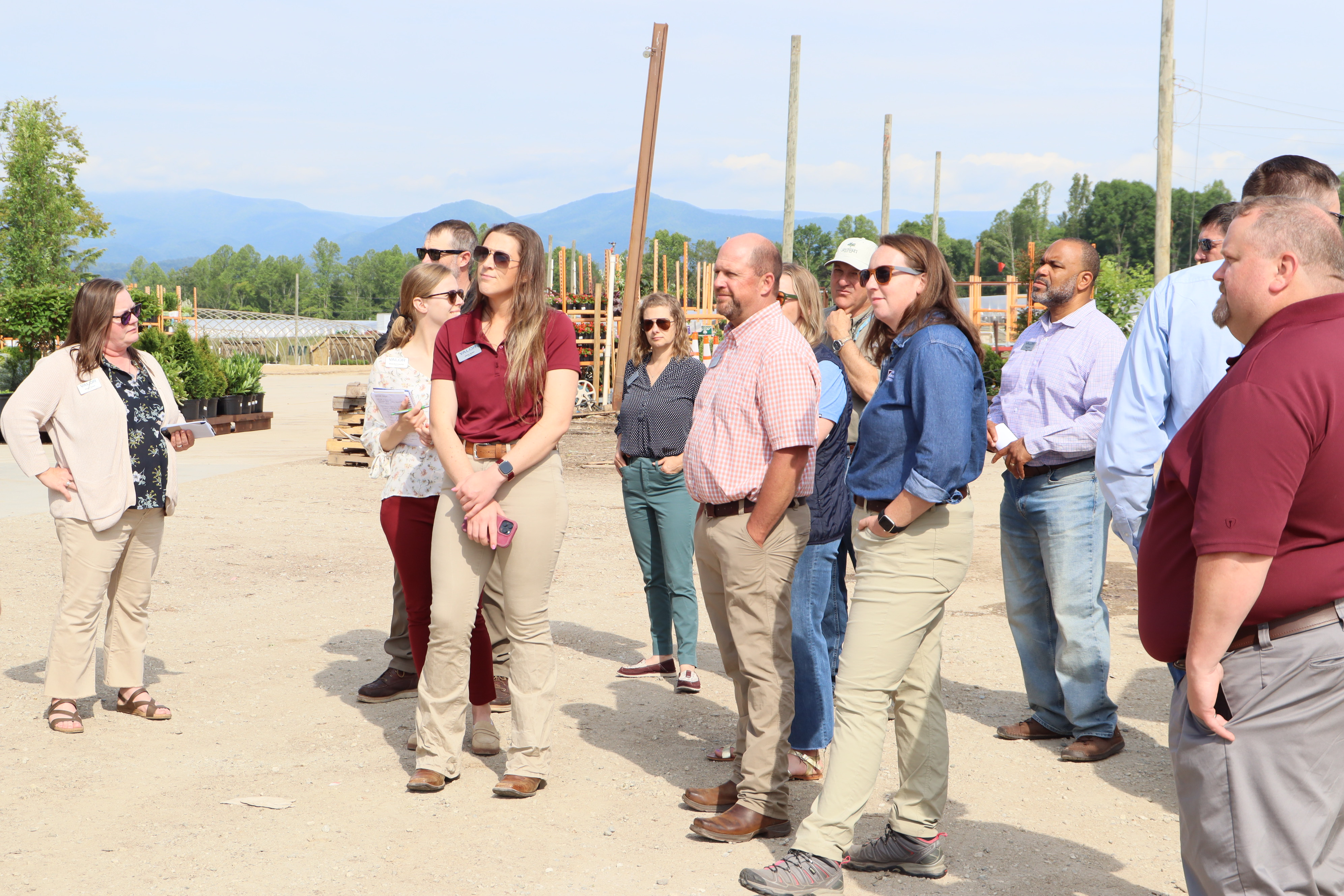
Merriam-Webster defines diversity as “the quality or condition of having or being composed of differing elements or a group or collection of differing elements.” While I recognize that this word can carry different meanings for different people, my intent here is not political. Instead, it reflects what I observed, learned, and experienced throughout this session.
Our trip began at King Family Vineyards, where we were introduced not only to their winemaking operation but also to Roseland Polo. James and Ali King helped lay the foundation for my understanding of diversity during this session.
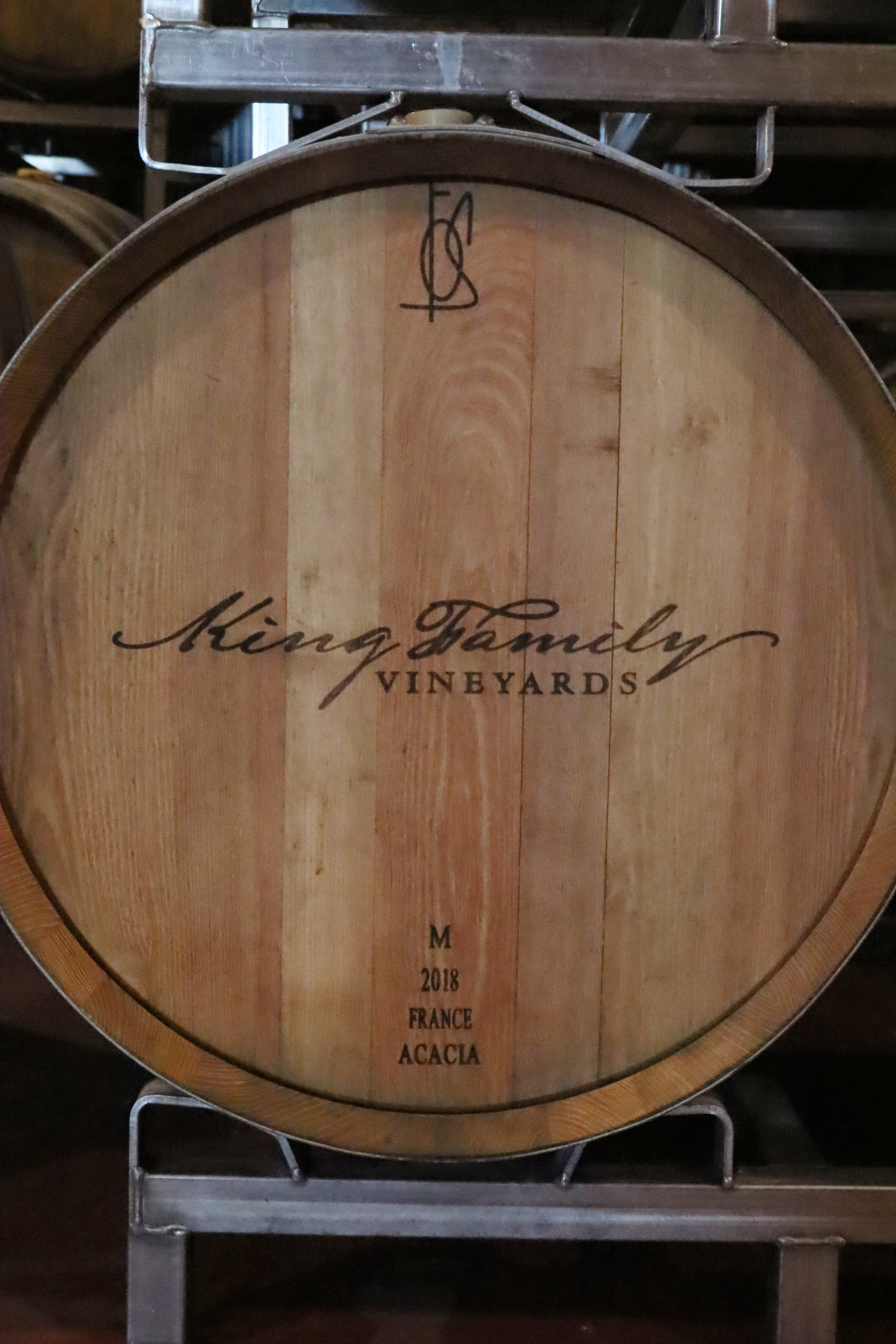
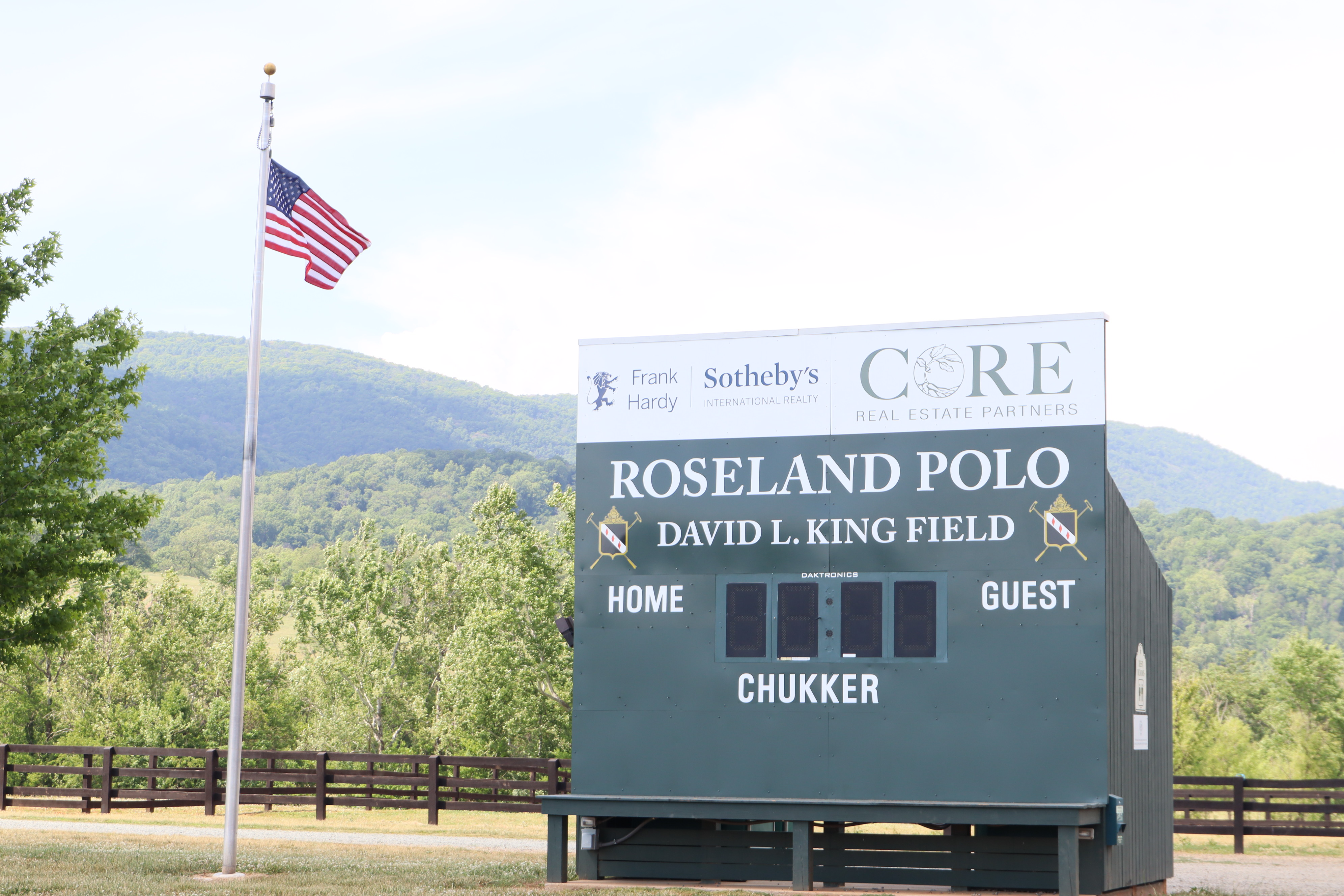
After achieving early success with their vineyard, the King family made a bold decision: they diversified their operation by investing in polo. What might have seemed like an unconventional move has proven incredibly successful. Today, Polo Sundays draw crowds throughout the spring, summer, and fall—crowds that rival some of the largest polo events in the country.
This expansion was also deeply personal. James’s father, Ali’s father-in-law, David, had a passion for polo and dreamed of bringing it to the area. After his passing, the family honored that vision by building the polo facilities and growing the events into what they are today. At its core, this effort has been about making polo more accessible to the public.
We often hear about the importance of diversification in financial portfolios. King Family Vineyards is a powerful example of how diversification—when approached with purpose and passion—can yield incredible returns, both financially and culturally.
Our next stop was Saunders Brothers Nursery and Orchards, where Jim Saunders led us through more than 600 acres of greenhouses, nurseries, and orchards. Saunders Brothers is widely known for its boxwoods—even supplying plants to the White House Rose Garden. While boxwoods remain the cornerstone of their business, the family has embraced diversity in many forms. Their operation includes a wide range of ornamental plants, landscaping florals, and an expanding apple and peach orchard enterprise.
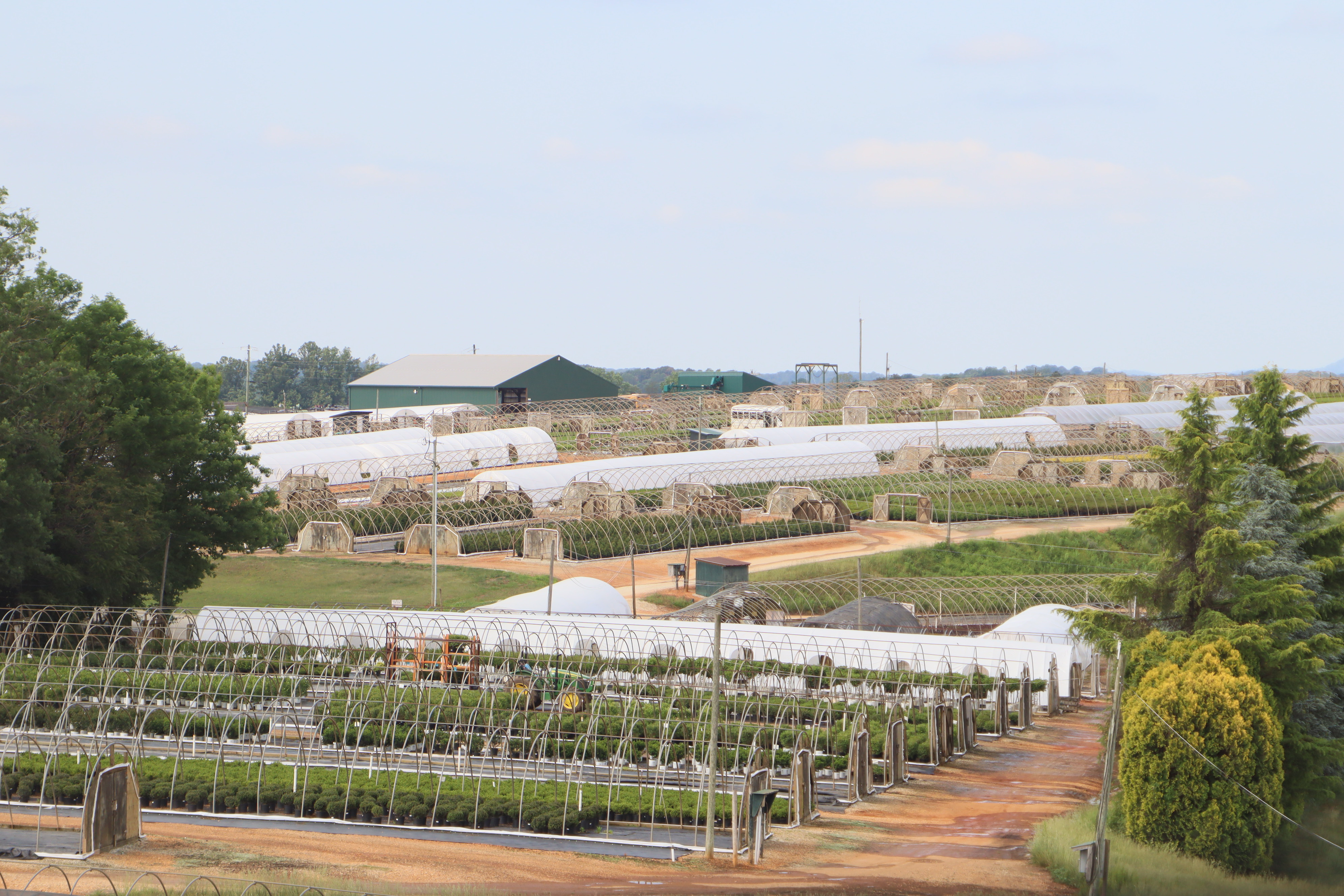
This diversity is strategic. By cultivating multiple crops and product lines, Saunders Brothers spreads risk, adapts to shifting market demands, and protects itself from volatility in any single commodity. It’s a clear lesson in how diversity can strengthen not just a business, but its long-term resilience.
At Albemarle Ciderworks in North Garden, we experienced diversity from an entirely different perspective. Anne Shelton guided us through a tour and tasting that highlighted the unique characteristics of cider apples.
Unlike the large, sweet apples commonly found in grocery stores, cider apples are smaller, more tart, and sometimes even feature red flesh. These differences are essential. The diversity of apple varieties allows Albemarle to produce ciders with complexity, balance, and depth.
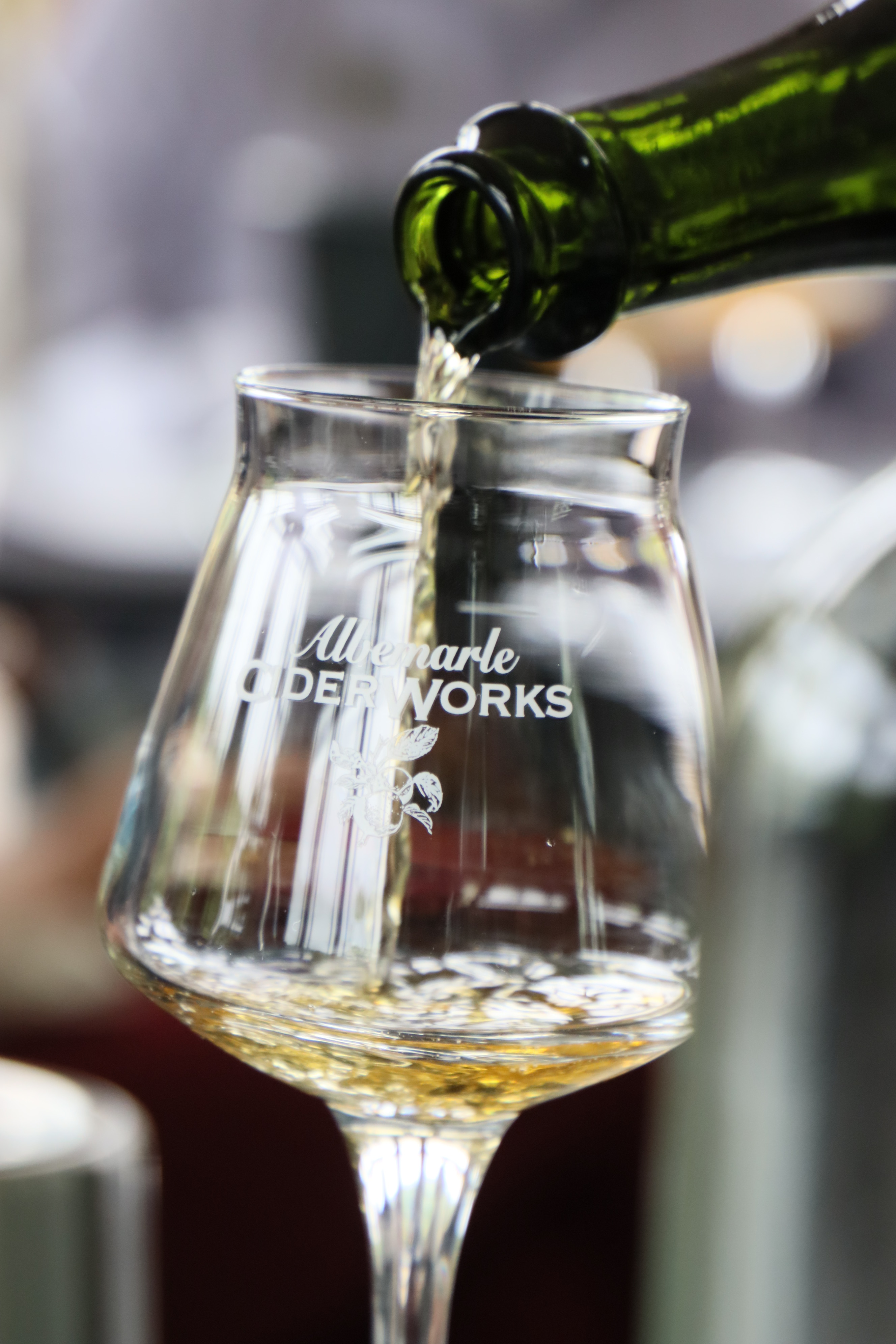
As someone who isn’t typically drawn to overly sweet, syrup-like ciders, I found this experience refreshing. Albemarle’s products lean more toward a wine-like profile—layered, nuanced, and naturally expressive. It became clear that their success is rooted in embracing the diversity of their raw ingredients.
The most impactful visit of the session, for me, was the Carver Center in Rapidan. Located on the campus of the former George Washington Carver High School, the site served African American students from 1948 to 1968 during segregation. Students were bused from four counties—Rappahannock, Culpeper, Orange, and Madison—to attend school there.
Merriam-Webster also defines diversity as “the state or practice of including people of different races, cultures, etc. in a group or organization.” During this period in our history, diversity was not embraced—it was resisted. And yet, the Carver community thrived.
Despite immense challenges, the school became a place of excellence in academics, vocational training, and athletics. As we toured the facility and listened to alumni share their stories, one theme was unmistakable: pride. Pride in their teachers, their experiences, and the culture that shaped them. One alumna spoke of her 30-year career in education, inspired by her time at Carver—a powerful testament to the school’s lasting impact.
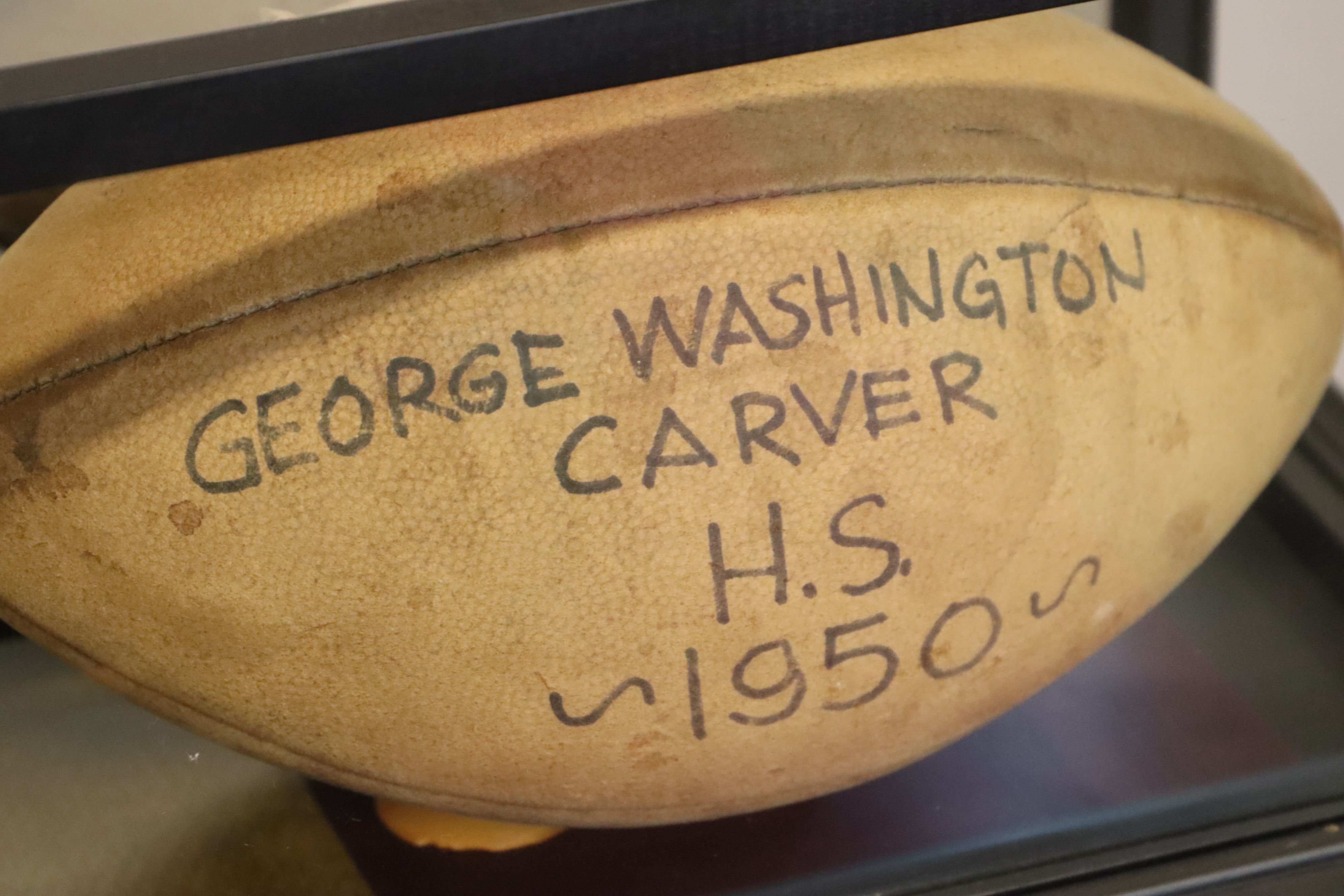
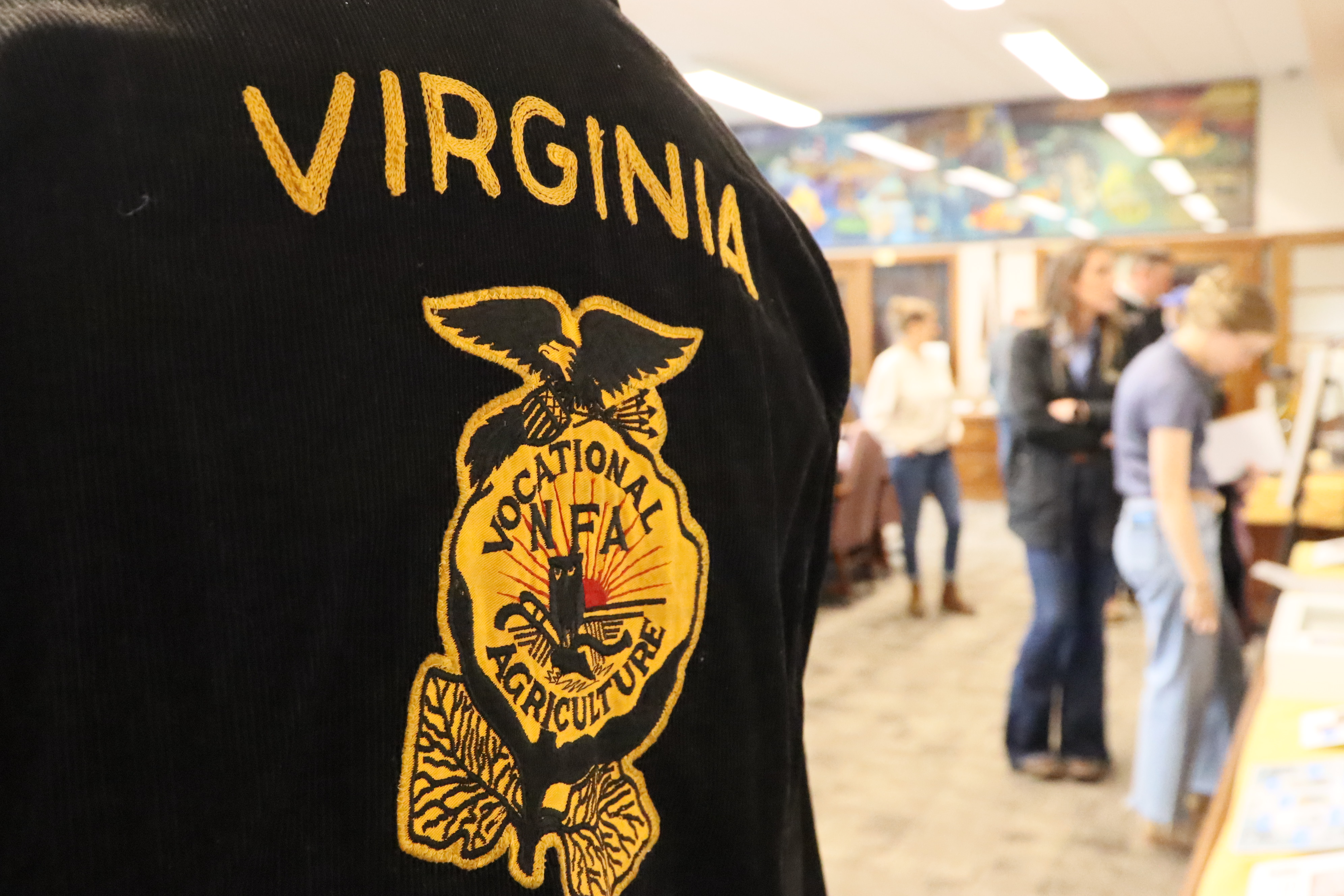
One moment that resonated deeply with me was learning about the role of the New Farmers of America (NFA), which merged with the FFA in 1965. With the Virginia FFA celebrating its 100th anniversary this year, seeing firsthand the NFA’s contributions to that legacy was incredibly meaningful.
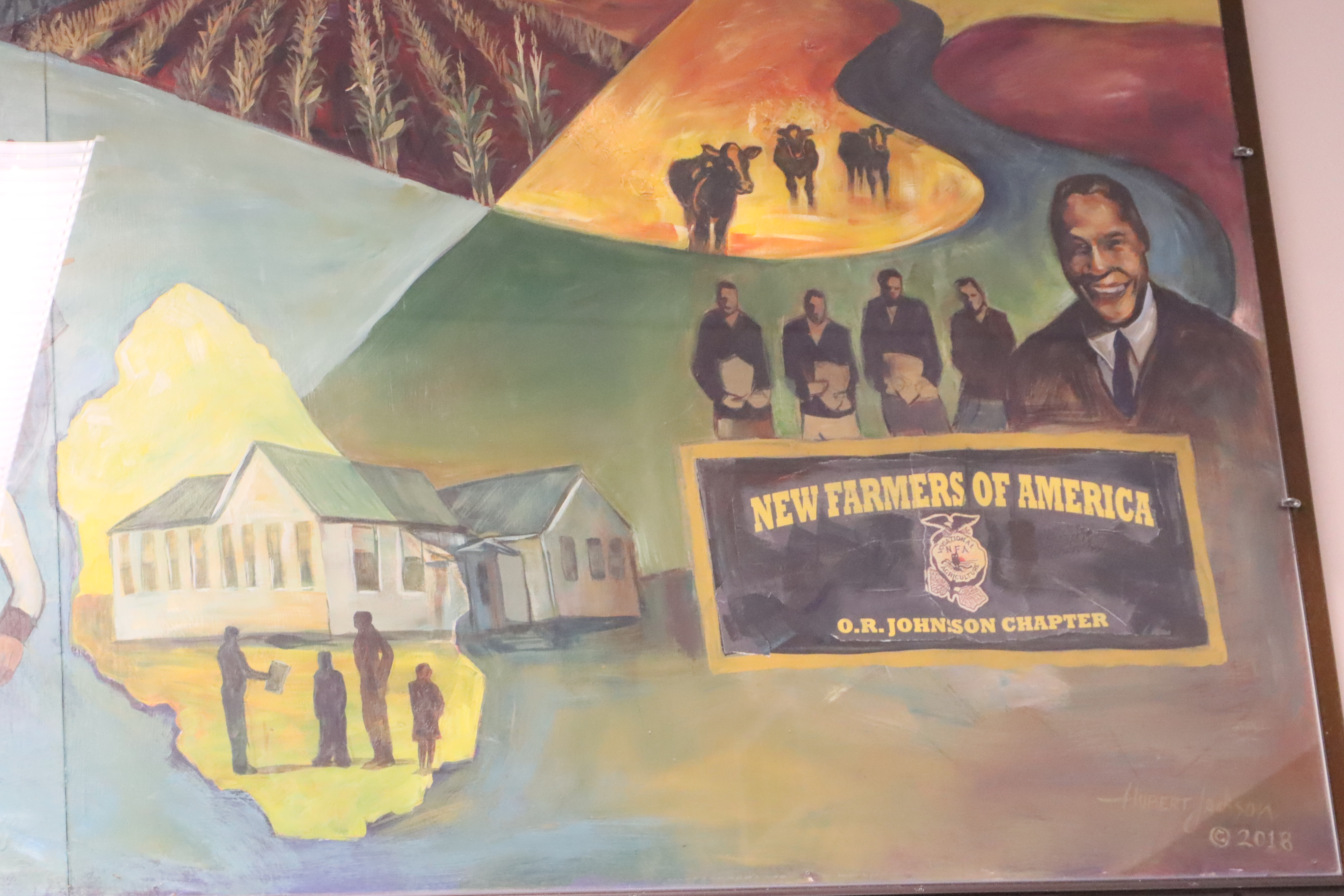
Viewing the jackets, studying the emblems, and hearing about the achievements of those students created a powerful emotional connection for me—both personally and professionally. It was a reminder that the roots of the organizations we value today were built through perseverance, inclusion, and growth.
Diversity can be understood in many ways—across industries, cultures, histories, and experiences. But one thing became clear throughout this session: without diversity, systems, economies, and communities struggle to thrive.
When we embrace diversity—whether in business models, agricultural practices, or human experiences—we create opportunities to grow, adapt, and innovate in ways we may never have imagined. This session didn’t just deepen my understanding of diversity—it broadened it. And for that, I am incredibly grateful.


