


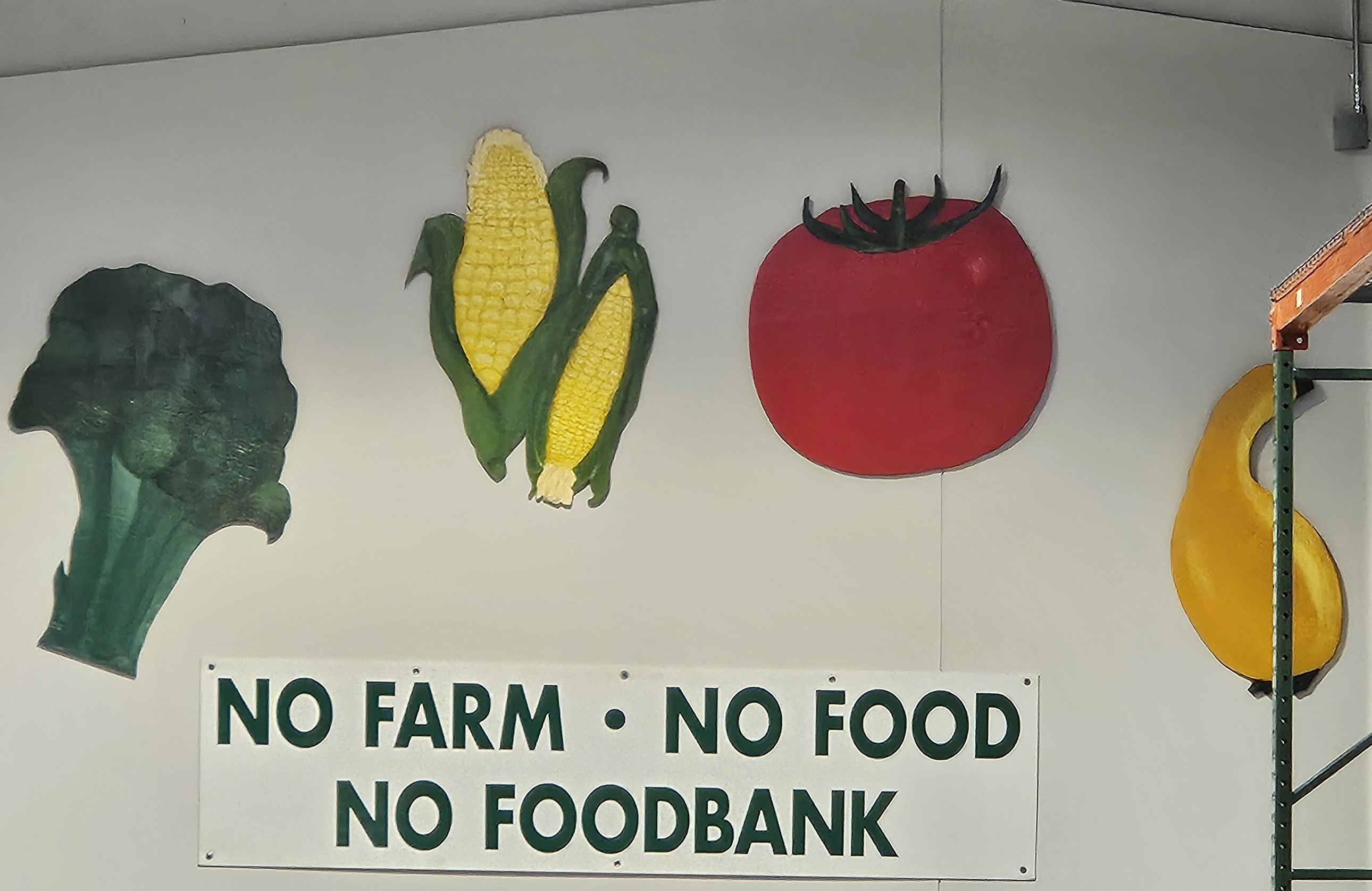
Before I started my current position, and really until this seminar, I was unfamiliar with the Northern Neck. Its name described a vague area and geographical outline, and I was unaware of the qualities that deemed it the Northern Neck region. On this seminar, I realized the quaint uniqueness of the coastal area wrapped by thousands of miles of shoreline, woven by history on the water and in agriculture. The Northern Neck was given this name, being the northernmost peninsula on Virginia’s coast and encompasses four counties. Heavily rural (and considered a food desert throughout many of its regions), this area faces challenges that we’ve seen in previous seminars including poverty and food insecurity. Our first stop was to Healthy Harvest, a regional food bank that began in 2008 with one pickup truck and today services 2.1 million meals a year, 36 pantries and 21 schools. For me, an important take away of Healthy Harvest was not just to serve the community, but to address their unique needs and requests (similar to what I have seen in successful extension programs) such as food backpacks for school-aged children during weekends, senior citizen allotments and pet food options. After listening to the community, they shifted from not just providing food, but providing the right, healthy options to combat diabetes and other health issues in the population. Healthy Harvest wanted to create long-term change. With that mindset, the organization now hosts the Farmacy program, a six-week course for individuals to learn to prepare fresh produce with hands-on cooking classes. And the results: noticeable drops in cholesterol (among other health indicators) and empowerment of community members with tools they can pass to the next generations. Another part of that program that I love is the involvement of local med tech and culinary arts students to not only provide their skills and expertise but create community.
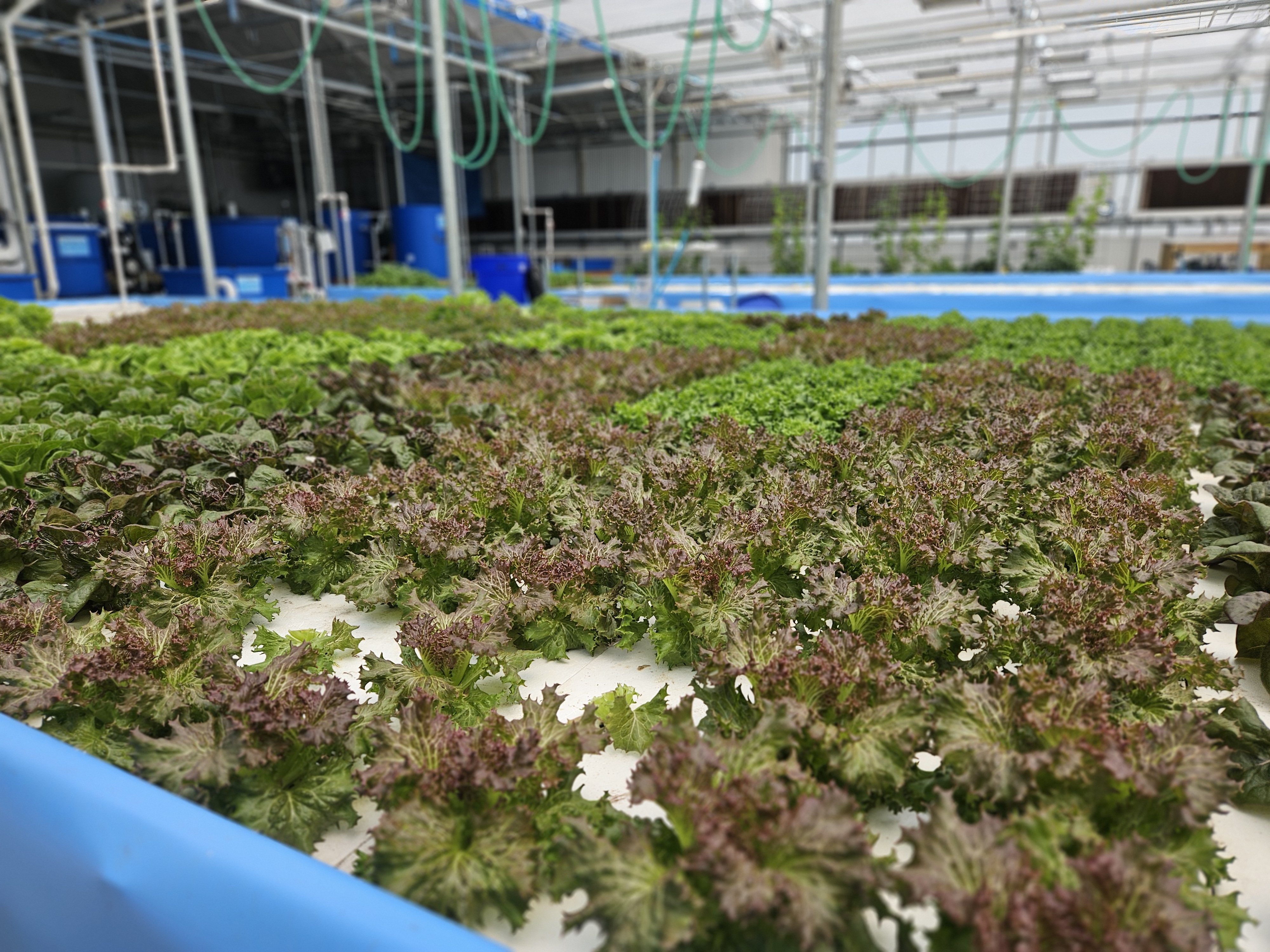
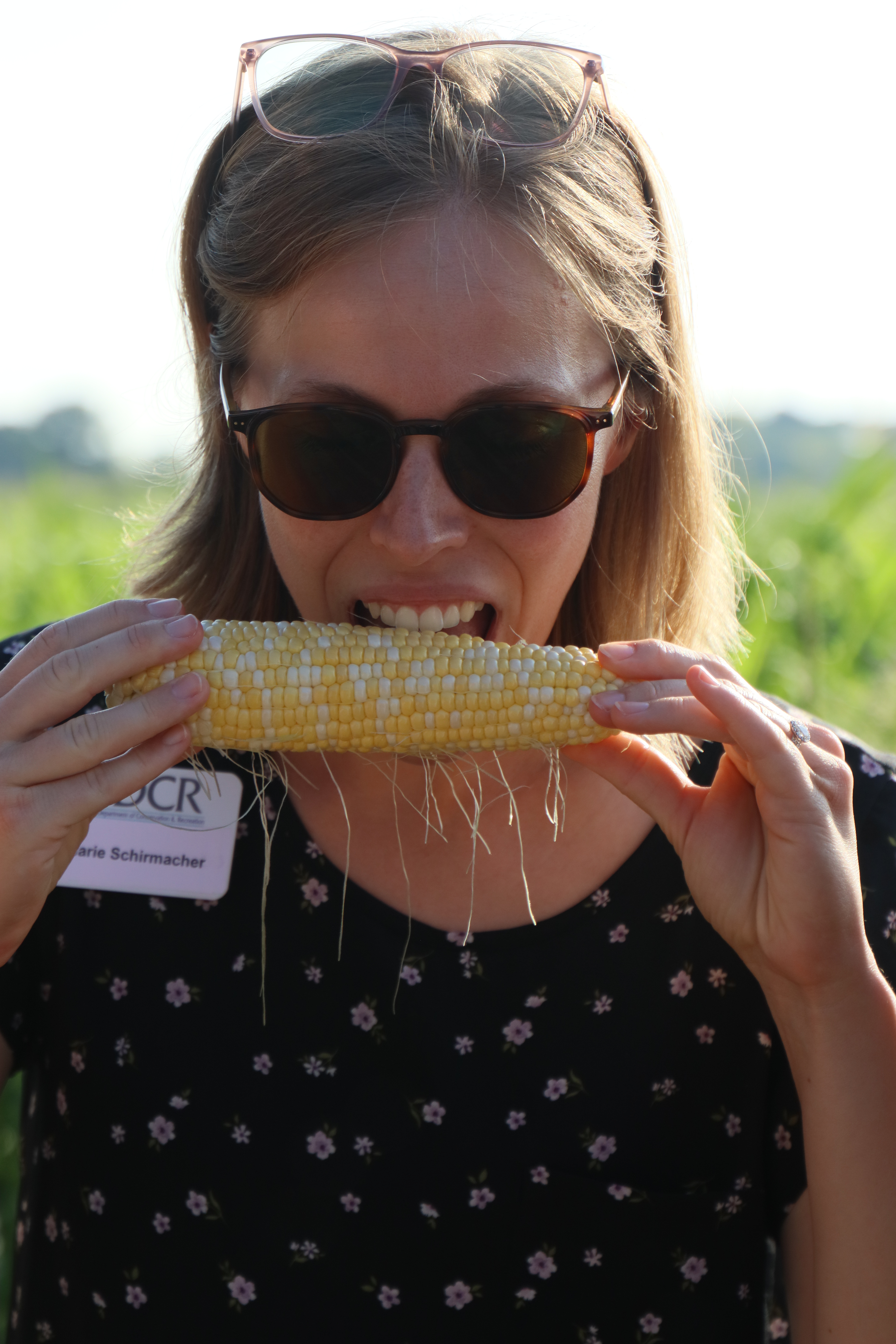
The Northern Neck has been insulated from much of the development seen in other areas of Virginia, and that has helped foster agriculture in the region. We spoke with Parker Farms, who moved down to the area from Maryland when urban sprawl was encroaching on their operation. The operation evolved from pick-your-own, fueled by a generation reliant on canning, to wholesale and a change of the whole business model. As with all past seminars, we touched on labor and how seasonal labor is valued in each stop we made. Our food supply would be unsustainable if it were not for an additional workforce, particularly at peak harvest seasons. We heard about the open communication fostered throughout from owners to clients to field workers, creating opportunities to modify day-to-day operations that meet employee needs and ideas. I really appreciated the commitment to listening to members of the organization, whether a seasonal worker in the field or the CEO in a board room, giving each person an opportunity to have a say and bring ideas to the table is a good quality in leadership. And, there is something about ending a beautiful summer day in a sweet corn field!
I remember writing my grad school application essay about the Chesapeake Bay and water quality. I connected this with my interest in water skiing and growing up at Pohick Bay, slowly watching the degradation of water conditions and witnessing algae blooms. In my current role, I orient myself to the Bay through water quality and its connection to agriculture practices. Yet, I never really looked at the Bay through the lens of aquaculture and watermen and women. Our first stop would be Omega Proteins, an international company focusing on nutrition, which starts with menhaden, a fish they harvest for omega-3 and protein extraction found in many of our, and our pet’s, products. They are one of the largest private employers on the Northern Neck and have seen regional consolidation of the industry as the next generation got away from fishing, leaving a smaller cohort of passionate fishermen today. With a larger industry presence comes pressure for best management practices and balancing public perspective of those fishing practices, something we also see in other facets of agriculture.
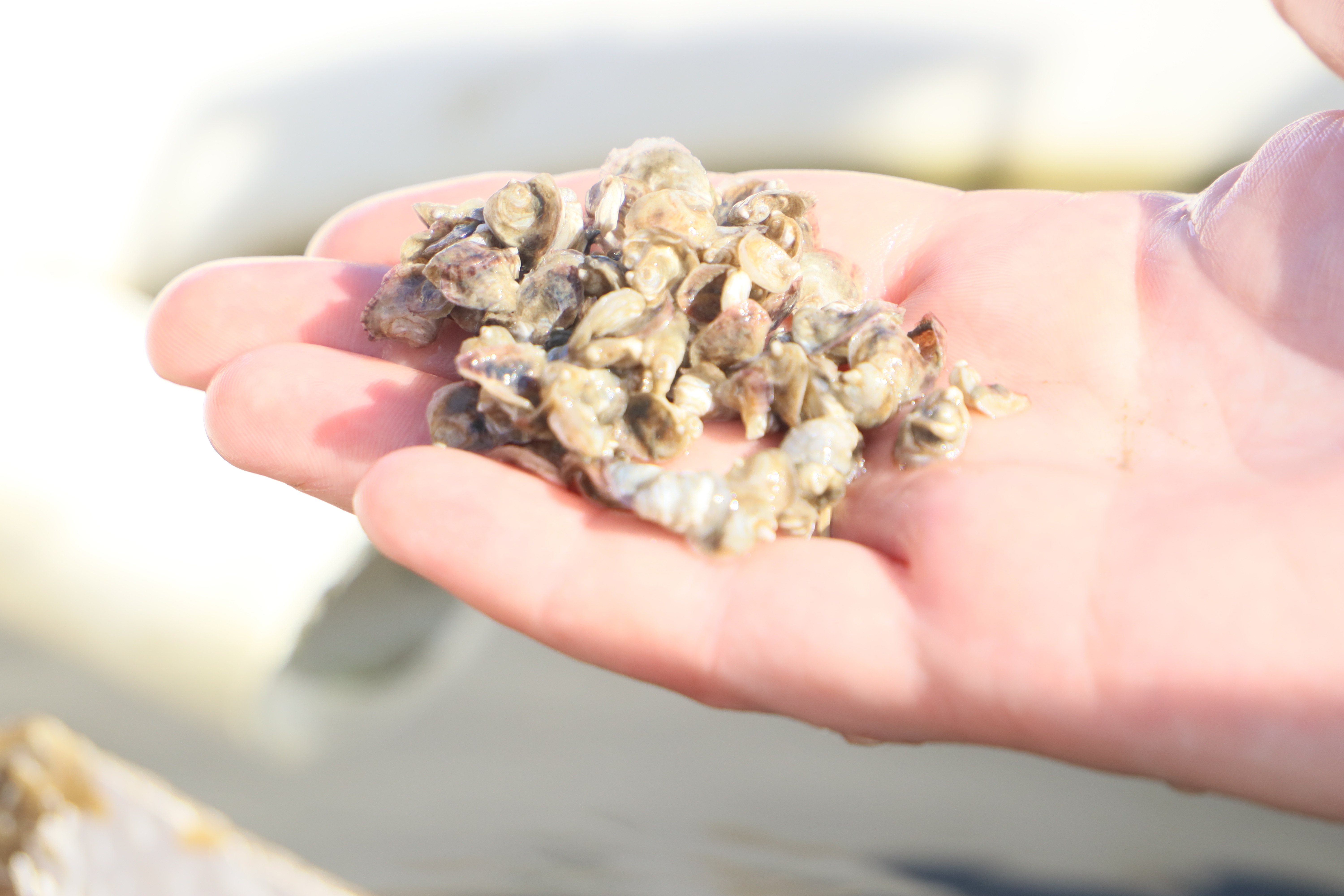
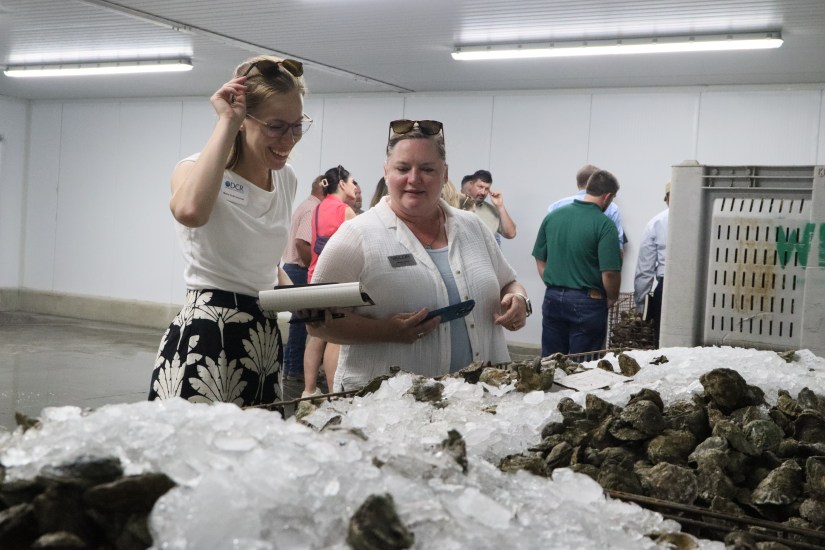
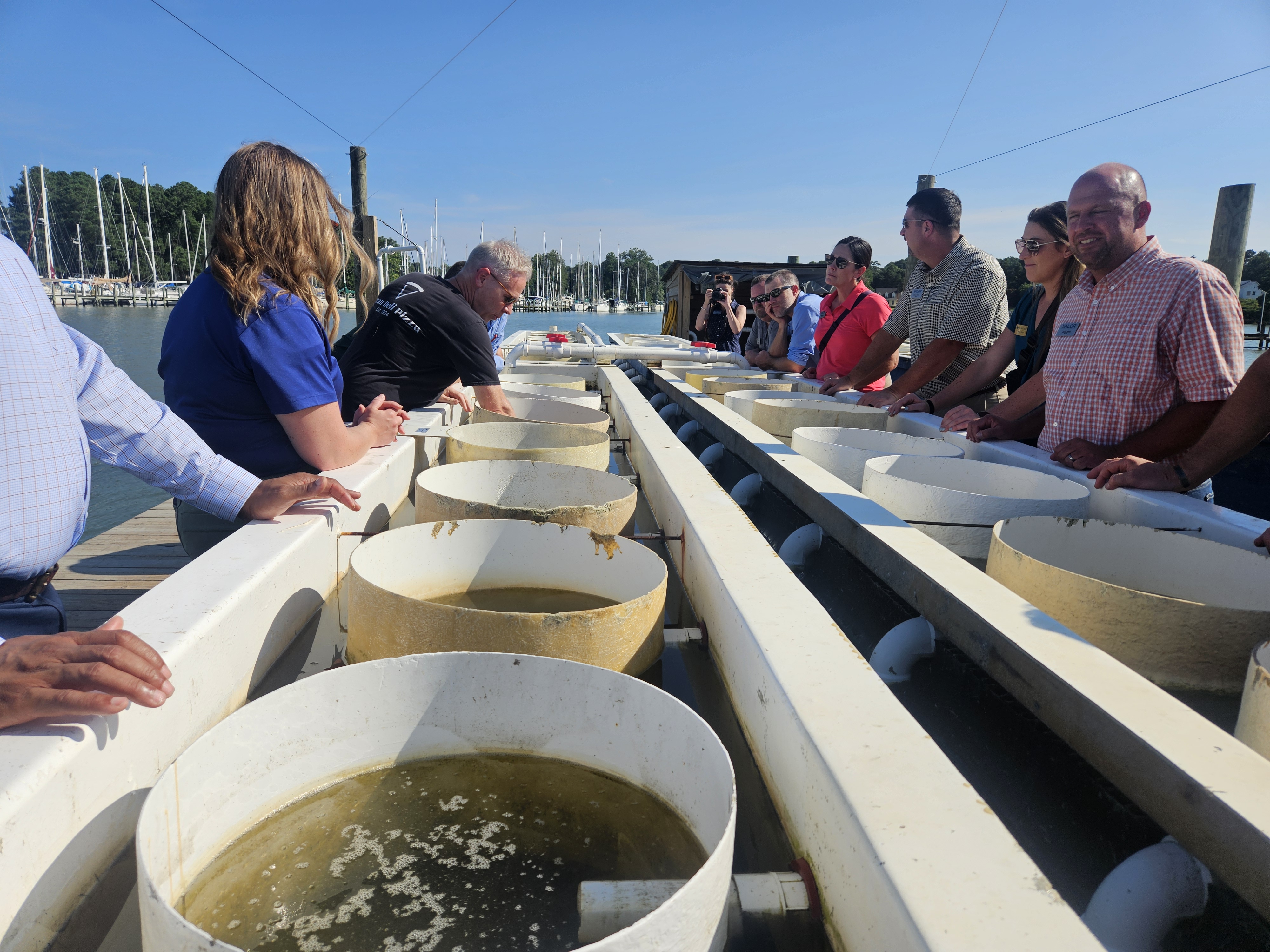
We continued our seminar meeting with new and multi-generation oyster farmers. We spoke with Kellum Seafood, established in 1948 and looking to the fourth generation to continue with the company. They are one of two or three remaining oyster houses on the Northern Neck and refer to themselves as a “natural resource-based business”; not only do they balance logistics and stringent food safety, but their business is also intrinsically impacted by marine resources and weather. In the 1890s, the Chesapeake Bay supplied half of the world’s oysters. The 1980s and 90s saw a rapid decrease in native oyster populations in the Bay, onset by overfishing and disease, which remained an issue until the early 2000s. Oddly enough, Hurricane Isabella reshaped the water conditions, reducing disease pressures and increasing populations. Now, climate change is shifting length and frequency of growth and spawning periods. Kellum Seafood is looking to the future in a few different ways: they strongly encourage and support younger generations to get involved in oyster farming (whether fostering leadership or lowering barriers to entry), they work with other organizations to create oyster reefs to replenish populations, termed “spat on a shell”, and collaborate with other local fishermen and women so all businesses can succeed.
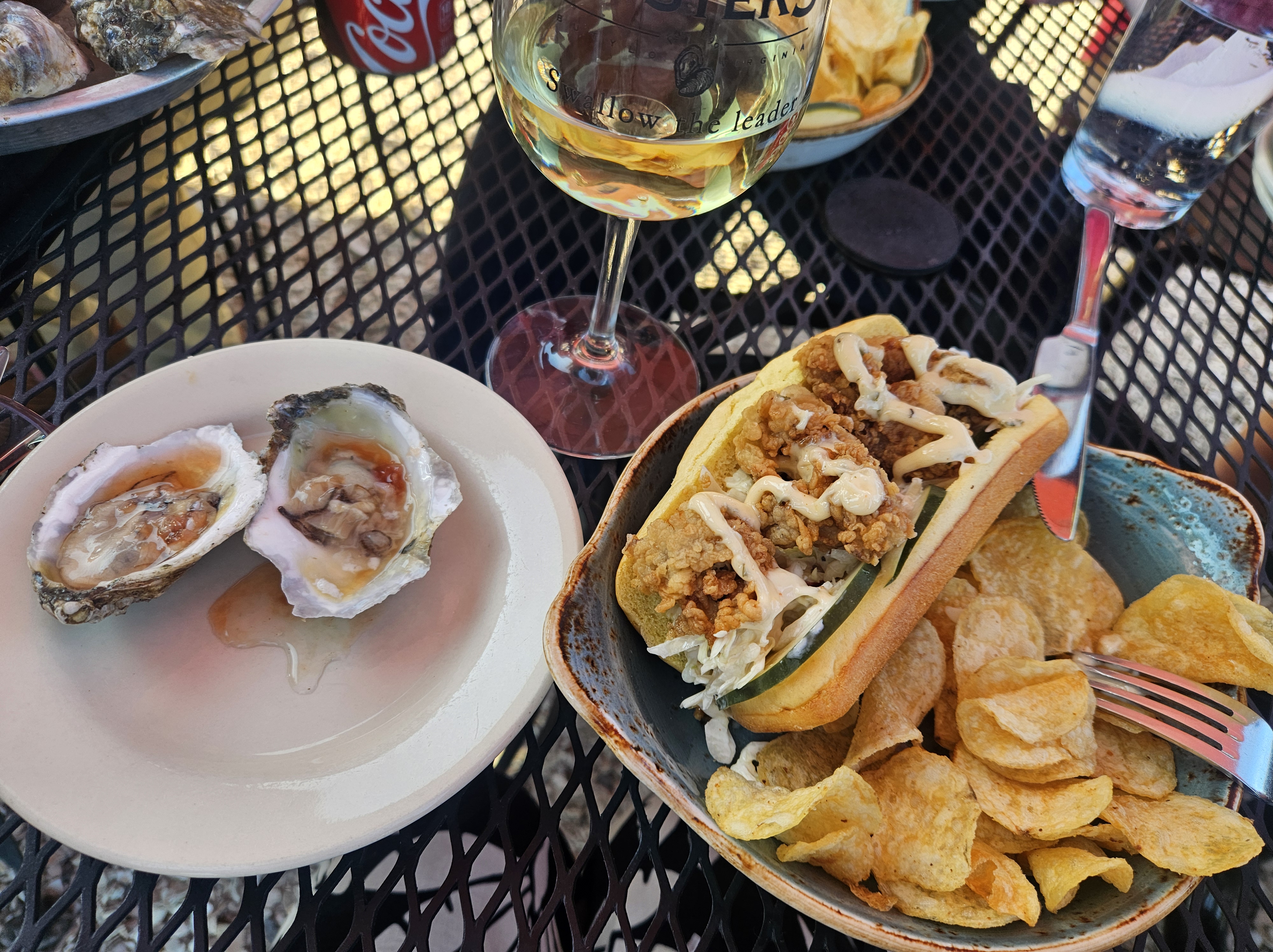
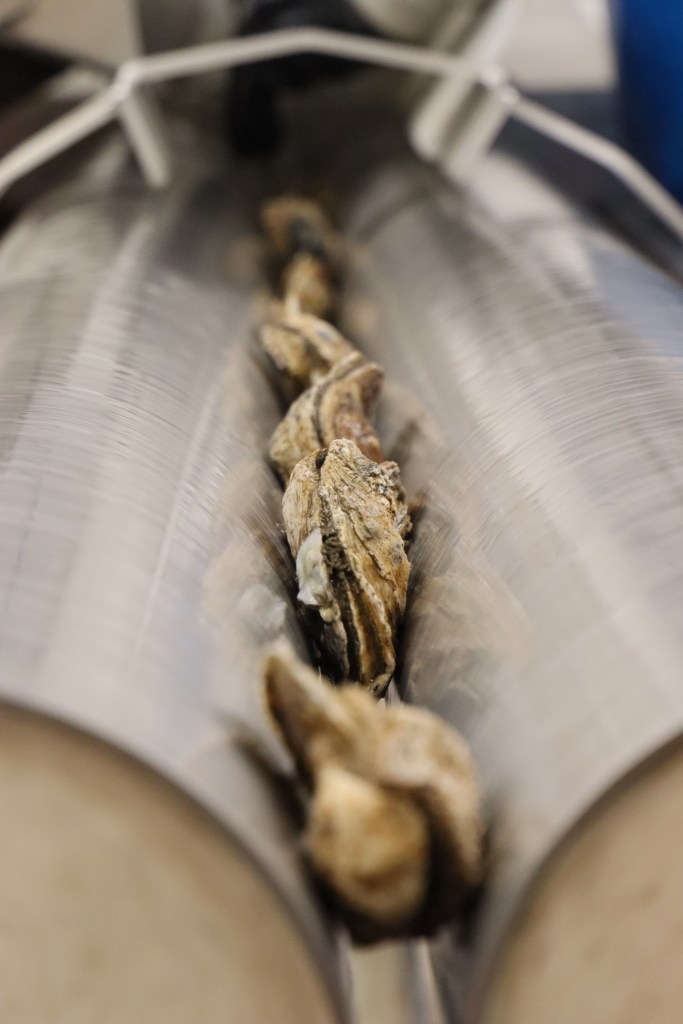
Will also never say no to a delicious (and environmental powerhouse) oyster.
As a comparison and contrast, we then met with Rappahannock Oyster, a group also in the oyster business but from the perspective of farm-raised oysters rather than wild caught. With an oyster license in the family for generations, Rappahannock Oyster re-established operations through intentional management practices (blending old and new), new technologies and a focus on flavor profiles among oysters. In contrast, farm-raised oysters are not beholden to the thresholds of harvest for wild-caught operations and can be more closely managed for size and growth. Though small, they are mighty and have been featured around the nation for their fine-tuned focus on flavor. A nod to that focus, the on-site restaurant we ate at that evening was called Merroir- a catchy name paying tribute to the elements of marine and terroir!
A moment that stuck with me from this day was speaking with Mr. Kellum who said he’s seen an improvement in the water, especially on the agricultural side. Sometimes in my field of work, we can look at the data and numbers telling us how far we’ve come, but when you hear it from people who rely on healthy waterways for their livelihood, it really is a full-circle moment. What we do really makes a difference at the end of the day (end of the Bay!). And what the seafood industry does- stressed by both groups we met with- makes a difference at the end of the day: oysters filter roughly 50 gallons of water a day, playing an indispensable role in water quality. Our conversations throughout touched on sustainability and its critical role in the livelihood of the industry. Oysters, fish and crabs have all suffered population declines in the past due to overfishing, diseases, and changing growing conditions. It is easy to think that if we can’t see something directly impacting us and what we do, there is no need to change our habits. Yet, we met with companies who understand what they harvest has an additive effect on Bay quality and seafood populations. We heard firsthand that what farmers in the Valley do on their land will inevitably have a positive or negative effect on the water these fishermen rely on for their harvests. Having the leadership to open your company and business to collaboration and recognizing best management and fishing practices for the good of everyone was a theme discussed throughout the day.
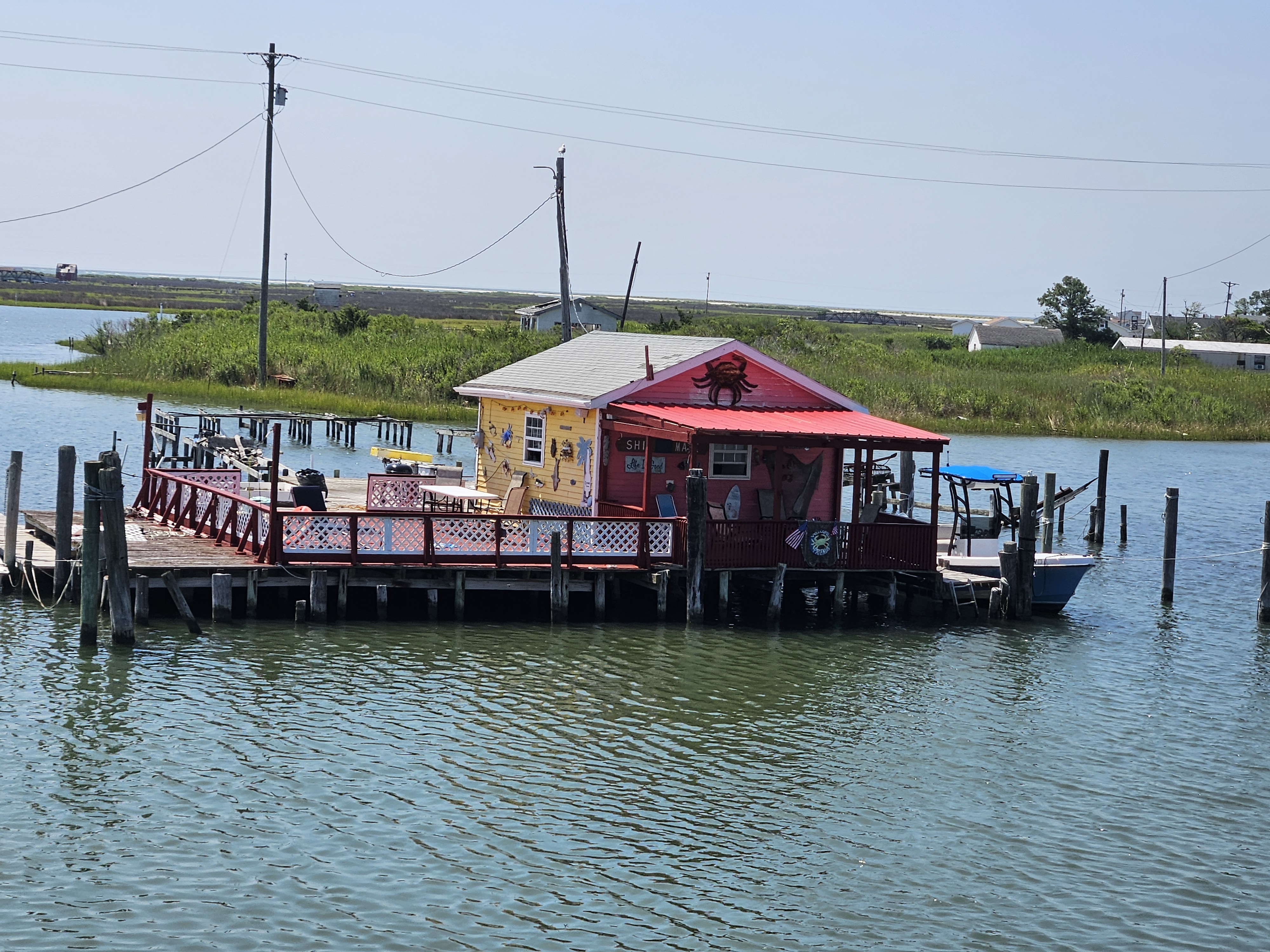
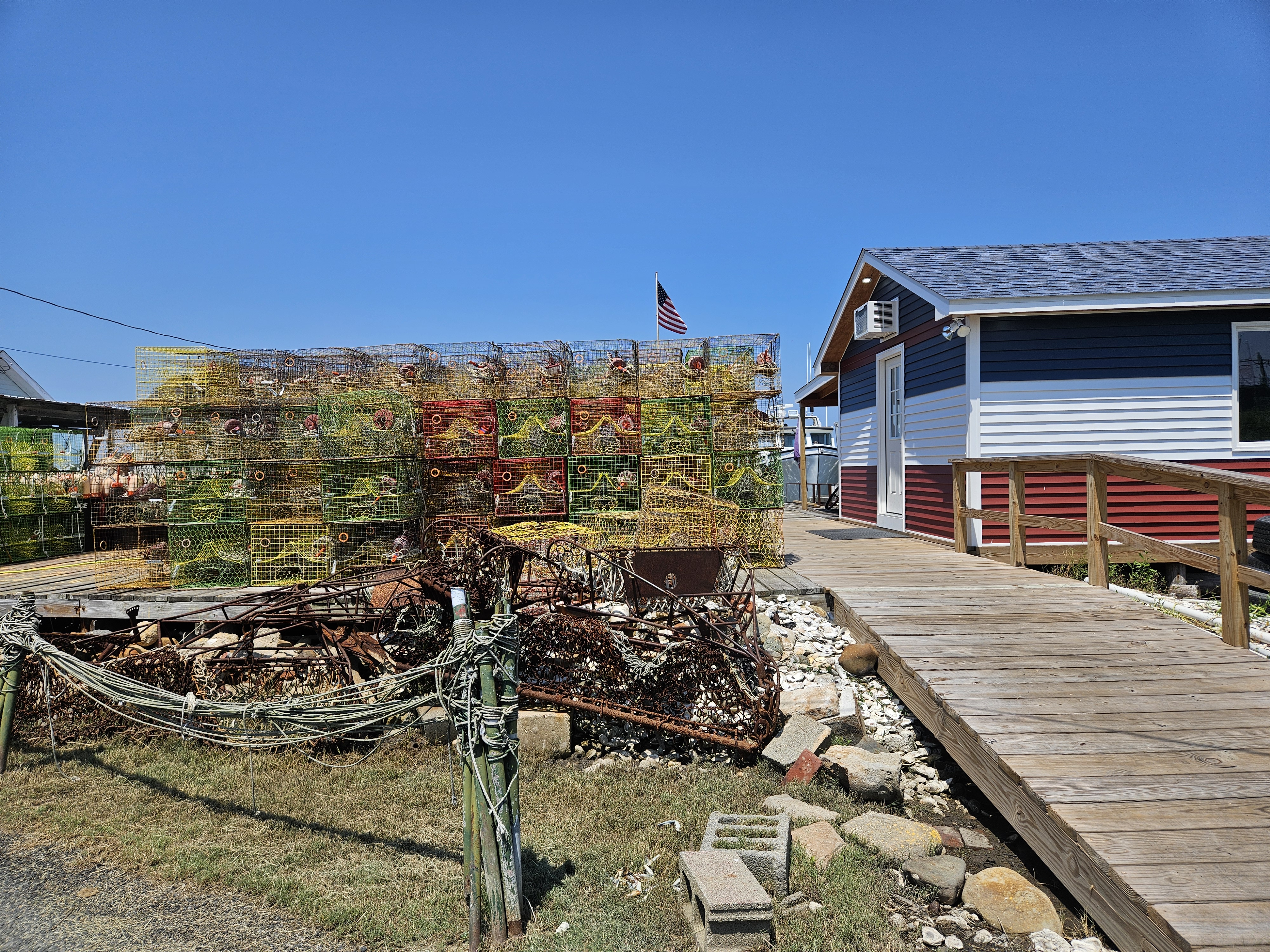
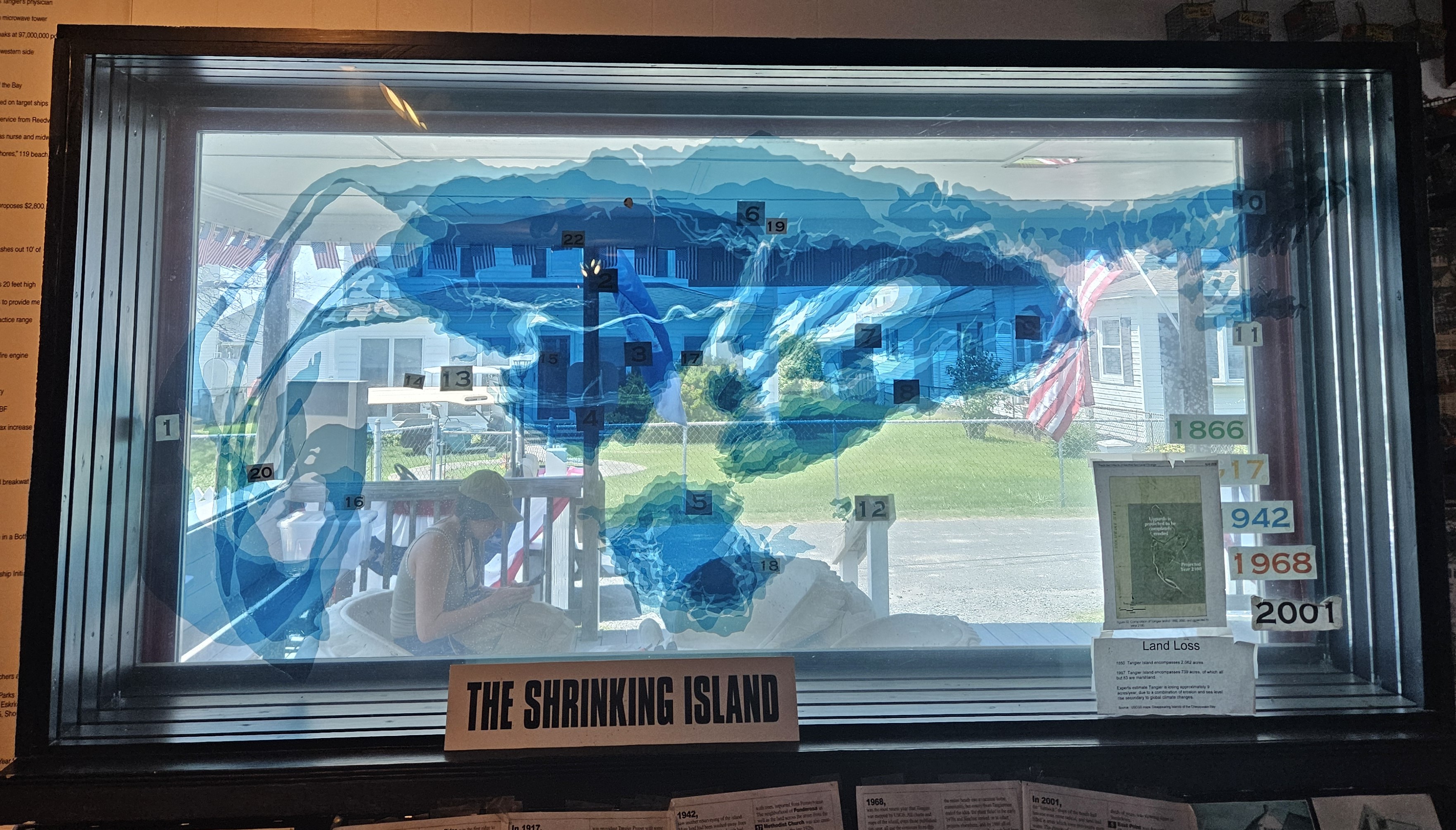
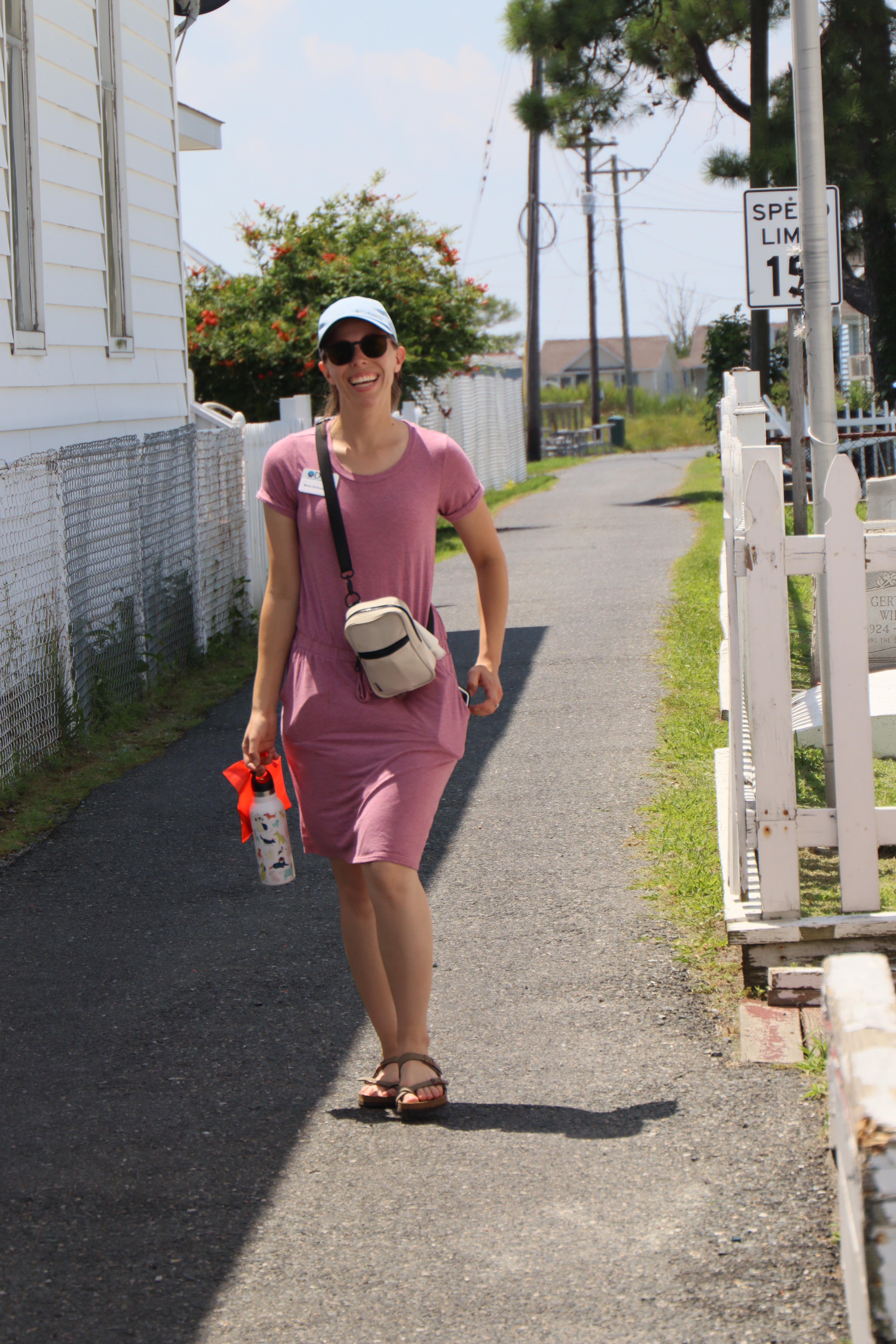
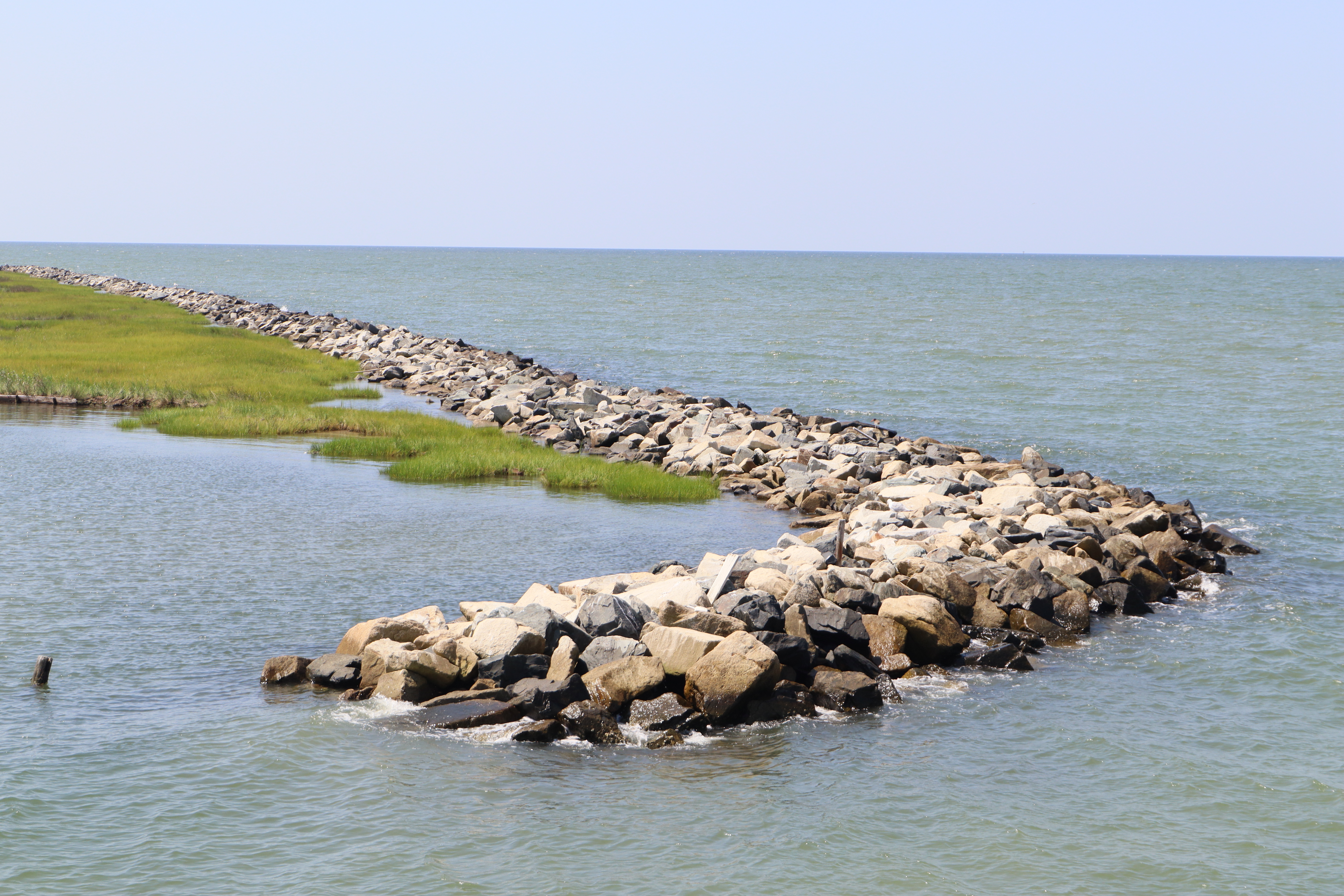
The next day we took the only ferry out to visit Tangier Island, a mass of land less than one square mile nestled between Virginia’s mainland coast and the Eastern Shore bayside, with a population of roughly 450 people. The island was settled in the 1600s and generations of families have called it home since, so much so that some current residents maintain the Cornish accent of their ancestors. The island community thrived as watermen and still do, although challenges of land erosion, sea level rise and harvest limits have threatened their traditional way of life. This community may be the first in the nation to migrate due directly to climate change. As the ferry slowed to the dock, I immediately took in my surroundings and noted a break in the way locals acknowledged our presence: we were greeted warmly by tour guides on gulf carts and within the same visit understood that some locals did not welcome visitors to their community. On our walk around, I noticed the small graveyards with a handful of surnames, the uniquely decorated crab shanties, the sparse number of stores and restaurants, and above all the pride the community has. The museum we visited on the island gave context to this complex relationship with tourism and the mainland. For many years the islanders were self-sufficient and proud of the work and way of life they built. As their island disappears, there is a sense that their way of life is being taken away and that the mainland does not care. It’s a fine balance of preserving a way of life and tradition while also meeting the modern challenges with new solutions (i.e. tourism) without those very solutions overhauling the established lifestyle and culture. I thought this similar to what we see in rural communities on the mainland: pressures from development, data centers, solar projects and the loss of multi-generation farms in the process. To be the last of your namesake tending the land of your ancestors is probably similar to considering you may be the last waterman in your family to live on Tangier. Funding has been allocated and made available for resilience projects. Is it too late? Can the island resist this change, or can they find a way to adjust and meet change while fostering their unique way of life?
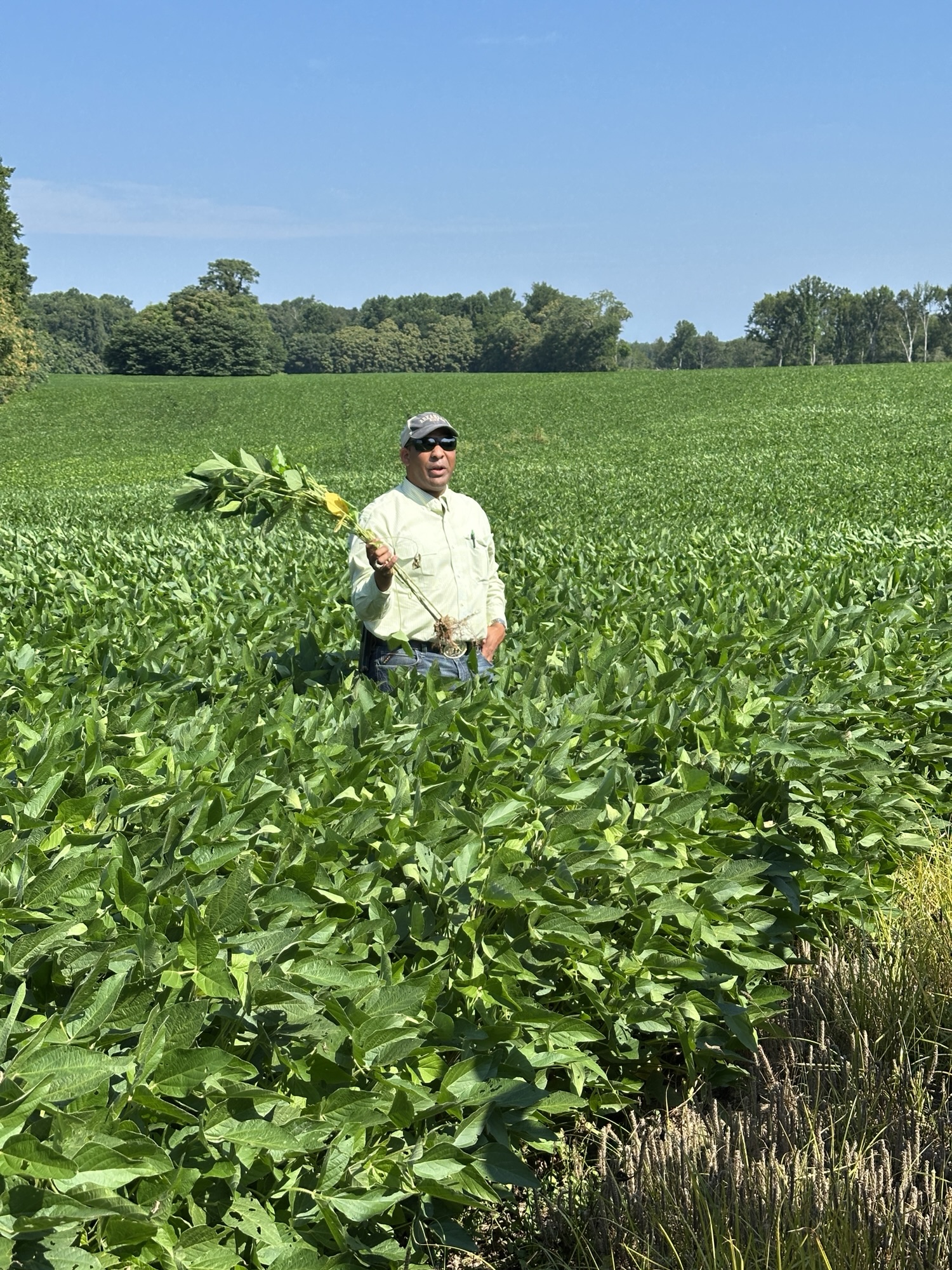
On the final day of our seminar, we visited Haynie Family Farms and met with Mr. Haynie and P.J. Haynie, fourth and fifth-generation farmers, to talk about their operation and lessons learned in agriculture. Their 5,000-acre operation spans the four counties across the Northern Neck and focuses on row cropping. P.J. discussed changes to the farm and diversifying the operation by integrating new technologies, supplementing labor with guest workers, trucking operations, and now being involved in rice production down in the Mississippi Delta. They also shared with us their personal challenges faced in agriculture and how they overcame adversity to keep doing what they love: farming and sharing that passion with others. P.J. found his way to rice farm and the Delta by way of the National Black Growers Council, a nonprofit bringing together producers from around the country to share ideas and visit various operations. He capitalized on the use of his equipment during the winter, and it led him to planting rice in the and eventually owning a rice mill in the South-Central state of Arkansas. We had a meaningful discussion around the state of farming and engaging the next generation to be active in agriculture, where it is essential to expose younger people to the technological advancements in the industry and highlight attractive opportunities they can take advantage of. We also spoke about the diversity in agriculture and need for inclusivity in our food systems. For perspective and something I did not realize: in the 1920s there were over 1 million black farmers working 16 million acres of land, where today there are less than 5,000 black farmers owning less than 1 million acres in the US. From heirs property, to economics and guest labor, our conversation touched on many meaningful and imperative topics at the forefront of farming. I recommend reading Bryan’s insightful write-up about our visit!
Our reflection assignment for this seminar was to consider how groups meet change and how to effectively create long-lasting change. For this, we dove into John Kotter’s Our Iceberg is Melting. A team of multiple perspectives, strengths and approaches can set the track and pace, but it all starts with someone speaking up about an issue and at least one other person listening with intention. It takes courage, there will likely be resistance and skepticism. As mentioned in the book on page 64, if you’ve lived one way for so long, it can be difficult to imagine a whole new way of life. It made me think of the old “if it ain’t broke (for now!) don’t fix it”. At the same time, there will be others who may have had the same concern and were too nervous to speak up. In the book, there was a part stating that it is okay to not have the solution when you notice the problem and that resonated with me; as a perfectionist I sometimes feel like I have to have all the answers but must remember that is when I can lean into a team and brainstorm. And if you’re not a “leader”? You may be a member with facts and expertise, a member who others can go to for reassurance in the midst of change, you may be the member who energizes others to stay focused and motivated. The authors touch on the eight steps for successful change, the final step being to create a new culture. Page 116 states that tradition dies a hard death and culture changes with as much difficulty. However, it is often seen that once change is accepted, members of the community are not afraid of change and can start to identify themselves as change agents, bringing new ideas forward and establishing new ways of life, work, thinking, etc. based on what they learned. I did like that the book mentioned there is a healthy balance in having creators of change and members who may seek to keep things in order and that you need both groups to thrive in eras of change. Our group identified a few examples of this process in our lives and had a productive discussion.
This seminar highlighted adaptability and perseverance in the midst of change.

 valeadersor.com