


The Oxford Dictionary defines sustainability in two ways: the ability to continue over time, and the ability to cause little or no environmental damage—thus enabling long-term continuation. Class VII’s regional US trip was a resounding example of these two definitions. After spending six days on the road—starting in Winchester, traveling through the Finger Lakes Region of NY, into Ottawa, west to Niagara, and then back to Virginia—sustainability emerged as the resounding theme for me.

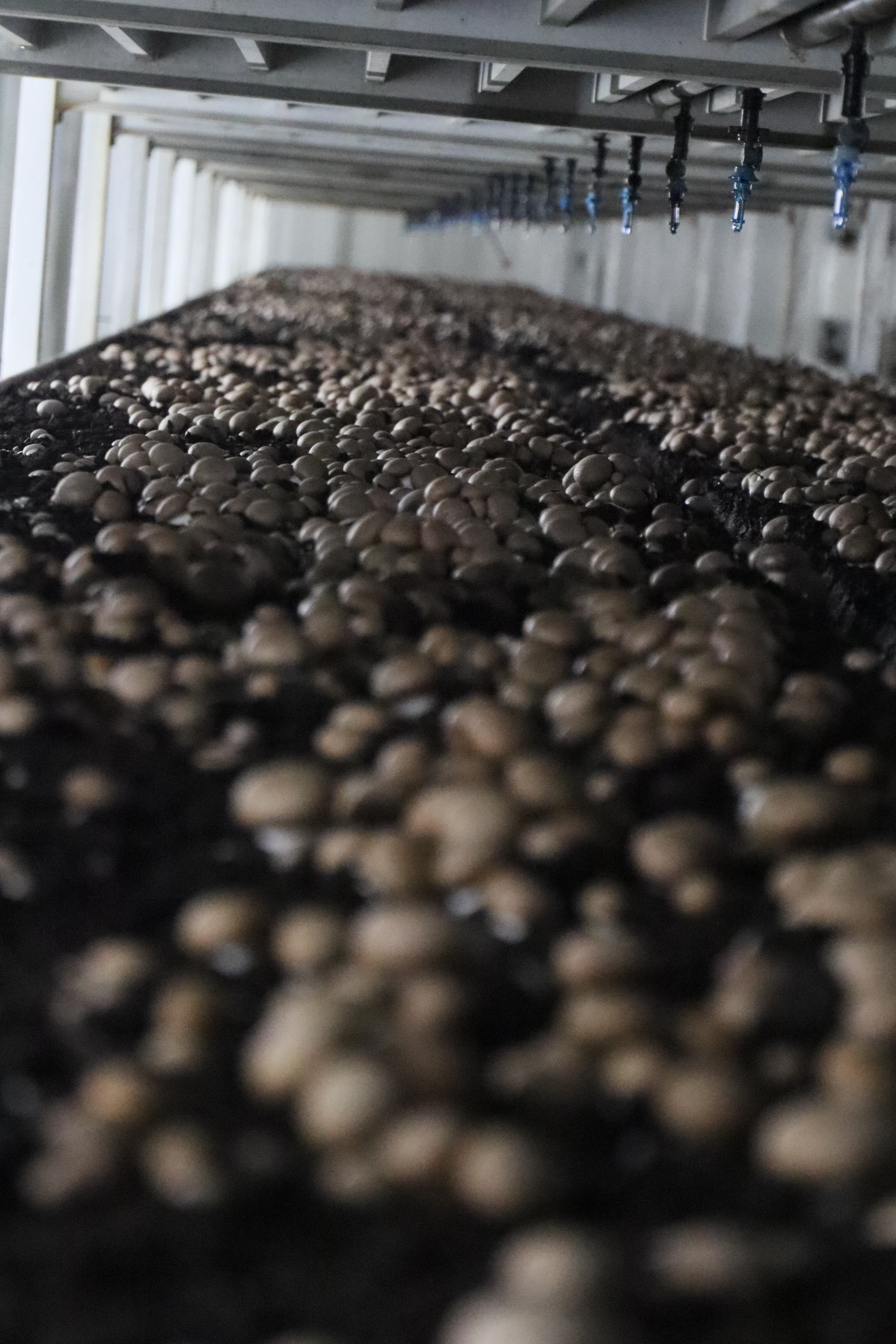
First let me start with a subject that is very near and dear to me, generational family farms. These families and their operations epitomize sustainability, embodying both definitions. Generational farming would cease to exist, if not for the family’s commitment to the land. Visiting farms like West Oak Farm, Hemdale Farms, and even Carleton Mushroom Farm, the commitment to the environmental sustainability of each operation was evident. These farms were focused on maintaining the partnership with Mother Nature in an effort to continue production for generations.

Additionally, these 3 operations described multiple decisions in their histories that expanded, improved, or solidified their future successes. West Oak Farm started a Farm Market, in an effort to market their own produce and beef. They were also able to include other local production agriculture. Hemdale Farms “jumped off the cliff” with robotic milkers and took their production from 100 cows to, an astonishing, 2400 cows within the next 6 months. Carleton Mushroom Farm developed their own proprietary compost and even made the decision to expand the operation to producing this compost themselves. These decisions were risky, innovative, and sustainable. Each of these farms were looking to ensure the future of their business by securing present opportunities.
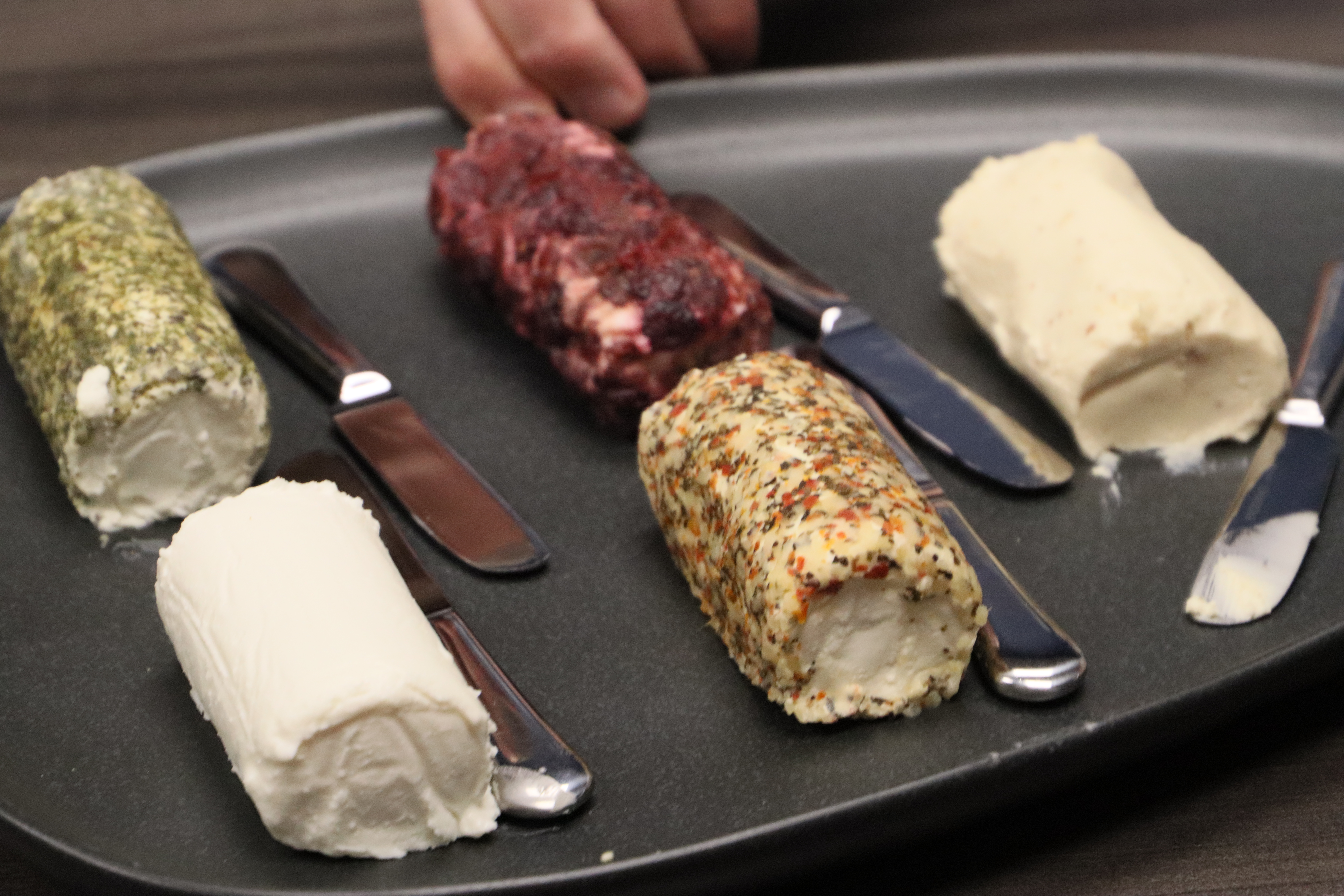
Our visits to two dairy production facilities highlighted how expansion decisions are often driven by the goal of long-term sustainability. Cayuga Milk Ingredients, a cow milk processor, and Mariposa Dairy, a goat milk processor, explained their decisions to greatly expand production to solidify their success into the future. Both facilities were able to build, add on, and diversify with major capital investments. This diversification allows both companies to sustain long-term business. In the case of Mariposa, these expansions have made them the leading manufacturer of goat cheese in Canada and the US.
Sustainability was even the theme at our larger, more corporate stops, Wegman’s Organic Farm, Wegman’s Grocery, and Vineland Growers Co-Operative. Whether we were examining the use of CEA (controlled environment agriculture), using cardboard as a carbon source in compost, or the use of heritage grains in the bakery, Wegman’s Organic Farm and the grocery stores are committed to sustainability and longevity. Vineland has demonstrated their passion for sustainability since 1913, working with growers, distributors, and stores to provide fruits to Canada and the Northeastern US. Vineland works to maintain those relationships, while continuing the efforts to modernize production and produce fruit with less environmental stresses and more efficiencies.
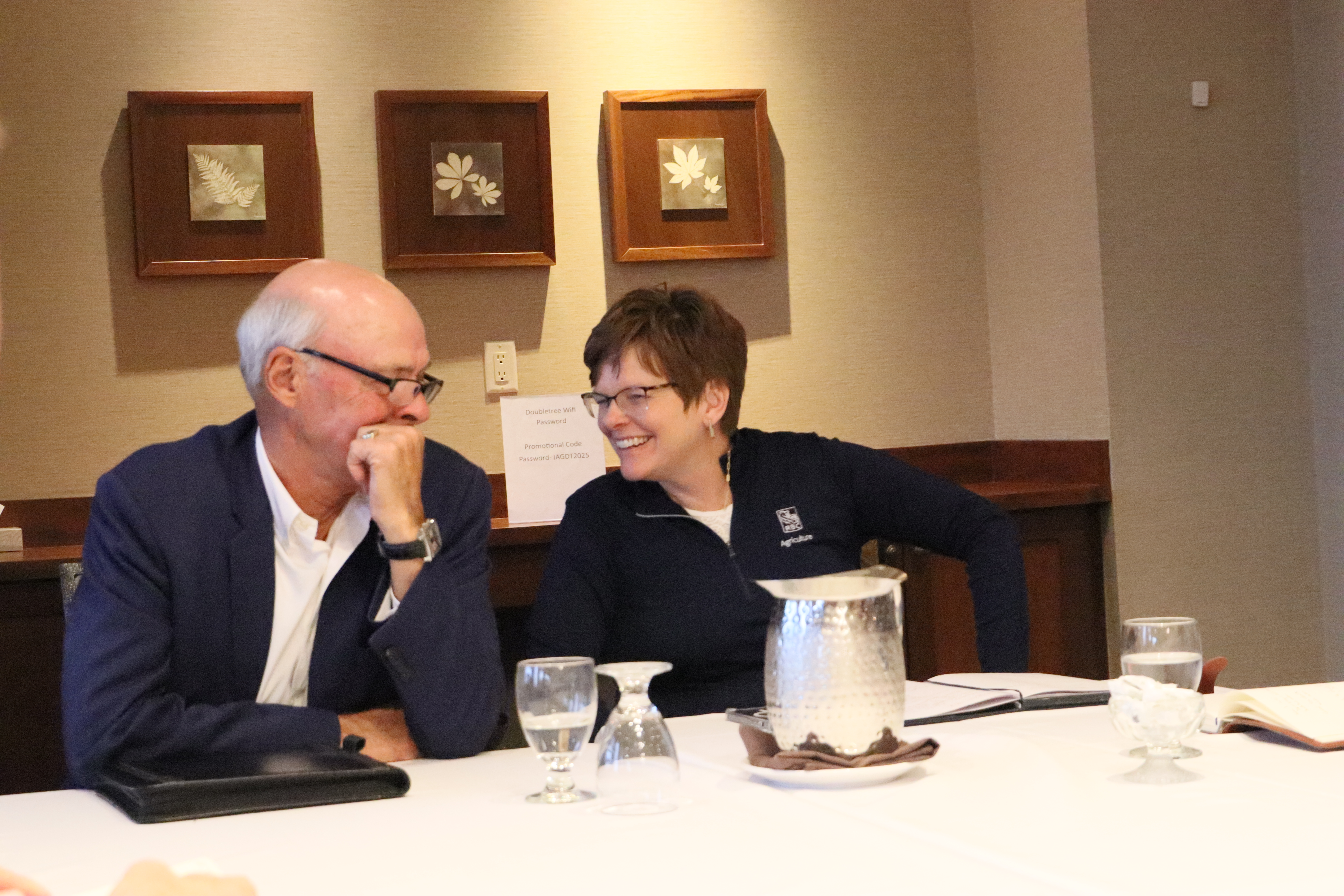
Finally, and to me the most surprising, was our visits with more legislative folks in Canada. Hearing about the banking side of agriculture and the farm lobbying process, it was clear that sustainability remained at the forefront. After discussions with Lorna McKercher, National Director of Agriculture from the RBC Royal Bank and Ken Forth from FARMS, agricultural labor, we could see the stressors in the Ag sector were very similar from the US to Canada. Lorna and Ken were both adamant about sustainable practices from the ground level in order to keep agriculture thriving. Lorna, not only gave us the financial perspective on hot topic issues, such as production quotas, alternative energy, and land values, she also discussed the lending landscape in Canada. Ken gave us insights on the visitor work programs, best management practices, and farm size comparisons to help us understand the production side of lobbying.
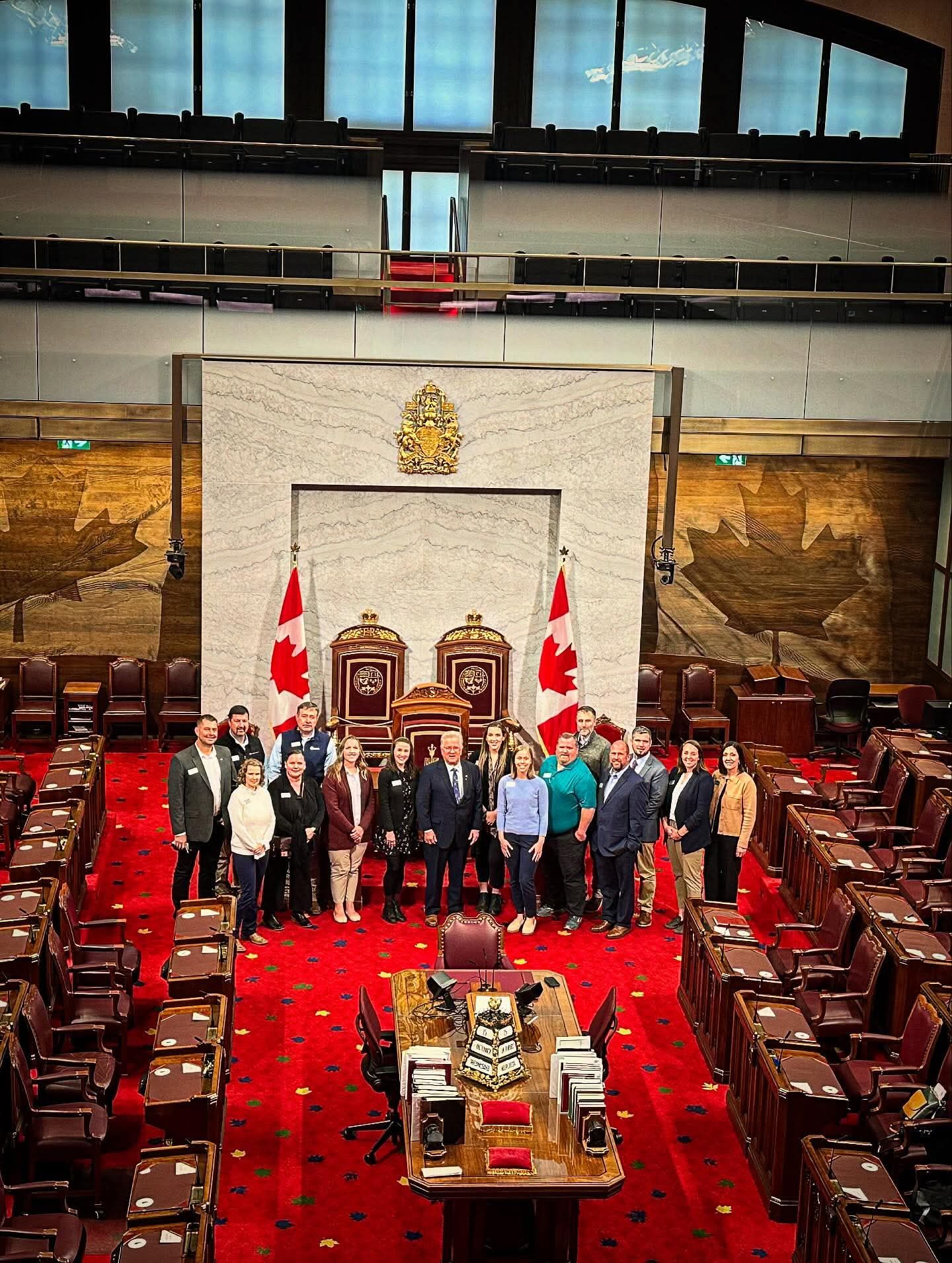
With all of those amazing visits and guests, the most impactful experience for me was our time with Senator Rob Black of Canadian Senate. His tour of Senate and a behind the scenes look into Canadian Parliament was wonderful. The opportunity to visit another country’s Senate and be asked to take a seat in Senate chairs and have a roundtable discussion in the Agricultural Committee room was extremely overwhelming for me. However, the culmination of the trip was to hear Sen. Black discussing his history with 4-H Canada and how that lead to him ultimately getting his seat in the Senate.

I am someone who advocates for FFA and 4-H on a regular basis. Sen. Black told us that the Prime Minister instructed him, on his appointment date, to “Bring his 4-H background to the capital”. This comment gave me hope for the future of agriculture. To know and understand that someone in that position of power was able to identify the importance of youth programs in agriculture, I was filled with pride and enthusiasm to continue pushing the issues in the US.
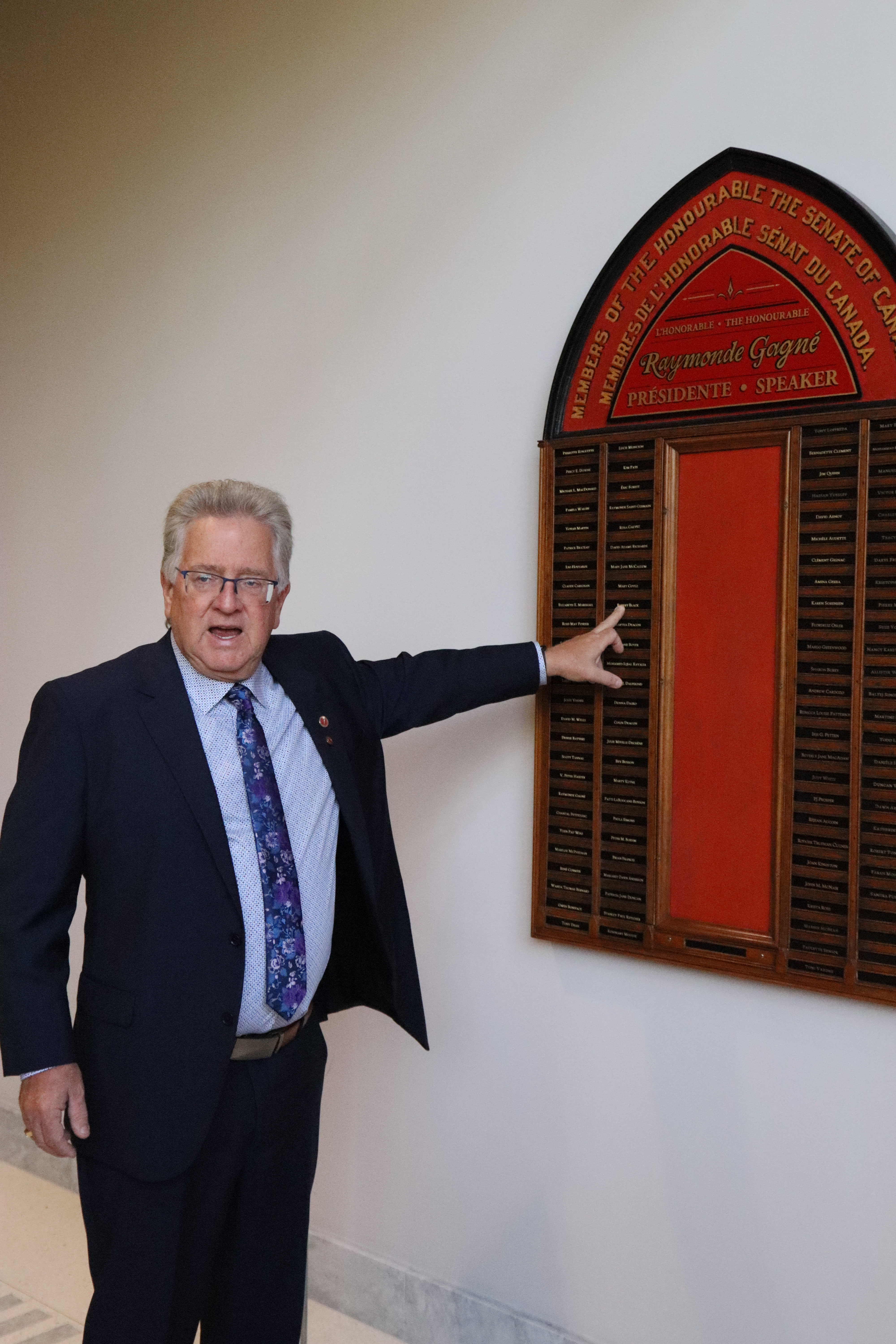
Sen. Black also renewed my hope in the power of political advocacy. Upon Sen. Black’s appointment to Senate, agriculture was discussed 2-3 times per annual session, according to his first few years. With his appointment and some other Senators now having agriculture backgrounds, the subject is broached on a 4-5 times per week scale. This type of systematic change in rhetoric is what is needed to keep our industry sustainable. Without the visibility and advocacy of our governments, agriculture and the agricultural way of life will cease to exist.
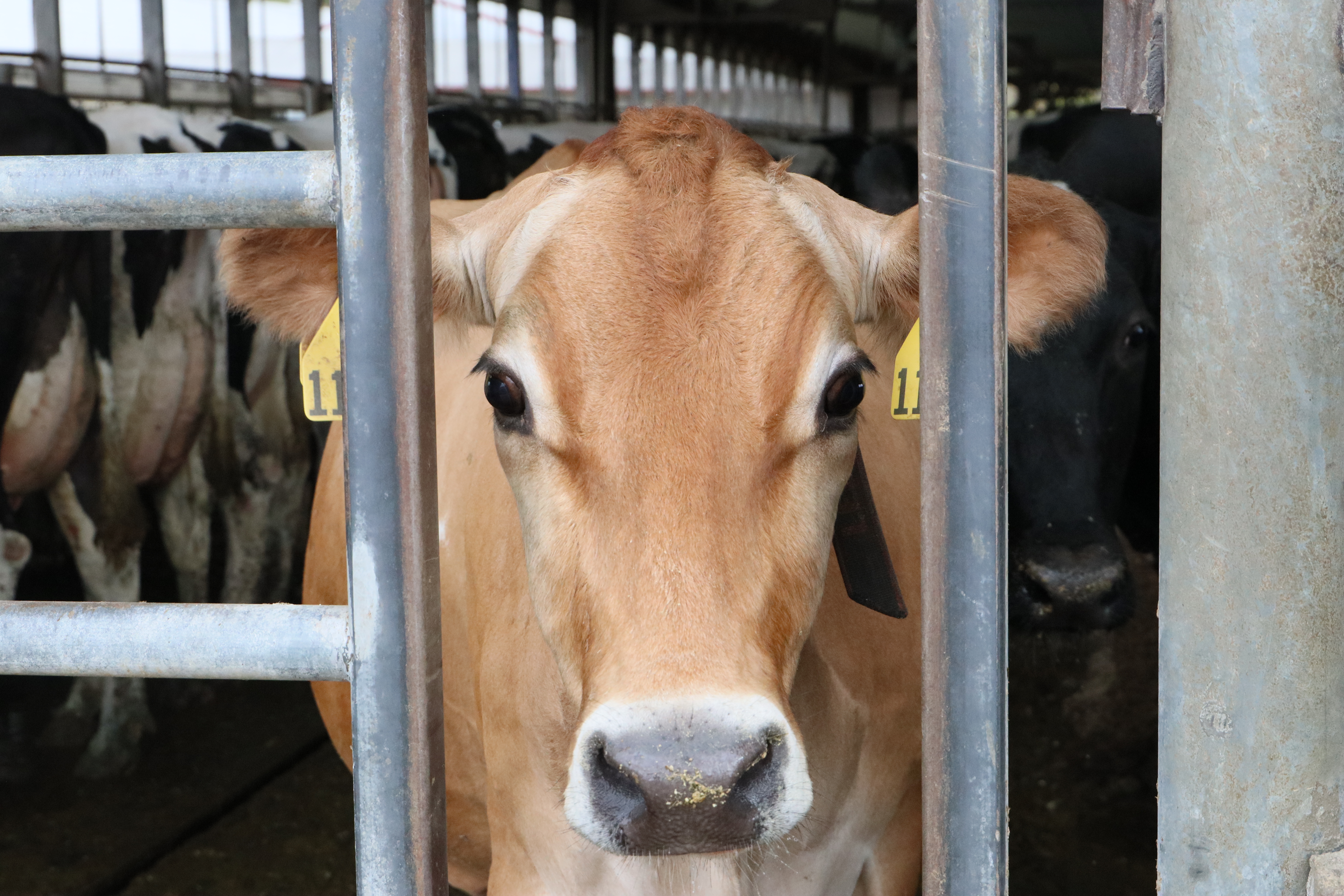
To sign off this post, I am reminded of one of the lines in the FFA opening ceremony, “Without labor, neither knowledge nor wisdom can accomplish much.” Sustainability isn’t easy, from either of the definitions. However, to make our industry survive, both from long-term and from environmental standpoints, we must be willing to put in the work. If not, who will take care of cows like this in the future?

 valeadersor.com
Great write up, Todd! Well said: Without the visibility and advocacy of our governments, agriculture and the agricultural way of life will cease to exist.