


It was a bittersweet feeling when our group gathered for the first to last time in Central Virginia in May. We had spent the last 21 months visiting with some of the most outstanding and unique farming operations and support groups, hearing about their philosophies and best practices. Amongst all the variety of visits, tours, and one-on-one conversations my one number one takeaway was that even through all of the diversity that Virginia Agriculture offers across our great commonwealth, the one consistency is that our industry takes great pride in the product of their toil, whether that is peanuts, corn, squash, dairy, tobacco, micro-greens, or wine.
Now that we have the corny review out of the way for our time together over the past almost two years, I have just begun to process the multitude of experiences we’ve had the opportunity to participate in during our time together. I’ll be forever grateful to be associated with each of my Class VI fellows and the VALOR program.
Central Virginia provided me the opportunity to draw some comparisons to our domestic trip to Kentucky, whose state (from an agricultural perspective) is cut into 2 main areas. One of affluence, and access to resources and topography that is beneficial to prime agricultural production, and one that often seemed forgotten. I’d lump the central Virginia region in with the Shenandoah Valley, through the proximity and geographical benefits of the area, as the pieces of Virginia that have that same opportunities for “prime” agricultural production while, our previously discussed, Southwest Virginia region having additional hurdles for their area to overcome to provide similar opportunities for its residents.

Our visits in central Virginia made a large focus on what makes the region popular. Virginia wine has become of the greatest attractions bringing people to Virginia, and multiple Virginia wines and wineries winning nationwide and worldwide acclaim. Its unique blend of topography & year-round temperature variations allows for a prime location for not just grapes, but many fruit bearing plants to grow exceptionally well. Over our few days together we had the opportunity to visit with Saunders Brothers in Nelson County, the Shelton family of Albemarle Ciderworks, and the owner of Virginia Wineworks, Michael Shaps, in Charlottesville.
Each business plays a key role in the growing, harvesting, and value-added production of the fruit growing process, regardless of the product, that allowed us to see a complete picture of the many opportunities that exist to impact how our wine and cider is produced. These family-run businesses play a major role in the development of the fruit growing industry here in Virginia. I certainly appreciated the leadership that each business discussed and shared, seeming to certainly understand that unless we all work together in ag on issue such as labor and government regulations, among others, there will be plenty of people that will be happy to set those rules and regulations for us.
One afternoon was spent at the George Washington Carver Agriculture Research Center in Rapidan. We received a tour and taught about the history of the facility, which was the areas regional high school for African Americans. It was inspiring to hear about this facilities proud history from the volunteers on-site, and even more inspiring to see the facility continue to operate under a different purpose, and continue to be invested in by businesses and organizations in the area. In addition to the historical library for the center, Virginia Cooperative Extension also has their offices in the building, the Minority and Veteran Farmers of the Piedmont, and Carver Food Enterprise Center also operate out of the facilities – with plans for continual expansion into other areas of the old school building in the future. I was very impressed with the multitude of opportunities provided out of the facility, both inside and outside.
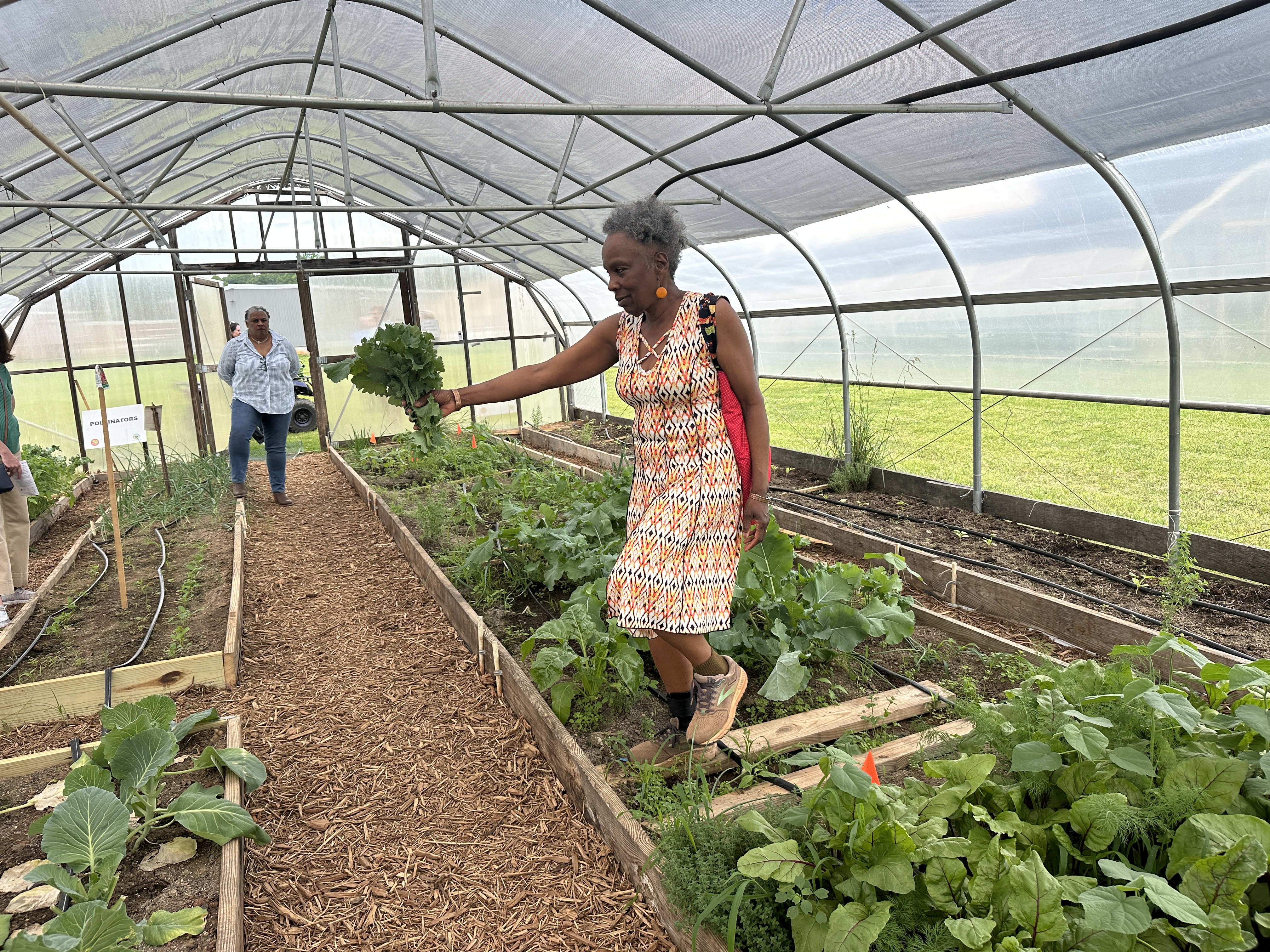
One such opportunity comes from the Minority and Veteran Farmers of the Piedmont, who provides space for minority and veteran farmers to create test plots for potential crops they are interested in producing, to “dip their toe” so to speak into an operation and learn before committing to a larger scale production. This same space also provides a community farming location of many different types of fruits, vegetables, herbs, and others to share with local food pantries.
Madison Wood was another stop on our tour of central Virginia. I was excited about this visit due to Rockingham Cooperative’s pre-existing relationship with Madison Wood. Since 2020 business has been booming for their team, especially seeing an increase in dimensional lumber. At the cooperative we handle the majority of their fence posts across all of our locations.

I invite you to checkout the two-part series on how Madison Wood’s posts are grown and made here. Their growth over the past several years has led to a boost in the local economy within Madison County and the surrounding areas.
I remember our first visit to the Virginia Peanut Growers Association when we began our first touring session in the Tidewater & Eastern Shore area, way back in November of 2022. From that time forward I have been blessed to experience some of the best that Virginia agriculture has to offer, had many “ah ha” moments that have helped me process my experiences or draw connections across the many sectors of our industry and also continued to push myself and redefine my personal philosophies and mindsets as well as I hope continue to strengthen my leadership abilities to complete the final portion of the VALOR program – to continue to give back and provided leadership to our agricultural industry in the years to come.


 valeadersor.com