

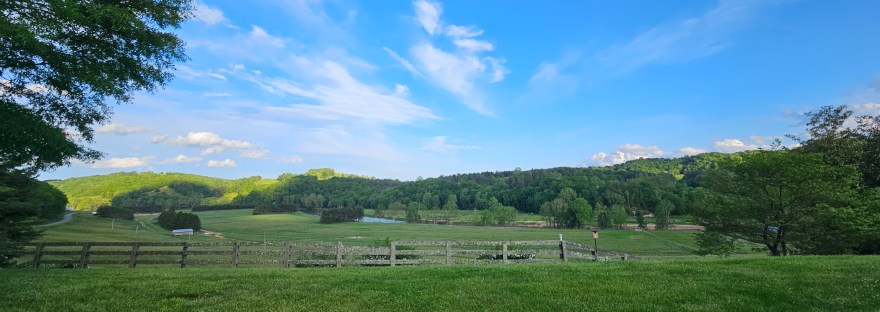
On September 26th, 2024, VALOR Class VII kicked off our orientation in Blacksburg. At the same time, Southwest Virginia would experience the wrath and aftermath of Hurricane Helene. A place you would not imagine being touched by a hurricane was upended from flooding, resulting in loss of life and property and a long- but resilient- road to recovery. A few of our classmates live in the affected areas and we saw pictures and videos of damage in real time. It’s so hard to know the full extent and impact of an event from pictures and relayed stories. There is truth in the saying that a picture is worth a thousand words, but sometimes hearing the stories and seeing the context in person gives you the whole novel.
For our fifth seminar, we visited southwestern Virginia, a region rich in culture with history that has permeated much of American culture today, while also witnessing an economy and way of life holding on against so many hurdles in our modern era.
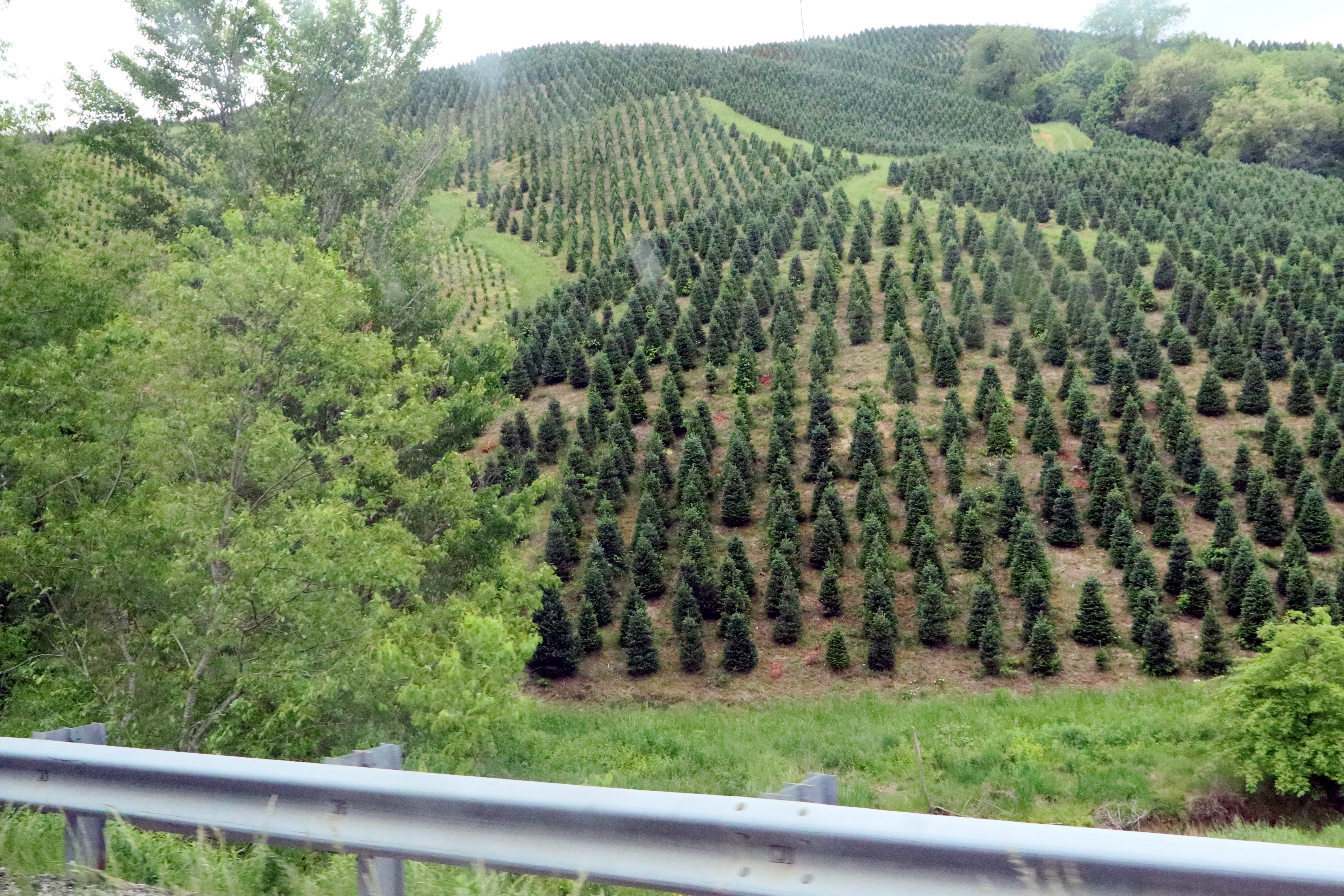
On our first day we visited operations focusing on an array of agriculture products: produce, sheep, apple orchards, Christmas trees and beef. Some of these operations can be considered large employers within their local economies, and all emphasized ways they foster the local community and economies. Virginia Produce Company supplies fresh produce to large local retailers and works with farms from the mid-Atlantic to Mexico. What stuck out to me was their ongoing dedication to uplifting the community. From connecting their farmers and fostering those relationships, to establishing fundraising campaigns for FFA chapters, they keep community central even as the business expands. When we visited the local apple orchard, the producer emphasized working with a local cidery- rather than maybe one of the many others around the state- fostering a once large industry in the area to re-establish roots, literally. Another example of community engagement was at Bottomley’s Farms, a company with roots in Grayson County and now the largest employer of those constituents. Even with many moving parts to the business, Bottomley’s hosts an annual livestock show at their facilities and provides proceeds to local food bank from their annual yard sale. During our day (and throughout other seminars), I heard discussion about migrant labor, and its impact on the community throughout the region. With a large migrant workforce, companies have grown to incorporate important cultural identities, such as holidays, to make it feel more like home for their employees and foster respect for the various cultures represented in the workforce.
That evening, we were able to talk to a producer and VALOR alumnus in Grayson County, and here from extension agents about their and local government response to the damage from Hurricane Helene as well as recovery efforts. Every farm in Grayson County and most businesses were impacted in one way or another by Hurricane Helene.
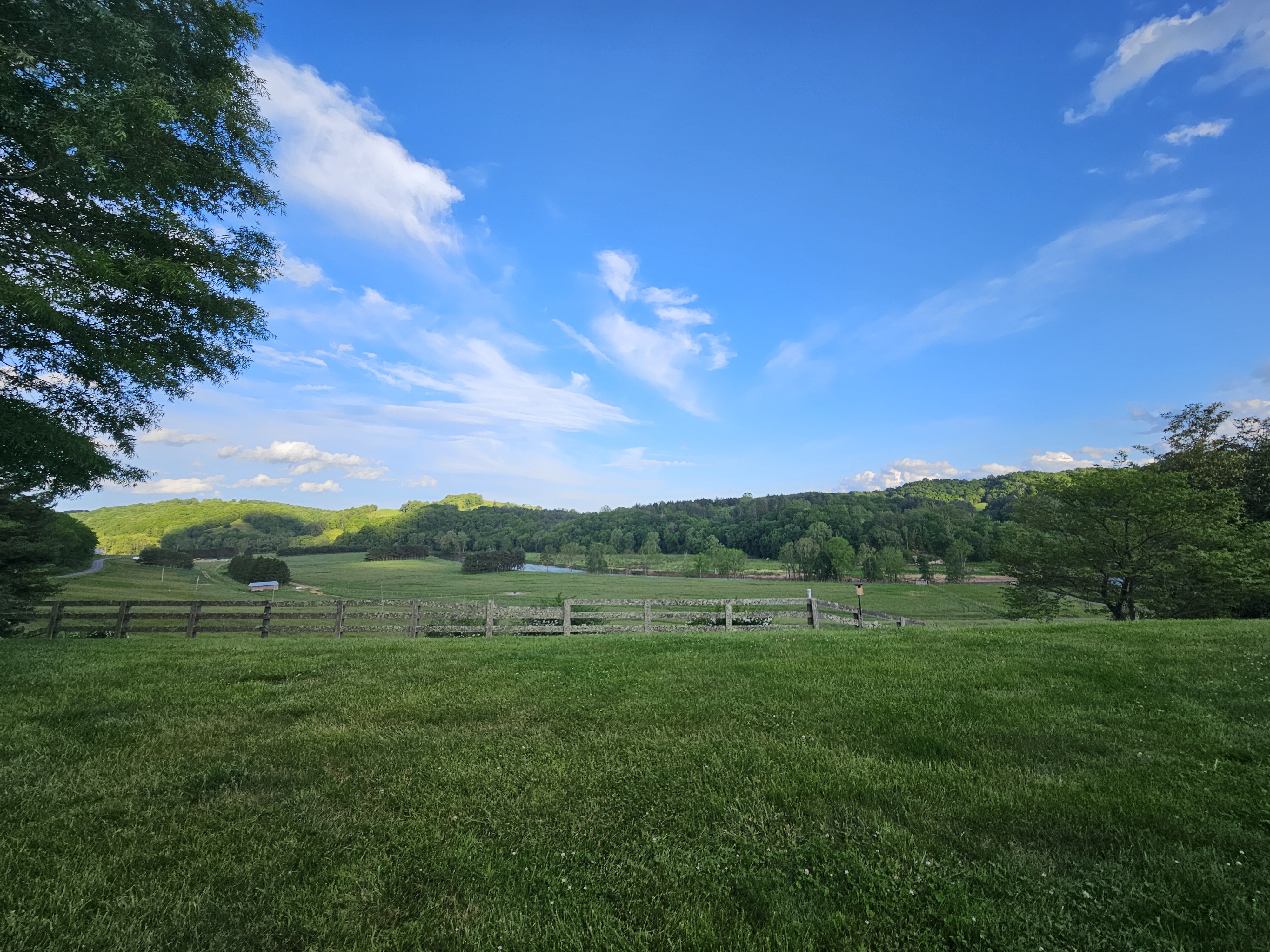
It was jarring to sit listening to the violin and guitar strumming Appalachian tunes, while overlooking a serene New River moving slowly and sleepily through the holler below, to think that less than a year ago, Mother Nature showed how powerful she could be. In the initial aftermath, most producers had to borrow funds for clean-up efforts, as there are no immediate programs to help cover certain infrastructure and loss of income. To that, I’ve seen releases of federal and state aid over the past year, which highlights that funding is available, but slow to work through the gears of government. This brought to light the tough place producers and business owners are put in during natural disasters. Different from many urban areas, families in the area rely on wells for potable water and another immediate issue was to make sure wells were operational, usually needing generators to substitute until power was restored. Animals needed to be accounted for (a task slow and tedious to complete) and fed, where many producers lost their hay supplies to the flooding. But this is where the community came through and exemplifies resilience: in the first forty-eight hours, extension and local government received numerous calls from people wanting to donate supplies. I remember receiving emails from colleagues and family with plans to send supplies down and I applaud the staff in the area for taking that influx of calls, donations and help, and organizing it into action. With this, they were able to help roughly 300 farms in southwest Virginia receive supplies to get their operations back online.
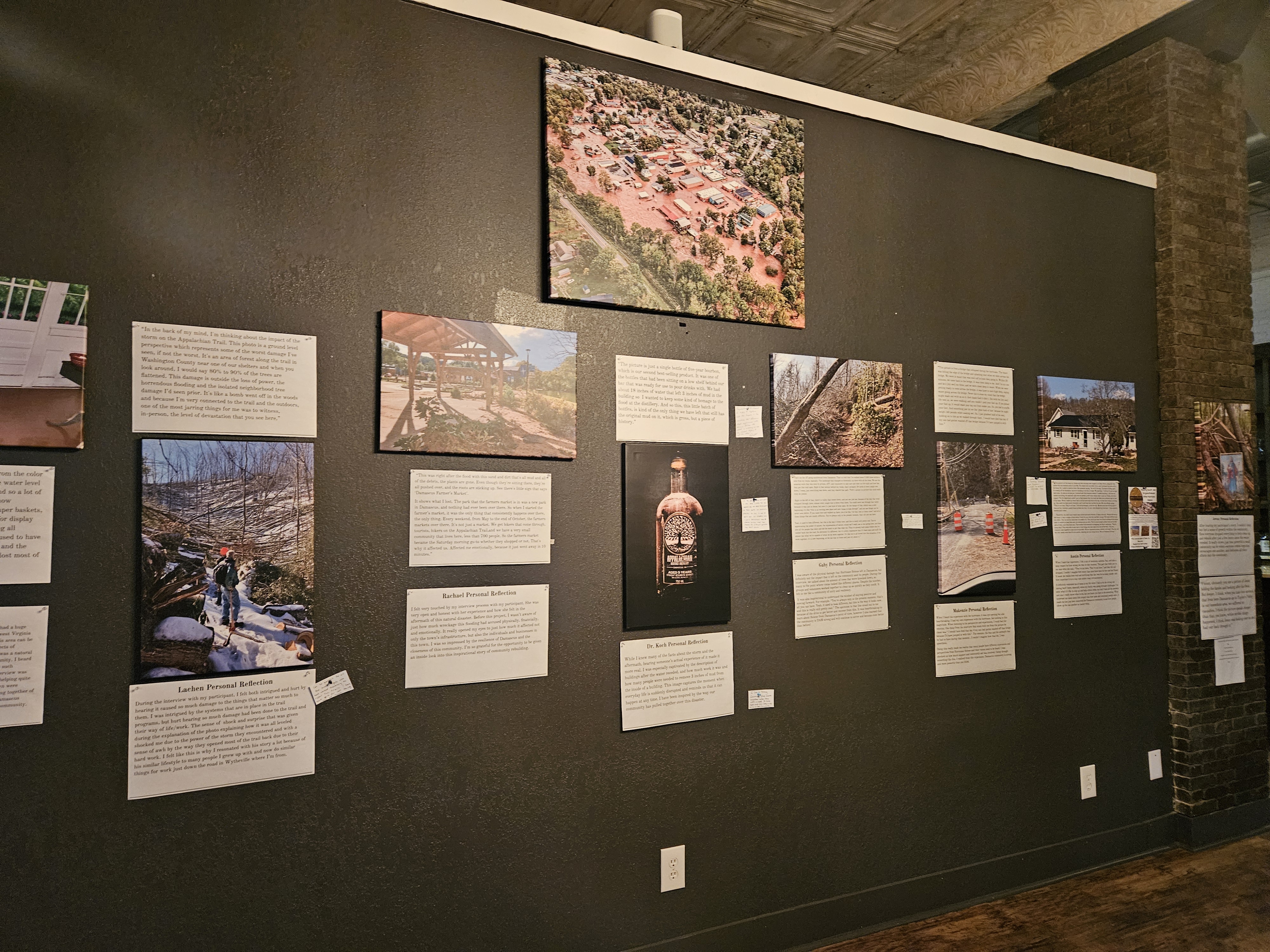
The river may be calm now, but the scars to the landscape are very evident. The path of the New River shifted, and topsoil was removed from adjacent pasture and cropland and moved downstream to create new sand bars. Hay bales and pumpkins were among the debris displaced down the road. We saw images of refrigerators on top of hay bales; debris stuck in trees that was caught from continuing downstream. Some operations may not be able to recoup and aside from the physical damage, this storm left a mental toll on our communities in the southwest.
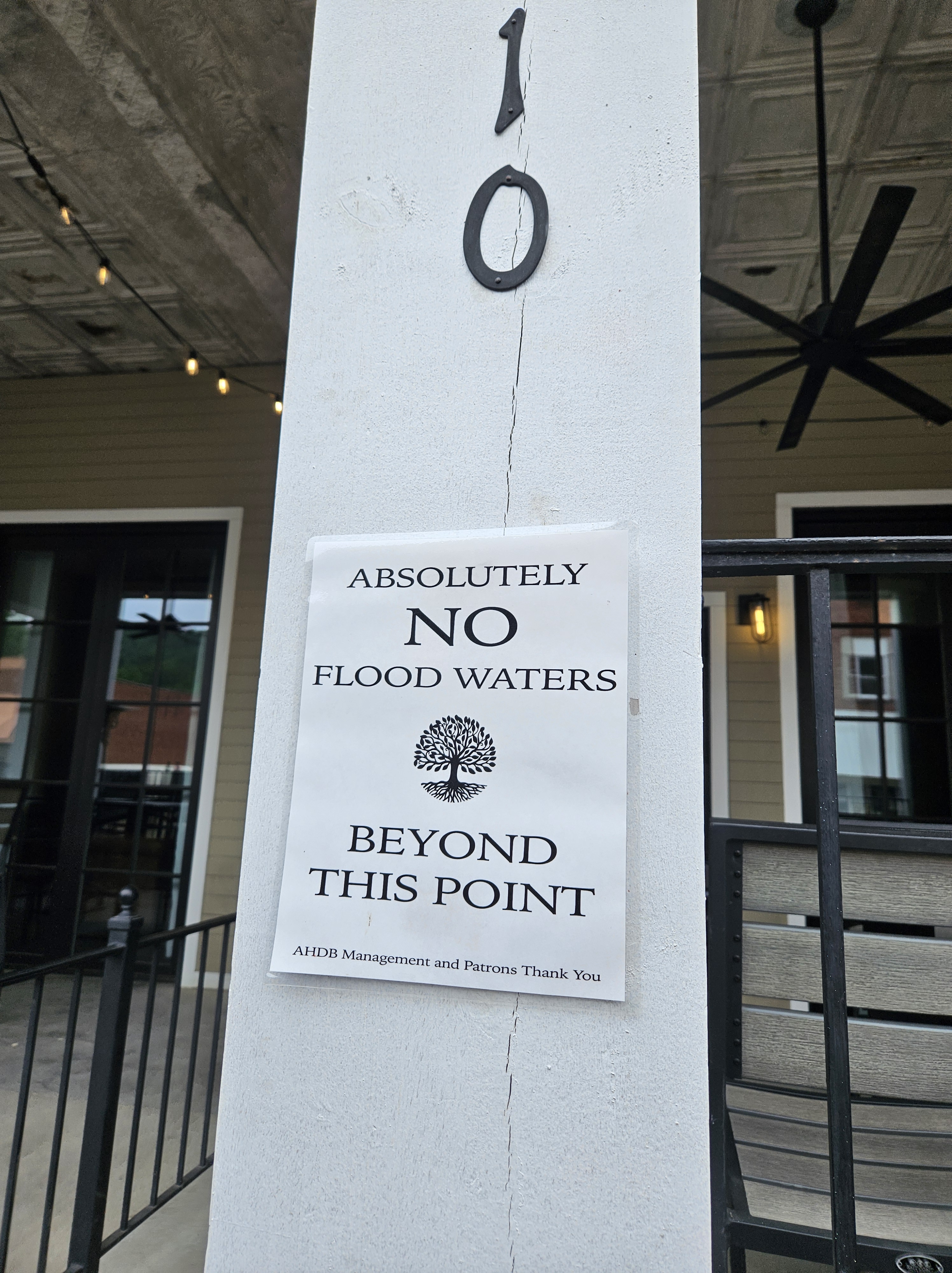
Shifting from the impacts on agriculture, Hurricane Helene similarly impacted the surrounding towns and economies that rely on tourism as a main source of revenue for the area. Our group had the chance to sit down with local change agents and discuss how the community fueled recovery efforts, and just in time for the annual Trails Day along the Creeper Trail. We also discussed the intersection of tourism and agriculture in the county and innovative projects like rail-to-trail, actively highlighting conversation and agriculture through tourism.
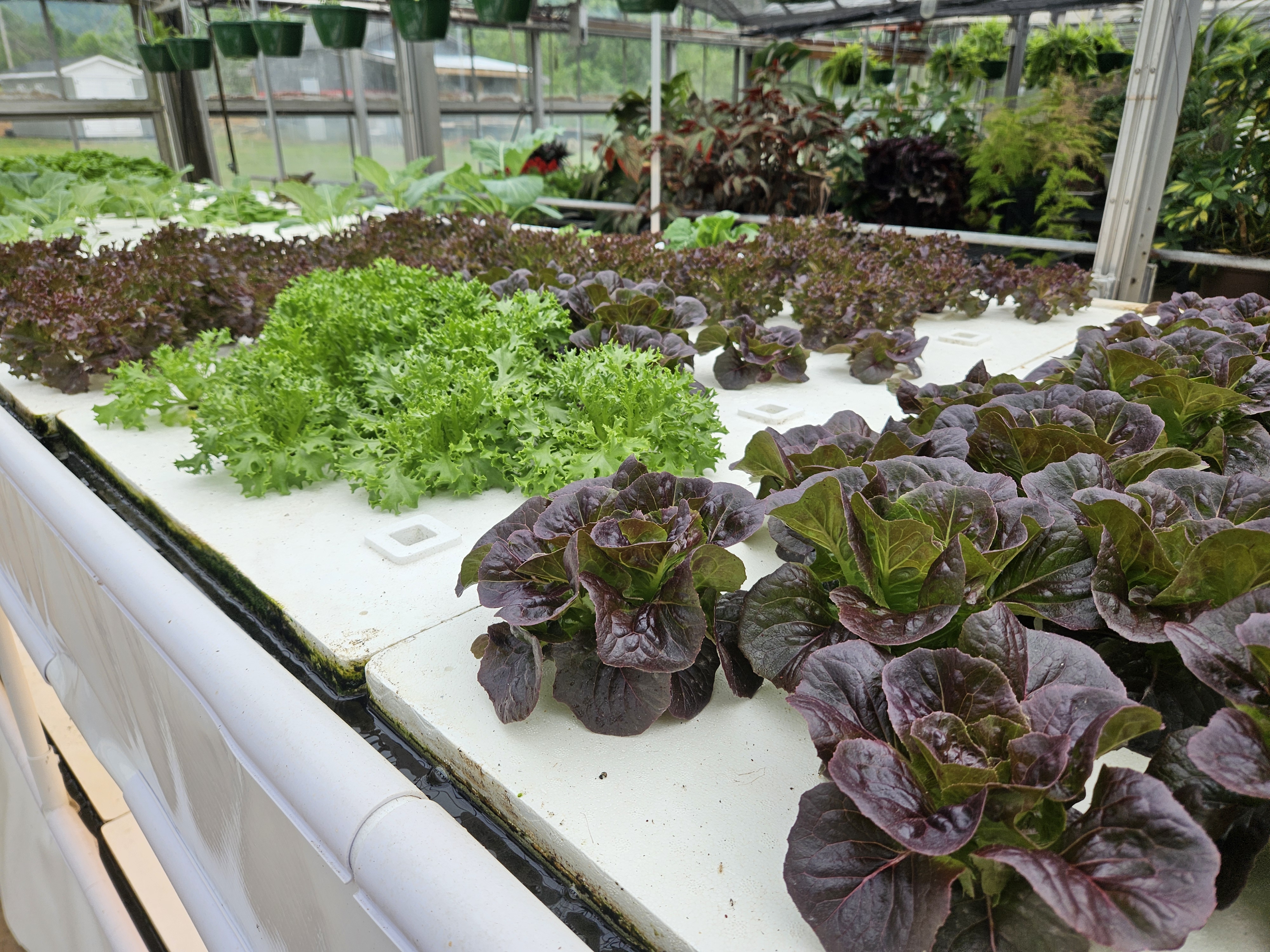
Our group visited a few places that symbolize the change in the economic landscape of the region. Before VALOR, I had not heard of the Virginia Tobacco Region Revitalization Commission. In short, it was established to help fund new economic opportunities for former tobacco producers as markets dwindled and left the region. Producers entered the produce sector, and with the help of one of the oldest food hubs in the U.S., Appalachian Food Hub, have been able to establish market connections and sources of income for their farms. Not only does the hub help connect markets for farmers- especially smaller scale operations- but it provides technical assistance and training, empowering the local workforce. This fresh, local produce in turn goes to area schools for students that may not have frequent access to fresh produce and is supplied in food boxes, along with recipe cards to educate recipients on ways to incorporate new produce into their meals. One story that has stuck with me since this visit was about a young child who had never seen a fresh, fuzzy peach before and wasn’t quite sure how to eat it; they only knew prepared, canned peaches. Sometimes we take for granted just how lucky we are to have access to abundant, fresh produce every day. Additionally, a local high school- Holston High- FFA program is incorporating aquaponics into their curriculum with the hopes of providing not only great hands-on learning and an opportunity in responsibility and leadership, but fresh greens for cafeteria lunches. I saw how much the instructor, Mr. Lawrence, cares about providing a quality education and ample opportunities to his students. To not let their life circumstances hinder learning, trying new things and building the confidence in their abilities and leadership.
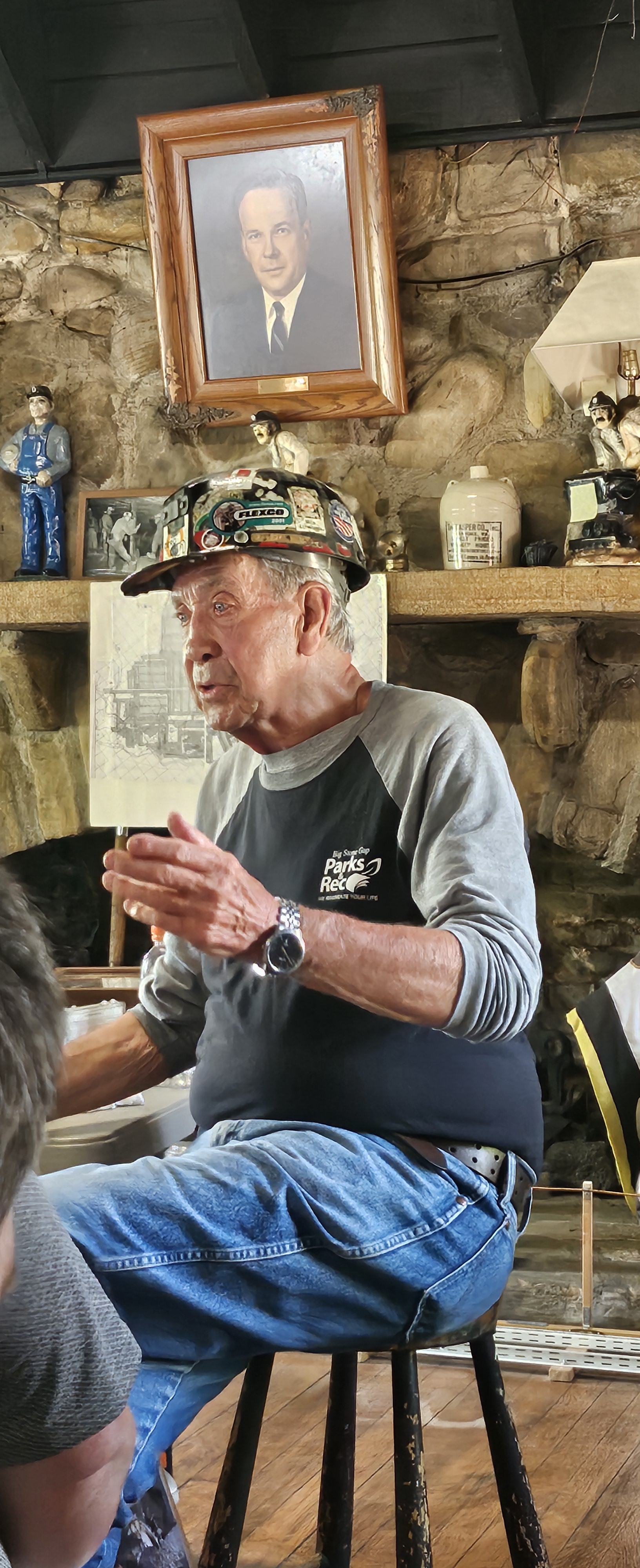
Another stop that prompted me to reflect on change was the H.W. Meader Coal Museum, located in Big Stone Gap. Here, we met with two former coal miners to hear their stories and experiences with the exodus of coal mining from the region. The images, writings, and artifacts from that period epitomized the dangers of the work, the impact of unionizing and how coal permeated all aspects of life in the region. Even in this conversation, we heard how crucial communication was when working in the mines- a key aspect of effective leadership. It was noted that coal really steered industrialization in America. Today, this area grapples with bringing industries and jobs in, but has found a niche opportunity in tourism- a way to honor and show their history to visitors while also creating economic drivers. We then heard from Tyler Hughes, a member of the town council and Executive Director of the Crooked Road Music Trail. The area is described as a microcosm for American music, where origins of blue grass and Appalachian tunes have influenced different genres and artists throughout history. From the Blue Ridge hollers to Hollywood, I even learned that the cultural sensation the “Cup Song” originated from the song “Will You Miss Me When I’m Gone”, originally written by A.P. Carter of Clinch Mountain. The music trail is also a way to bring communities together, like the Galax Fiddle convention with upwards of 10-20,000 attendees to find camaraderie and connection. And again, we were treated to wonderful live music while we reflected on our lessons from the mines and hollers of southwest Virginia.
To round out our seminar, we discussed the extremes of Virginia, from the Golden Crescent to the Rural Horseshoe. Though physically a smaller state, we are geographically, economically, socially, etc. very diverse. From some of the first coal mining towns in the country starting in Virginia to being on the outskirts of the Nation’s capital and home to top military bases, collectively we bring endless backgrounds, experiences and viewpoints to our commonwealth. I was able to see the disparity of employment, healthcare and educational opportunities in rural areas versus more urban centers. There is a very real concern of brain drain and an exodus of younger generations from more rural areas to the opportunities afforded to them in metropolitan regions. Much of our voting power goes to a few highly populated areas in the state, creating potential to leave more rural areas without representative power and sway in decisions that may forget them and their community needs. Issues to be addressed are: How do we foster resources and economies in rural areas that attract younger generations to return or move to? How do we address the needs of rural communities without stripping them of their cultural richness and rural lifestyle? How do we bridge the gap between farmers and legislators and create a circle of trust/safety? (Refer to Simon Sinek’s Leaders Eat Last for in-depth content on the Circle of Safety. TLDR; Leaders help us feel safe under variable dangers and have the power to keep a small circle or extend it to as many constituents/employees/organization members as possible. If individuals are not in the circle or the circle is broken, the individuals worry about protecting themselves and may question who they trust in leadership and therefore withhold their buy-in to the group.)
A final thought from our discussion is that leadership is not a position, it is not a rank. Leadership is the ability to look after the people left and right of you- creating a safe space- and to forego self-interest for the betterment of a group. Lastly, I only highlighted a few of our stops in this blog, but truly in each stop I witnessed grit and resilience along with genuine kindness and hospitality. Members of these rural southwest communities work hard, help each other out and share their love for where they live.

 valeadersor.com