


One of my favorite shows growing up was Friends, a sitcom following six adults and their day-to-day antics. In one episode, now made into viral memes, Ross recruits Rachel and Chandler to move his new couch up flights of apartment building stairs. Sketch in hand with no concrete plan, Ross says, “follow my lead” and the crew start up the stairs. When things go awry Ross shouts ‘Pivot!’ numerous times only with efforts ending in a stuck couch and a stuck Chandler. Lucky for VALOR Class VII, we have a resilient leader who was able to change plans and pivot us through a successful and memorable Seminar III.
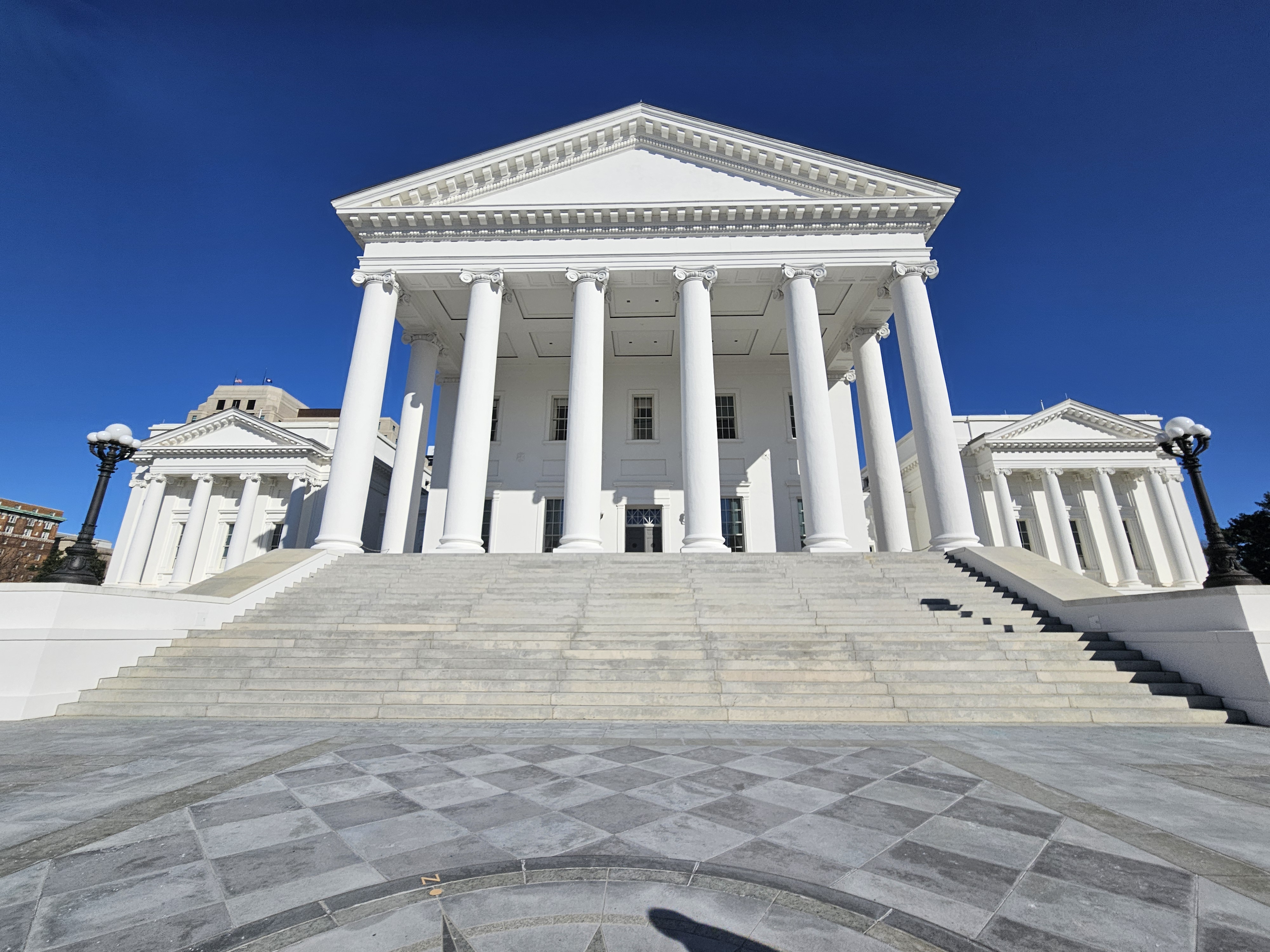
For our third seminar, held in Richmond, the word ‘pivot’ was embraced multiple times (whether by choice or necessity) as we navigated changing circumstances and schedules. The loss of power at the municipal water plant and subsequent shutdown of operations for clean water led to the closing of all State-run buildings, including the Capitol, and cancellations of events from banquets to the opening session of the General Assembly. Although this threw a wrench in our plans, it also afforded an opportunity for our cohort to have more in-depth discussions with legislators and government representatives. While meeting with current legislators, we discussed hot-button issues facing Virginia agriculture including pressures of encroaching development and solar facilities. How much of Virginia’s agricultural land are we sacrificing for solar development and how much is required to meet the needs of growing energy demand- not just from homes, but data centers and other large-scale industrial facilities? When these decisions are being made and those in government are planning for big impact issues like solar, how much are the long-term consequences being factored in? Before I worked in agriculture, I thought solar was the golden solution to reduce our reliance on fossil fuels. This was until I started going out to the fields and seeing panels being put up, changing the landscape and hearing the impacts to local farms and communities. These well-intended decisions may be decided by people who are not from a rural area and without seeing how the communities in which solar facilities are built are impacted.
There are less than a handful of active farmers in our legislature. How can we inform those without an agriculture background of the potential negative impacts of decisions made in Richmond? One way is to invite them to the farm, show them how a farm operates, have those conversations and build those relationships. We all need agriculture at least three times a day, and in recent years there has been a movement to understand where our food comes from. This is a pivotal time for our industry to educate the public and officials about why agriculture is so vital and how we need to foster this sector in Virginia to ensure a safe and abundant food supply. In one discussion, it was said that the power we are given (in leadership roles) was never ours; power was always there and will be there when we are gone, so with that we should be good stewards of that power.


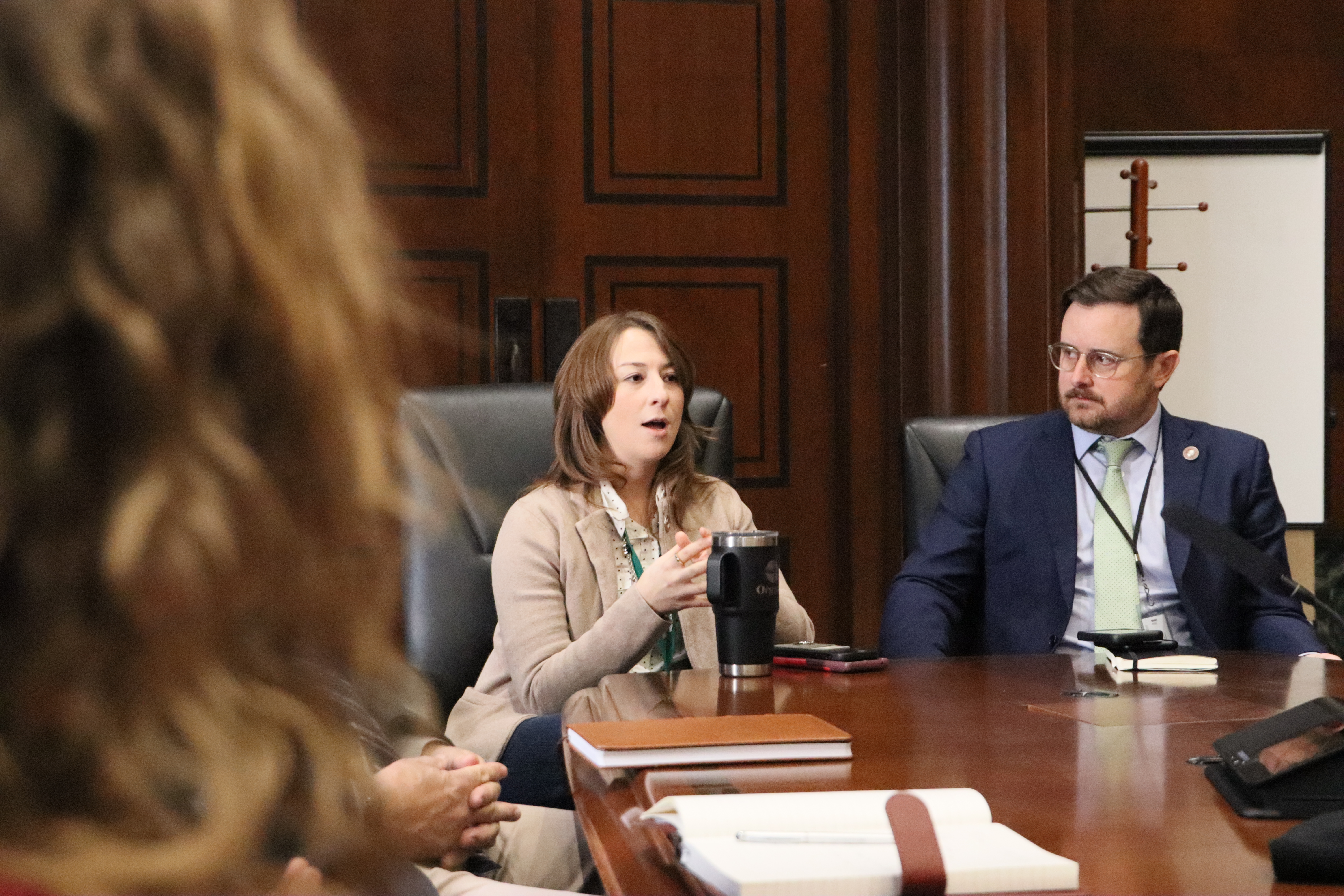
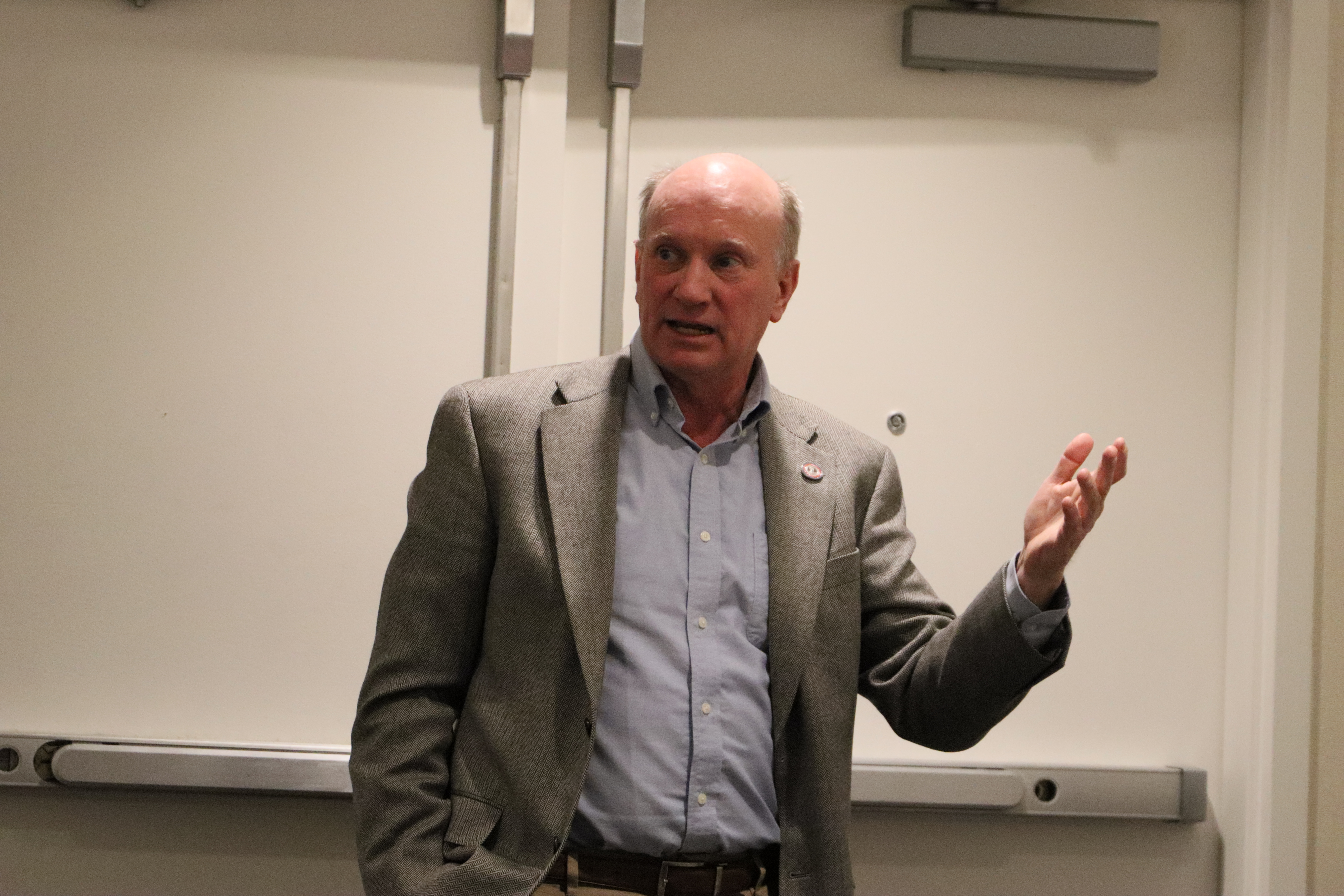
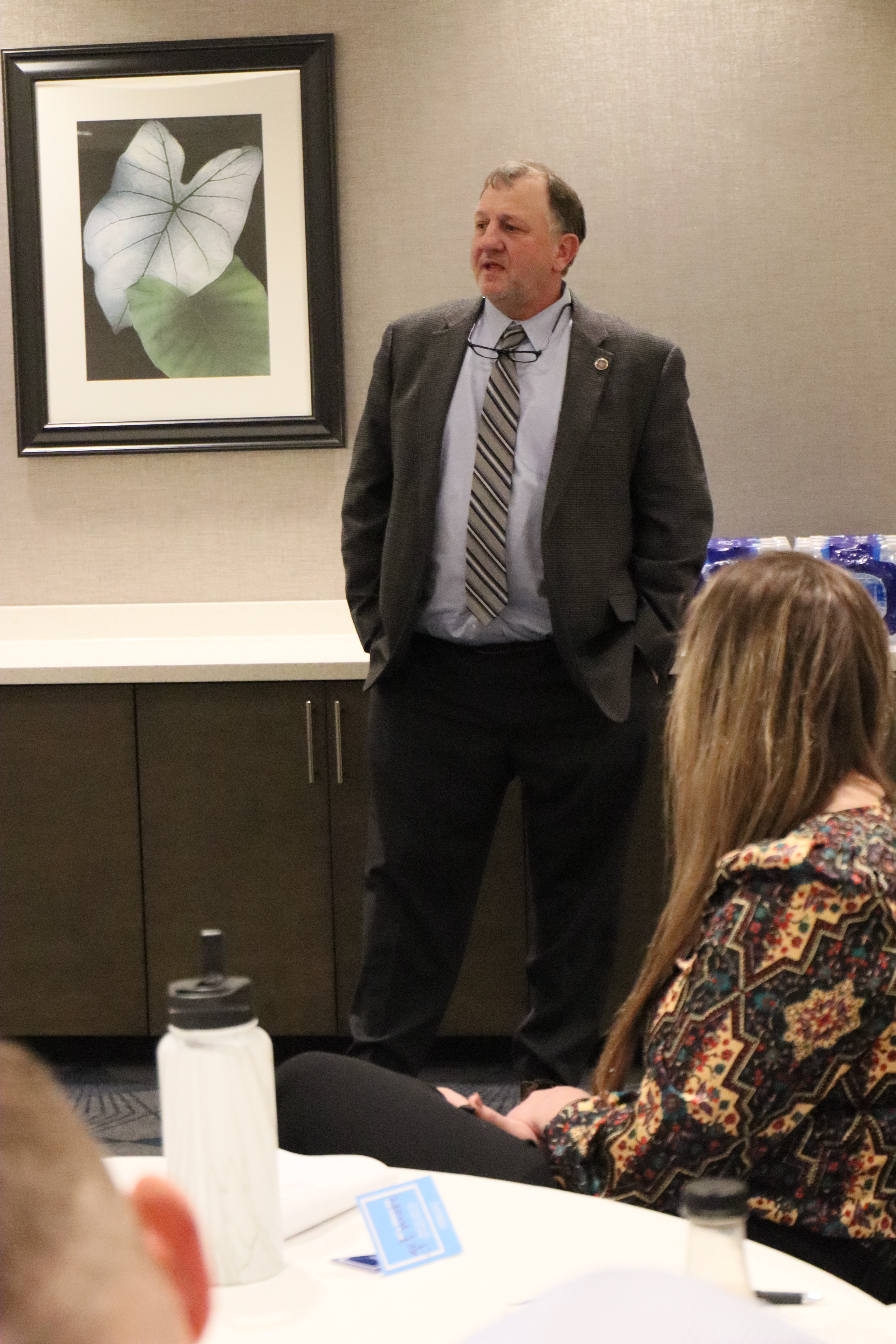

We also spoke about pathways in leadership, how a common theme begins with being active in your own community. If you are a part of a community and understand the issues within it, you can be a better voice and advocate for what changes are needed or what is suitable and best for that community. When you have the ability and willingness to be in leadership, you’re able to have a say in the long-term impacts to your community or organization and you’re able to help others meet their basic needs and thrive. It goes without saying, but we also talked about how even if you’re in a leadership position, you’re still part of a team. You still need boots-on-the-ground, subject matter experts, partnerships with other agencies and organizations to be a part of the bigger conversation. This was evident when speaking with different members of the Cabinet. They emphasized how each department worked in one capacity or another with the Secretary of Agriculture, whether it be addressing skilled labor for agriculture, to working with commodity boards or creating advisory committees with farmers and producers around the state.
Early in our seminar up until the last session, there was an emphasis on creating networks, establishing contacts and fostering relationships. Not just for the sake of getting bills passed or projects completed but truly understanding each other and remembering the human element behind the work that is being done in government: who are we trying to help at the end of the day and how are we affecting change. Even if you disagree with some team members, or members of your own legislation, it’s essential to work together to find common ground and be united in your positions to create change.
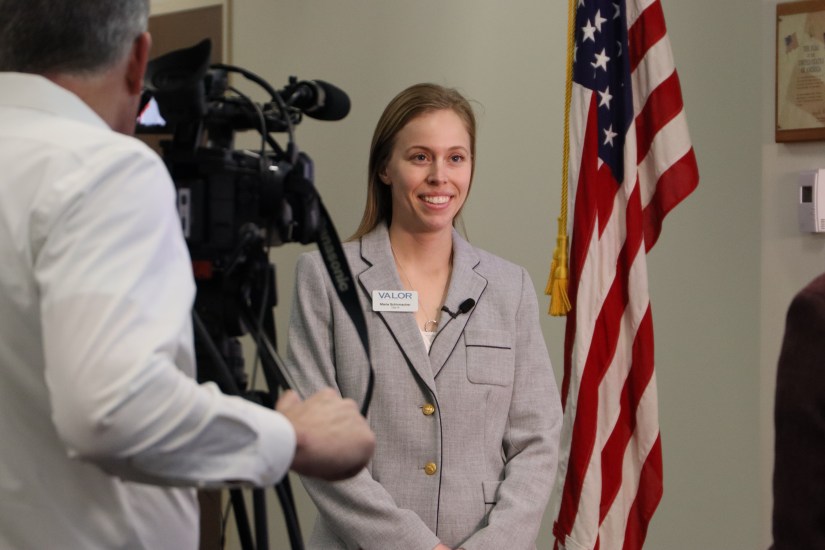
During other sessions of this seminar, we brushed up on knowledge areas to be successful in advocacy and policy, from parliamentary procedure to media training, and lobbying. I’ve always loved parliamentary procedure for its structure and fairness to ensure all voices are heard, and although it remains perplexing, I was able to take away a few new tidbits and a new appreciation for parliamentarians sitting in on organizational proceedings. I must be honest; I was nervous about the media training up until the moment I was in front of the camera (well, and throughout the interview, too!). However, talking with media experts, they made me feel more confident on the best ways to prepare- maybe not just for an interview- but for any conversation where we discuss challenging and divisive topics. Know your topic and the facts but relate it in a way to show the audience how that topic affects you and them. Give clear and concise answers and take time to compose yourself- you can rephrase and ask for clarification; it’s a conversation not a one-way talk. Tell your story and stick to just a few key points with supporting information. (As someone who loves data and facts, I need this. You don’t want to spew a ton of information because in that you may lose your audience.) Our interview crew was great- they provided such good feedback and made the process less nerve-wracking. At the end of the day, they want you to have a good interview, so they can help produce a good story. We also got to see just how much we wiggle and fidget during interviews; even though I wanted to be completely aware of gesticulating my hands- I ended up doing it anyway!
Later that day, we learned more about lobbying and what it really entails. From a typical day on Capitol Hill, to the importance of advocacy and key advice to be successful, including a well-prepared elevator speech when speaking with legislators and following up on the issue. Lobbying allows voices from across an organization and all over the state to be heard and represented in committee; advocates can bring member stories and make them relatable across the aisle. Now more than ever in agriculture, this is important work as we see more and more communities removed from agriculture with less understanding of policy impacts to farming communities. And even though I don’t live in an agricultural community, I walked away with a greater desire to be a voice in my local community and speak to my legislators on issues affecting us.


During this seminar, we had a chance to dive further into our own leadership, focusing on personal strengths and how we can harness those strengths to be agents of change. I was not surprised at my results (learner, responsibility, developer), but this seminar helped me see how they are strengths and not just traits or habits. For me, I have always loved learning. Knowing different angles of a situation, understanding the context and history, enables me to be confident in a topic and its positive implications, but it also allows me to empathize with others who may see a situation differently. We identified those top strengths and were asked to think about how they can enable us to be successful in our daily tasks. We also saw how identifying the strengths of members of a team are just as important as recognizing your own.
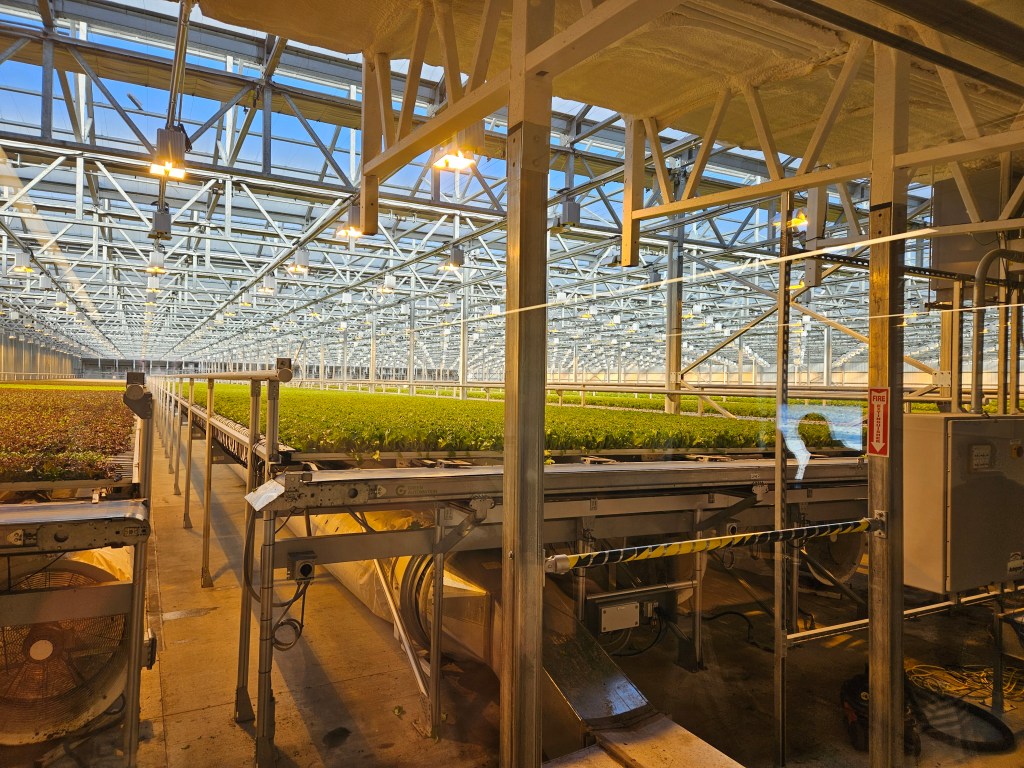
Aside from focusing on government, our cohort was able to visit with local business owners to learn about value-added products and even see a controlled environment agriculture (CEA) facility. On our way to the CEA, we traveled down a secluded side road to what I would have mistook as a regular warehouse if not for the greenhouses connected to the back. I had never heard of this company, Greenswell Growers, but they have a following- every person in our cohort who has tasted their delicious lettuce loves it. And, I can tell from the enthusiasm of the CEO that he loves it, too! As we thought about solar during our trip, I tried to imagine solar as a part of this enterprise- using existing infrastructures to house solar panels. However, solar and crops compete for the same resource- sun. Seeing and understanding automated growing systems was fascinating. These are becoming more prevalent in the Commonwealth, and I think about how they’re able to provide a vast amount of food on a smaller footprint, but I also wondered about the inputs and any environmental impacts or demands these facilities have. Greenswell can recycle their leaf waste and water to create a high and steady volume of produce for the region.
During our value-added discussion, I witnessed the passion for their product in each of the speakers. They highlighted quality, connection to the producers, and education to the customers. It was also emphasized to get involved in your industry- not just the sales, etc. but the policy. It’s imperative to be a united front to influence and educate policies impacting your business and communities. There’s significance in leadership on your local and community level, yet sometimes it’s necessary to also be involved in organizations nationally. At the national level we’re better able to acknowledge issues facing an industry across states, climates, businesses, etc. and understand successes and failures others experienced. Again, there was an emphasis on giving back to and providing value to your local community (through the grown products) and fostering collaboration amongst your peers. It was refreshing to hear these sentiments throughout not only this seminar, but in past seminars.


Overall, this seminar gave me a new appreciation for the effort and connection put into creating change throughout the Commonwealth. With numerous pivots, came just as many impactful discussions and lessons.

 valeadersor.com