


As our international experience unfolded, I wasn’t sure what to expect from a trip to Kenya. Many of the images I’ve seen of Africa depict the continent as a desolate desert. I was pleasantly surprised as we arrived in Kenya, located near the Equator, and found the climate is perfect for a wide variety of agriculture here, depending on the region and topography. A flight over the Rift Valley gave us the opportunity to see many small green rectangles which are several-acre plots of various types of produce families raise for eating and for market. From the mountains to the wide plains, the topography was diverse as we travelled.


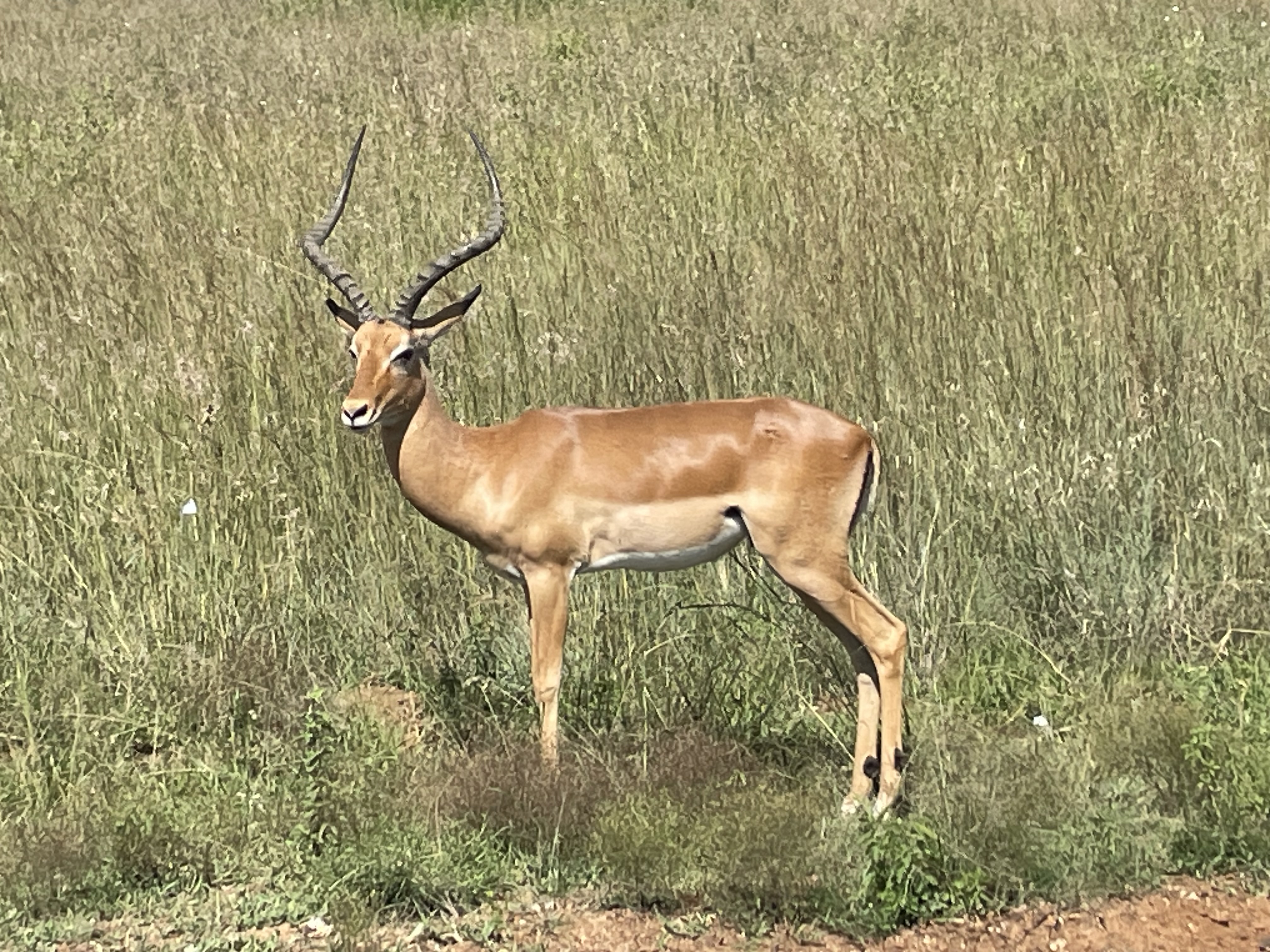
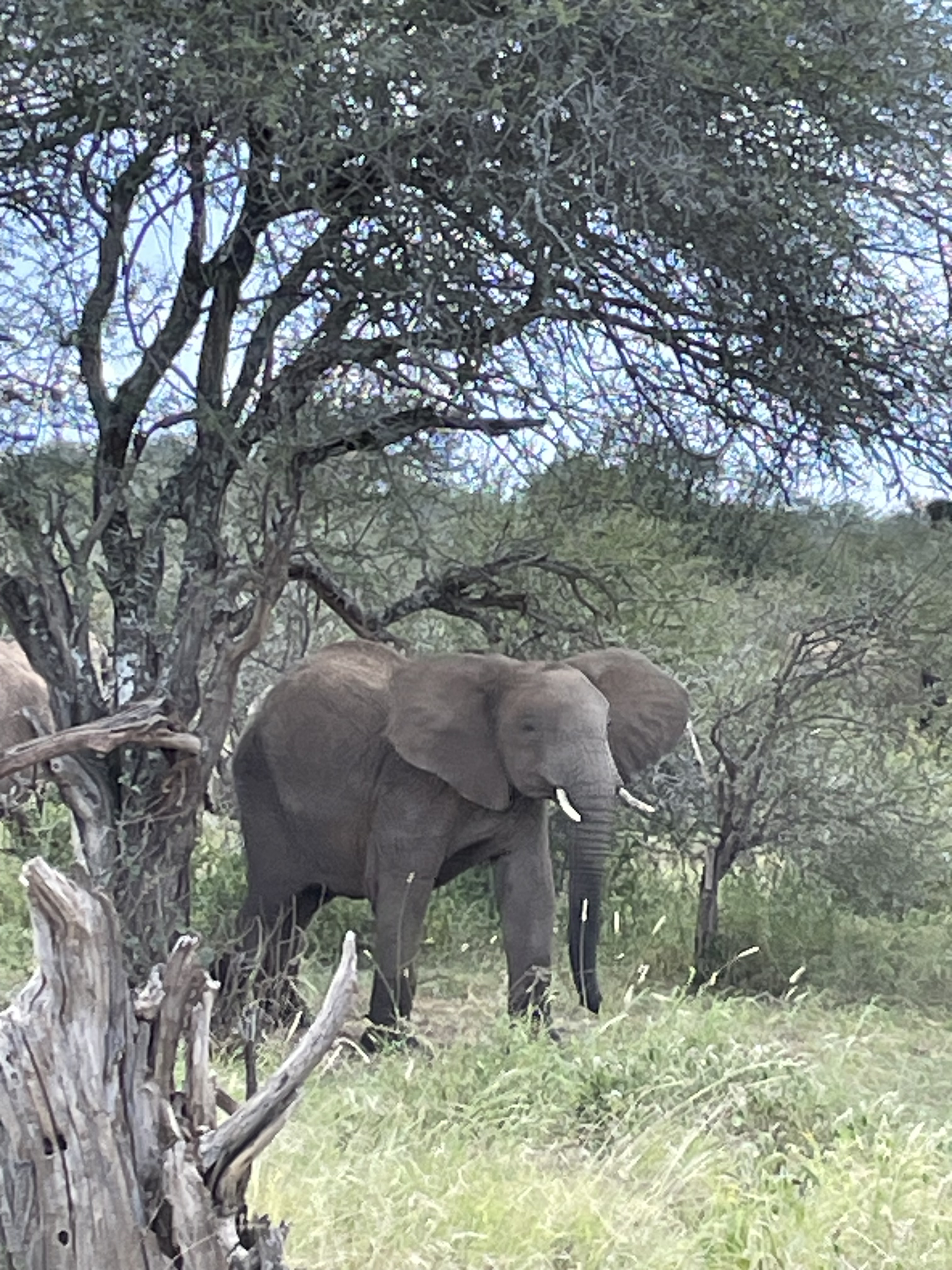
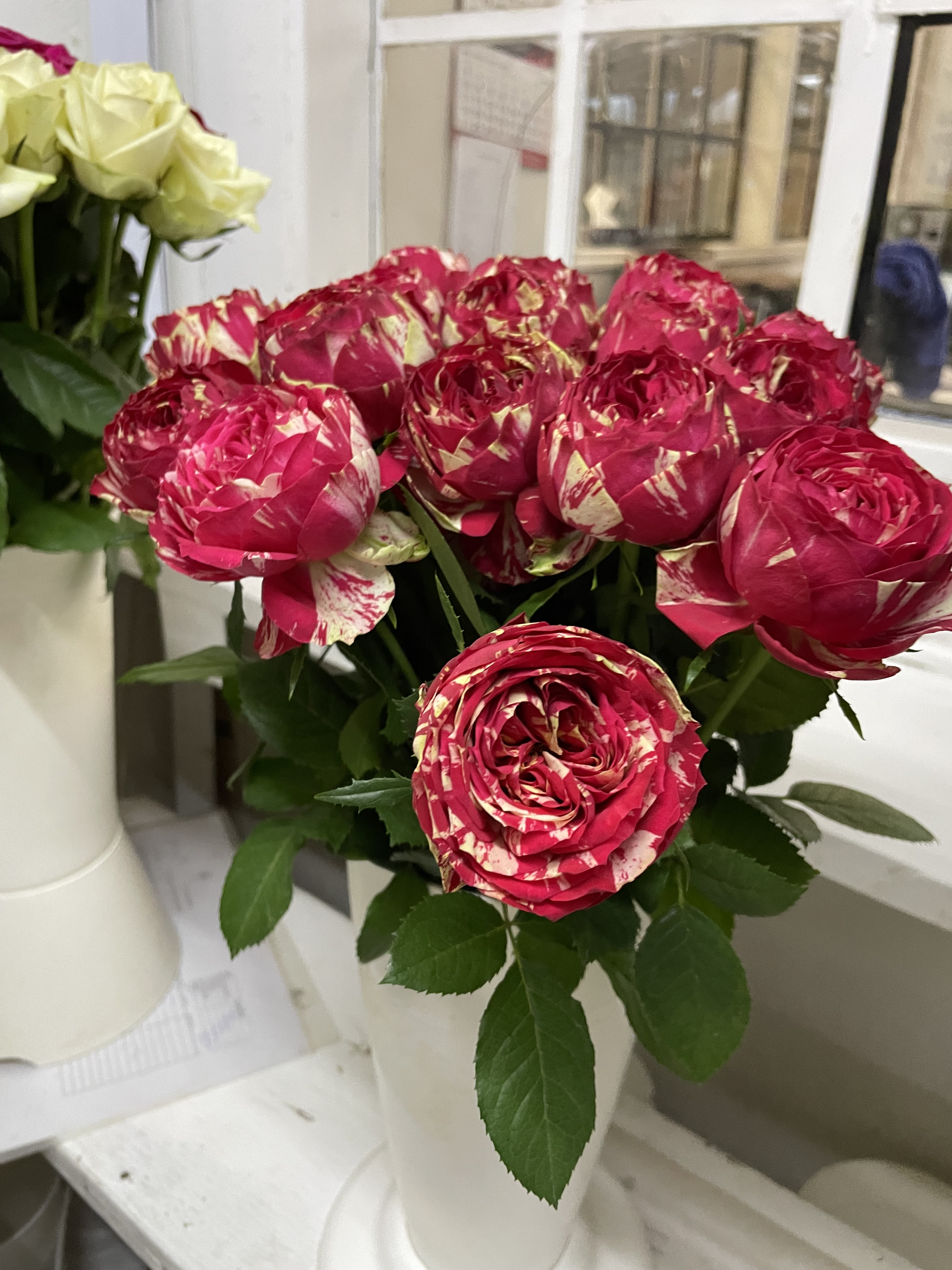
Each location we visited demonstrated how Kenyans are good stewards of their resources. We saw conservation efforts aimed at preserving the amazing wildlife and their habitats, which also encourages the tourism industry. We visited several operations that have implemented “circular” agriculture systems with minimal to no waste. One of the most interesting involved using food waste to make biogas for cooking, and also as a substrate for black soldier fly larvae, which are used as a high protein feed source for swine. The waste from swine and the fly operation is used as fertilizer for soil, mixed with compost, to grow beautiful roses. This was an interesting process!

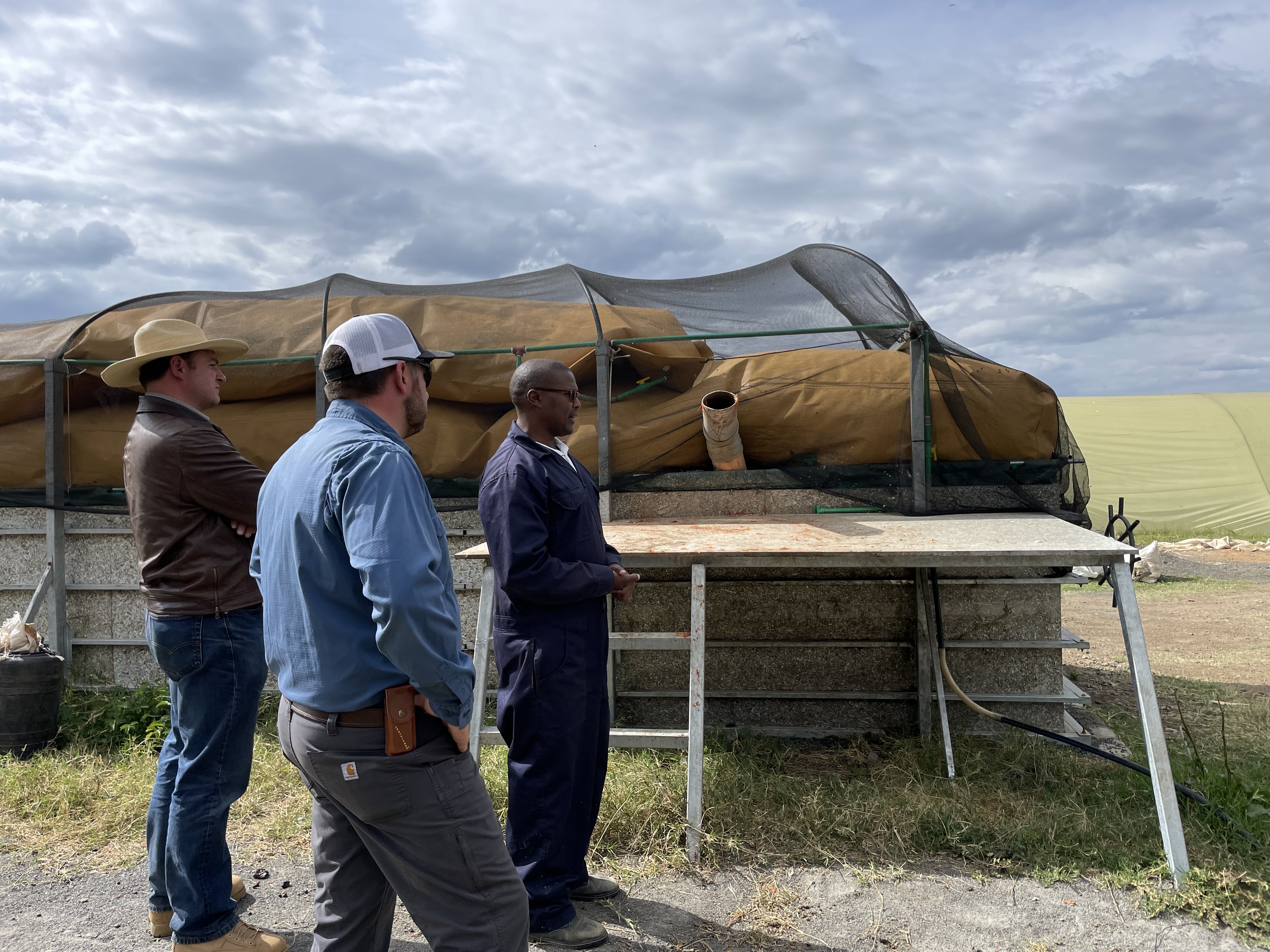


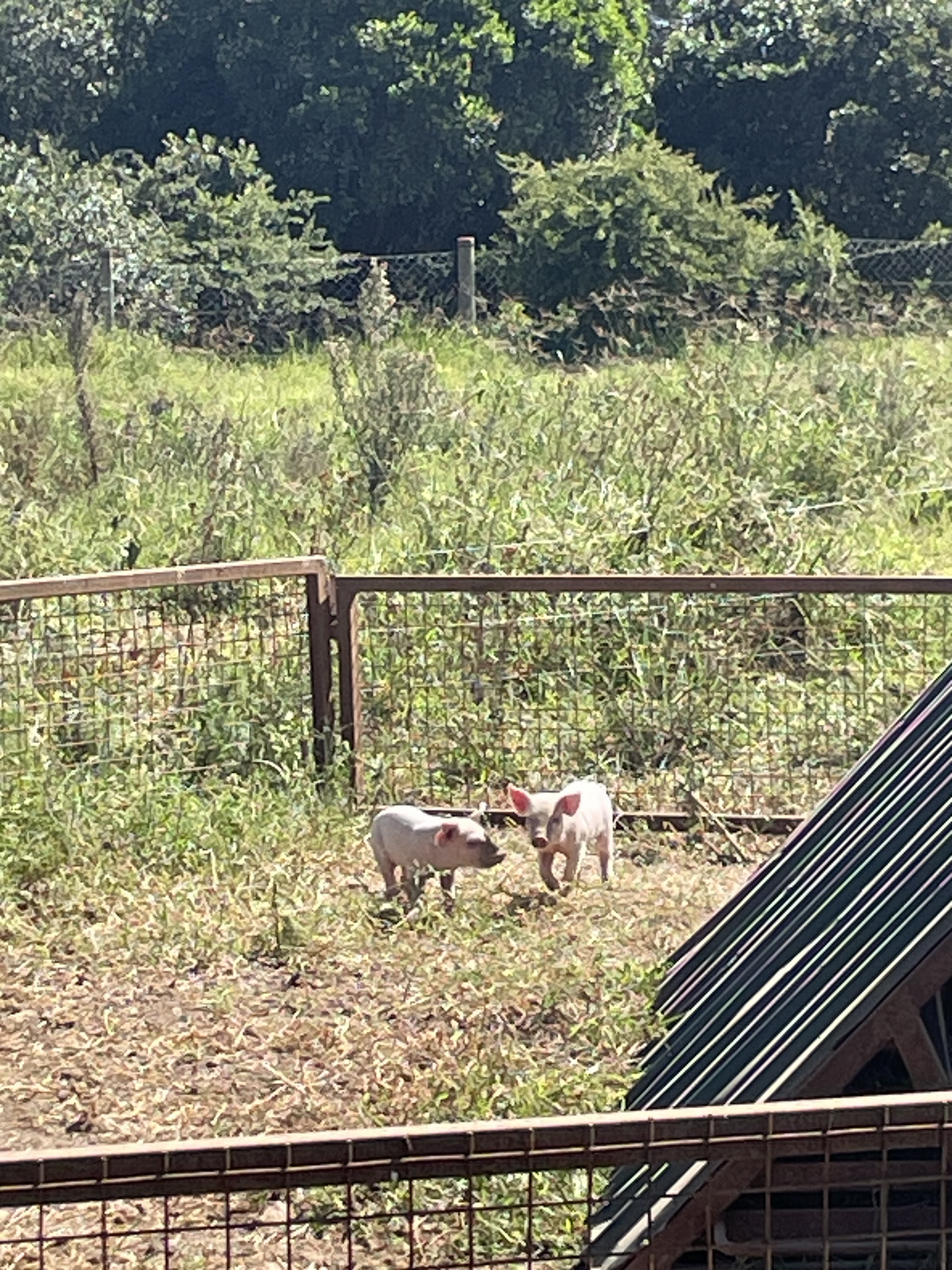


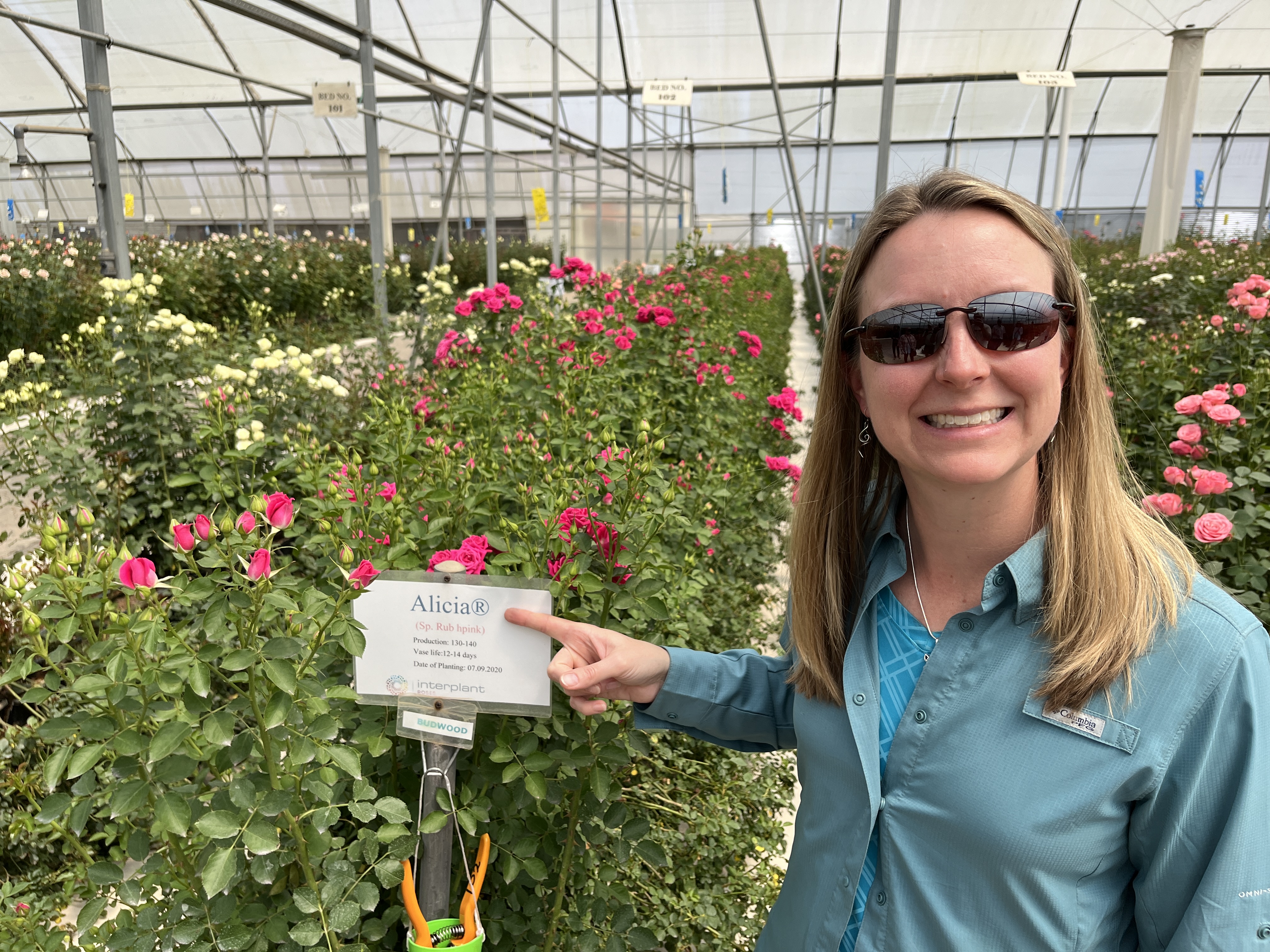

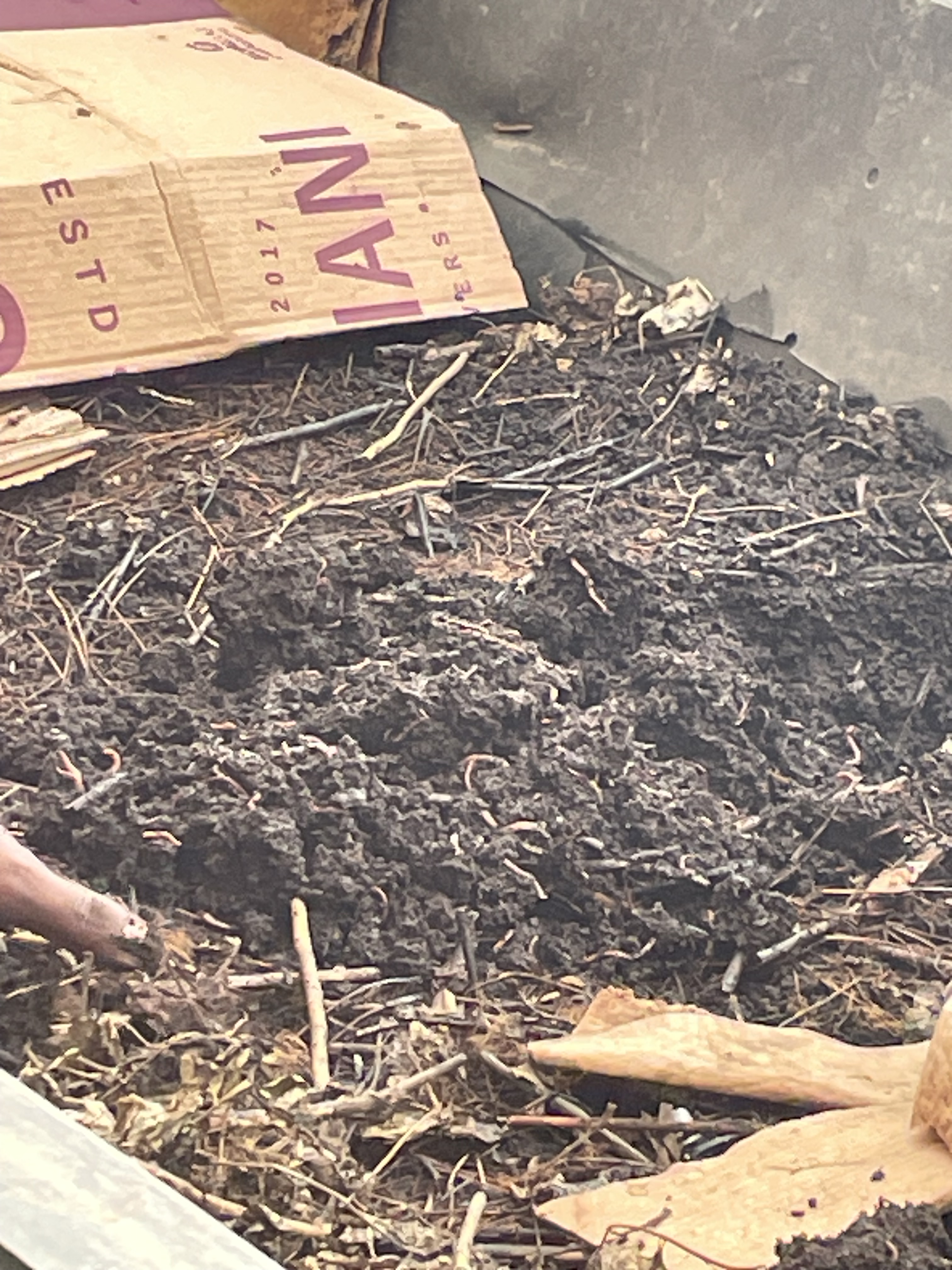
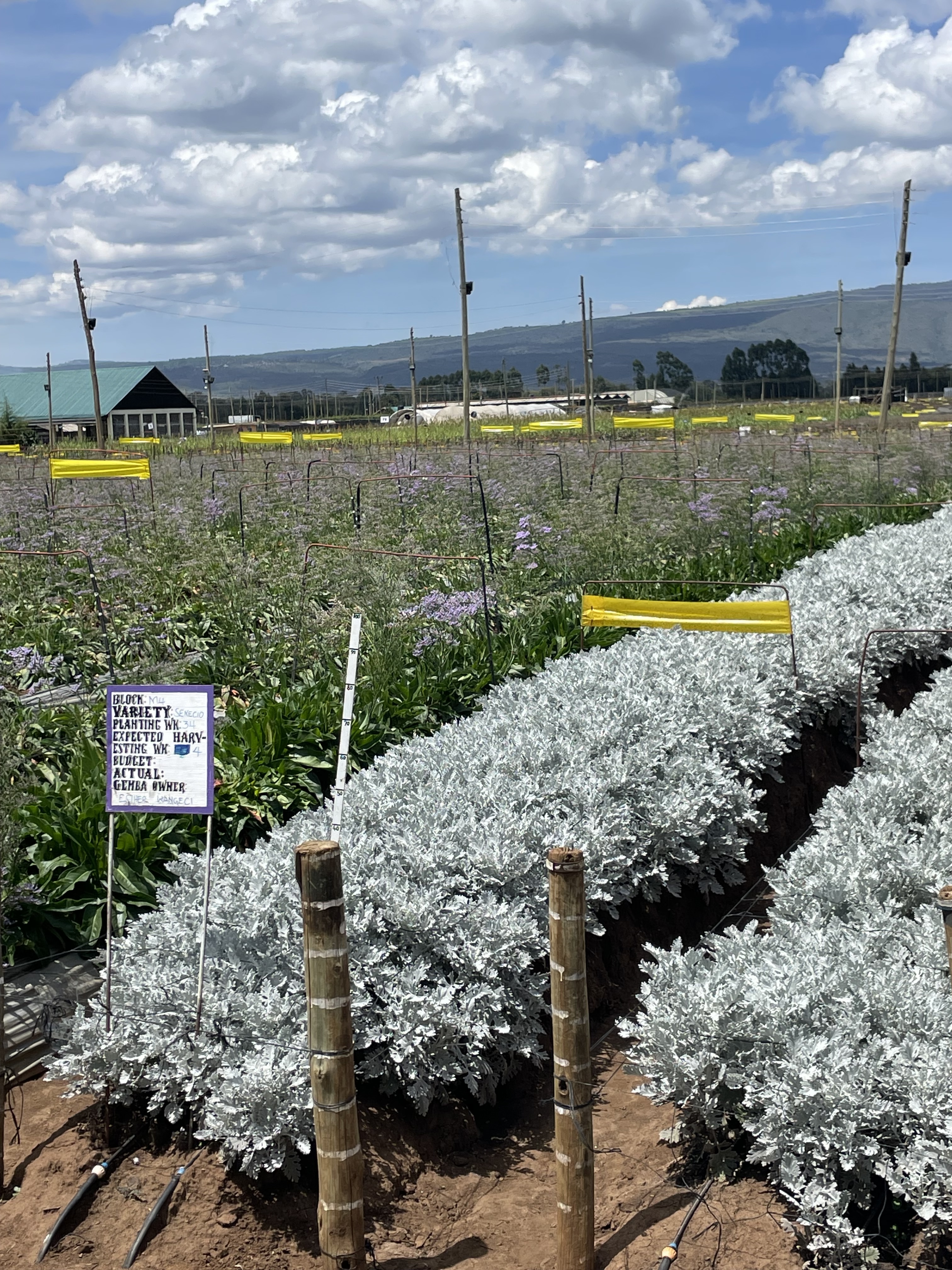

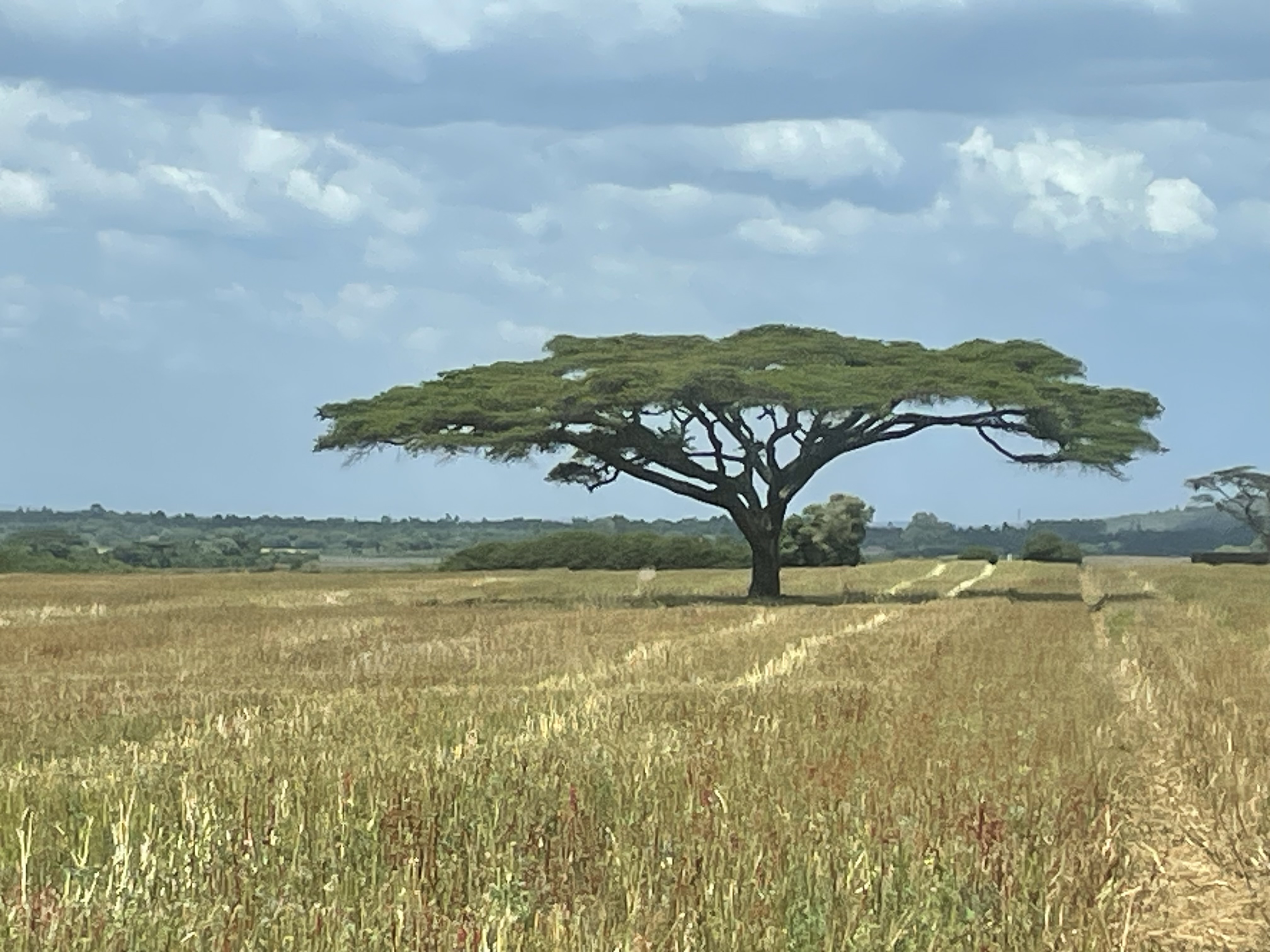

The row crop farms focused on no-till, cover cropping practices and minimal compaction of the soil to maximize soil health and organic matter, which minimizes runoff and nourishes the fragile soil. Greenhouse and nursery operations showed us how they capture rainwater to conserve the small amount of water they get each year. They also demonstrated how they compost all their plant and animal waste to amend the soil for the plants. One operation even had a worm habitat for breaking down the organic matter and they used the “worm juice” liquid runoff as a fertilizer. Solar or geothermal power is common in some of the more desolate areas, and where the electric grid is unpredictable, which is common. With plentiful sun yearround, they don’t even use clothes dryers!
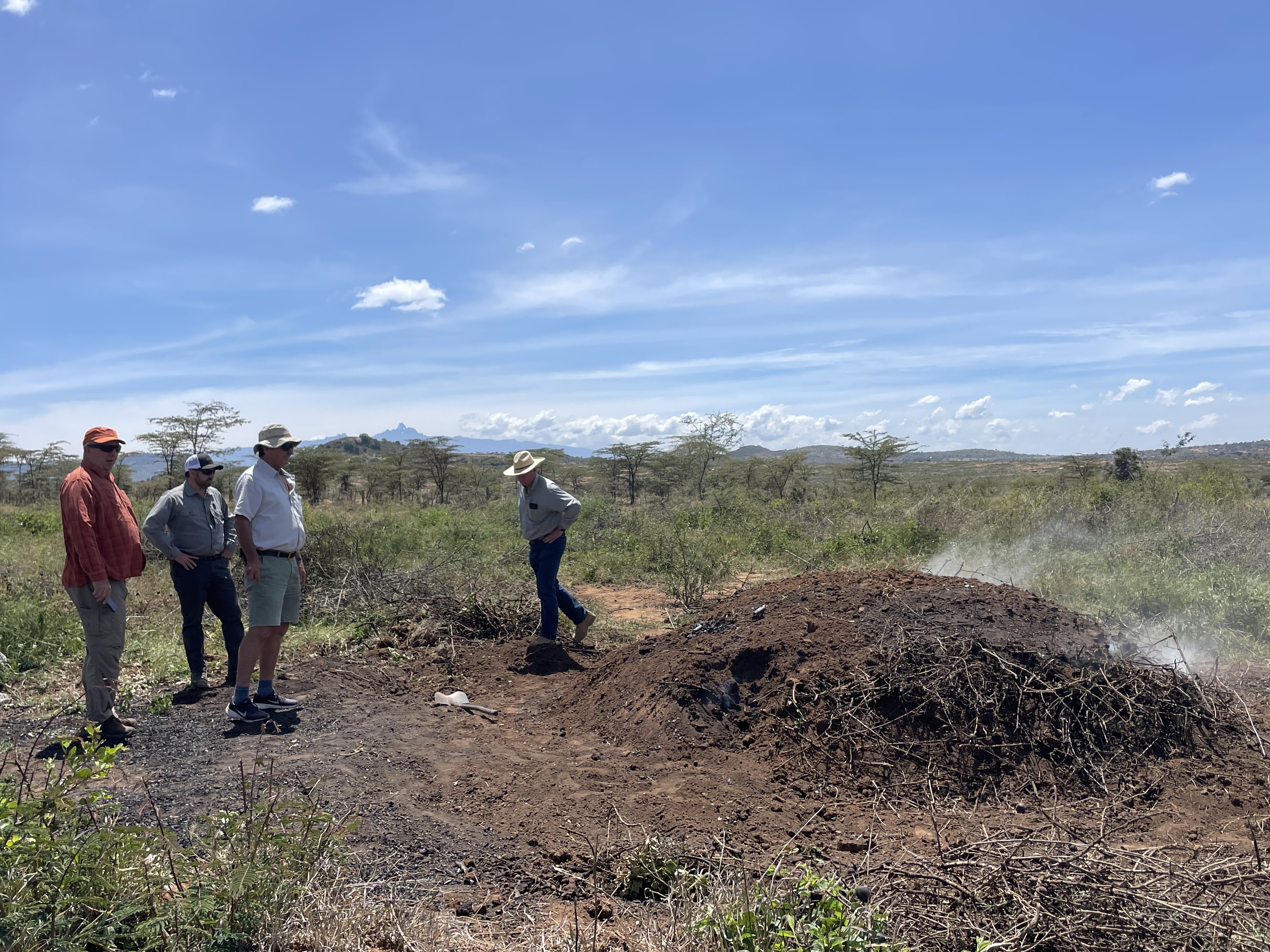
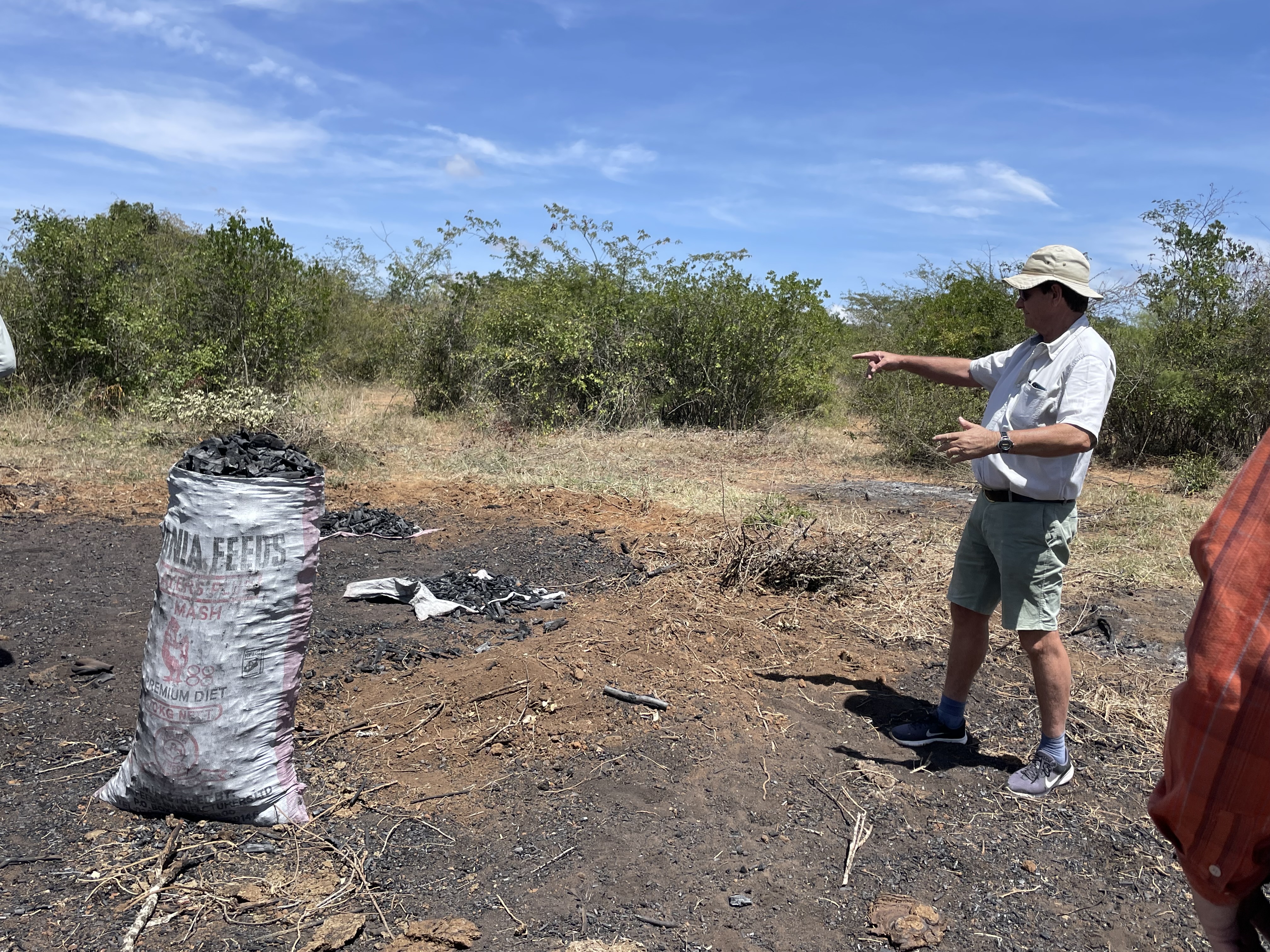
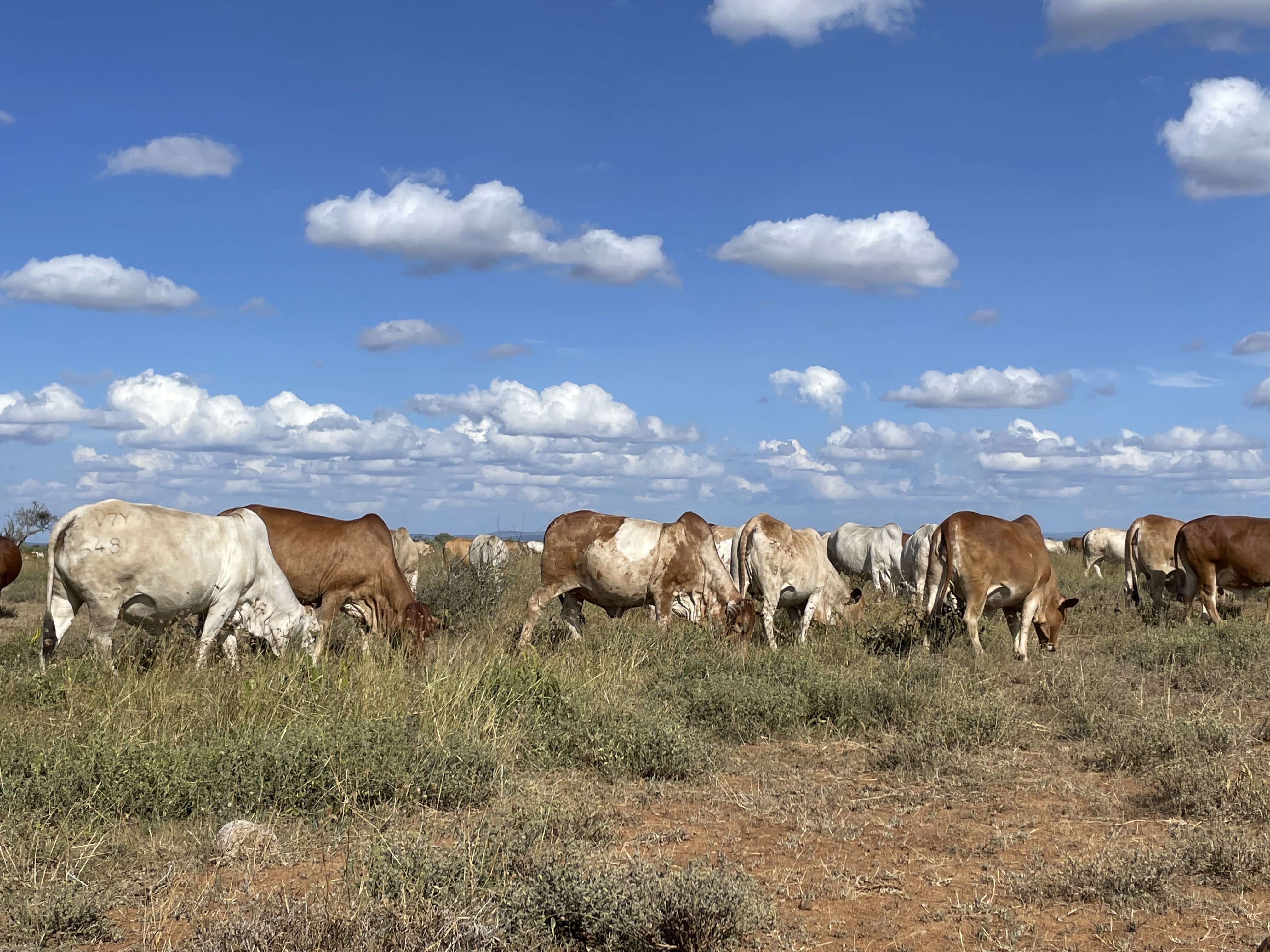
When clearing brush from land, the wood is stacked and covered with soil and “smoked” to make bio-char, which is a common type of charcoal Kenyans use to cook their food, as only 20% of the rural households have electricity in some areas we visited. Speaking of beef, rotational grazing is used for the Boran cattle we saw, which allows the grasslands to be replenished and avoids over-grazing which can cause the bare soil to blow away.
As we traveled, we kept noticing the resourcefulness of the people, out of necessity for some, but out of a sustainability mindset for others. I think one quality of a good leader is to be a steward of the resources given to us. These examples helped me see how inventive, creative thinking can generate innovative ideas that use capital, human, and natural resources sustainably.

 valeadersor.com
As always, Alicia, I really appreciate your perspective. You did a great job of highlighting the resourcefulness of the people and operations that we encountered in Kenya!