


Transformative is defined by Merriam-Webster as “causing or able to cause an important and lasting change in someone or something.” In past blog posts, I’ve often captured my travel experiences with a single, descriptive word—one word to summarize a person, a place, or a moment. This time, that single word is the influence on me personally. The VALOR trip to Morocco had a profound and lasting impact on me—one so deep that it took nearly ten days after returning home to even begin processing it.
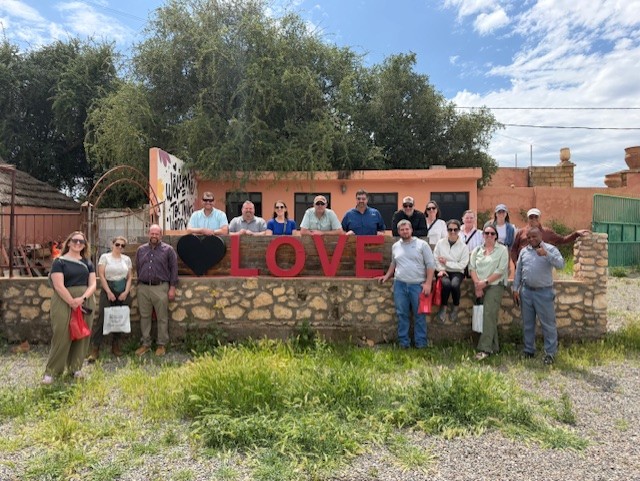
Let me take you back to March 1. My wife and I were watching the Sunday Morning news when the broadcast focused almost entirely on coordinated military strikes by the United States and Israel against Iran, known as Operation Epic Fury. As I watched, my thoughts immediately raced ahead to our upcoming VALOR trip to Morocco—less than two weeks away. As airstrikes continued over the following days, my uneasiness grew. It wasn’t just concern for travel safety, but a deeper anxiety about how a group of sixteen Americans might be received in a predominantly Muslim country.
Although Morocco is more than 3,000 miles from Iran—farther than Virginia is from California—there was still an undeniable uncertainty about the culture, the people, and the broader geopolitical situation. That nervousness accompanied me right up until we landed.
Within hours of arriving and checking into our hotel in Casablanca, we heard the adhan, the Muslim call to prayer. Recited by a muezzin and broadcast from mosque loudspeakers, its melodic cadence summons Muslims five times a day to prayer. The sound was both haunting and beautiful—deeply spiritual, yet a stark reminder that we were immersed in a culture very different from our own.
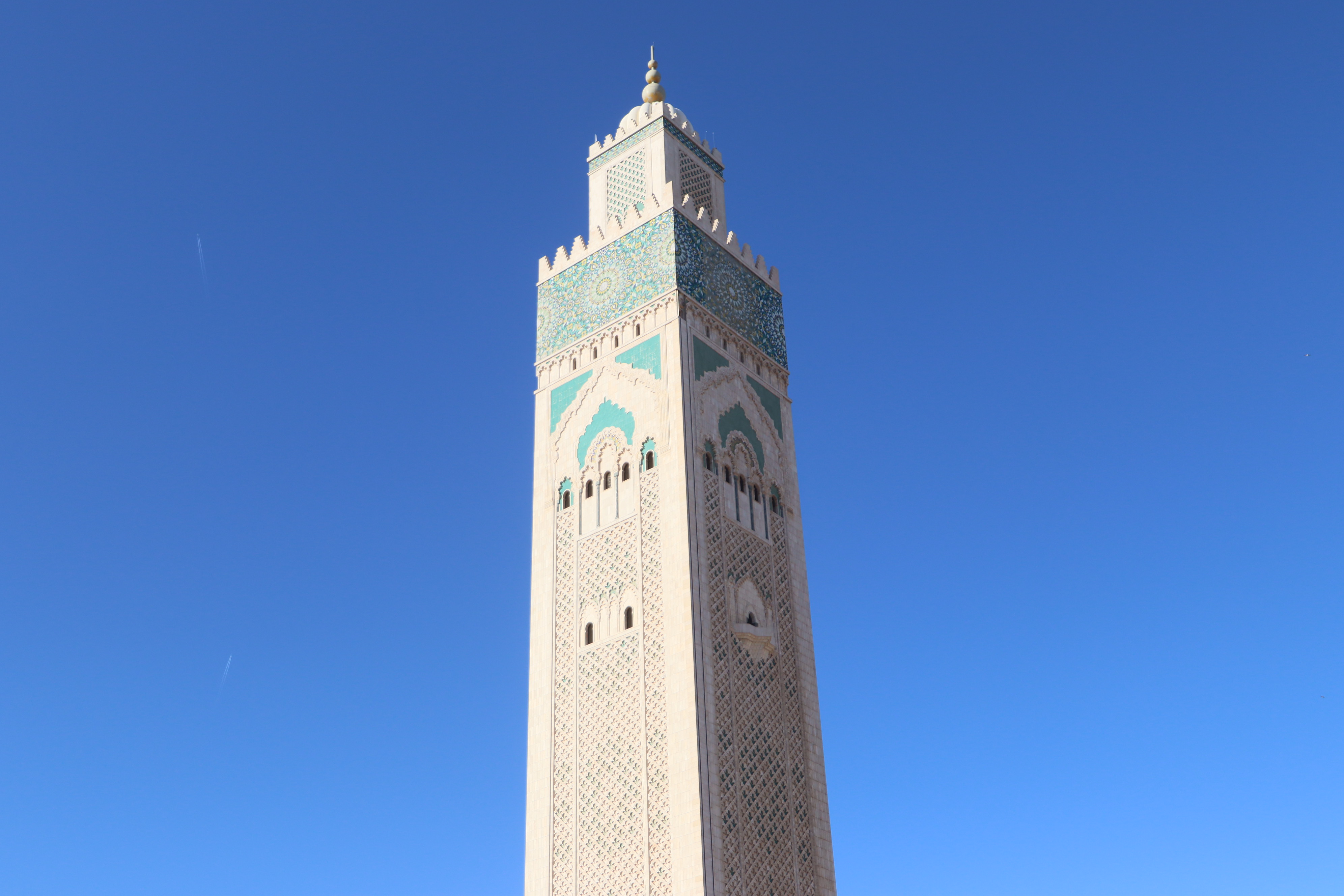
Despite my initial apprehension, it took only a few days to realize that Muslim culture is rooted in peace, generosity, and genuine human connection. I was wholly unprepared for the overwhelming kindness and humility we experienced.
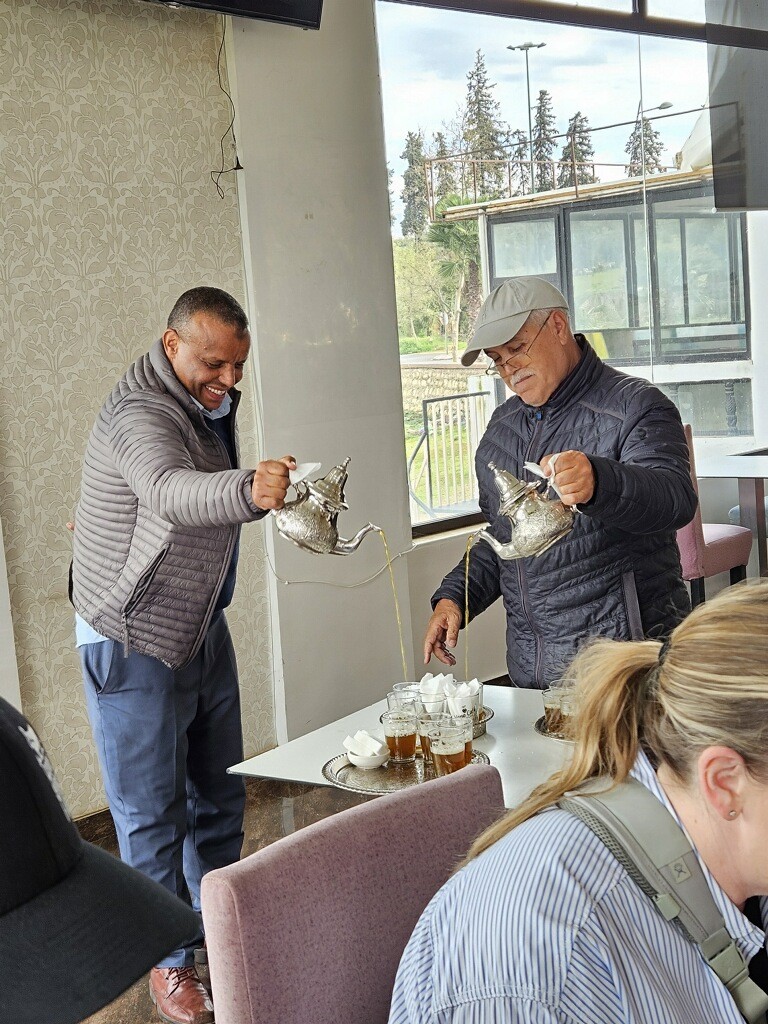
Our tour guide, Omar, and our bus driver, Abdul, embodied service in its purest form. Their acts of kindness extended far beyond our group. They quietly gathered leftover meals to share with shepherds we passed along rural roads. They discreetly offered coins to elderly men and women in the narrow alleyways of Fez. Their attention to our group’s needs was constant and selfless.
Each morning began with a personal interaction with Abdul—what started as a simple fist bump quickly evolved into a bro hug and, by the end of the week, a full embrace. Omar and Abdul exemplified servant leadership in ways that will stay with me for the rest of my life. Even now, I struggle to fully describe how transformative that example has been.
Another defining moment came during our visit to a family-owned citrus orchard, where we met Daia, the daughter of the owner and our guide for the day. At first glance, Daia appeared soft-spoken and shy—a woman in her early twenties who might not fit the typical image of a “farm girl.” But within minutes, and after side conversations among our group, it became clear that she is a rising star with extraordinary potential.
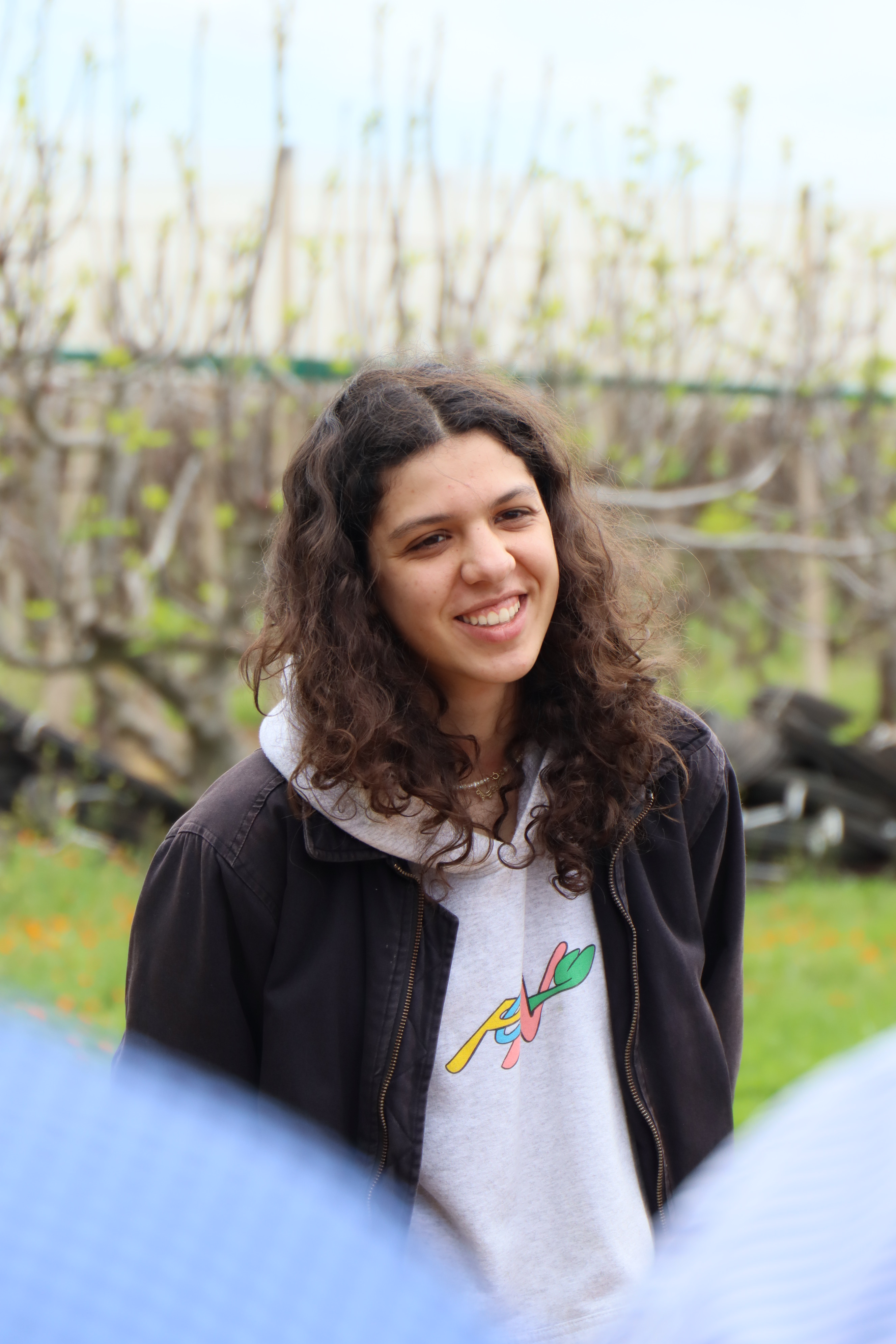
Daia is currently studying software engineering at university while developing an application that integrates farm inventory, labor costs, irrigation schedules, weather patterns, inputs, and revenue streams utilizing artificial intelligence to conserve water, increase profitability, and improve efficiency. Her passion for agriculture—and her desire to blend advanced technology with what she lovingly called her “love of trees”—was inspiring.
She shared that her mother instilled this love at a very young age and taught her that agriculture can be both noble and profitable when managed well. Seeing a young person with such clarity of purpose and determination reaffirmed my belief that the future of agriculture—not just in Morocco, but globally—is incredibly hopeful. Working with young people in agriculture is a personal passion of mine, and that affirmation filled my heart with joy.
Two of the most meaningful transformations revealed themselves only after returning home.
The first was a renewed appreciation for my blessings—especially my family. My wife, children, and parents have stood by me through both triumphs and challenges, always offering unwavering support. The fourteen days I spent traveling with VALOR marked the longest period I’ve ever been separated from my wife since our marriage. Witnessing how Moroccan culture honors family and relationships has deepened my appreciation for—and commitment to—the relationships that ground me at home.
The second realization centered on gratitude for my career and my employer. I am blessed to work for a company that genuinely values its people. I’m not only encouraged to do work I love, but also to pursue my passion for mentoring young people and advocating for an industry that has shaped my life.
Before we left for Morocco, my manager encouraged me to fully immerse myself in the experience—so much so that I was instructed to leave my work phone and computer in Virginia. That trust and encouragement illuminated the importance of work-life balance, something I have struggled with throughout my career. This experience has reshaped my perspective, making me both a more dedicated employee and a more present human being.
My final transformation remains something of a mystery—but one that continues to stir my mind, faith, and spirit. Since returning, I’ve felt a persistent call to be more proactive in shaping the future of agriculture. I don’t yet know exactly what that role looks like, but I’m confident the path will reveal itself.
Moroccan agriculture, in many ways, has resisted technological change and still relies on practices Americans might consider antiquated. At the same time, I see that American agriculture must continue to innovate, remain flexible, and abandon outdated practices—not only for our own sustainability, but for the benefit of agriculture worldwide.
As my VALOR experience continues to unfold over the coming months, identifying how I can help champion meaningful change will remain a central focus. As Humphrey Bogart’s character Rick Blaine famously says in Casablanca, “Maybe not today, maybe not tomorrow, but soon—and for the rest of your life.”
This journey was truly transformative, and it will undoubtedly shape the rest of mine.

 valeadersor.com