


Country is countrywide in Canada too.
From the apple orchards of northern Virginia to the vineyards of New York state and upward into Ontario’s fruit basket, farm traditions persist in proximity to urban centers throughout North America.
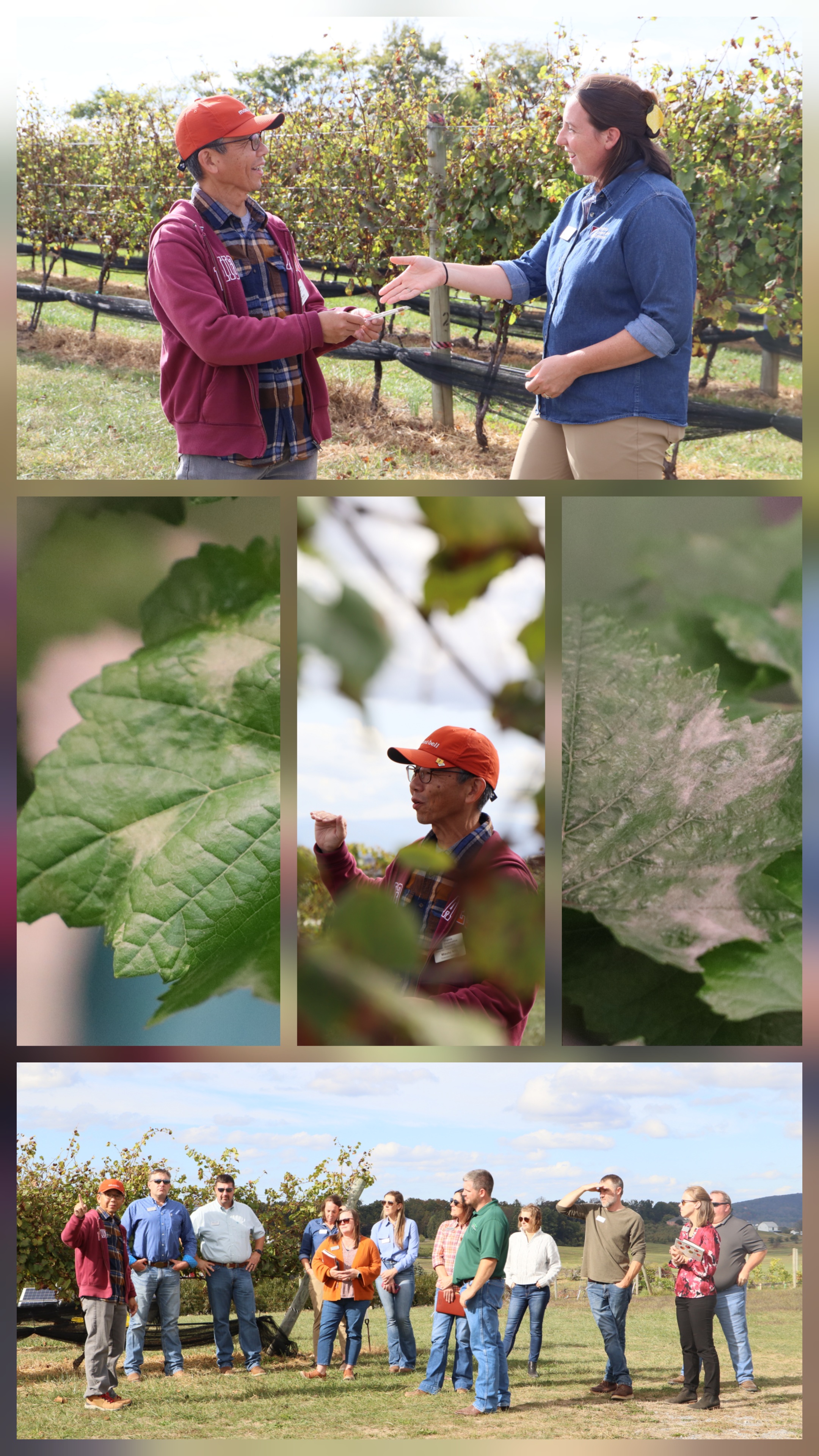
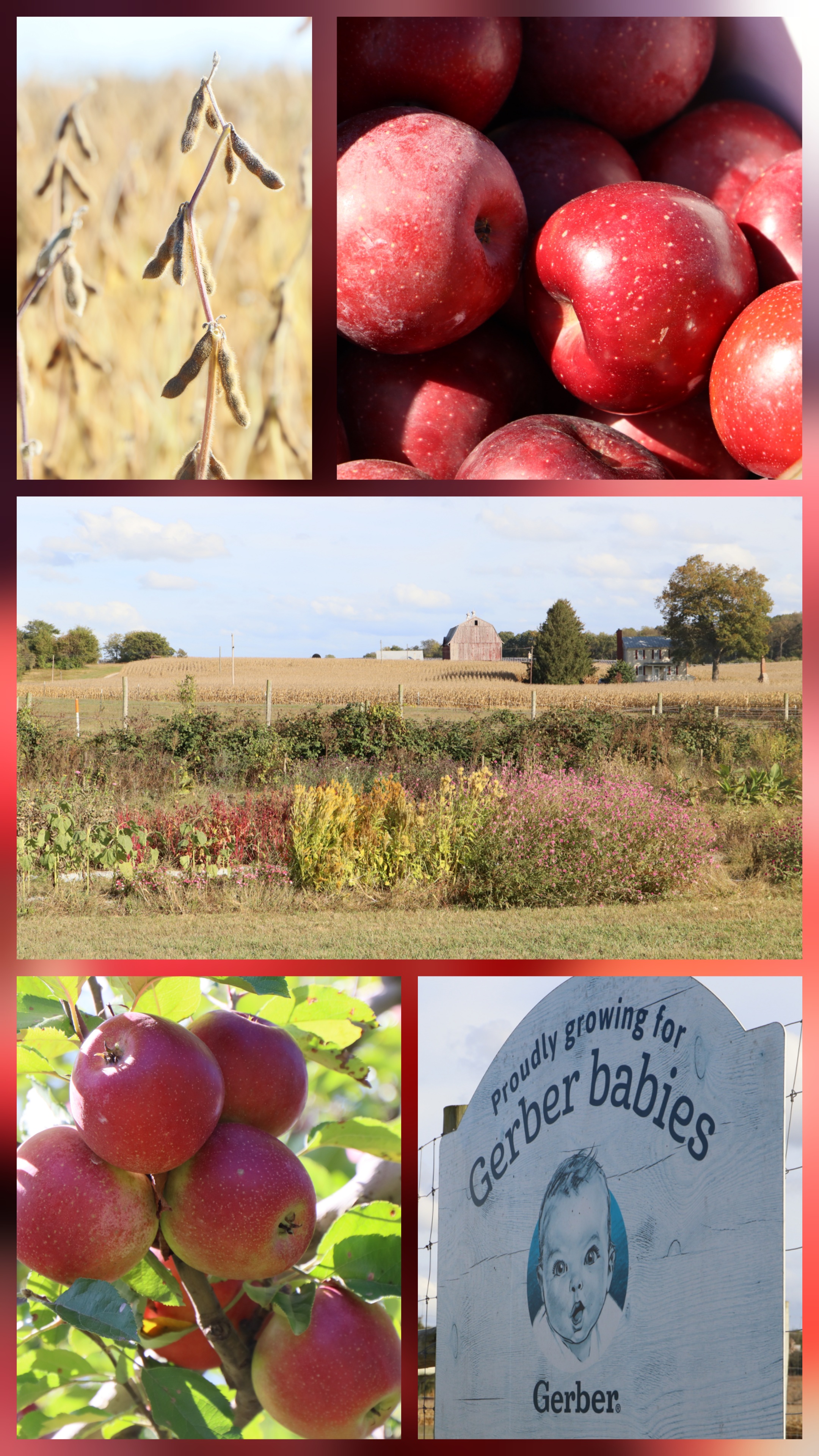
VALOR Class VII followed northbound byways to the apple orchards and wine grape vineyards of Winchester and Frederick County at the headwaters of our national seminar in October. We met the researchers studying disease pressures and watched guest workers hand-harvest Rome apples for commercial consumption and baby food processing.

We learned about rendering—the invisible industry reclaiming, renewing and returning animal-based products like organ meat, bones and fat to consumers as ingredients in pet food, cosmetics, biodiesel and a host of household goods.
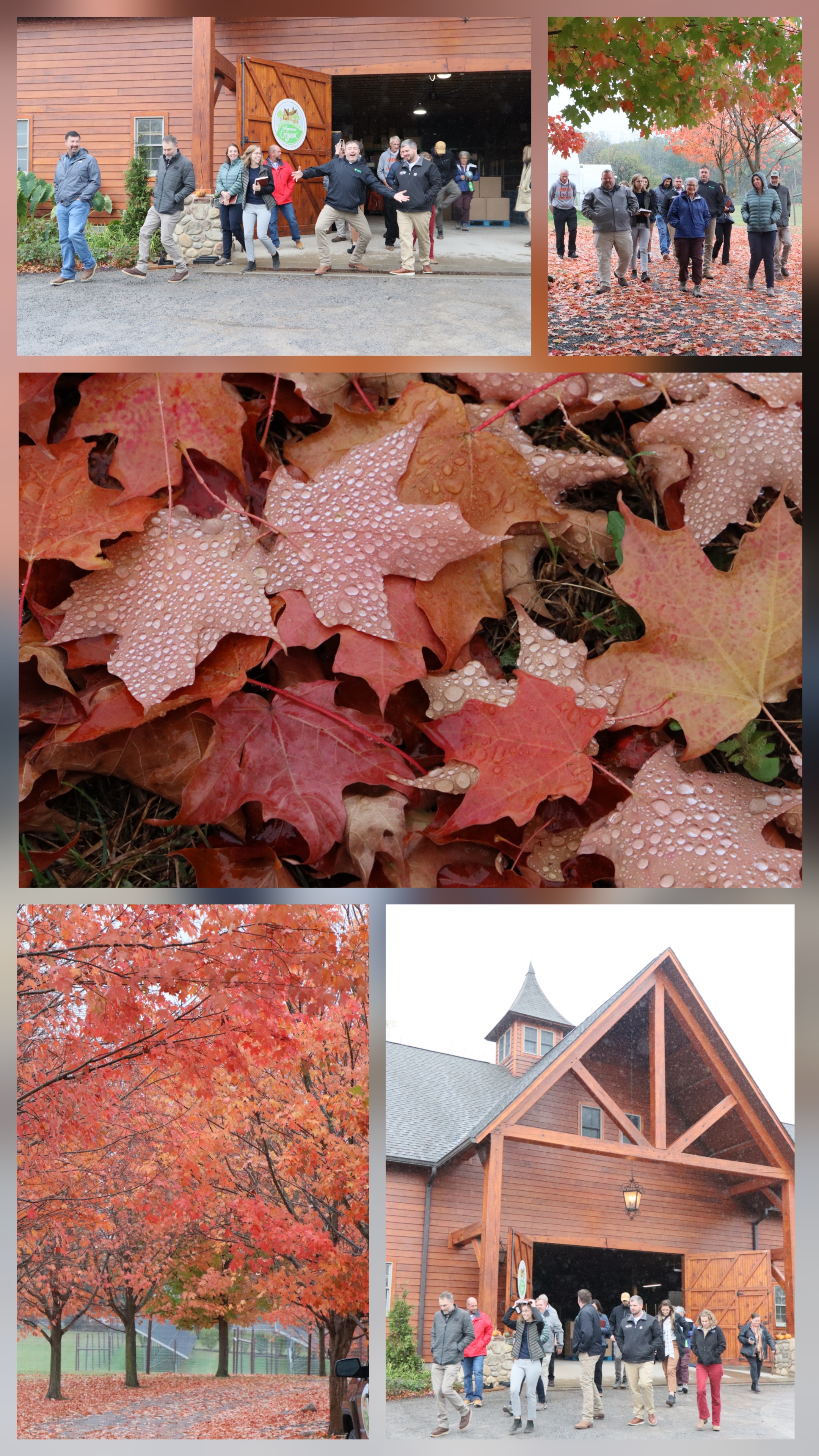


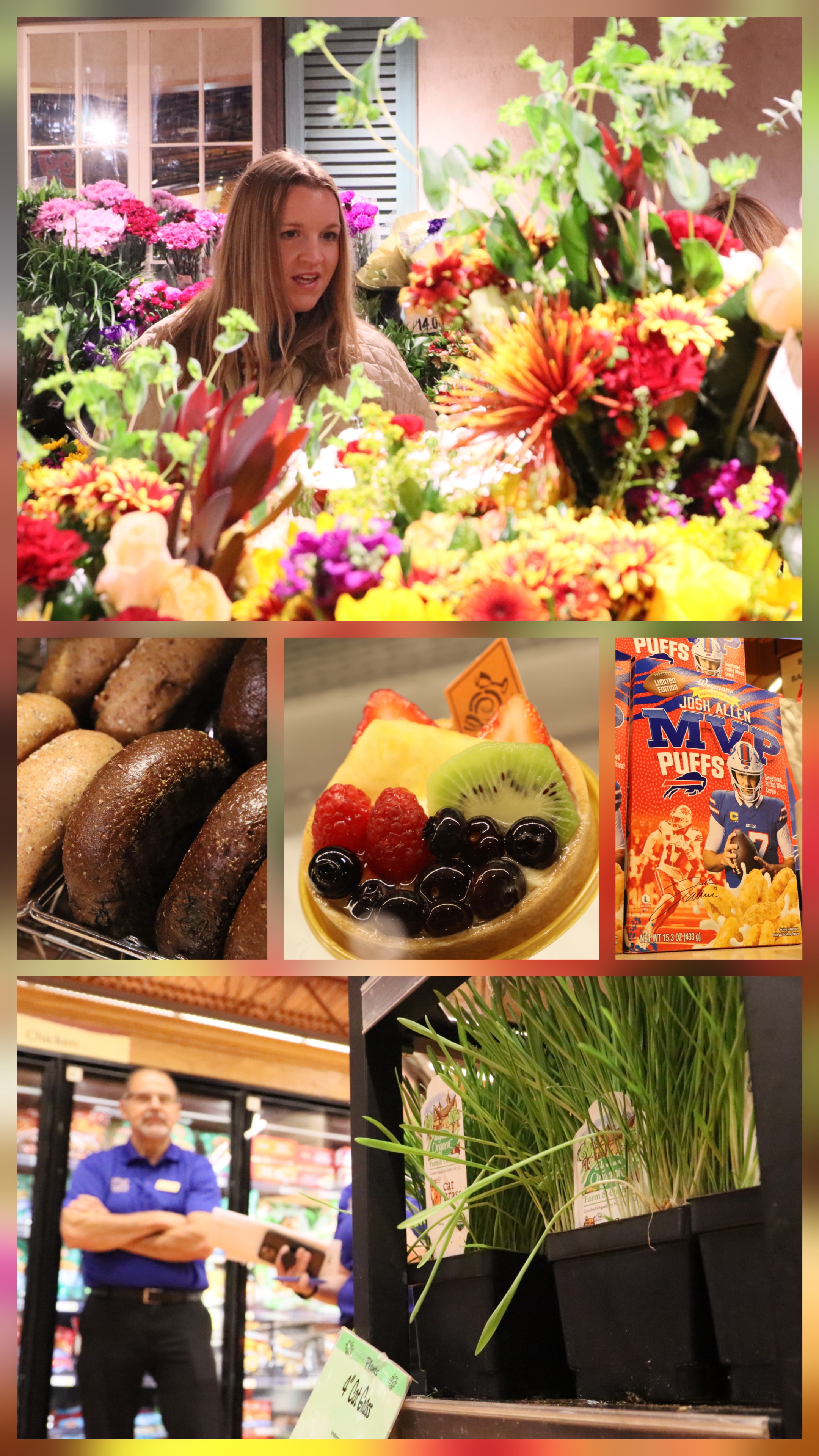

Canandaigua on New York’s Finger Lakes is the site Wegman’s sprawling regenerative organic farm producing fruits and vegetables to supply their 114 stores across nine states. Along with their East Coast partner farms, they grow wheat for Wegman’s bakery items, wheat grass, grapes and apples for their Green Goddess and Black & Blue Stomp cold-pressed juices and apple cider. Wegman’s stores, headquartered Buffalo Bills territory, started as a humble pull cart in 1916.
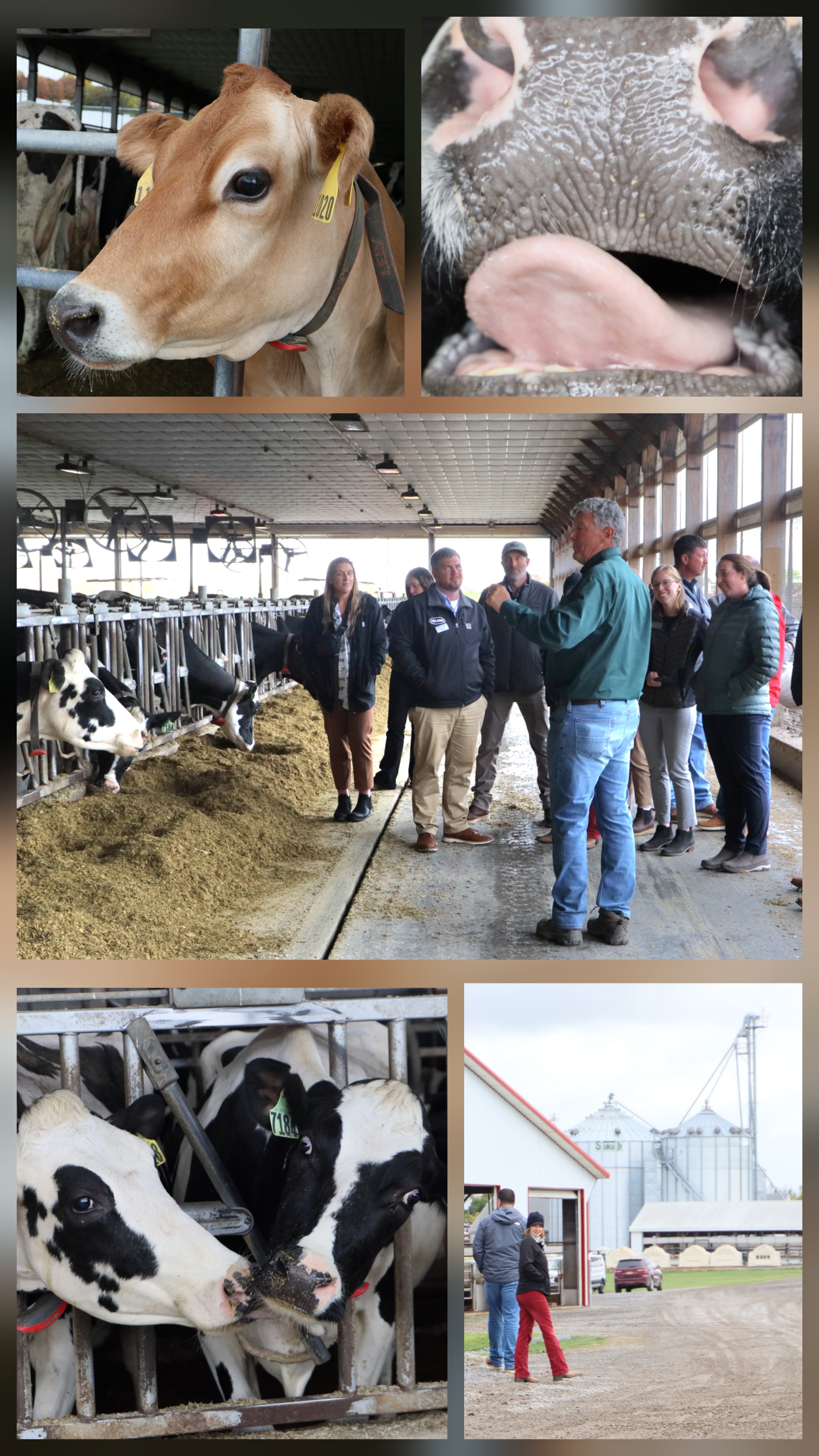
“Protein is our business!” Dairy farmers and processors enlightened us on renewed consumer interest in whole milk’s protein power after years of decline and market share with plant-or-nut-based beverages. As New York’s dairymen invest in expansion, they join major processors in “driving the state’s dairy economy” with shelf-stable products and value-added items like whey for protein drinks.

Just over the border in Ontario is Carleton Mushroom Farms—a leading supplier of fresh mushrooms to half of Canada and part of the U.S.—producing 300,000 pounds a week of white, café, portabella, shitake, oyster and enoki varieties. Fifty multi-level growing rooms will produce two flushes very 14 days. Spent substrate made from agricultural by-products is regenerated into compost and an alternative revenue stream.




An exclusive tour of Parliament Hill’s governmental complexes was led by a distinguished host and champion for Canadian agriculture. Sen. Rob Black, appointed by Prime Minister Justin Trudeau in 2018, commissioned a report urging the Canadian government to designate soil as a strategic national asset. “Soil delivers ecosystem services that enable all—plant, animal, human—life on Earth.”

Sixty million liters of goat and sheep milk is processed into the delectable cheeses we Yanks enjoy year-round. Mariposa Dairy’s boldly seasoned chevre logs and feta cheese crumbles are available to U.S. consumers at Aldi and Costo stores. One million logs of their cranberry chevre are sold every Black Friday.
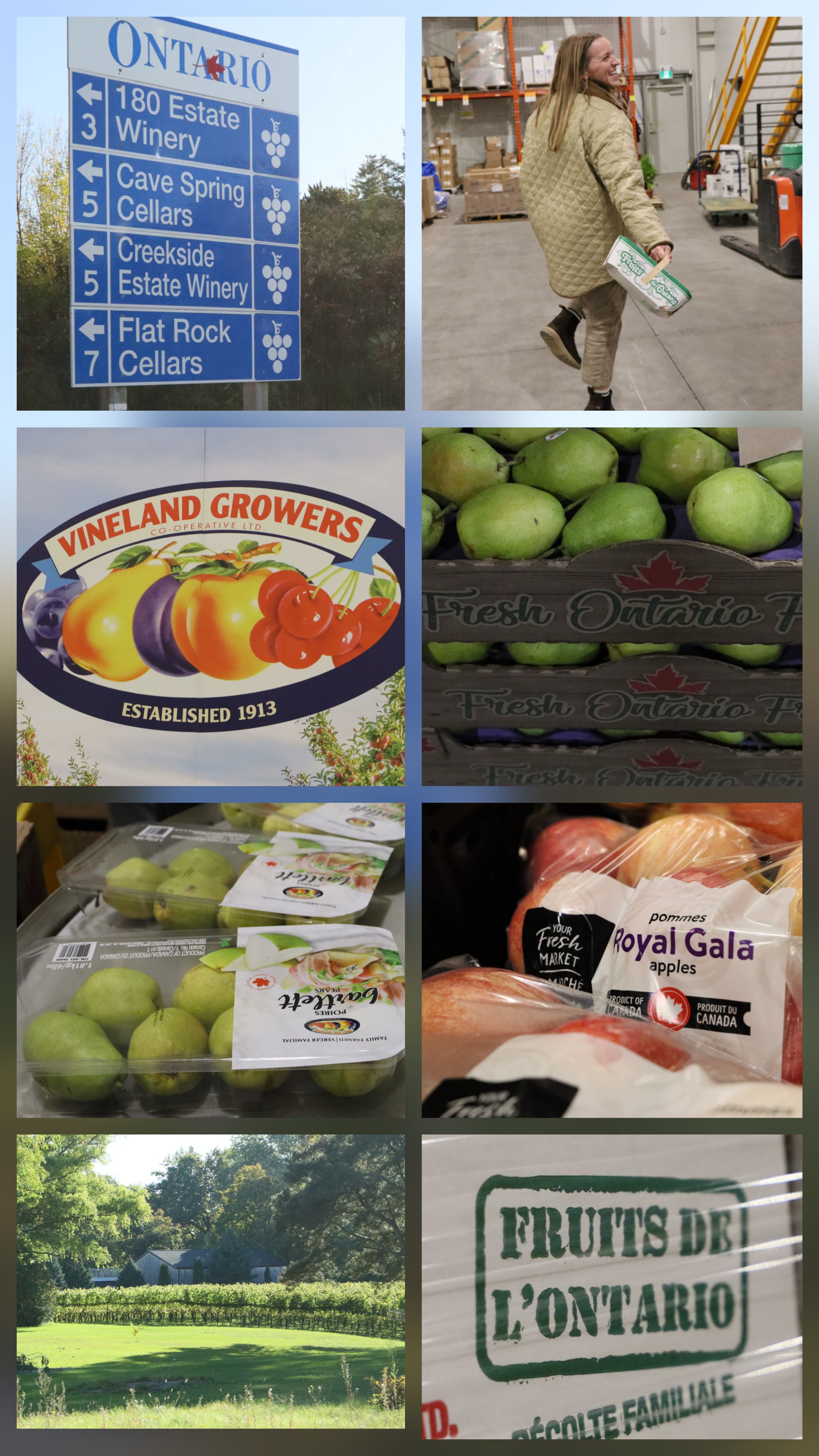
The Niagara Escarpment has a humid continental climate moderated by the Great Lakes, resulting in warm summers and snowy winters, but with a milder overall effect. This microclimate and rich soil allow growers to produce flavorful varieties of apples, apricots, cherries, grapes, nectarines, peaches, pears and plums. Fruit marketers, packers and suppliers at Vineland Growers Co-operative, the longest continually run co-operative in Ontario, said the Niagara region “is the only area in Canada where we can grow these crops.” Consumer demand outpaces supply.

In the spirit of transcending the political moment, we met with Canadian farm economy and finance leaders who reminded us that representing farmers “goes beyond a political philosophy or party identity.” And with less than 2% of Canada’s population working in agricultural production, “the gratitude you will receive can fit on the head of a pin.”

Next stop: Southside Virginia’s tobacco country!

 valeadersor.com