

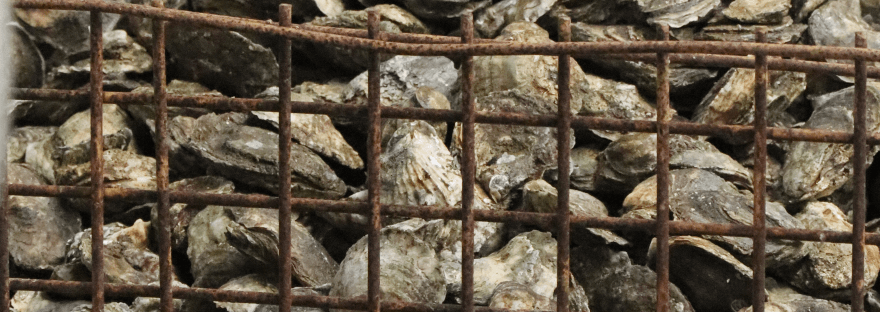
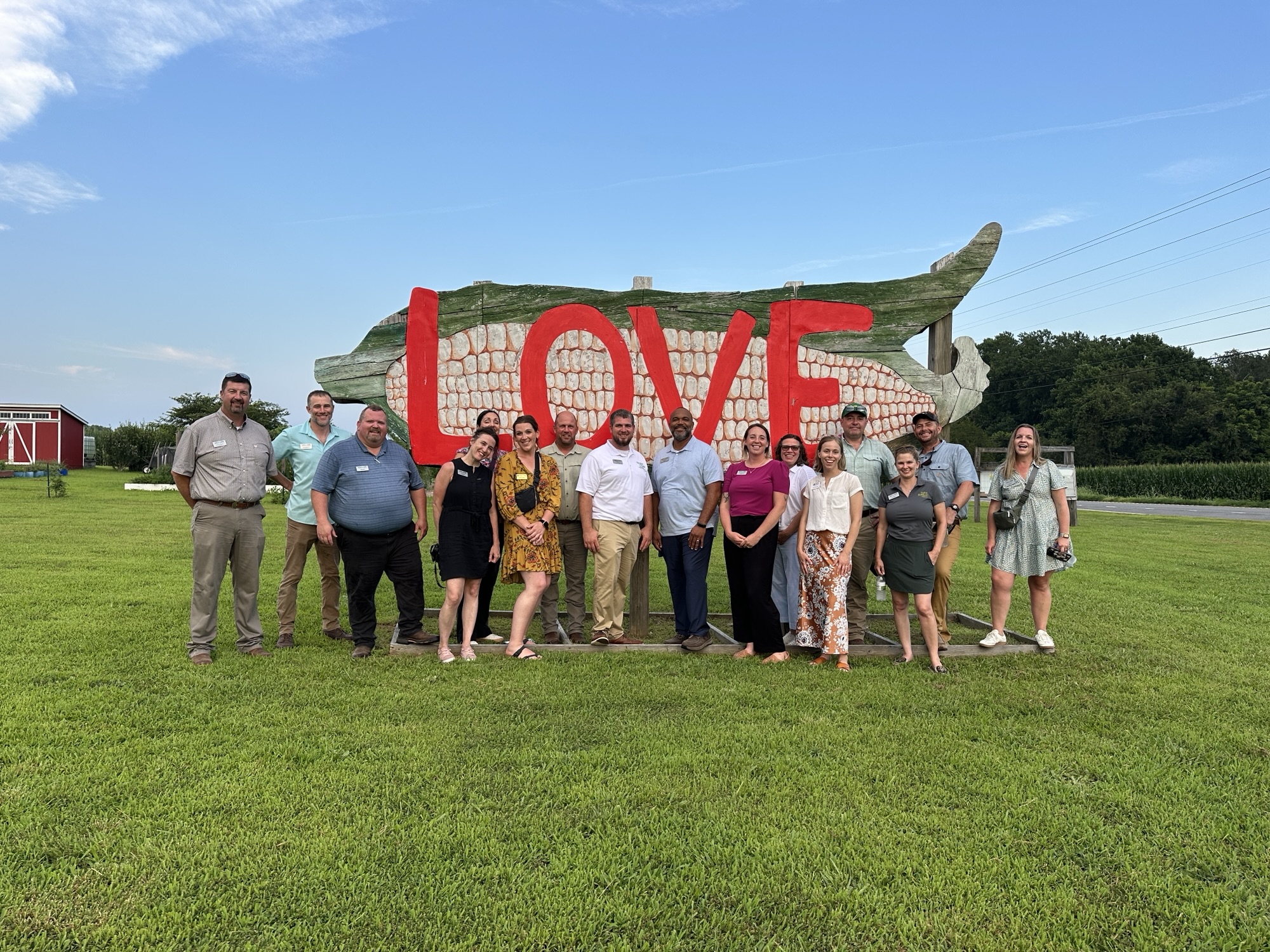
Our sixth VALOR seminar brought us out to Virginia’s Northern Neck where we got to take a firsthand look at oyster farming. I expected a change of scenery—but I didn’t expect it to shift the way I think about agriculture.

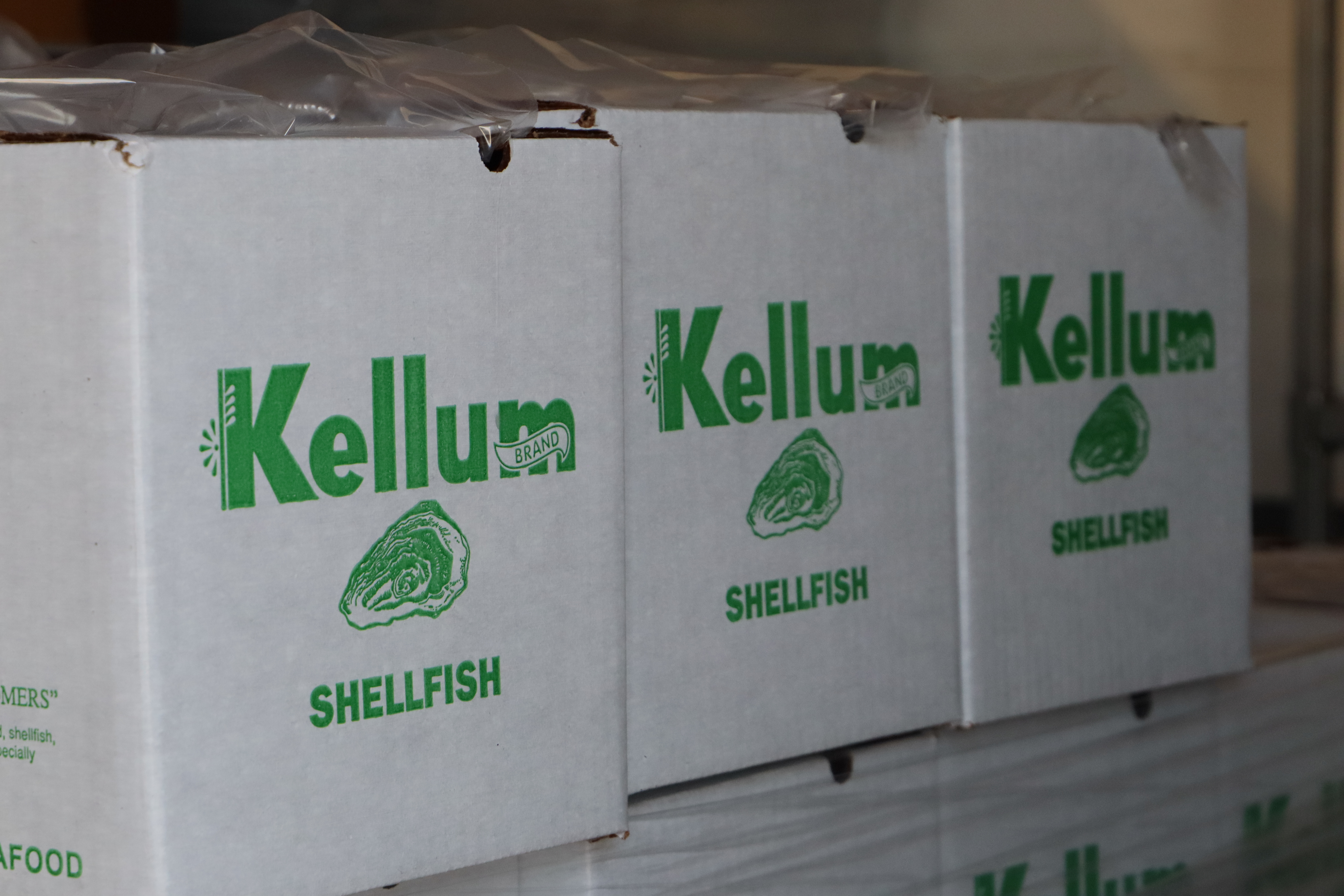
One of our stops was Kellum Seafood, a family-run business that’s been part of the Chesapeake Bay community for generations. Mr. Kellum greeted us with stories that reflected both tradition and adaptability. (Even though their sign read- “Resisting change since 1948”) It was clear that this wasn’t just a job—it was a legacy. From the way they sort and pack oysters to their efforts in sustainability, everything they do carries a sense of pride and responsibility.


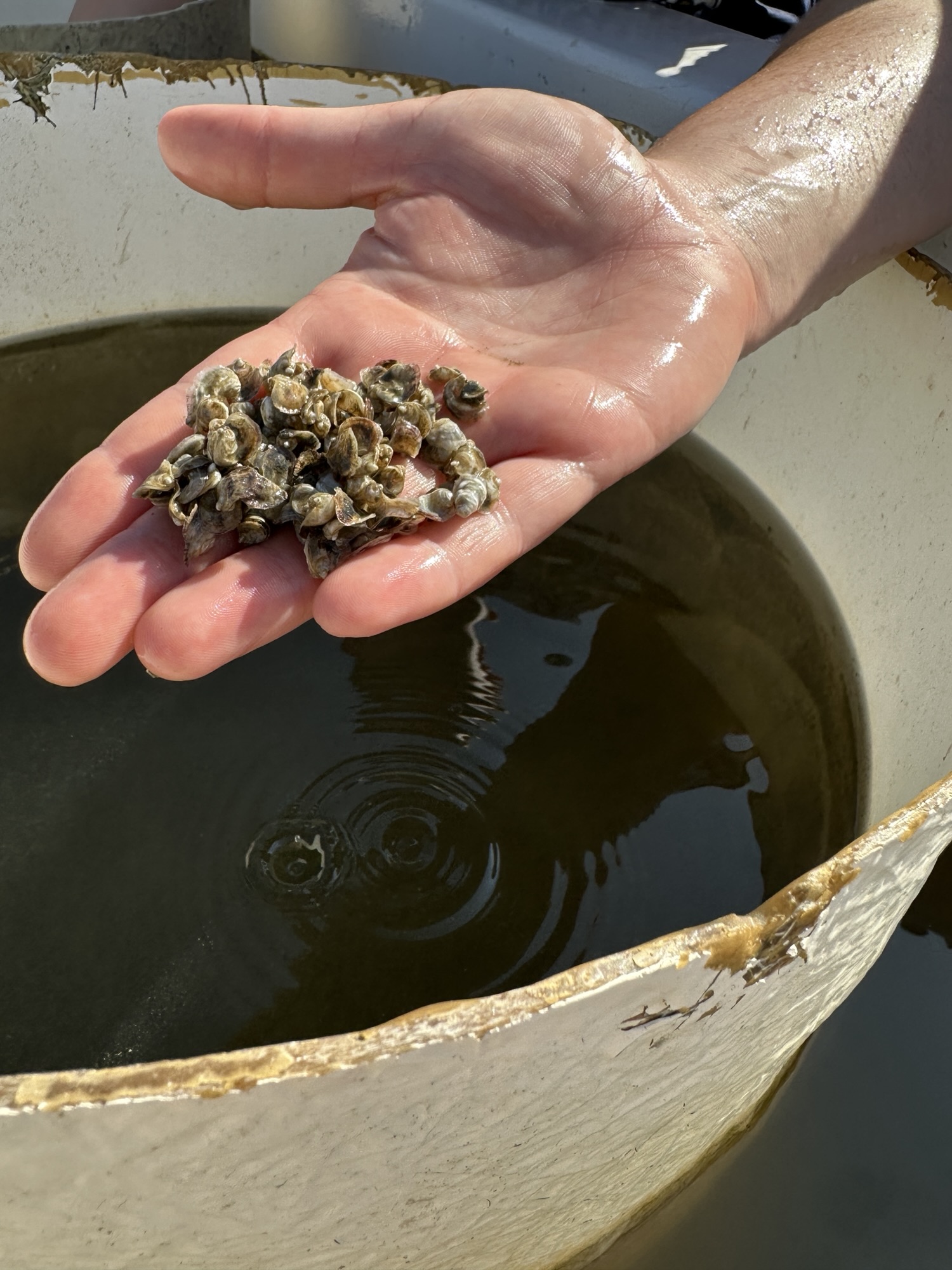
Later, we visited Rappahannock Oyster Company, where they’re blending innovation with heritage—using floating cages and making a splash in the culinary world. The contrast between the two farms was evident, but the core values were the same: care, resilience, and a strong connection to the water.


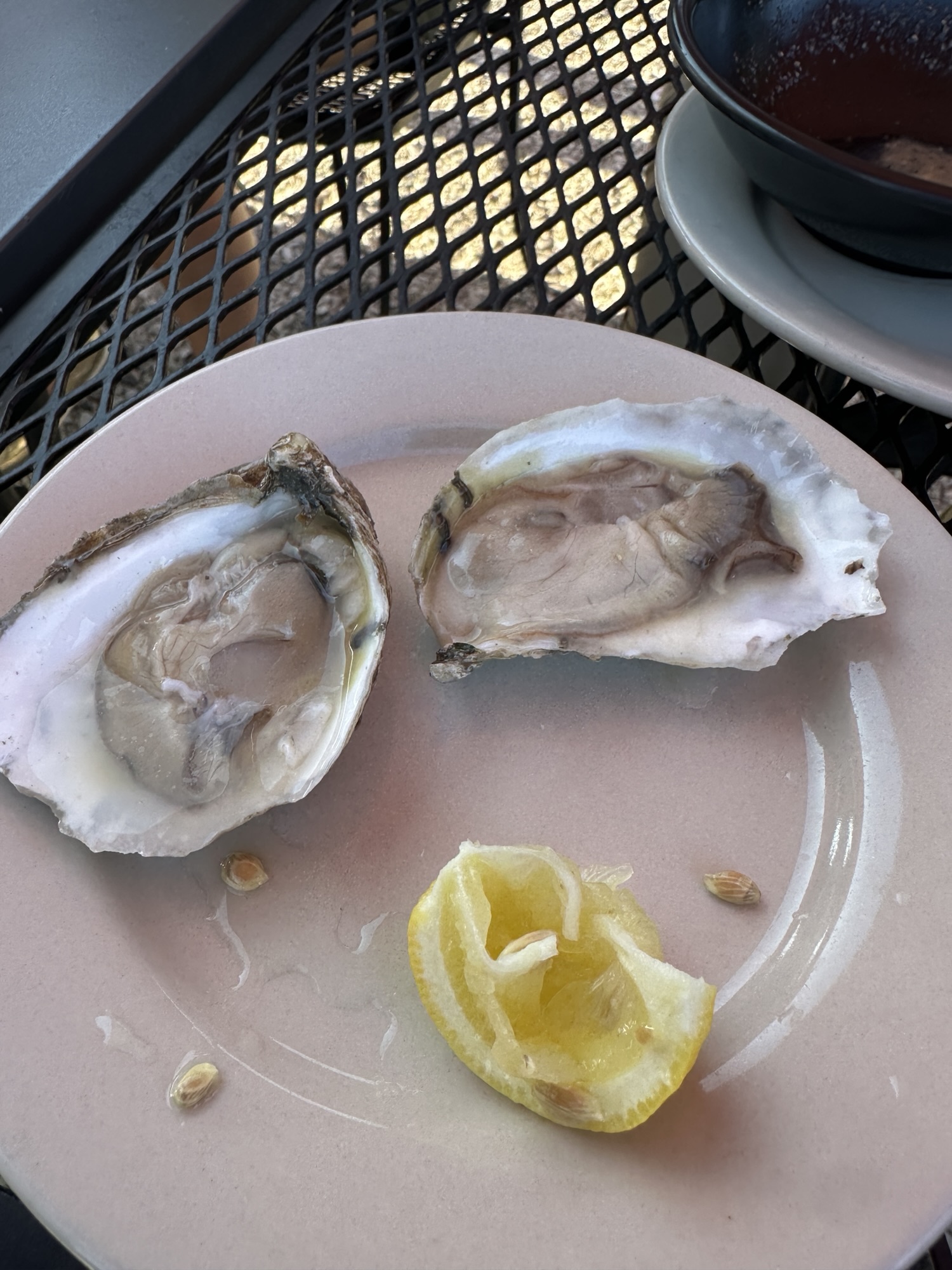
Coming from a beef cattle background, I’ve always seen farming through the lens of pastures, barns, and feed. At first glance, cattle and oysters couldn’t be more different—land vs. sea, hooves vs. shells. But being out on the Bay made me realize that despite the surface differences, there’s a shared rhythm to what we do. Whether you’re on a boat or in a field, it all comes down to understanding your environment and taking care of it.
One thing that really stuck with me was how oysters feed—filtering plankton straight from the water, helping to clean the Bay in the process. It reminded me of how cattle turn grass into protein—both are ways of taking something we can’t eat and turning it into something we can. It’s nature’s version of upcycling.
This visit was a reminder that agriculture isn’t just about what we raise—it’s about how we raise it. Whether it’s oysters or cattle, farmers are caretakers of ecosystems, whether that’s soil or saltwater. And at the end of the day, we’re all trying to do the same thing: raise good food and take care of the land (or water) we depend on.
Turns out, we’ve got more in common than I ever imagined.

 valeadersor.com
“But being out on the Bay made me realize that despite the surface differences, there’s a shared rhythm to what we do. Whether you’re on a boat or in a field, it all comes down to understanding your environment and taking care of it.”
^I. LOVE. THIS.