


Agriculture and food go hand in hand (DUH) so obviously I was looking forward to tasting the seafood of the Northern Neck. In true VALOR fashion I learned the NN was SO much more than food.
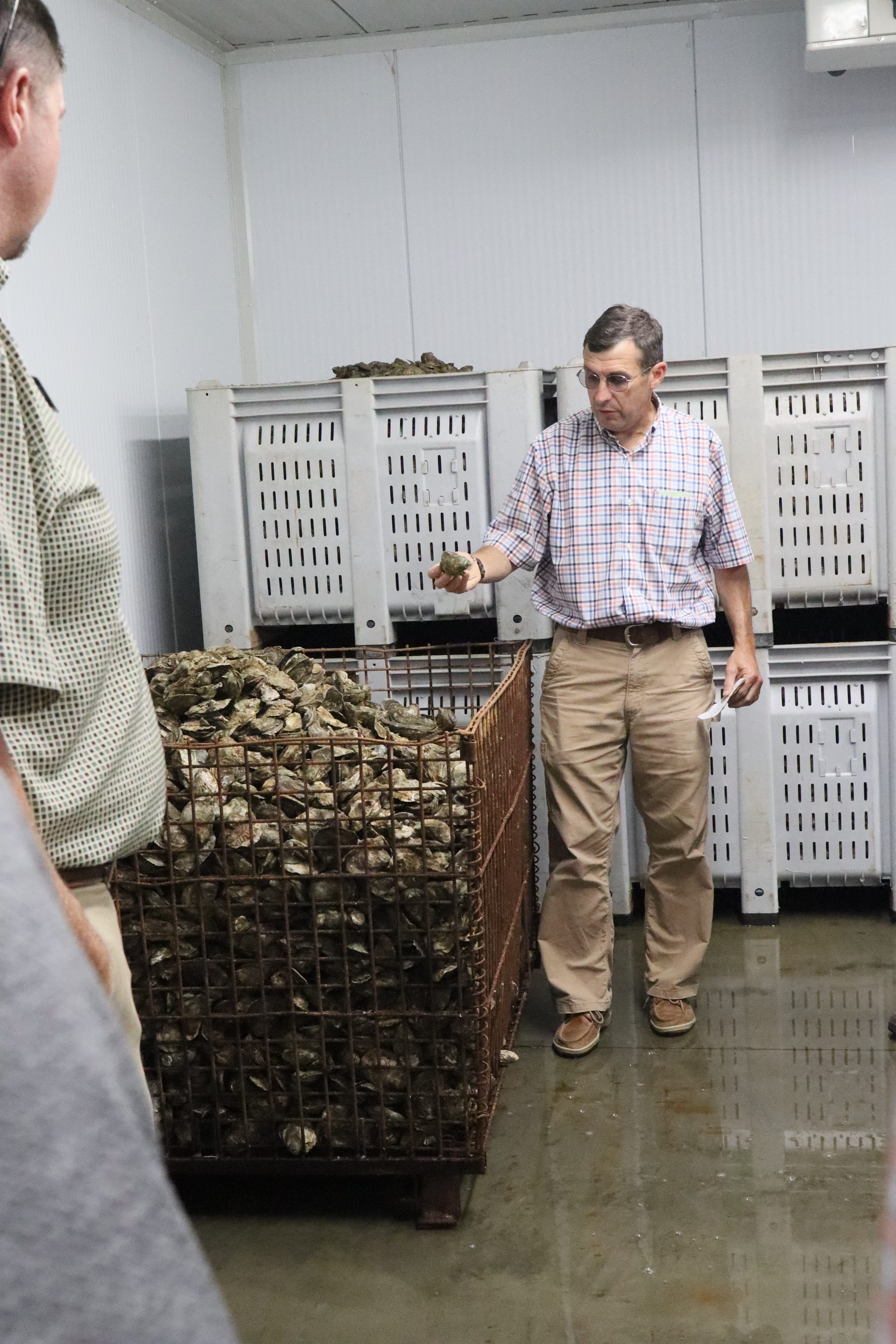
Number one take away (that people in my personal life asked)- You can eat oysters year round and don’t need to wait on those “R” months to do so. Mr. Kellum explained why this was an old wives’ tale (it has to do with them spawning in April/May so you get a fatter oyster in those R months) and if you heard the passion and respect for the industry he shared with us, you would believe him. I do. And we all ate oysters in July and lived to tell the tale. Mr. Kellum was open to share the ups and downs of the industry, how they “battle” public perceptions of the bay, and farm transition planning. He definitely had that “it” factor that exemplifies a leader in the industry I am greatful to have met and learned from him.
In my professional life, Menhaden fishing has come up several times since seminar VI. Prior to our VALOR trip I was not familiar with Menhaden fishing or its impact on the Northern Neck and Virginia economy. There are two sides to every story and I was glad to the story from those working in the industry at Omega Protein as well as from those living locally. I consider both sides when listening to policy discussions about Menhaden fishing. VALOR has given me the opportunity to be an educated part of the conversation.
“There is no culture without agriculture.” This is true in every aspect of culture. Many traditions are centered around the food we eat which falls back to when that food could be locally harvested. But that is especially true in the Northern Neck of Virgina which has rich history in agriculture and despite the building of mega mansions along the shoreline the area remains rural with land in farming.
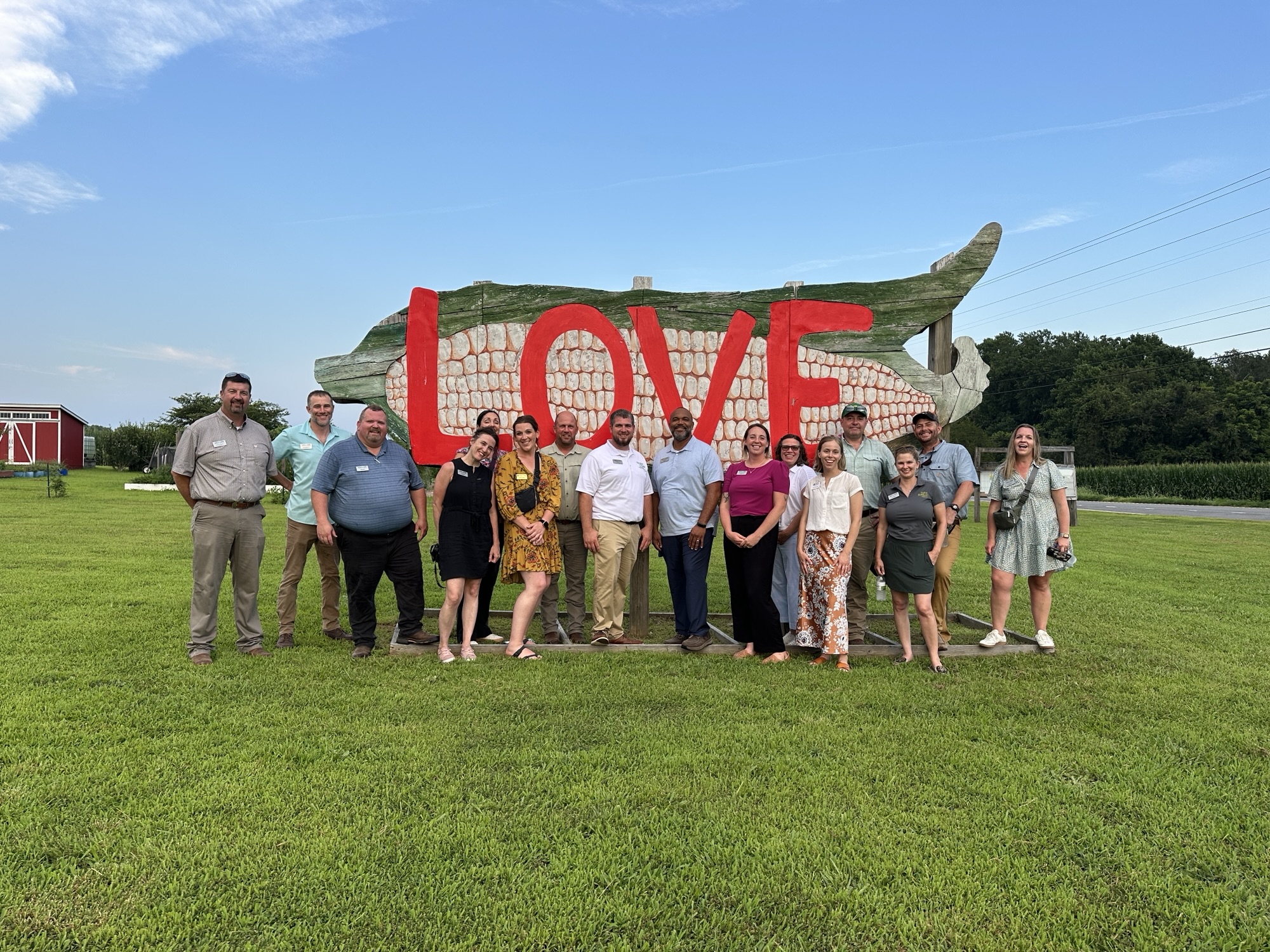
The Northern Neck Farm Museum strives to preserve and share this agriCULTURE. Ronnie Gill, COO of Colonial Farm Credit was joined by local loan officers, Jasleen Makkar from Eastern Virginia AREC, and John Jenkins of the museum board to share the origins of the museum and history of agriculture in the Northen Neck.

 valeadersor.com