


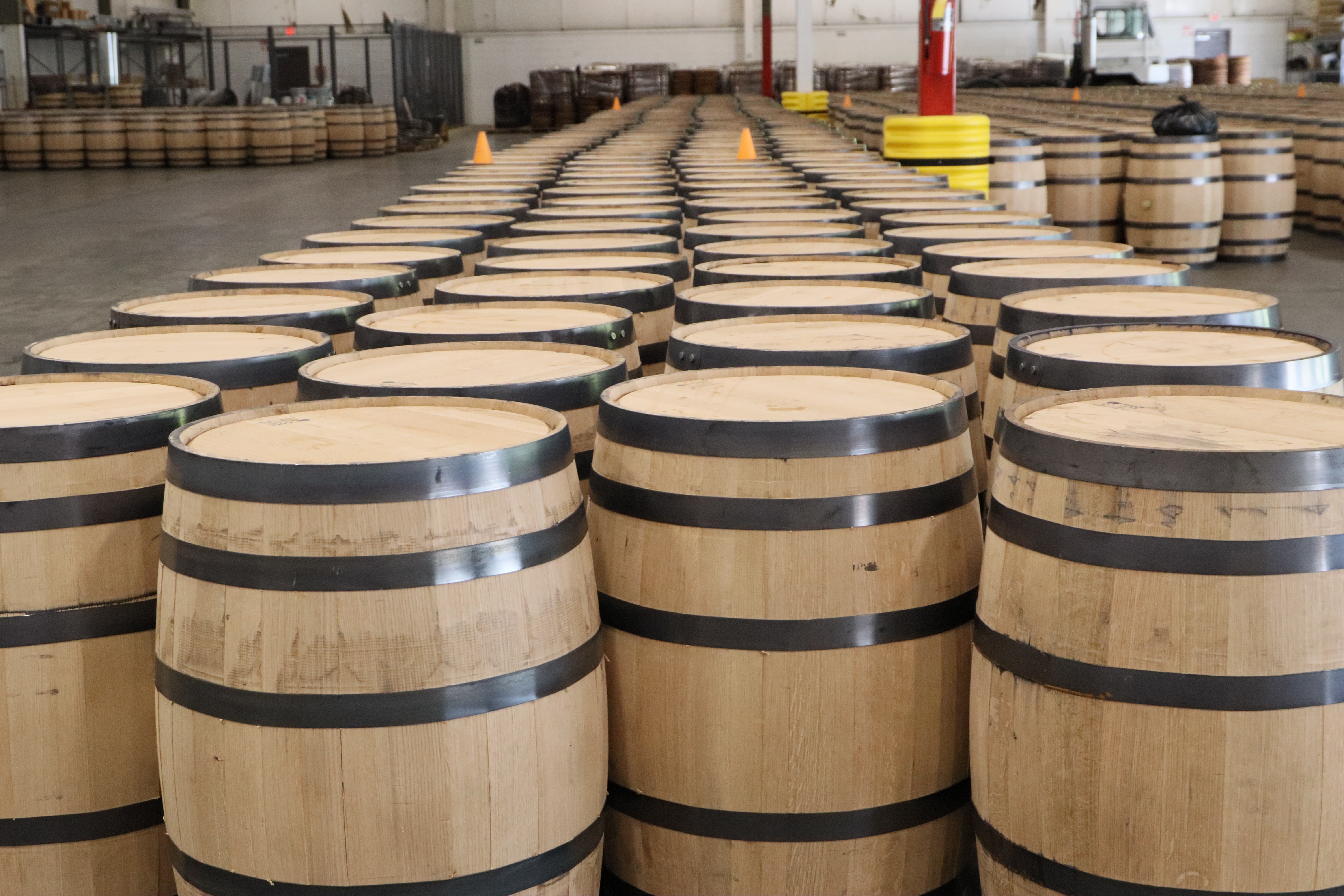
Southwest Virginia has a special place in my heart. Growing up we trail rode on the Virginia Highlands Trail (one of my favorite activities to date) but I didn’t truly fall in love with the Blue Ridge Mountains until I became a Hokie and never felt more at home anywhere than in Blacksburg. In short I was VERY excited about our Seminar VII trip to SWVA. Added bonus we were touring Speyside Bourbon Cooperage. A quick google educated me that they make barrels at a cooperage and there would be no bourbon tastings during our visit (a skill I already mastered at Virginia Tech).
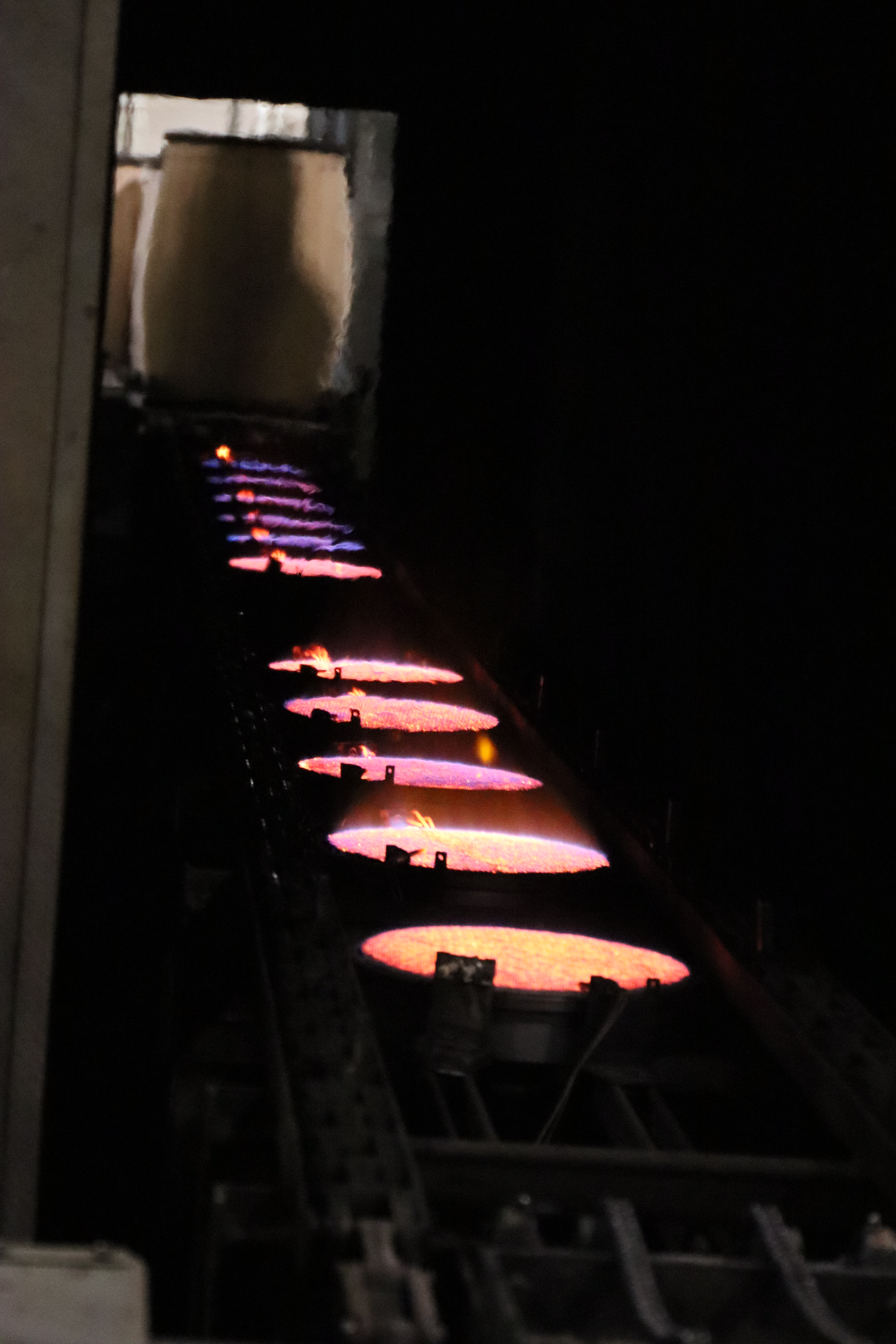
Chris Bailey and Trey Cook with Speyside in Atkins, VA gave a thorough tour of Speyside Bourbon Cooperage. I don’t think there was a single aspect of the barrel making process we did not see up close and personal. Although there is a lot of automation in the process, there is still a lot of “handmade” aspects that go into each bourbon barrel. Using cattail as “glue” to mend barrels that don’t pass the leak test was by far the most fascinating part. Many of these barrels “unofficially” go to my favorite distilleries to make bourbon. Since bourbon can only be made in virgin barrels, they will then be shipped to make other spirts such as Scotch and wine later in the lives.
Forestry doesn’t always get a seat at the table when we discuss agriculture and ag issues, but as Virginia’s third largest private industry they are certainly a big part of what we as leaders in agriculture need to understand. Seeing an end product of white oak was educational and enjoyable.
As the self-proclaimed “weather disaster” cohort, our first seminar was held in Blacksburg during hurricane Helene. Our (somewhat) cramped hotel conference room had no windows and sheltered us (literally and figuratively) from the impacted Helene had on Southwest Virginia. After that seminar I drove through Rural Retreat and saw flooded and washed-out roads, homes underwater with people standing outside of them in 6 inches of mud, fences wiped out, and oh the down trees. This is just touch of the devastation the area experienced.
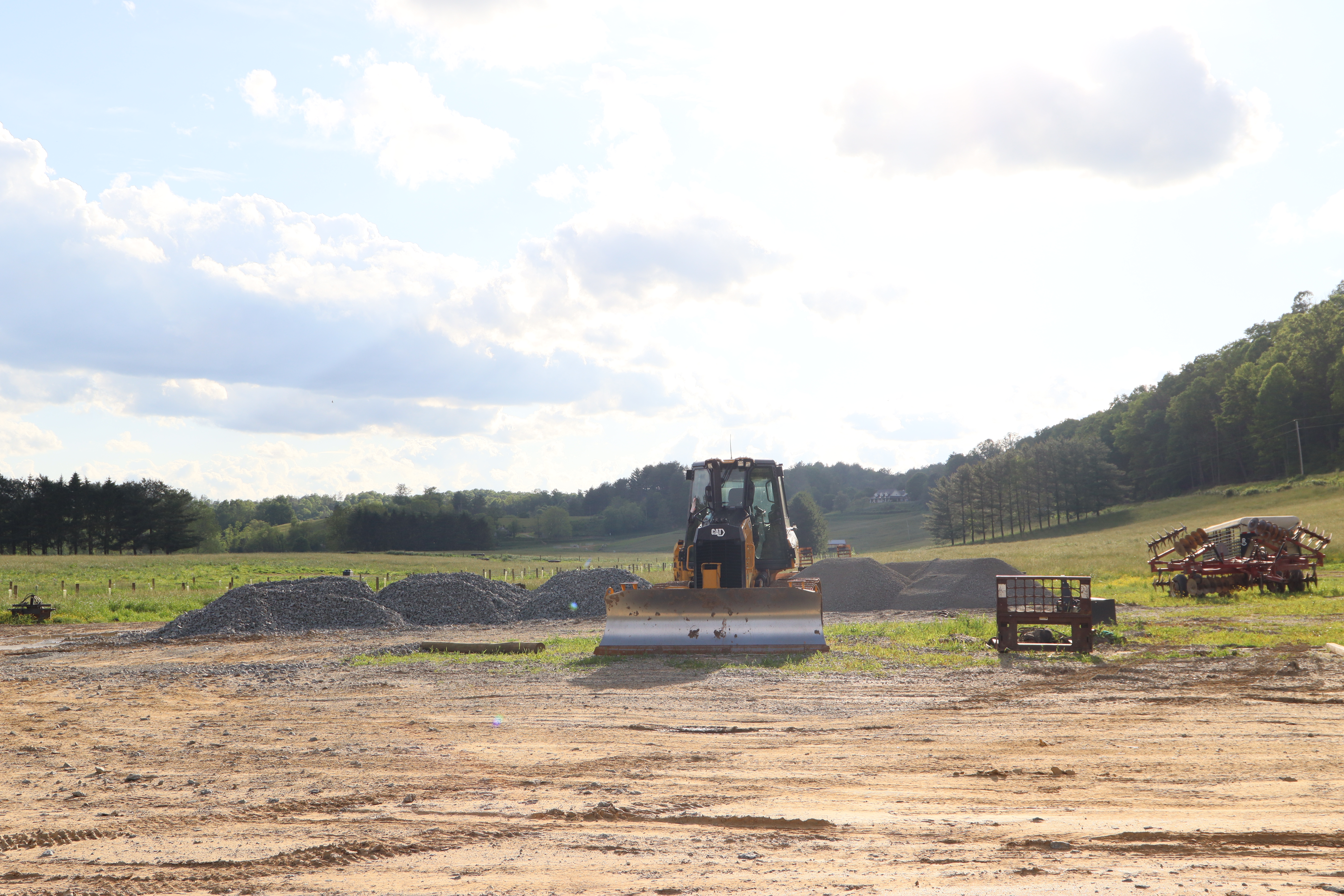
During Seminar V (almost a year later) we saw how farmers were still trying to mend and recover from the damage. This is not the first time the people of Southwest Virginia have had to show resilience with past economies built around coal and furniture, the opioid epidemic. Based on all those we had the privilege to meet and hear from during our seminar and their unique and innovative ways to use the land and resources they have; come hell or high(er) water I am sure they will continue to thrive in and have a passion for the region.

 valeadersor.com