


Welcome to Virginia’s pristine Northern Neck. We hope you enjoy the visit. Thank you for not imposing your politics or economic development pursuits on our communities. We preserve our distinct cultural identities with a spirit of resistance. But while you’re here, admire our picturesque Chesapeake Bay waterfronts! Feast on oysters harvested just this morning. Sample the Spanish-style handcrafted cheeses at the Amish market. Marvel at our verdant corn and soybean fields. Get a glimpse of the good life. And please leave it as you found it.
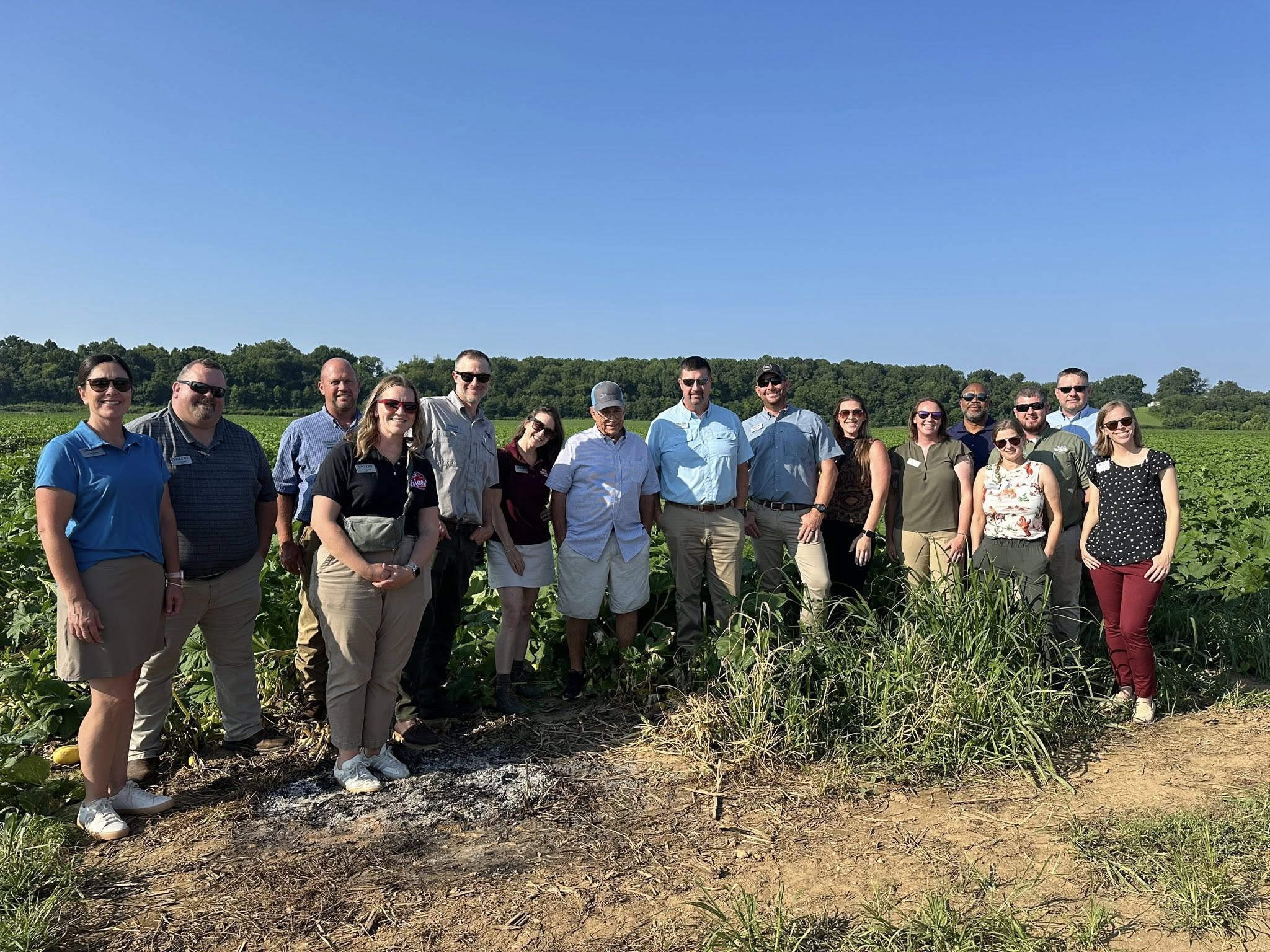
As developmental pressure from residential buildouts, data centers and utility-scale solar continually encroaches on rural acreage elsewhere in Virginia, the Northern Neck seems relatively untouched. Their heritage is an ongoing way of life for multi-generational watermen and farmers, Amish enclaves, and minority farm families who endured racist attacks yet stayed put and built an agricultural empire.
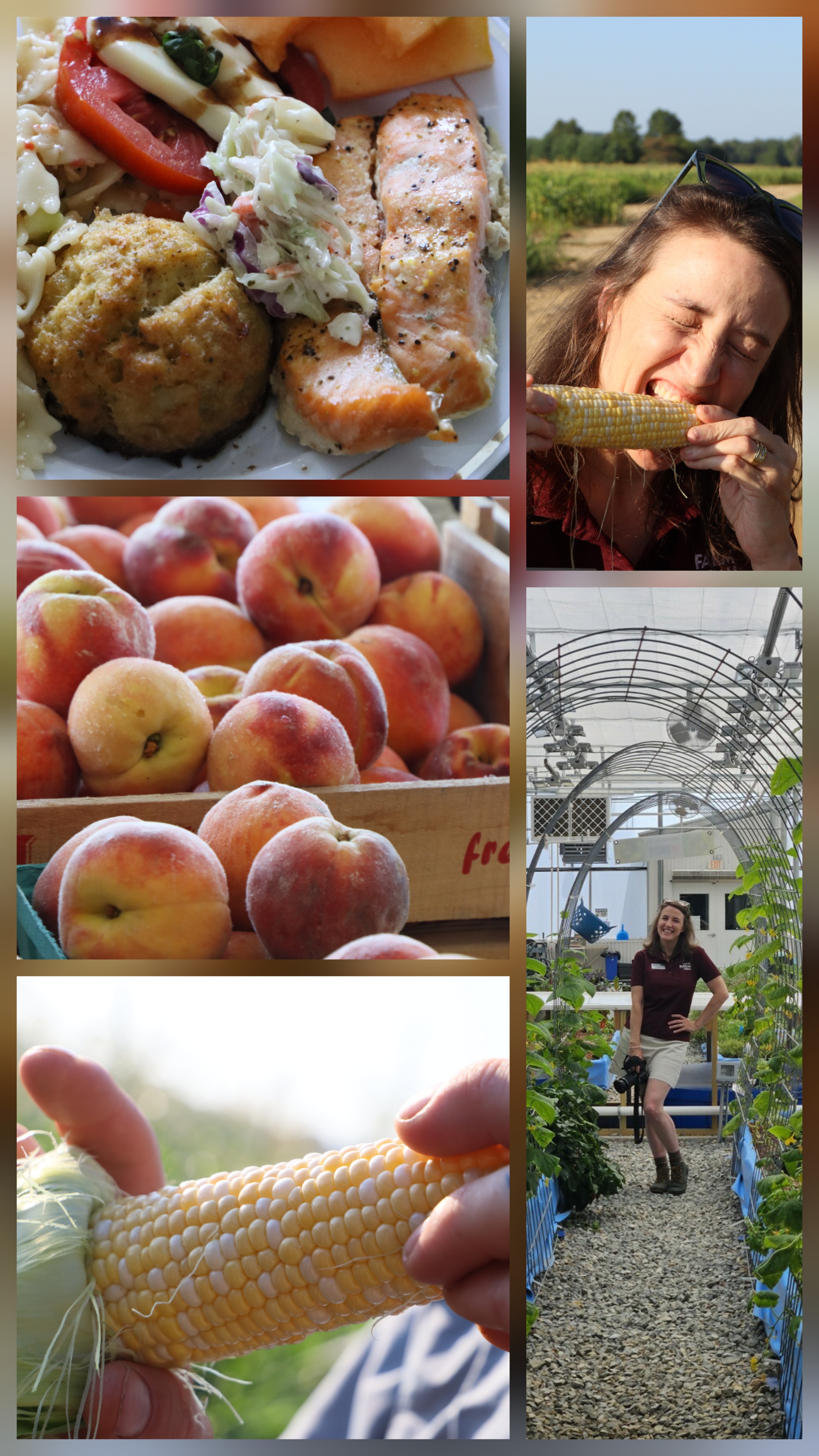
How gratifying to be part of VALOR Class VII, hearing thoughtful insights from each of my fellows who seek to understand the values of Virginia’s agriculture-oriented subcultures.
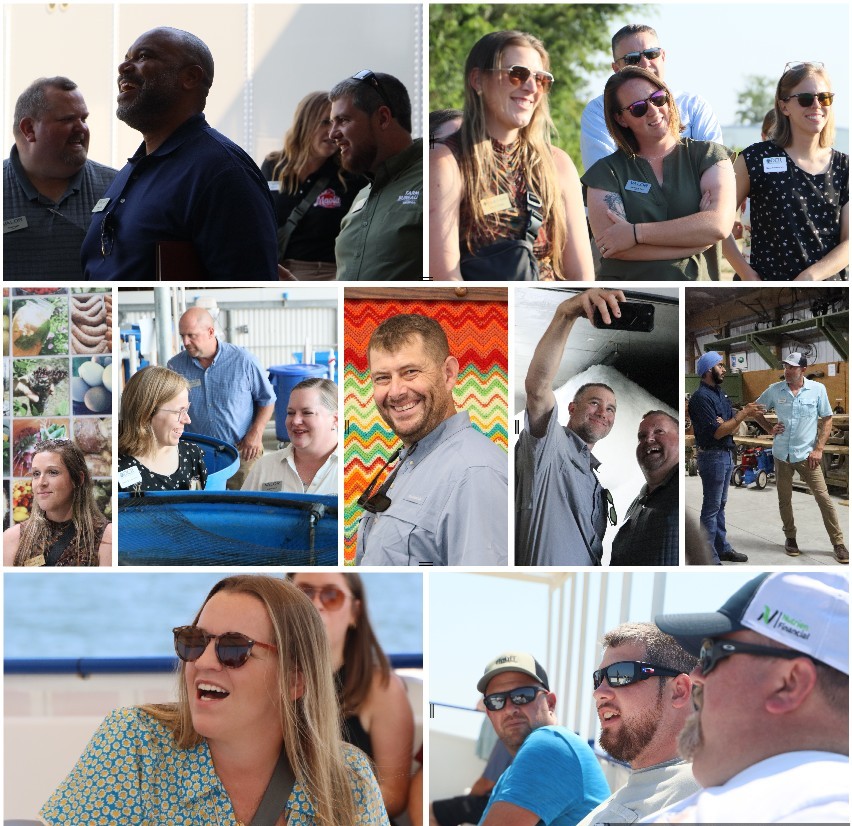
The NNK’s peacefulness is intoxicating. We came to appreciate the region’s longstanding resistance to change through their preservation of tradition. They protect their land and livelihoods, cultivate their diverse identities, and are committed to regenerative practices to replenish the bay that shares its bounty.

Change is one thing, but progress is another for the region’s historical menhaden fishery. We met innovators who developed value-added fish products at Omega Proteins. About 2 million menhaden a day are rounded into nets with the assistance of spotting planes. Bony, oily but robust in population, the small fish are rendered and refined on site for everyday products including meal in pet foods, livestock feed and Omega 3 oils for commercial consumption.

Across the Chesapeake Bay is Tangier Island that English colonizers used as a prison for Native American warriors (males aged 11 and up) after a 1645 uprising. Few if any survived long. In later centuries, the island was a site to raise and contain livestock.
Fishing, crabbing and oystering still provide seasonal employment for its 400 residents, especially raising soft shell crabs in shanties along the harbor’s waterfront. Other jobs cater to “come-heres,” or us tourists curious about the isolated community and the Cornish dialect spoken by islanders.

Conservative principles and traditional gender roles dictate what behavior is appropriate. It’s a dry island. A Hollywood film proposal on Tangier was rejected. The alcohol, sex and profanity in “Message in a Bottle” were inconsistent with island values, regardless of the production’s guaranteed cash infusion. Preservation over profit.
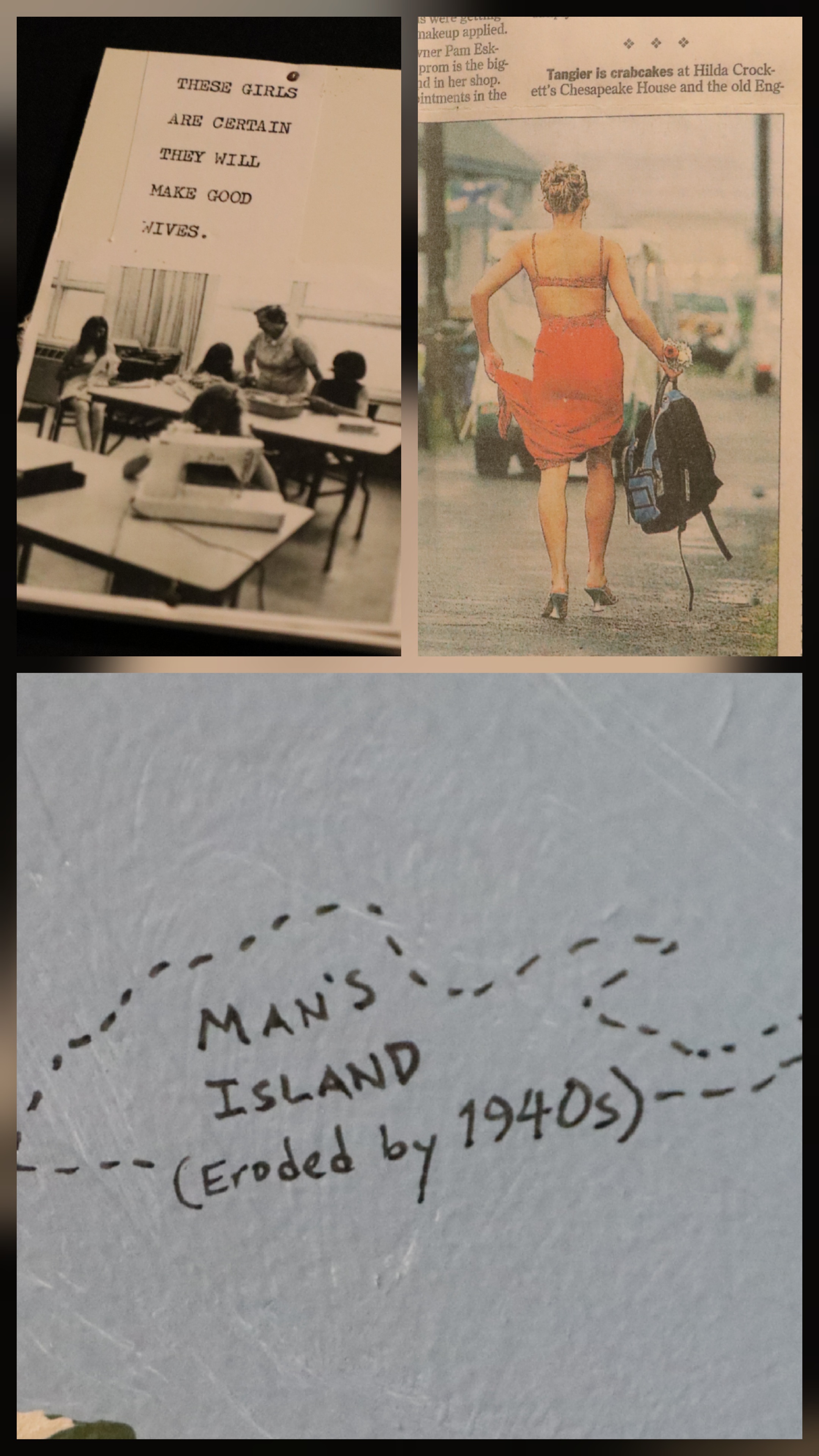
After 400 years of rising sea levels and erosion, smaller adjacent islands were consumed by the bay. And despite erosion mitigation projects, Tangier’s land is sinking, while rising water levels indicate the island’s remaining existence will be short. Residents are very conscious of this with palpable undertones of grief.
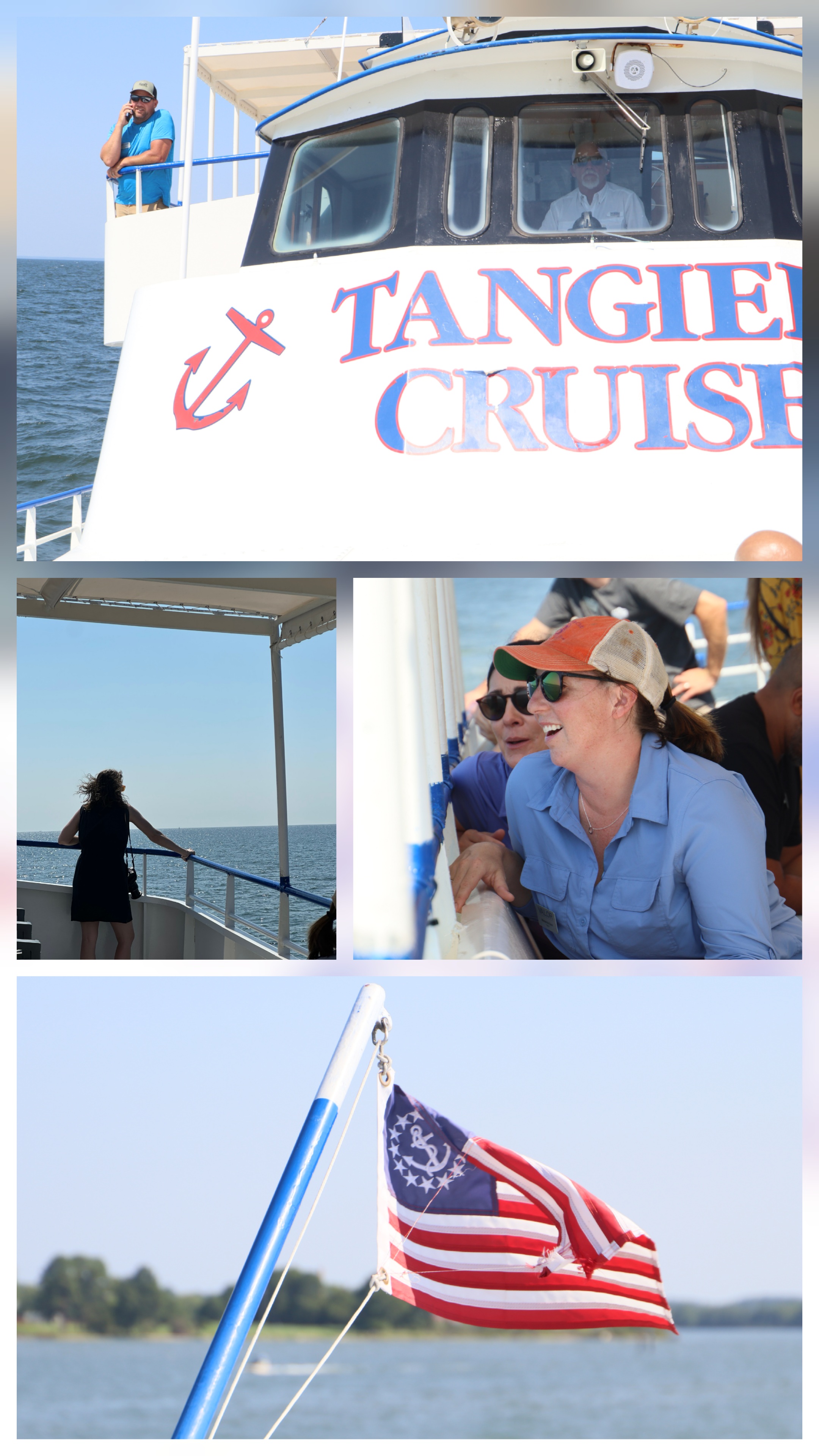
Less than 10% of the remaining land above water is habitable now. Roughly 7-9 acres erode annually, and the entire island could be underwater in 50-100 years.
This seminar’s leadership takeaway: Change management—because traditions die a hard death. When a disaster is looming, who notices? Who agrees? Who takes action? Establish a sense of urgency. Develop a plan. Empower others to action. Don’t let up. And create a new culture.
Next trip: Exploring agriculture north of Virginia through the New York Finger Lakes and into Ontario, Canada this October!

 valeadersor.com