


Generational pain and pride pulse through the arteries coalescing at the heart of Appalachia.
Rich coal seams were once veins feeding the economic opportunity of the Great Southwest. American roots music and the earliest string bands, influenced by melodies of African and European musical heritage, set a steady beat. Agricultural abundance and natural resources have been the region’s lifeblood.
But Southwest Virginia’s diagnosis seems critical at times. Industry dissolution, population loss, the opioid crisis and recent widespread destruction from Hurricane Helene has tested the resilience of its farmers and communities.
In May, our VALOR Class VII fellows visited a farm family who lost $3 million in assets to the devastating flood in Grayson County. Recovery is a marathon.
“It’s like shi**ing your pants every day and trying to clean it up with a Q-tip,” the farm operator said. “It only makes a bigger mess.”
Look beyond the region’s difficult history and prognosis to find a prophecy––the promise of renewal. A modern generation of Southwest Virginians are cultivating a rural renaissance that is invigorating communities, expanding access to local foods, and stoking the mystique of Appalachia while keeping their cultural traditions alive.
This seminar’s leadership takeaway from Simon Sinek: Sacrifice over self-interest. Leadership is a conscious choice to look after the people around me. With a track record of oblivious self-absorption, that choice doesn’t come naturally. But Simon says the more I do it, the more I will actually want to.
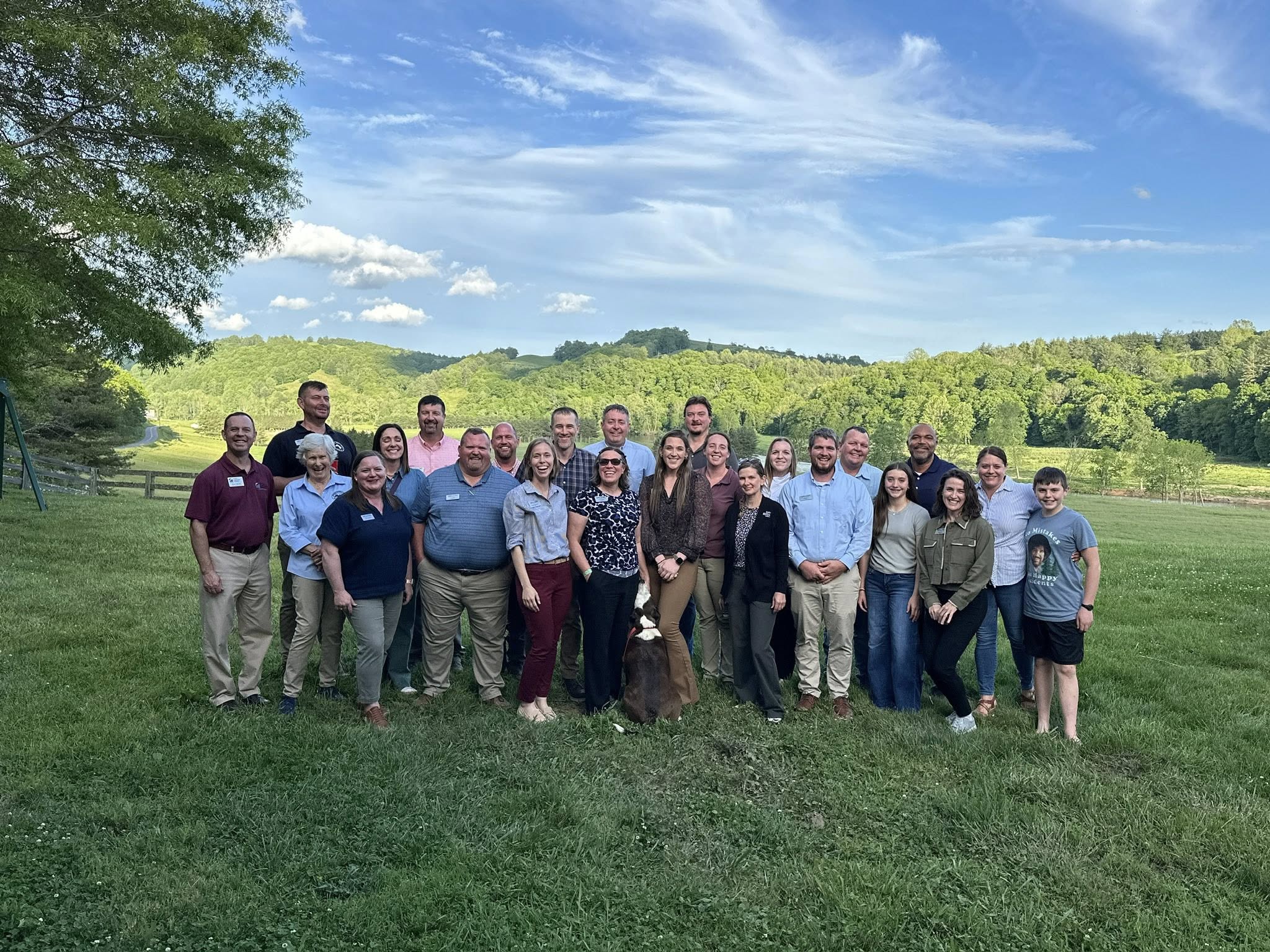
VALOR Class VII with our fabulous dinner hosts, overlooking Grayson County’s bottomlands in Southwest Virginia.

Holston High School, the smallest public school in Washington County, is a pipeline for young leaders accessing careers in the state’s largest private industry—agriculture and forestry. Students take up responsibilities in the school’s horticulture and animal labs, including an aquaponic lettuce-production system with tilapia. Ag instructor wisdom: “Never do anything a teenager can do for you!”

From the acorn to the cask, “perfect barrels that don’t leak” start as wood slats pieced together by hand at Speyside Bourbon Cooperage in Smyth County. Coopers roll out 1,500 bourbon barrels daily, made from white oak sourced from 15 East Coast states. One barrel can be re-used for 100 years.
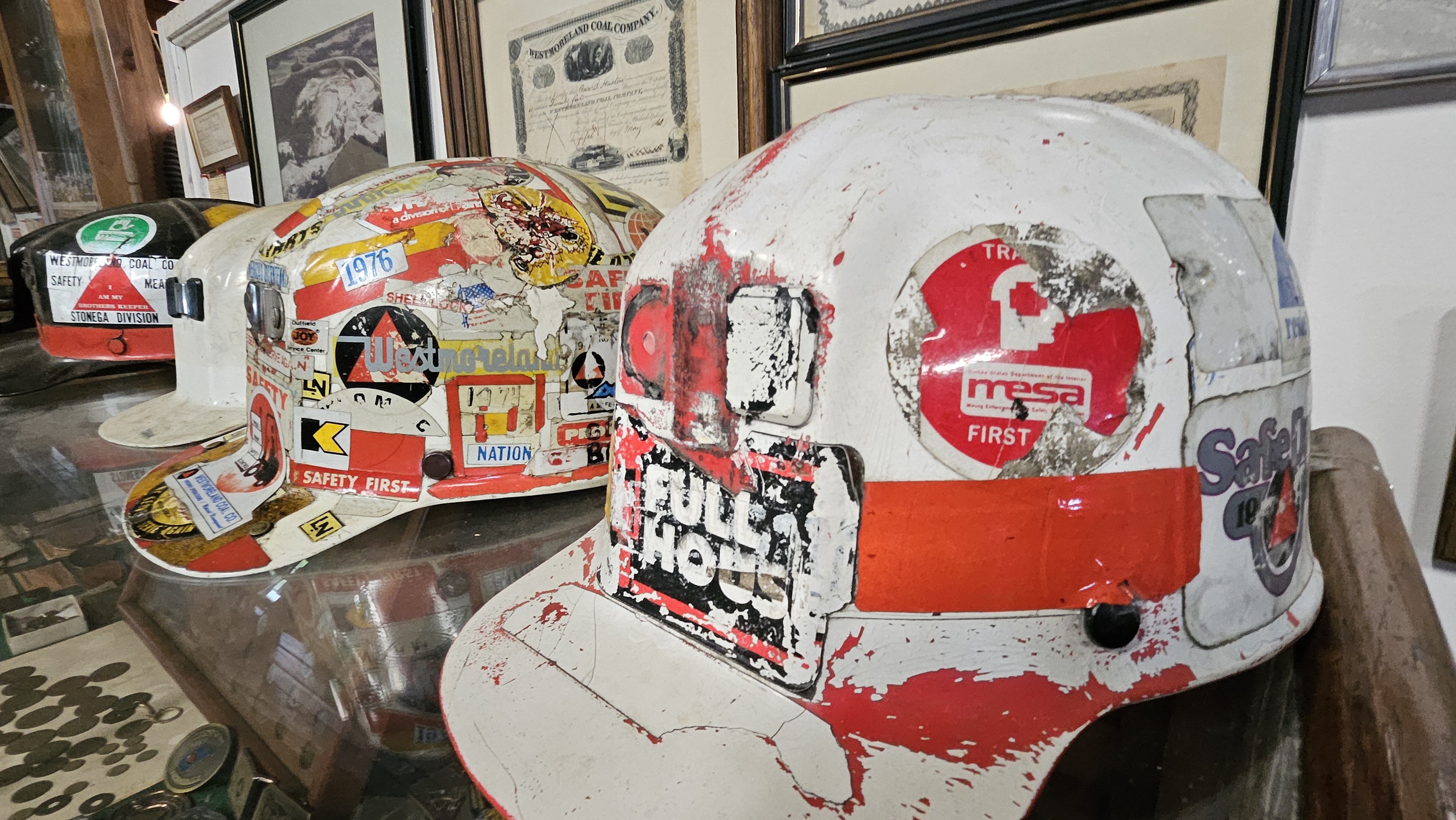
“The dust you don’t see is what kills you,” a lifelong coal miner told us at the Harry W. Meador Coal Museum in Wise County. “I do have some black lung disease.” Coal was discovered at 23 nearby sinks in 1880, with seams 60 inches thick. Miners would commute up to 40 minutes on electric mine cars to reach coal sites that buoyed the regional economy for generations. Declining production and environmental concerns led to job losses and economic challenges that persist today.

Bourbon starts off as clear whiskey and darkens with age. With five levels of barrel char and aging schedules from two to 15 years, the wood imparts the toasty vanilla and caramel notes valued in your favorite bourbon brands. As bourbon ages, hooch seeps five-eighths of an inch into the charred wood, infusing its distinctly American flavors into whatever fills the barrel next.

The Great Southwest: orchards, pastures, Christmas trees, dairies, food hubs and old-time mountain music.
Virginia’s Rainbow, Brown and Brook trout species spend their first two years at the state hatchery in Smyth County before 400,000 of them are released annually to stock 33 rivers and five lakes throughout Southwest Virginia. Three million eggs are incubated at the hatchery, where trout fingerlings are raised in concrete raceways until they reach a specific size for release. Virginia’s nine hatcheries help restore depleted fish populations while maintaining healthy supply for recreational fishing activities.

Inmates are dedicated agriculturalists at Wise County Correctional Camp 18. Their agribusiness programs grow enough fresh fruits and vegetables to feed Virginia’s prison populations, plus food banks, schools and community organizations. Inmates grow cucumbers, tomatoes, lettuce and other fresh items year-round in multiple hoop houses at the low-security prison.

Old-time music styles thrive in Southwest Virginia’s preservation of the string band tradition—notably at the annual Galax Old Fiddlers’ Convention, ongoing since 1935, known as the “Hillbilly Superbowl.” Local musician Tyler Hughes, director of The Crooked Road Music Trail, picked his banjo for us, sharing songs and anecdotes from the nation’s “hotbed” of old-time folk and bluegrass.
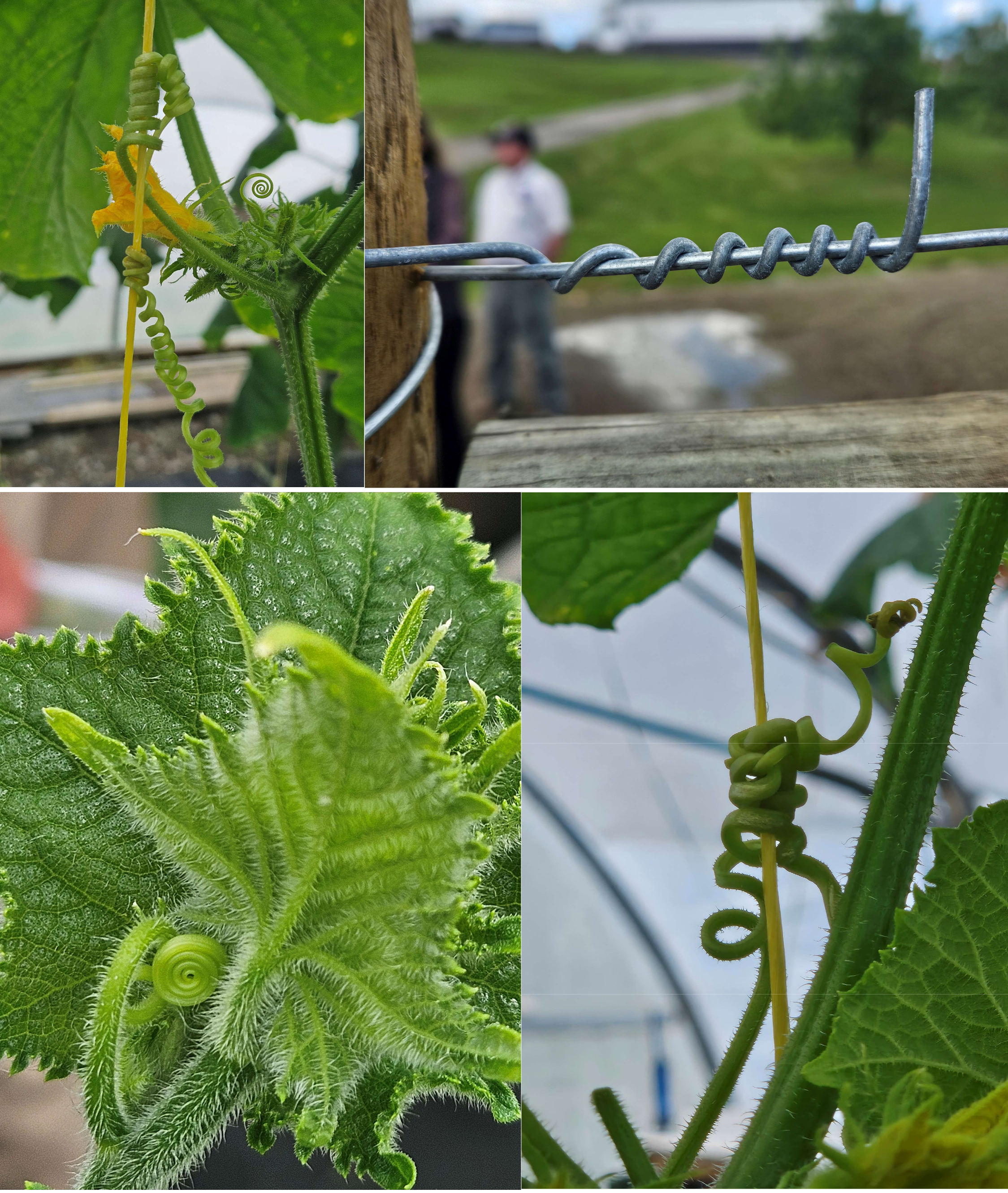
Twining is apparently a characteristic of plants and people alike, at the prison camp’s greenhouses and orchard.

Duchess Dairy’s 600 Jersey cows are milked just five minutes away from the Wythe County facility where 20% of the milk is processed and packaged into whole, reduced fat, chocolate and orange-flavored fluid products. (The other 80% ends up in cheeses.) Many consumers prefer Jersey milk over traditional Holstein, the co-founder said. His loyal customers and retailers swear by the “Jersey advantage,” insisting the milk tastes better and is more nutritious. “Plus it foams up more,” he said. “Coffee shops like it.” Pints retail for up to $6 each within its 30-mile distribution radius!

Holston High School’s FFA and ag department provide crucial guidance and mentorship to young people growing up in underserved communities and disadvantaged circumstances. Impactful educators, classroom experiences and industry certifications streamline students’ paths to stability and success, with exponential benefits for the community and beyond.

An assortment of ag adventurers exploring Appalachia.
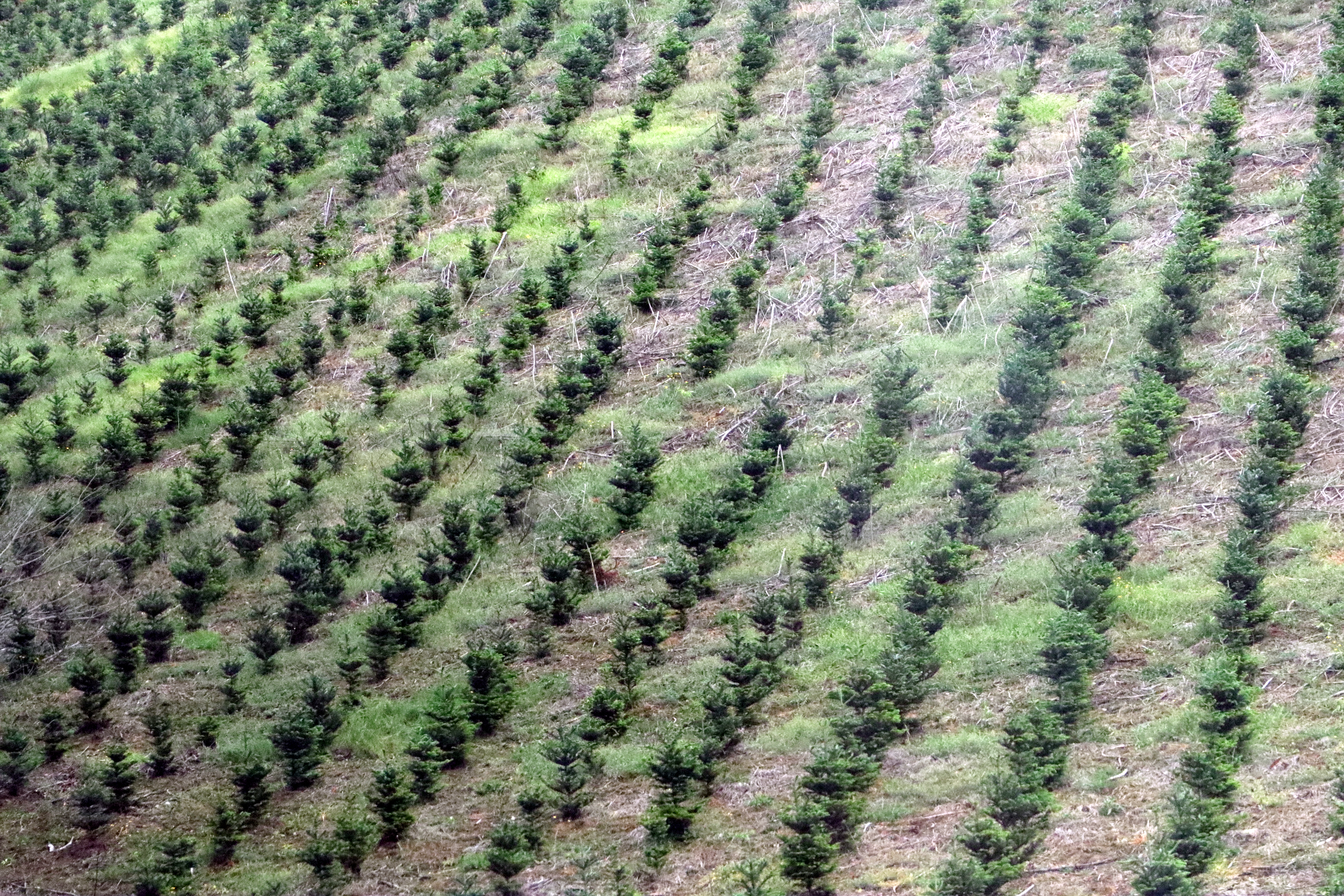
Bottomley Evergreens and Farms in Grayson County is Virginia’s largest Christmas tree farm, planting 1.4 million seedlings annually on 600 acres of Grayson County hillside. The wholesale grower supplies many U.S. stores ahead of Thanksgiving weekend. Virginia is ranked seventh nationwide for harvest and production of fir, pine and spruce trees. “And Fraser firs are the Cadillac,” the tree manager said. Workers hand-harvest most trees in the seventh year following a multi-season regimen of trimming and shaping.

Helene’s floodwaters could not drown the spirit of Southwest Virginia. Small signs of her sucker punch remain in downtown Damascus that was submerged in September 2024. Local resilience has initiated a renaissance as recovery accelerates, agribusinesses thrive, trails reopen and visitors return.
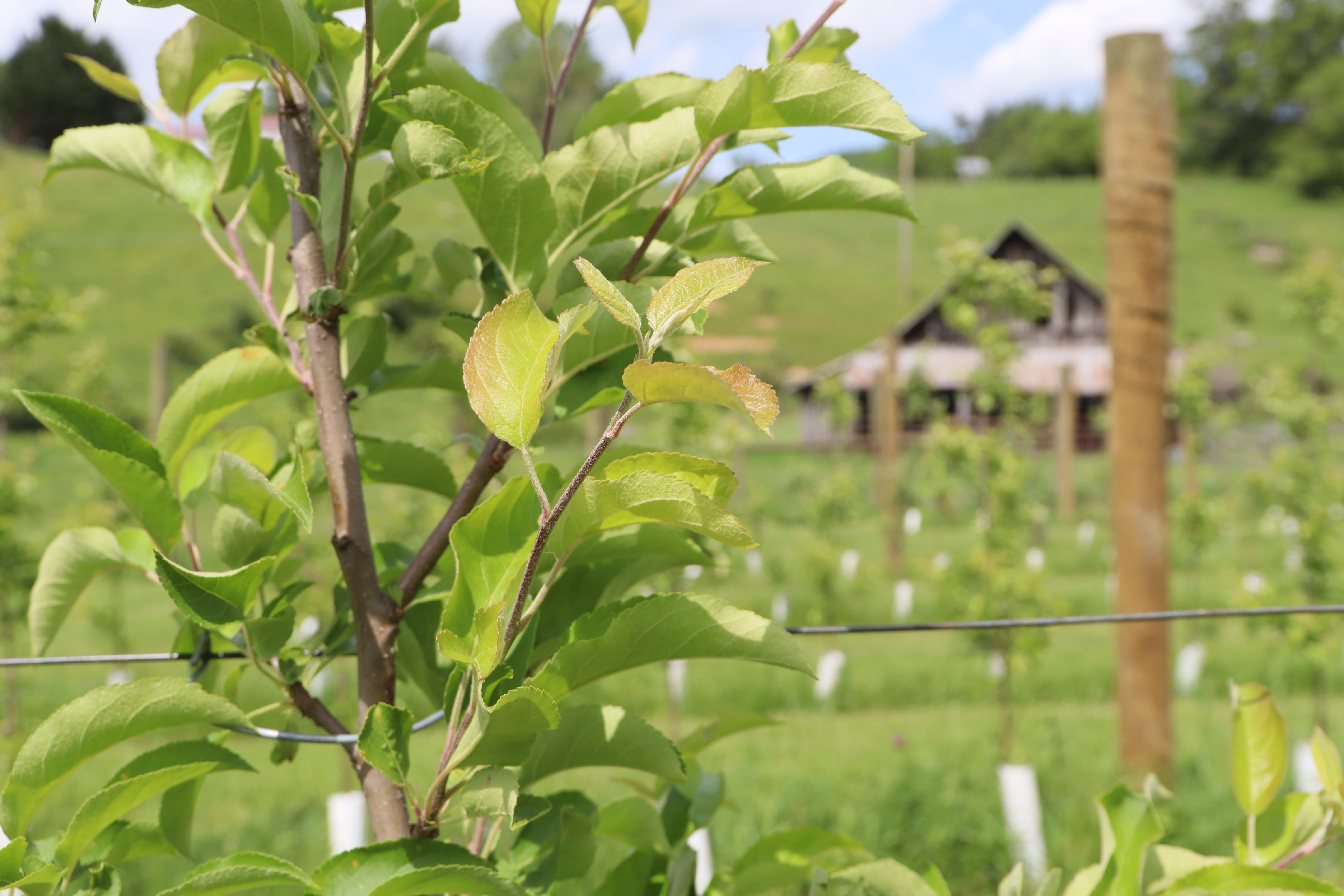
Over 100 semi-dwarf cider apples planted a mere 3 feet apart will become bushy and easier to pick at harvest time with this high-density orchard cultivation technique. “They are never big and beefy, but will produce 10 times the yield compared to a traditional orchard,” the grower told us at Donnan Orchard at Summerfield Farms. Other varieties have more space among the 1,250 apple trees planted within the sun-soaked 28-acre Grayson County orchard, including wineCrisp, wine snap, goldRush and triumph.
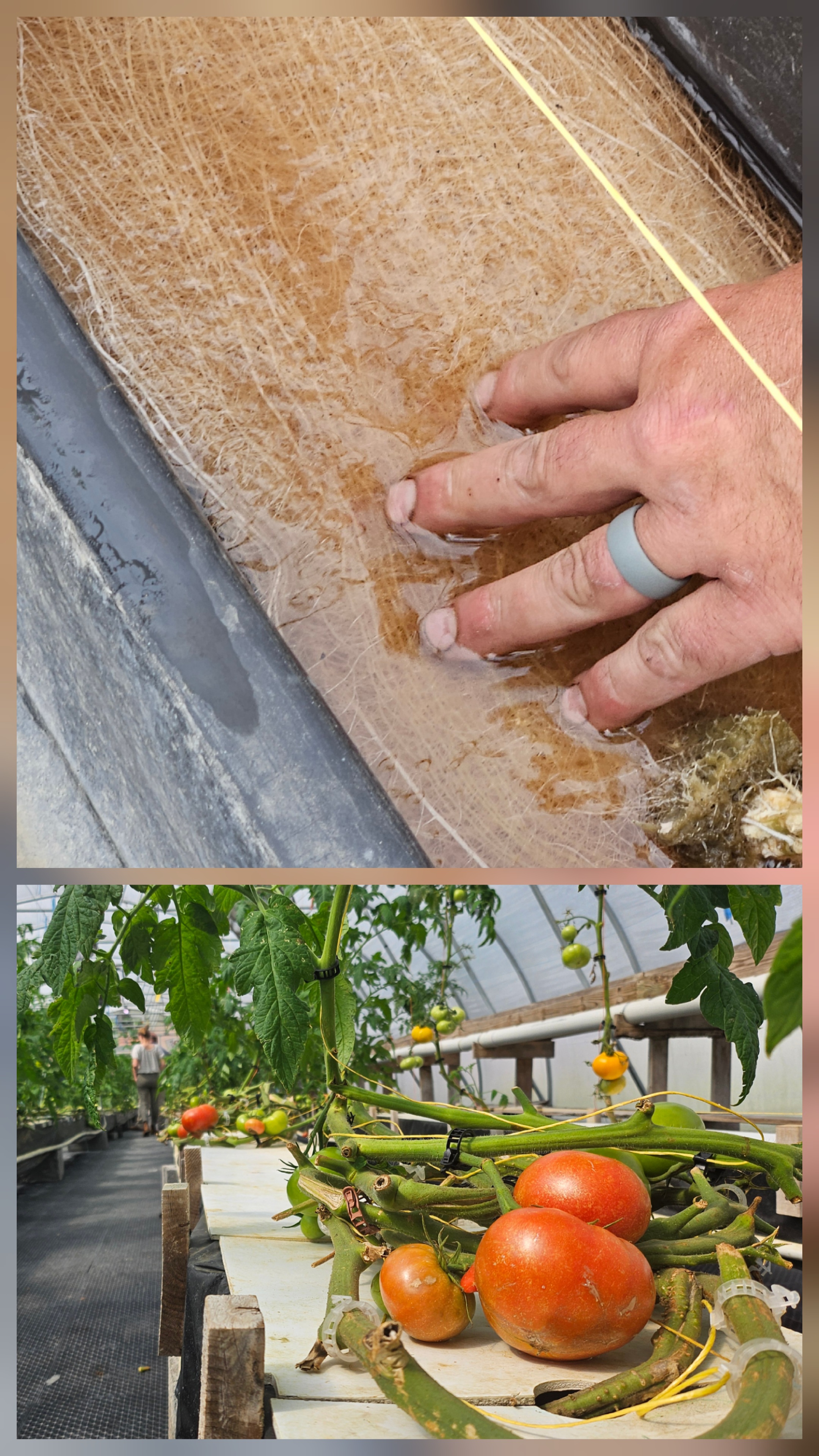
At the prison farm, greenhouse vegetable roots grow into impressively long mats that eventually require trimming. The roots’ extra surface area maximizes the infusion of nutrients supplied by tilapia in the camp’s aquaponic cultivation system.
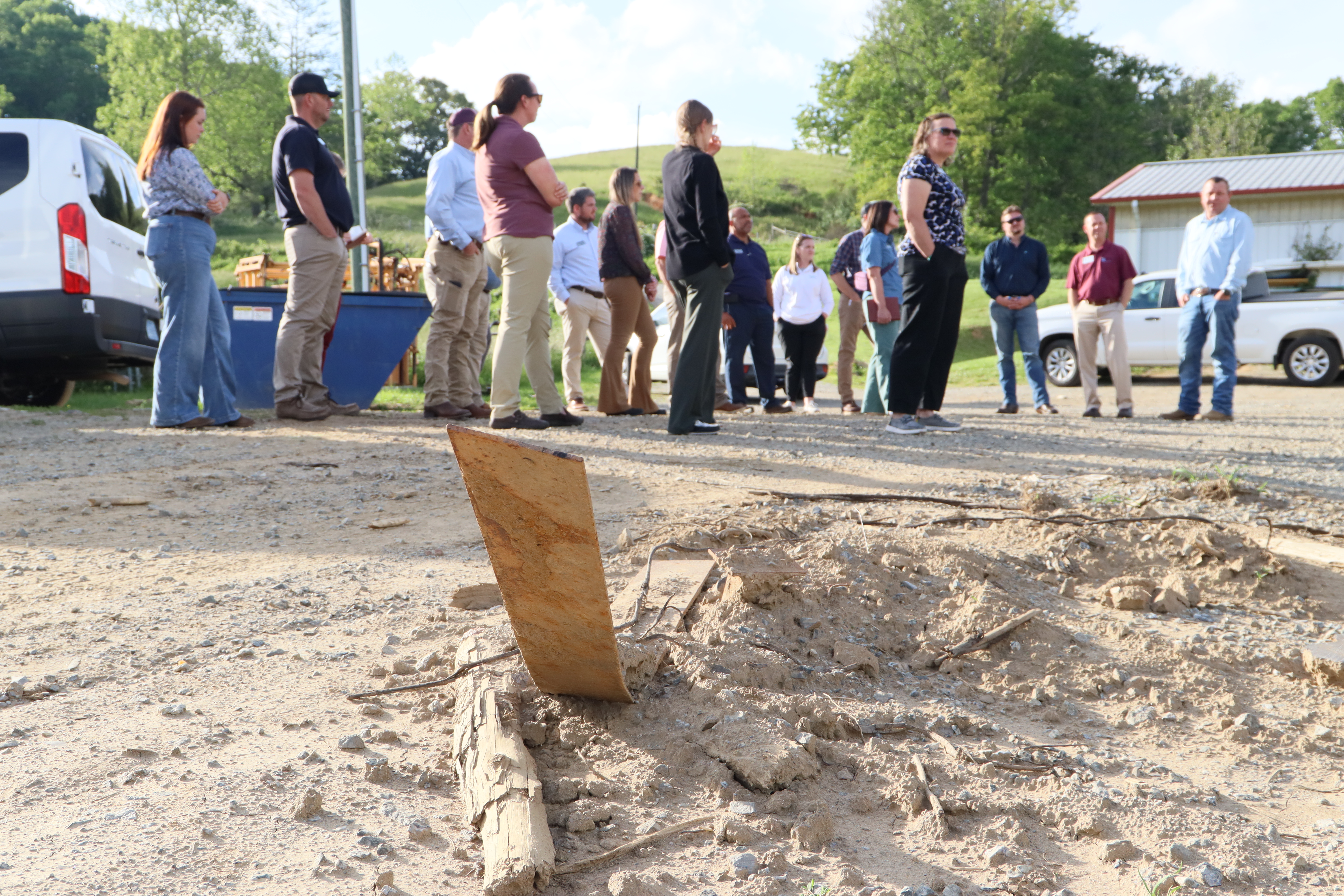
Some physical losses from Hurricane Helene are so immense, “You can’t finance your way out of it,” a farmer disclosed.
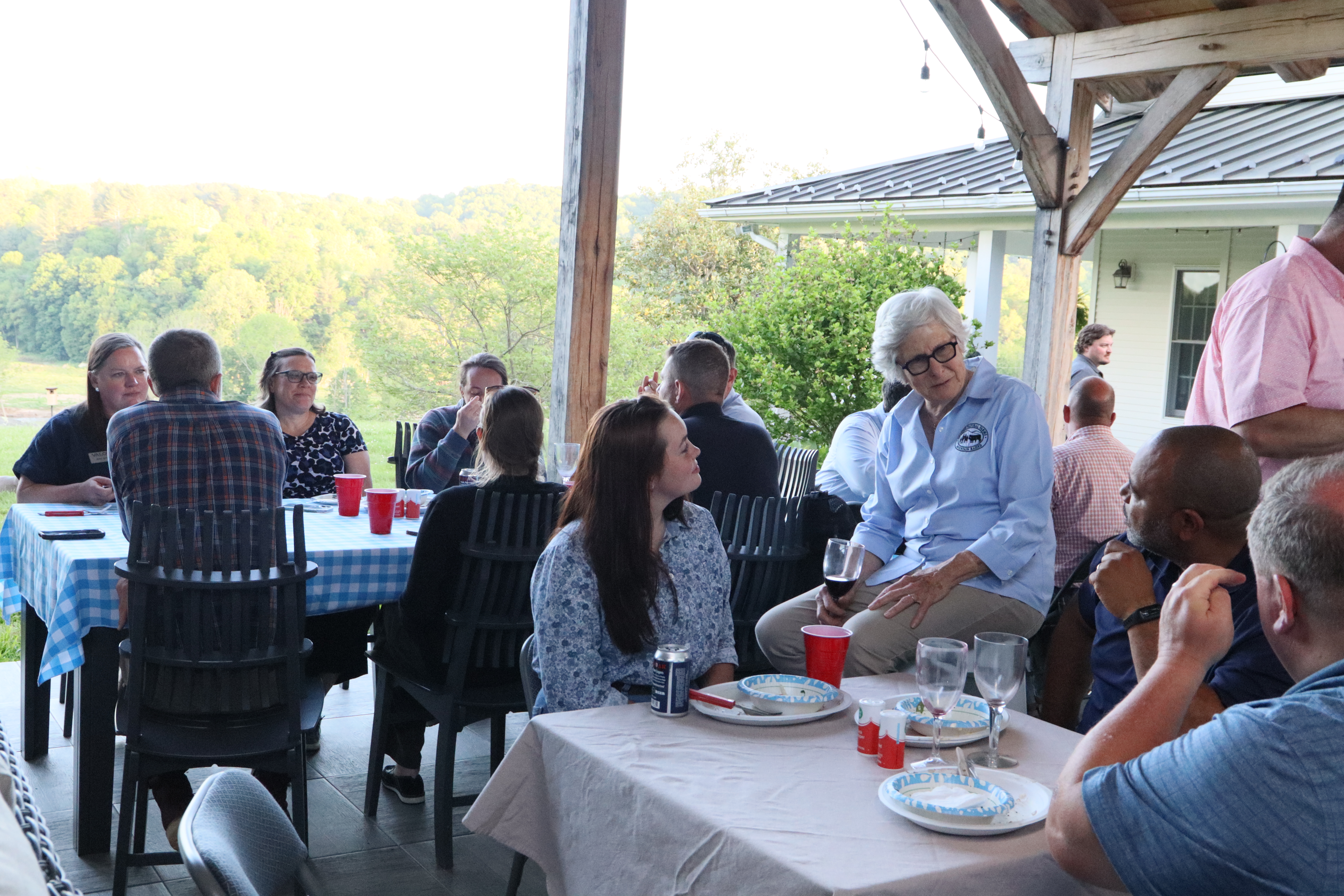
Farm family dinner al fresco, with live entertainment.
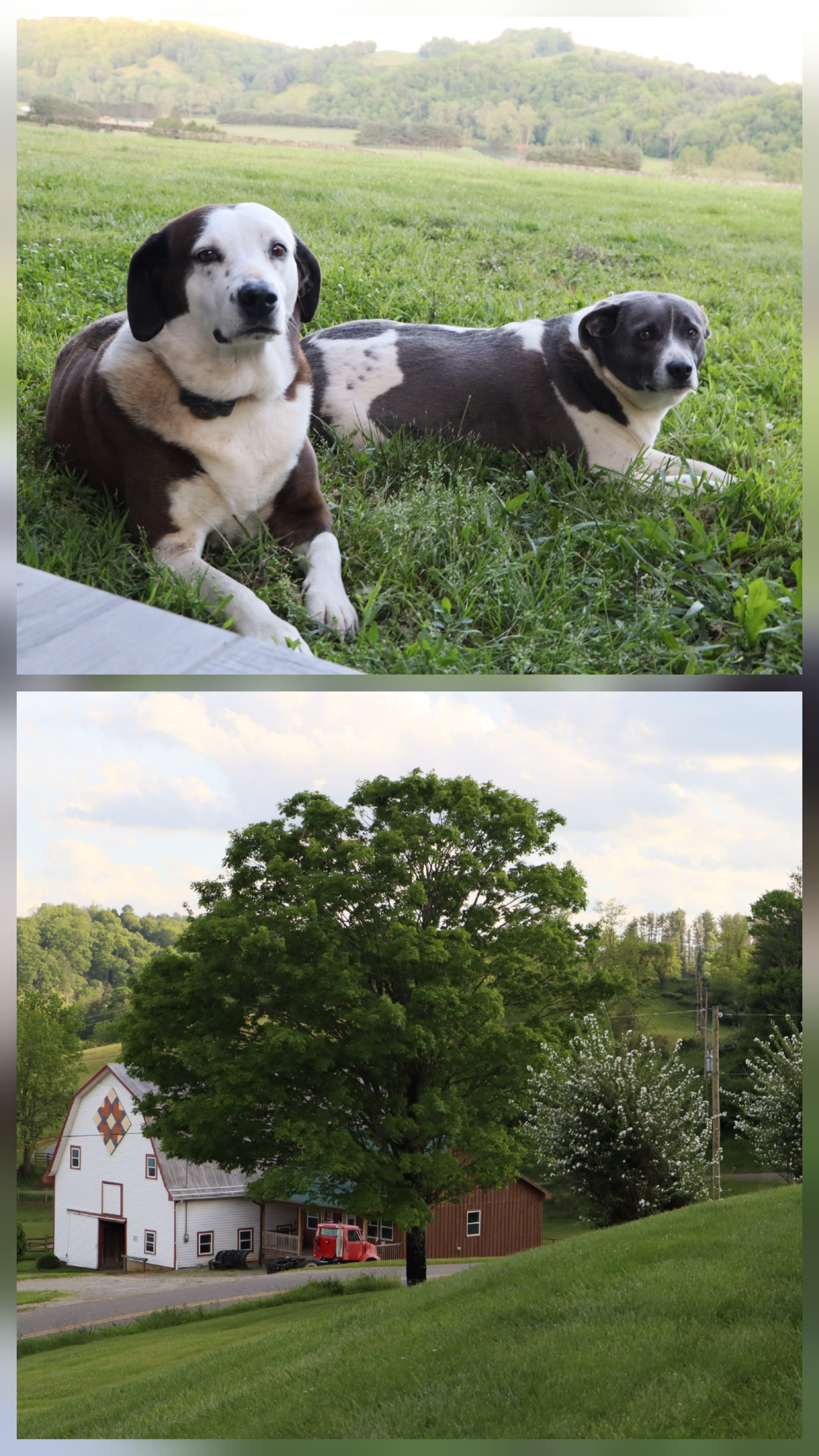
Sweet doggies to pet. Rural landscapes to appreciate. Putting the “great” in the Great Southwest.

 valeadersor.com
SWVA was my favorite seminar – loved living the journey through your eyes!