

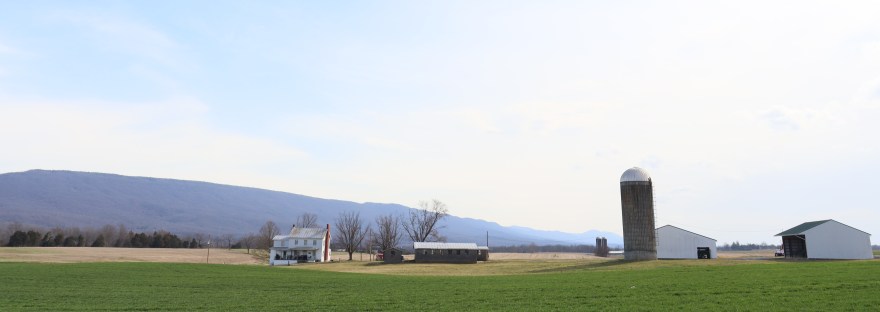
I suppose my life’s purpose is to understand yours.
Public thinker Simon Sinek encouraged our VALOR fellows to start with Why. So, we listened closely to ascertain the Why—a purpose, cause or belief—that motivates ag industry operators and innovators throughout the Shenandoah Valley at our March seminar.
For some, their Why is rooted passion, tradition or heritage. For others, the Why is centered in services that sustain farm livelihoods and marketplace competitiveness. And for a few, their Why is simply—Why Not?
“Here in the valley
Bread on the table
Work through the day
For as long as we are able”
–The Valley, Los Lobos
I’ve dined with dignitaries at the finest restaurants. But our Mennonite heritage meal was a singular dinnertime experience and one of my life’s greatest privileges. An Augusta County Mennonite family and their Amish relative shared the centuries-old history of their enduring cultures, diversity of faith practices, and food traditions. Over a homemade feast of baked chicken, beets and fluffy desserts, our fellowship was an enlightening gift that nourished the body and awakened the mind.
Their Why—tradition is the tie that binds.

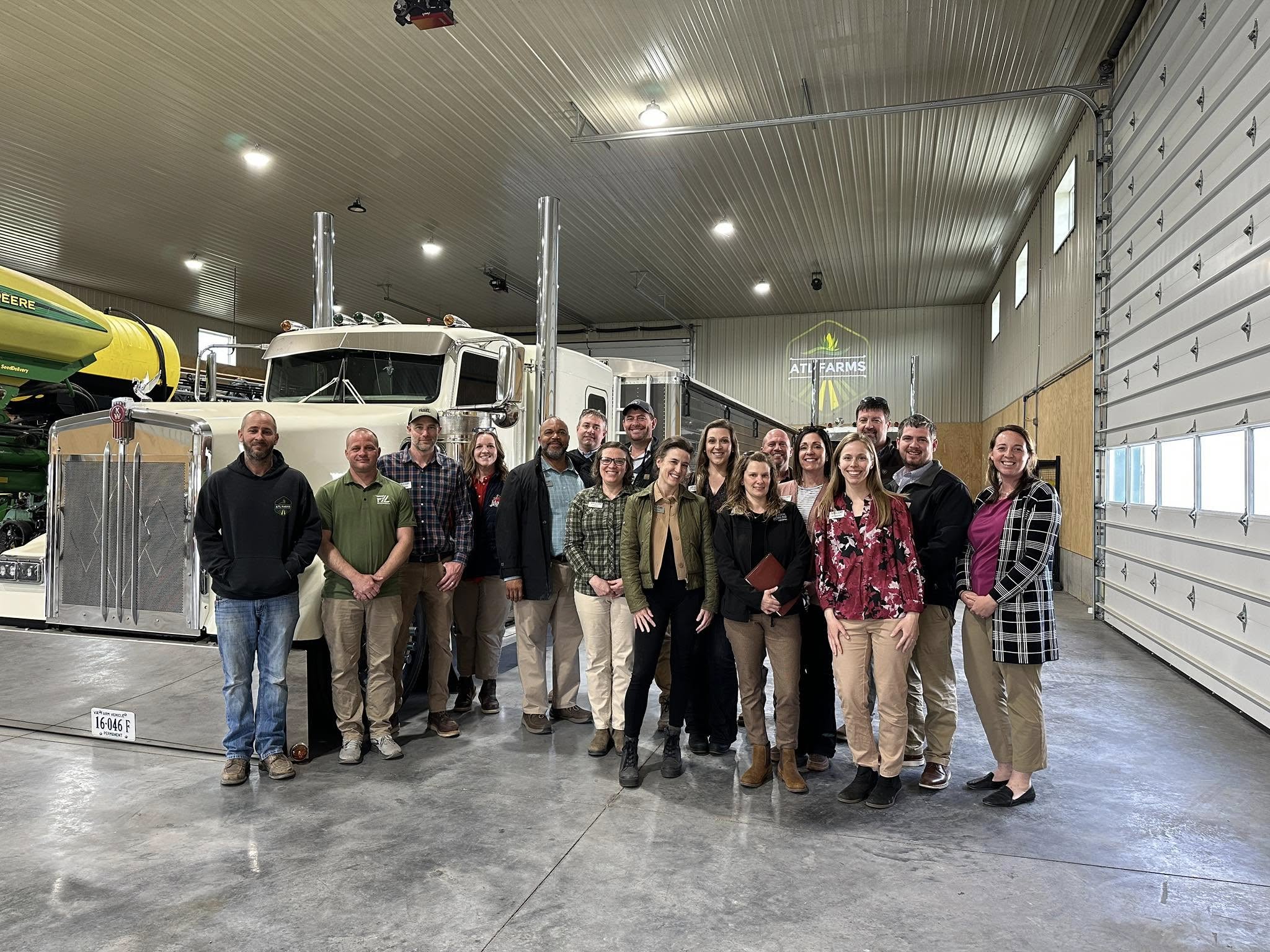
Without access to peripheral sectors that support farm operations, a Wyers Cave dairy began building their own line of crop inputs to serve their business needs, and the needs of neighboring farmers. Eventually, their fertilizer business outgrew the dairy. Now Houff Corporation is a leader in agronomy and industrial services ranging from nutrient management and seed retail to rail-to-truck transloading and biosolids management.
Service is central to their Why.

Harmony Harvest flower farm’s operator discovered her Why by asking “Where.” Unable to compete in the produce sector, she pondered “where do florists source their flowers?” Now the farm grows 200 varieties of flowers year-round on garden plots and high tunnels, shipping to customers nationwide directly from the farm, and exporting to 36 countries. Heirloom chrysanthemums plucked from extinction are among the peonies, baptisia, lisianthus and roses brightening homescapes near and far.
Why? Because it’s a beautiful pursuit.
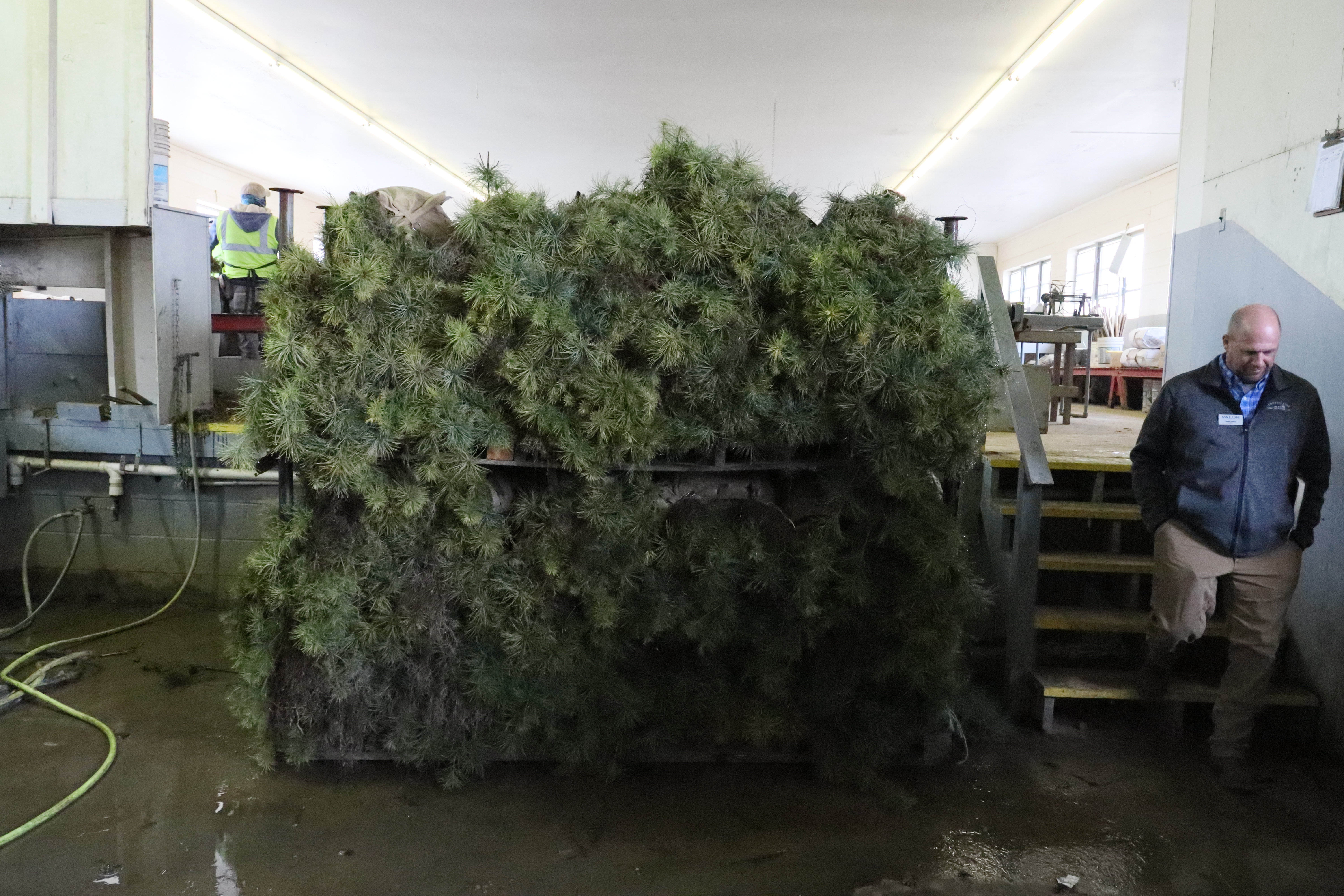
We met some guys who can get you a great deal on a new forest! We stopped by a Virginia Department of Forestry operation in Augusta County that grows, processes and ships about 40 species of Virginia hardwood and softwood seedlings to beautify landscapes and serve landowners near and far. Its sister center in Southside Virginia has been growing pine seedlings for more than a century, restoring millions of acres of Virginia forestland.
Their Why—a more verdant Virginia.
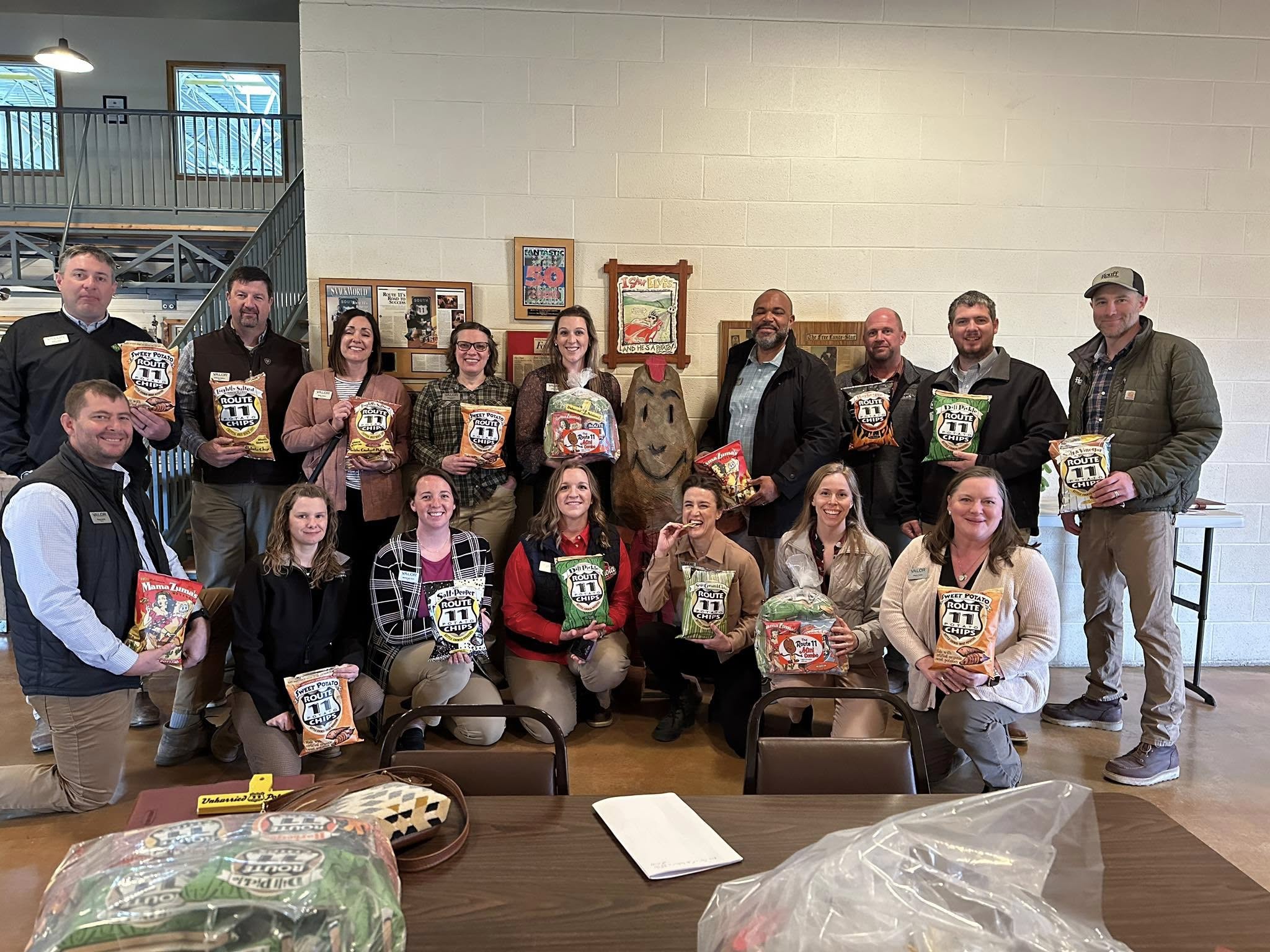
The 100,000 pounds of specialty potatoes processed weekly at Route 11 Potato Chips are grown on family farms from New York to Florida. Because “no one likes an oily chip,” they source baseball-like potatoes dense enough to limit absorption of sunflower seed oil. Slices are kettle cooked in small batches to accentuate the character and crunch of gold rush, Yukon gold and sweet potatoes. Consumers can find Route 11’s dozen hand-seasoned flavors on store shelves throughout the U.S., Israel and Singapore.
Route 11’s Why—a rightsized pursuit of excellence.
An operation to mitigate the “uglier side of agriculture” is necessary to protect our nation’s food supply. The 2002 avian influenza outbreak exposed a need for poultry house depopulation and composting. Those devastating circumstances resulted in opportunity for the small custom farming team called FNL in Shenandoah County. Poultry carcasses, feed and shavings are buried in windrows encased with carbon and mulch. Within three days, aerobic decomposition heats rows to 180°, composting the contents down into a rich, earthy-smelling humus by day 28.
Their Why—food security is national security.
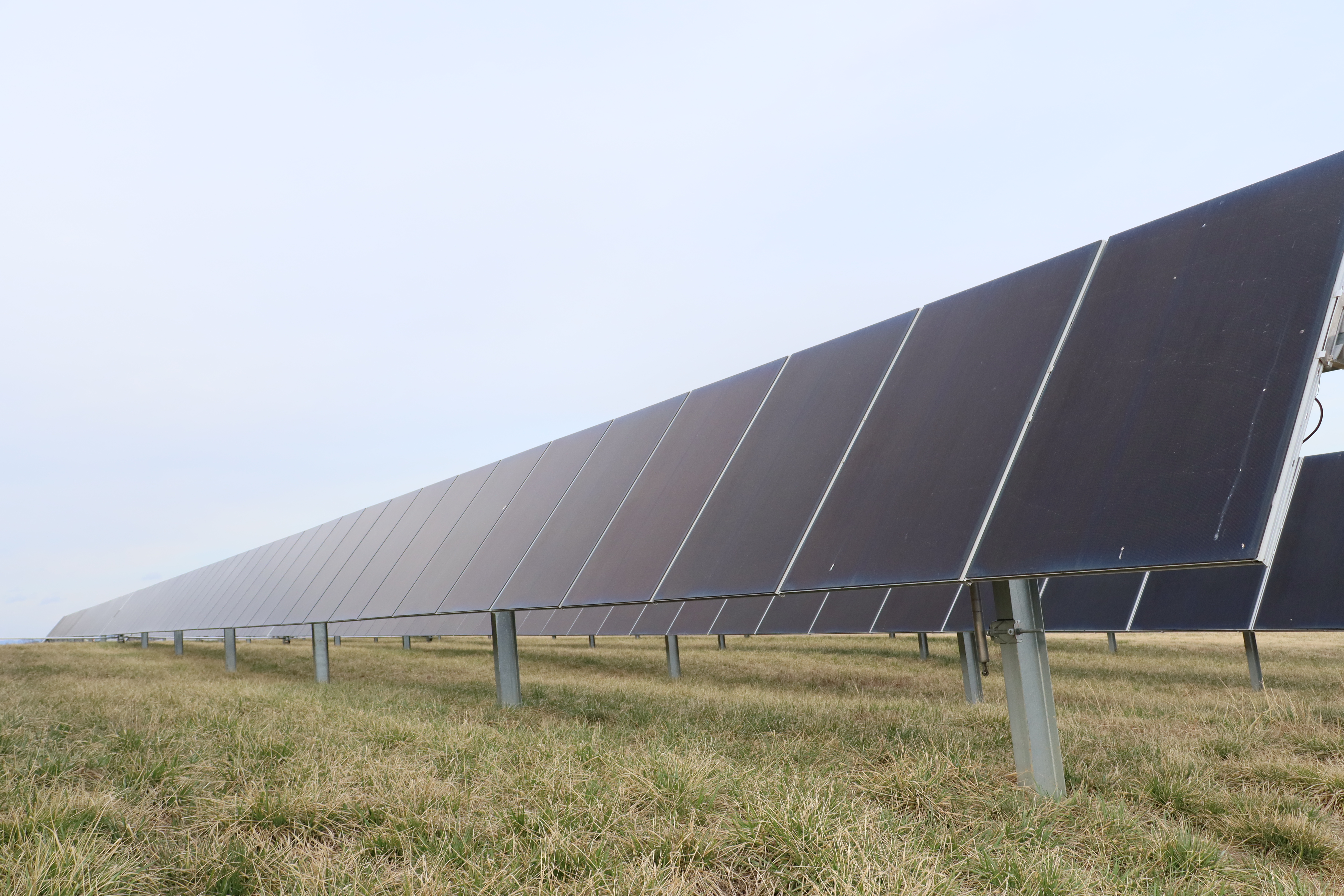
For farmers operating on tight margins or farmland heirs disconnected from agriculture, it’s an offer many can’t refuse: A steady paycheck from solar developers transitioning farmland into utility-scale arrays. We met a crop grower hit hard by two consecutive droughts. A 99-acre tract of his farmland is now blanketed with solar panels generating a grid impact to power 1,000 homes. However, solar development on farmland raises concerns about future agricultural productivity when panels are decommissioned. Meanwhile, localities are enacting strict ordinances to limit solar encroachment and preserve Virginia’s rural character. “I know people don’t like it,” the landowner told us. “But it was a great decision, and I wish I’d done more.”
His Why—personal property rights.

The “content and context” of local foods are showcased at Fieldsmith Home Arts where our cohort was treated to a farm-to-table dinner and wines from Muse Vineyards in Woodstock. The studio is a classroom where its director teaches students of all ages how to prepare locally sourced meats and seasonal produce.
Her Why—helping people help themselves.

A multigenerational family farm in Rockingham County takes pride in their history while embracing the dairy industry’s latest technological efficiencies. Hillview Farm’s robotic milking system automates milkings, tracks analytics and reports biometric data for each cow. Heifers enter milking pens at their leisure for an energizing snack where a robot scrubs and sterilizes teats between milkings. A sample from each milking is instantly analyzed for safety and quality.
Hillview’s Why—continuing a family legacy.
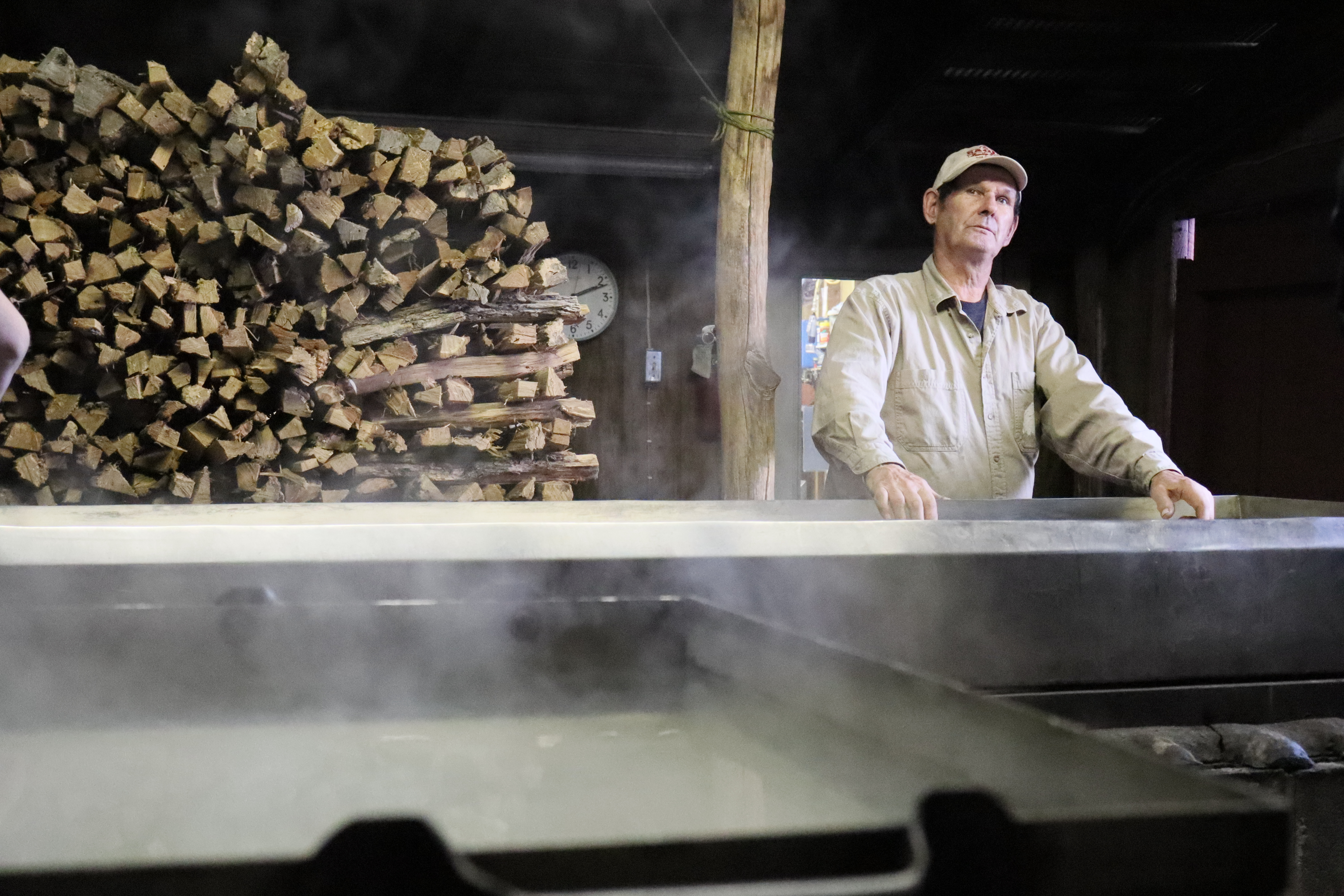
When nighttime lows linger in the 30s, Eagle’s Camp sugarmakers in Highland County are working overtime. Sappy water from 20,000 taps is siphoned from their grove of mature maple trees. Forty gallons of sap are boiled down to produce one gallon of maple syrup. With more than 200 years in sugarmaking, Eagle’s Camp uses the open-pan, wood-fired method, while incorporating computerized, oil-fired evaporators into operations.
Eagle’s Why—generational mastery of an indigenous American tradition.

We touch WestRock’s paper products every day. The company’s Covington site is North America’s largest bleached paperboard mill, annually producing 950,000 tons of high-end paperboard packaging for spark plugs, cosmetics, medicines, lottery tickets, trading cards, nicotine products, coated food-grade packaging, and much more. Pulpwood and biomass are procured with 200 miles of surrounding Appalachian forestland. Trees are a renewable resource, with more grown than harvested in North America.
The Why for WestRock’s foresters—”The love of cutting wood!”
Next seminar: Virginia’s Great Southwest in May.

 valeadersor.com