


Not all architecture is visible at street-level.
Some of the most enduring structures are built through policy by state officials committed to sustaining a strong regulatory framework underpinning Virginia’s largest private industry.
While farm advocates are the architects of agricultural policy, state leaders hammer out the details, enabling the growth, safety and continued economic influence of the commonwealth’s food, fiber and forestry products.

Despite a city water crisis that resulted in government office closures, VALOR Class VII met in Richmond for its third seminar in January, to study the legislative structures joisting the state’s largest private industry.
Our class first met with leaders from the Virginia Department of Agriculture and Consumer Services who maintain and regulate that complex framework. As food insecurity proliferated during the Reconstruction era, the department was established to ensure “that Virginians would never be hungry again.”
Their leadership message: Get involved. Do a service. Start close to home. Experience is not a prerequisite. Just do the right thing at the right time in the right way for the right reasons using the right process.


State lawmakers from the Virginia House and Senate shared insights on the state’s energy policy, addressing the need for emission-free energy sources without further encroachment onto productive agricultural lands. The coexistence of agriculture with clean energy infrastructure is the goal. And innovative dual-purpose systems are the dream.
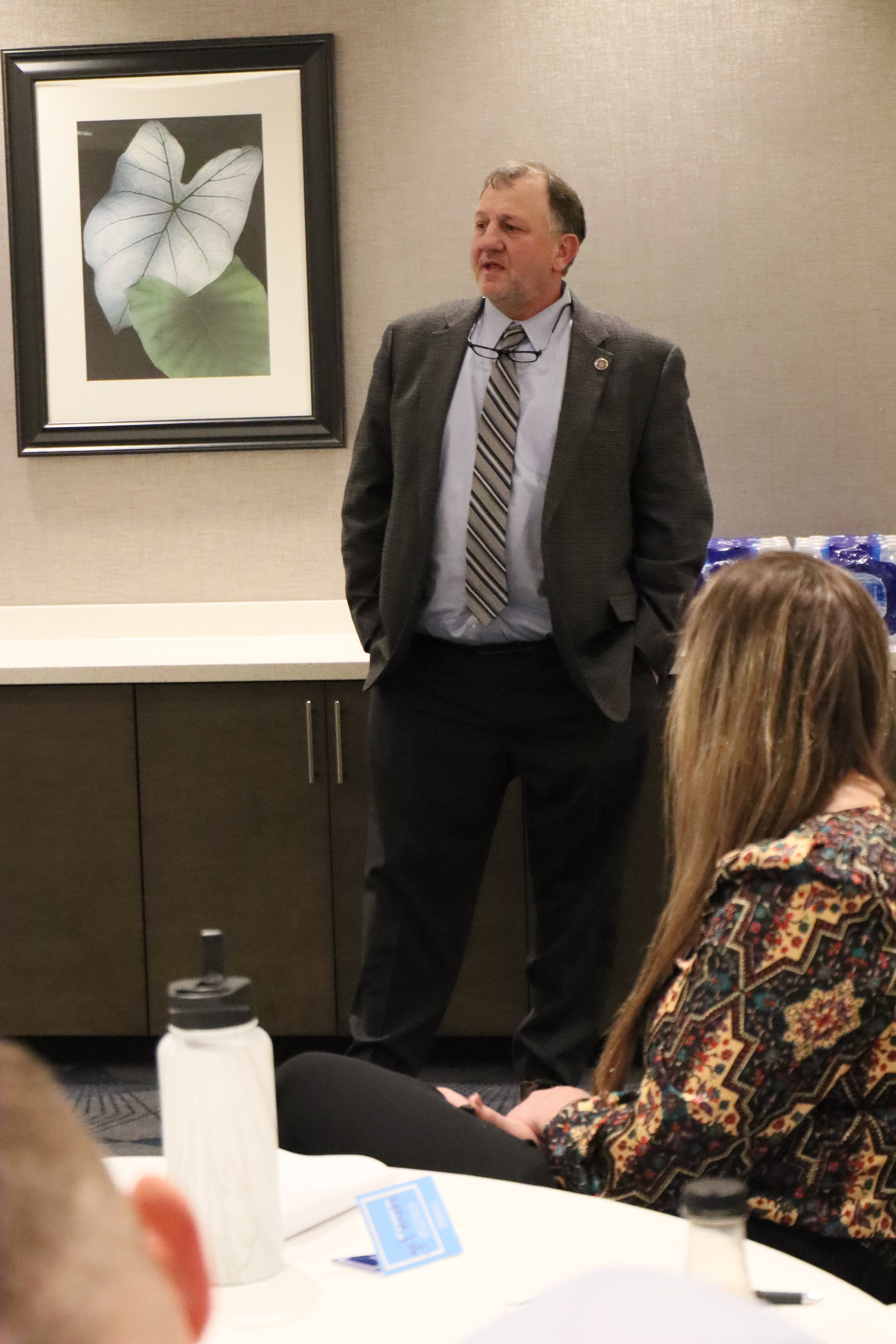
The pillars of those emerging policies are anchored to an impermeable foundation called Parliamentary Procedure. With origins in ancient Greece, this set of rules is a universal language still guiding how organizations or assemblies conduct meetings.
“We have a motion. Is there a second?”
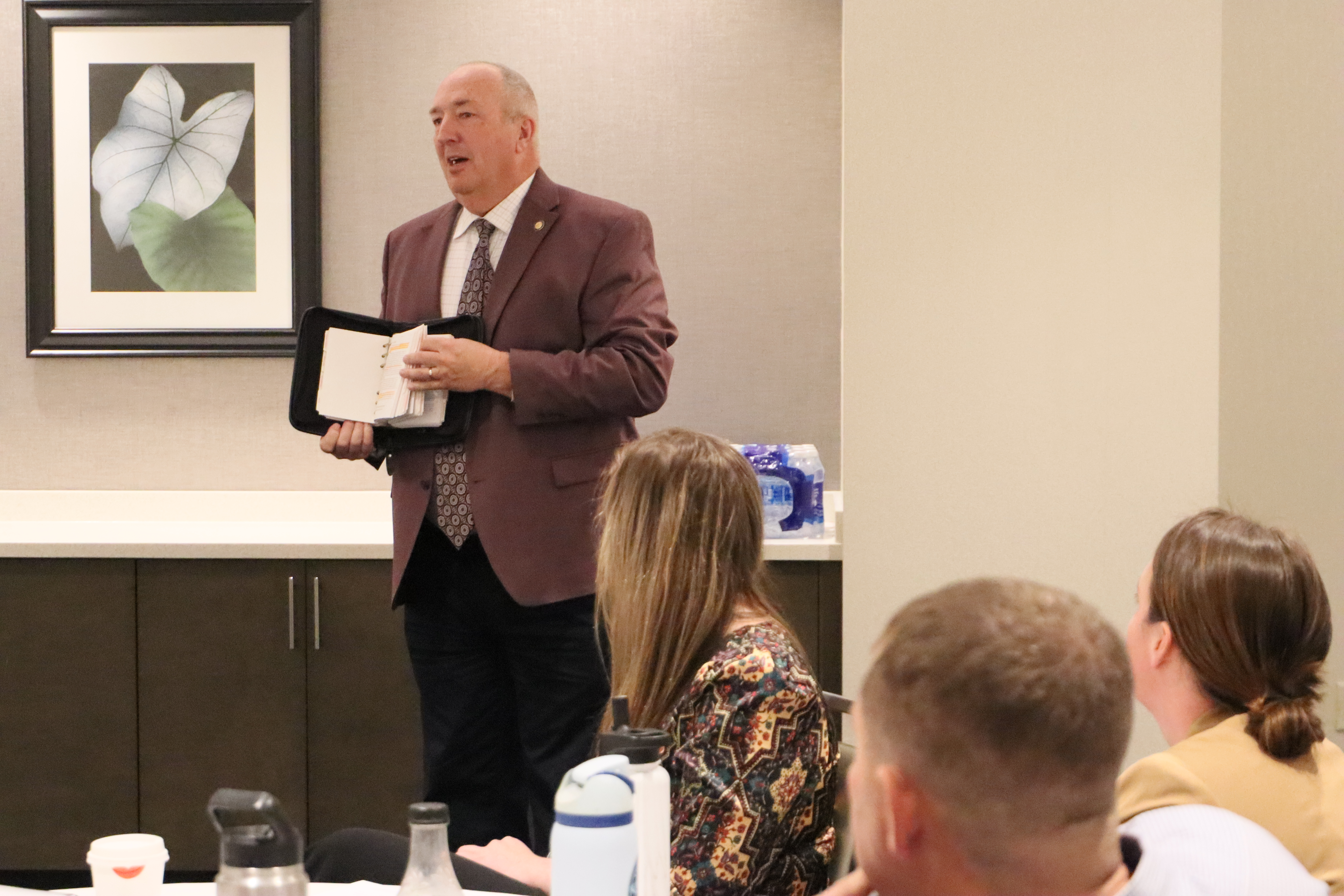
I can still hear county commissioners and city leaders repeat this in my head after so many years covering local government as a news reporter. Whenever they strayed from the agenda, disagreed or got distracted, Robert’s Rules of Order was there to bring them home. An FFA “Parli-Pro” expert coached us on Robert’s Rules—the most widely used parliamentary authority, keeping civil society on track since 1876.
Bourbon, and bean soup warmed us up at Reservoir Distillery, where we met with a celebrity chef and owner of Belmont Butchery. Her culinary techniques earned first place on Food Network’s competition show Chopped. Trained in French-county cuisine, she butchers carcasses from an array of livestock, and ventured into value-added products including sausage, foie gras and scrapple.
Every region has its version of scrapple and devoted enthusiasts. She cooks a mixture of pork scraps and organ chunks into mush with cornmeal and spices, which is then sliced and fried crispy.

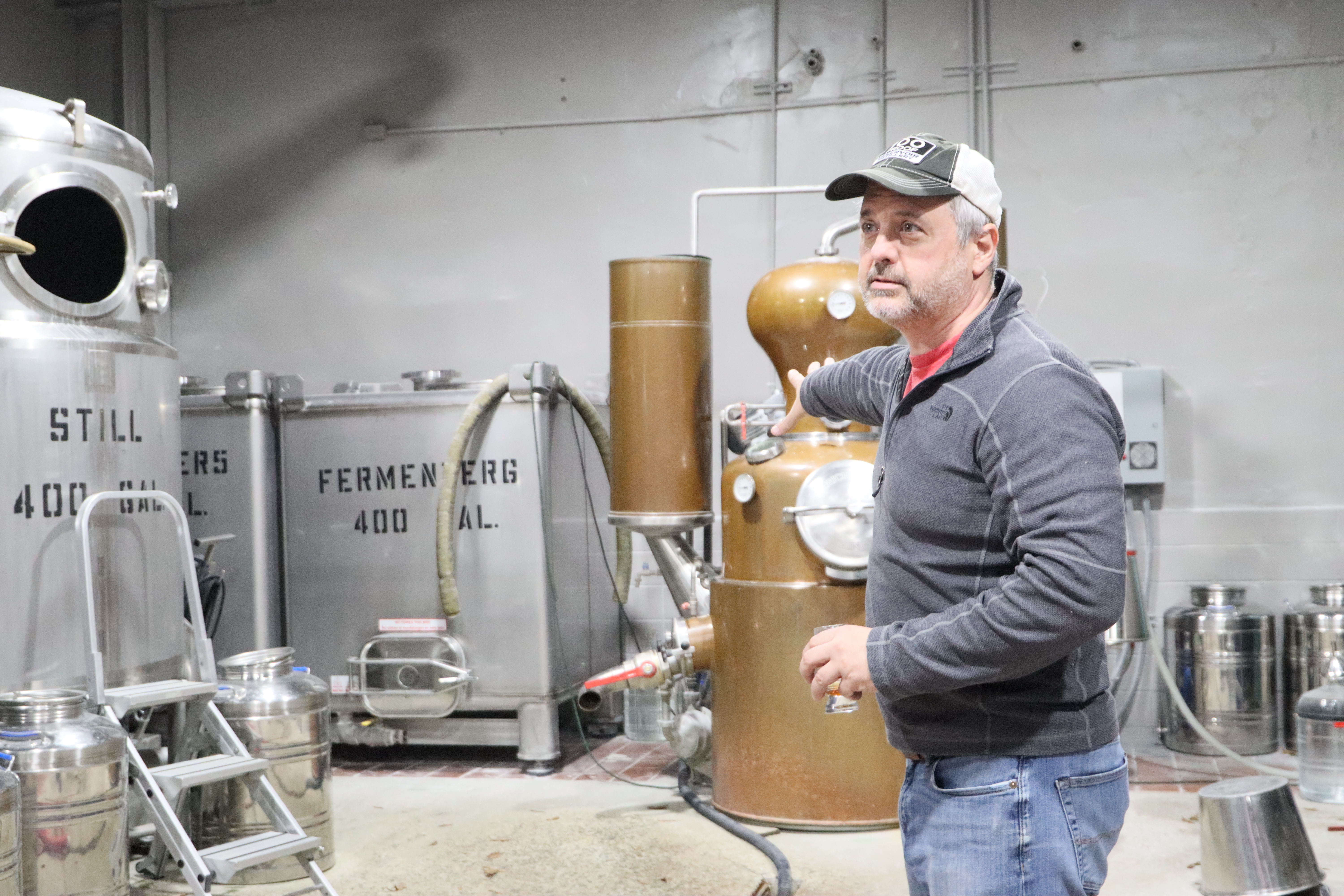
What does Virginia taste like? Reservoir Distillery’s bourbon selection smacks of regionally grown grains and forest products, stored in barrels made from Virginia oaks.
Virginia is the birthplace of American spirits. However, the distiller said U.S. alcohol consumption is down overall.
But what if we experienced bourbon like our American ancestors did?
Reservoir’s distillery educator received funding for a heritage grains project studying some of the country’s oldest distilled grains, asking the questions, “Are the forgotten flavors of history waiting to be rediscovered? And are they worthy of being unearthed?”
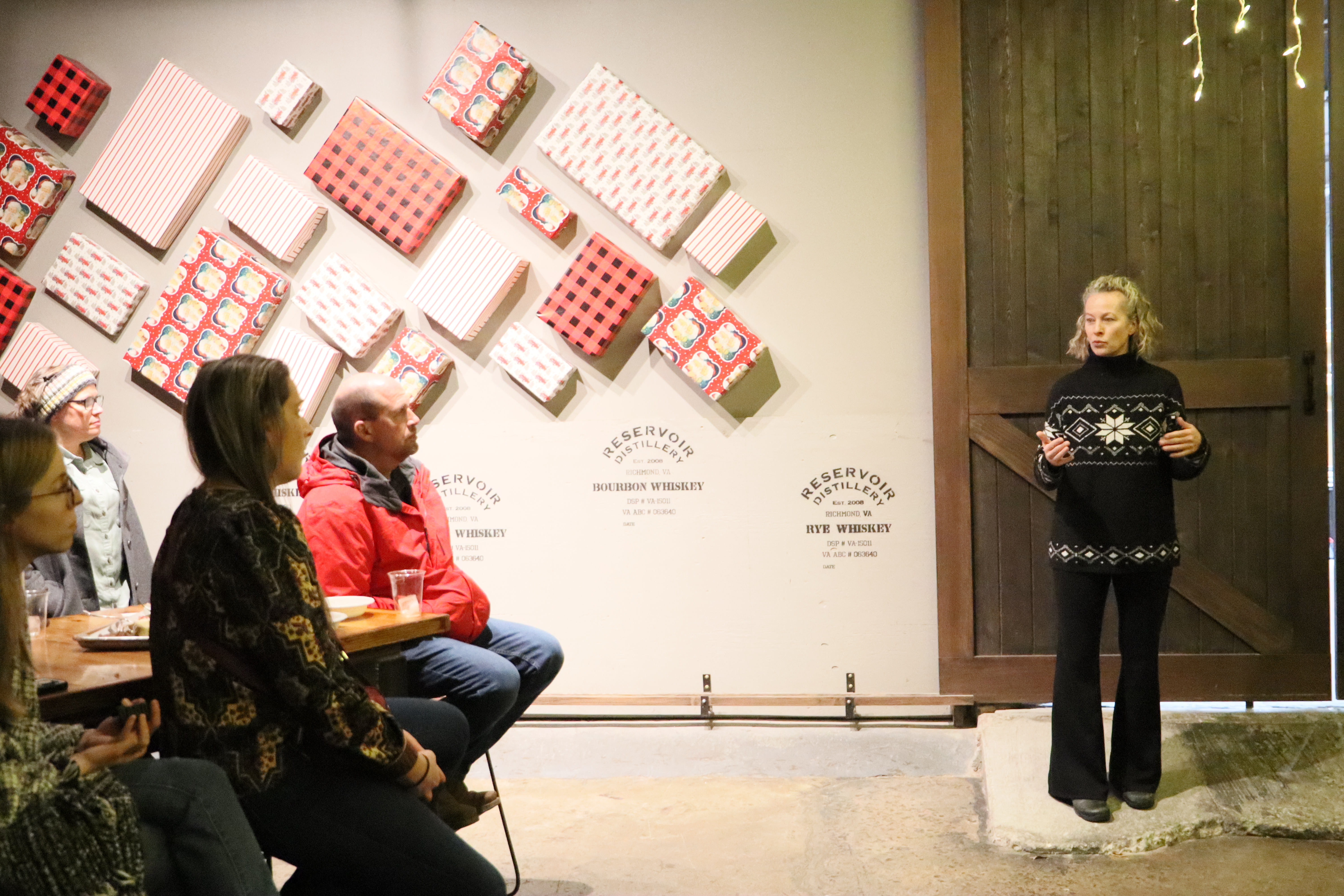
She is procuring up to 500 heritage grain seeds, teaming with farmers to grow plots, and distilling those grains into unique batches. Each bottle will be labeled with its heritage grains and Virginia farm where it was harvested.
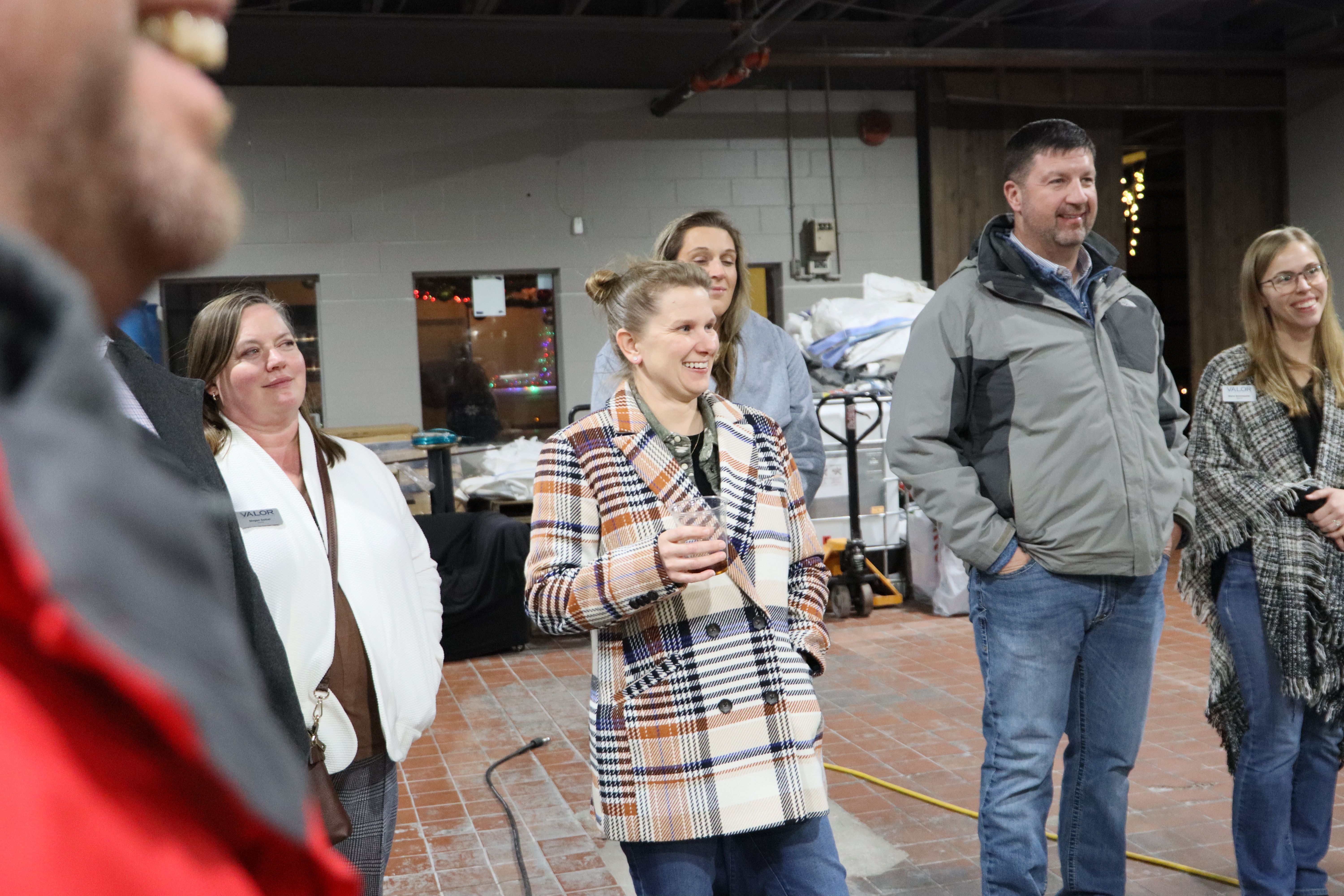
The water crisis didn’t stop our visit to the governor’s cabinet chambers where we enjoyed facetime with state secretaries overseeing labor, natural and historic resources and education. The secretary of the commonwealth is state government’s “utility player,” overseeing sundry people and processes: notaries, tribal liaisons, pardons and rights restoration, extraditions and gubernatorial appointments to 316 state boards.
Her leadership takeaway: Volunteer for a governor’s board spot if you have willingness to serve.

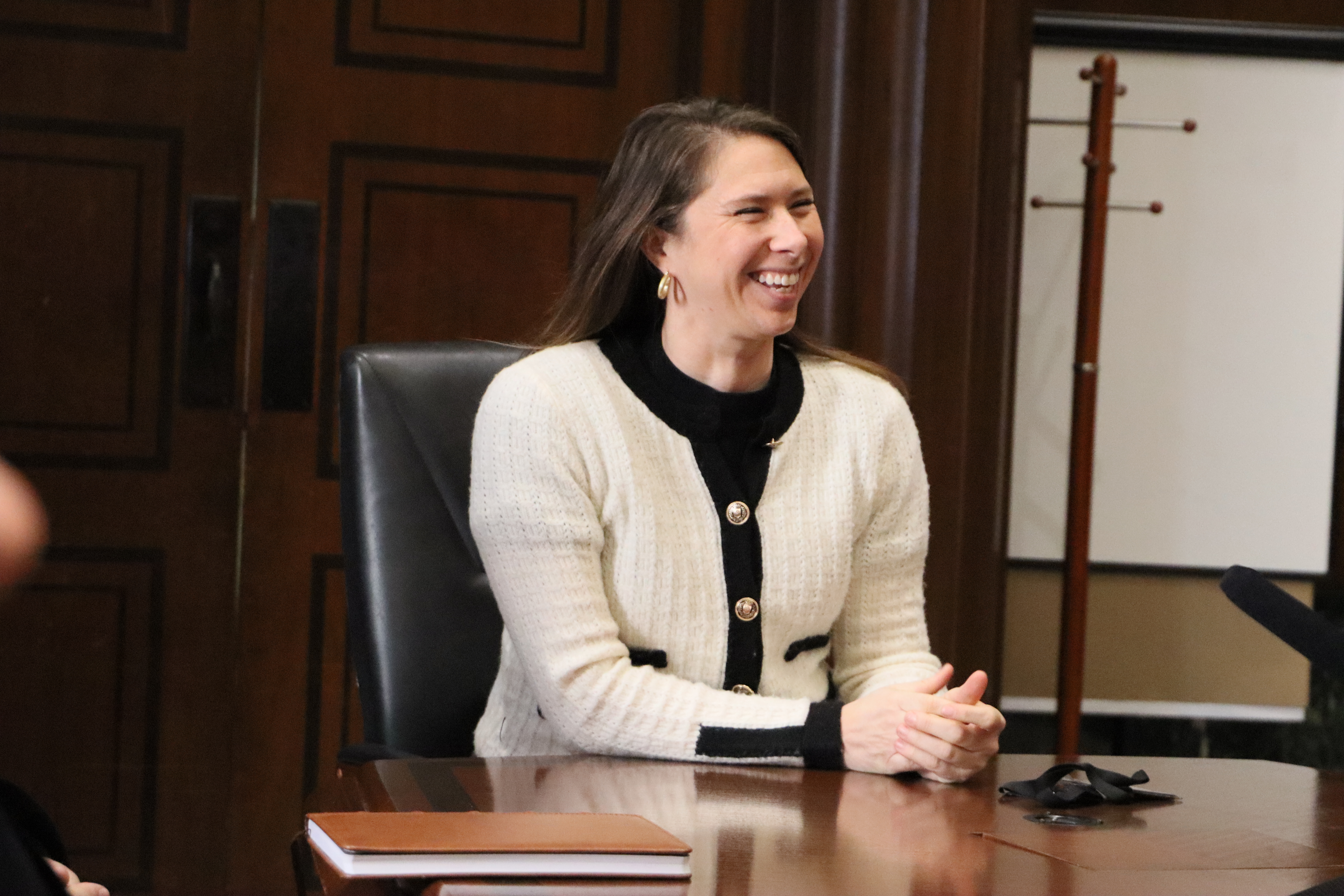
Our agriculture and forestry secretary remarked on industry challenges, including access to affordable farmland, efforts in meeting Chesapeake Bay water quality goals, food safety, and how to proactively help farmers offset losses to potential tariffs.

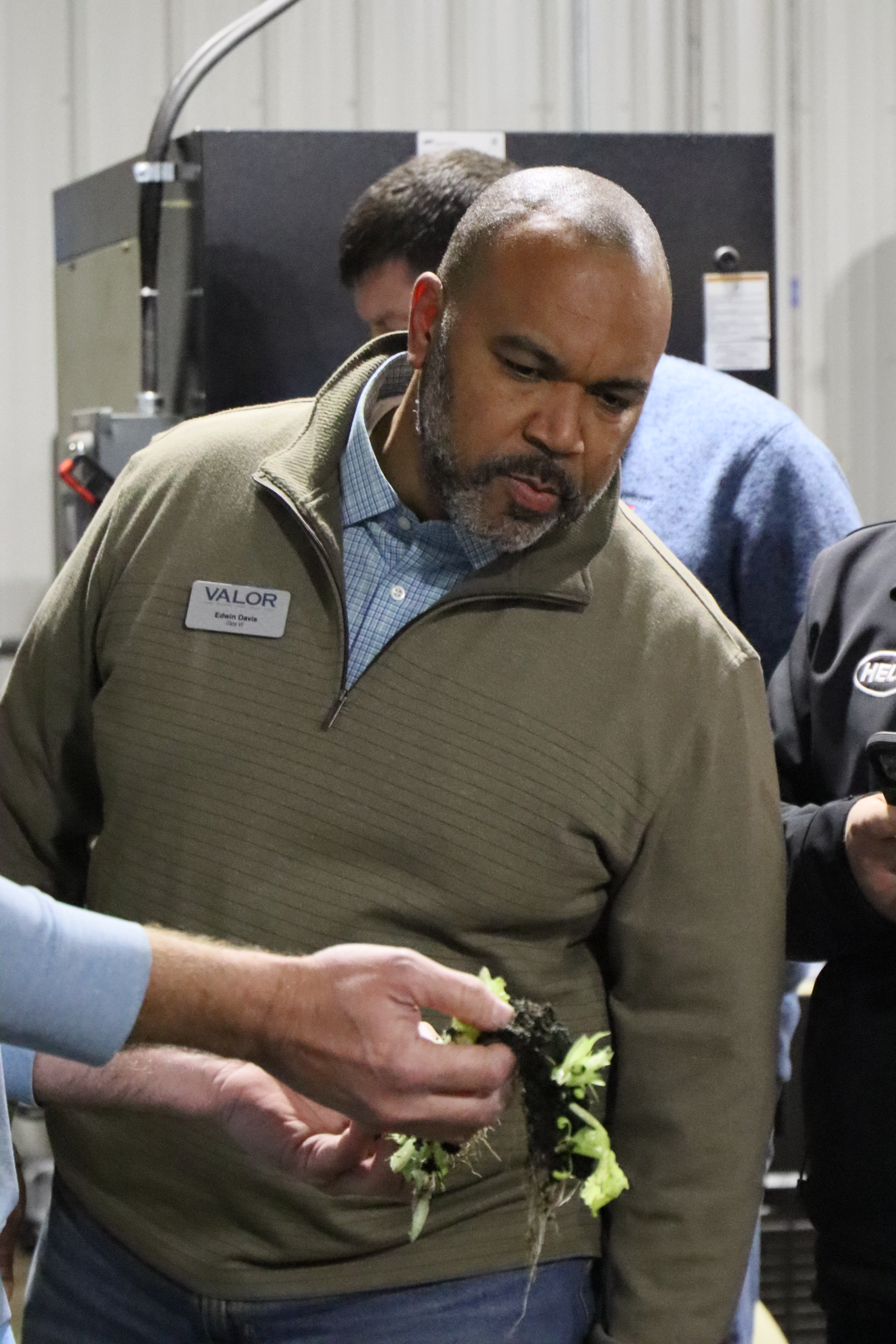
We watched fields of specialty lettuce seeded in 740 channels of peat moss perform an automated dance under refracted LEDs at Greenswell Growers in Goochland County. As more farm-and forestland succumbs to developmental pressures, controlled-environment agriculture shows promise in Virginia. We toured the 80,000 square-foot facility, where the 3,700 pounds of lettuce harvested that day would appear on Food Lion shelves tomorrow.

I was the co-tour guide for VALOR’s visit to Virginia Farm Bureau Federation’s state office where I work as a senior staff writer and photographer. We met with the organization’s newly elected president, a farmer and entrepreneur from Franklin County. He is the youngest president to lead the 100-year-old statewide farm advocacy organization.

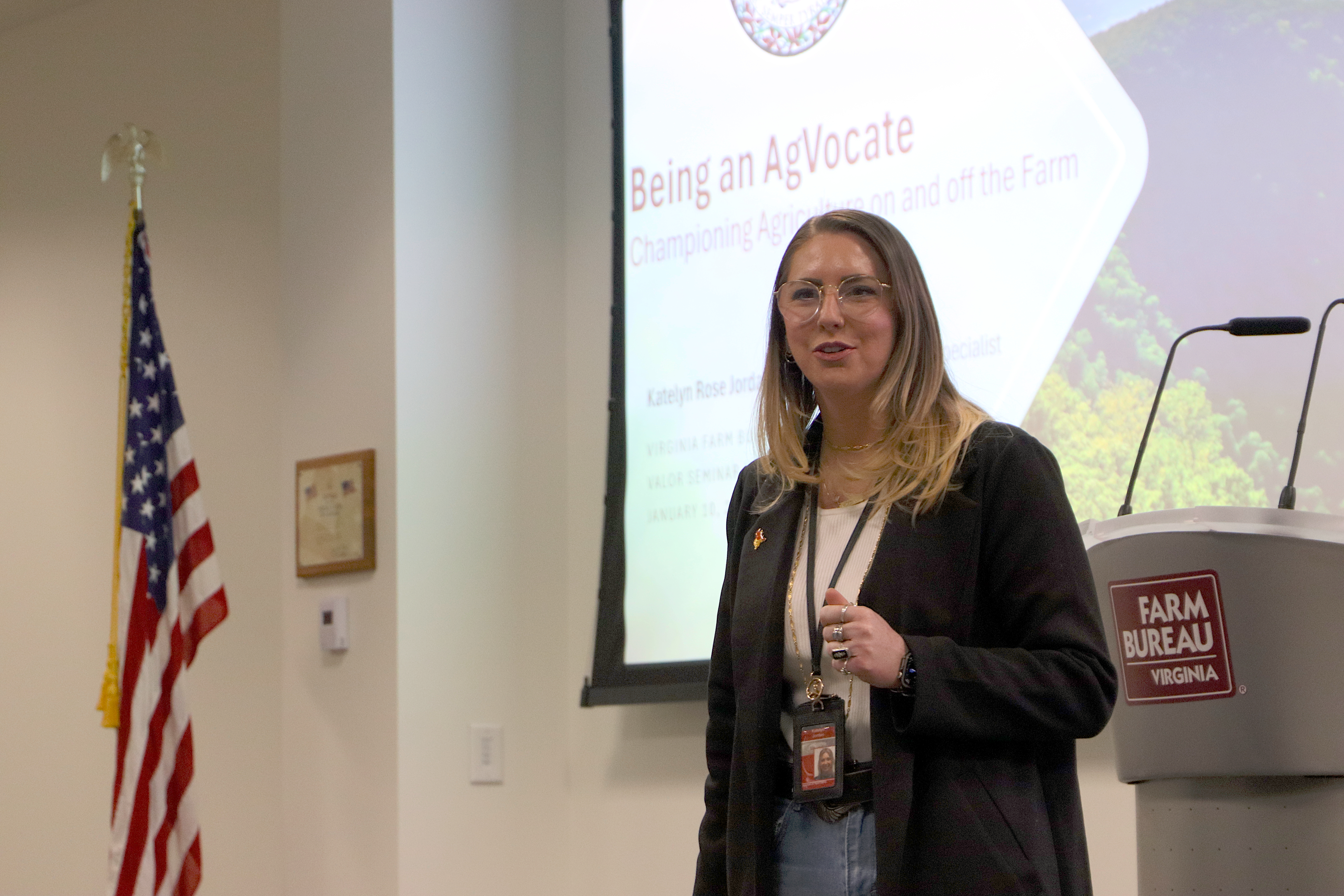
A VFBF governmental relations legislative specialist explained the workings of its grassroots policy development process, and the legacy of success in advocating for good farm policy at the Virginia General Assembly.
Our communications team coached us for media interviews, where I stuttered through my on-camera response to a contentious agriculture question. My message was solid. My delivery was not.

Talent + knowledge + skill = strength. A strengths-finder assessment identified my top 10: positivity, empathy, information aggregation, contextual awareness, intellection and inclusiveness were among them. A colleague helped us analyze our assessments and compare individual strengths among the VALOR cohort.
His leadership takeaway: The best leaders make their strengths stronger, not their weaknesses more mediocre.

Next seminar: The marvelous Shenandoah Valley in March!

 valeadersor.com