


Our second VALOR session is behind us, and it is amazing to look back on everything we learned. This session we spent time in the Tidewater and Eastern Shore region of VA, an area well known for their unique and sandy soils. On the first day, we took a deep dive into the world of peanut production in Virginia. Caitlin Joyner gave us an overview and history of the peanut industry in Virginia. While the acreage is lower, around 30,000 acres, in comparison to other states, peanut production in Virginia is mighty in crop yield and impact. Our next stop on the tour was to Belmont Peanuts. Belmont started as a small business in 1993, and has expanded to a large warehouse facility with a family deli out front. The business is still run by the family, and has contracts with large distributors like MarMaxx, selling peanuts across the US and online.

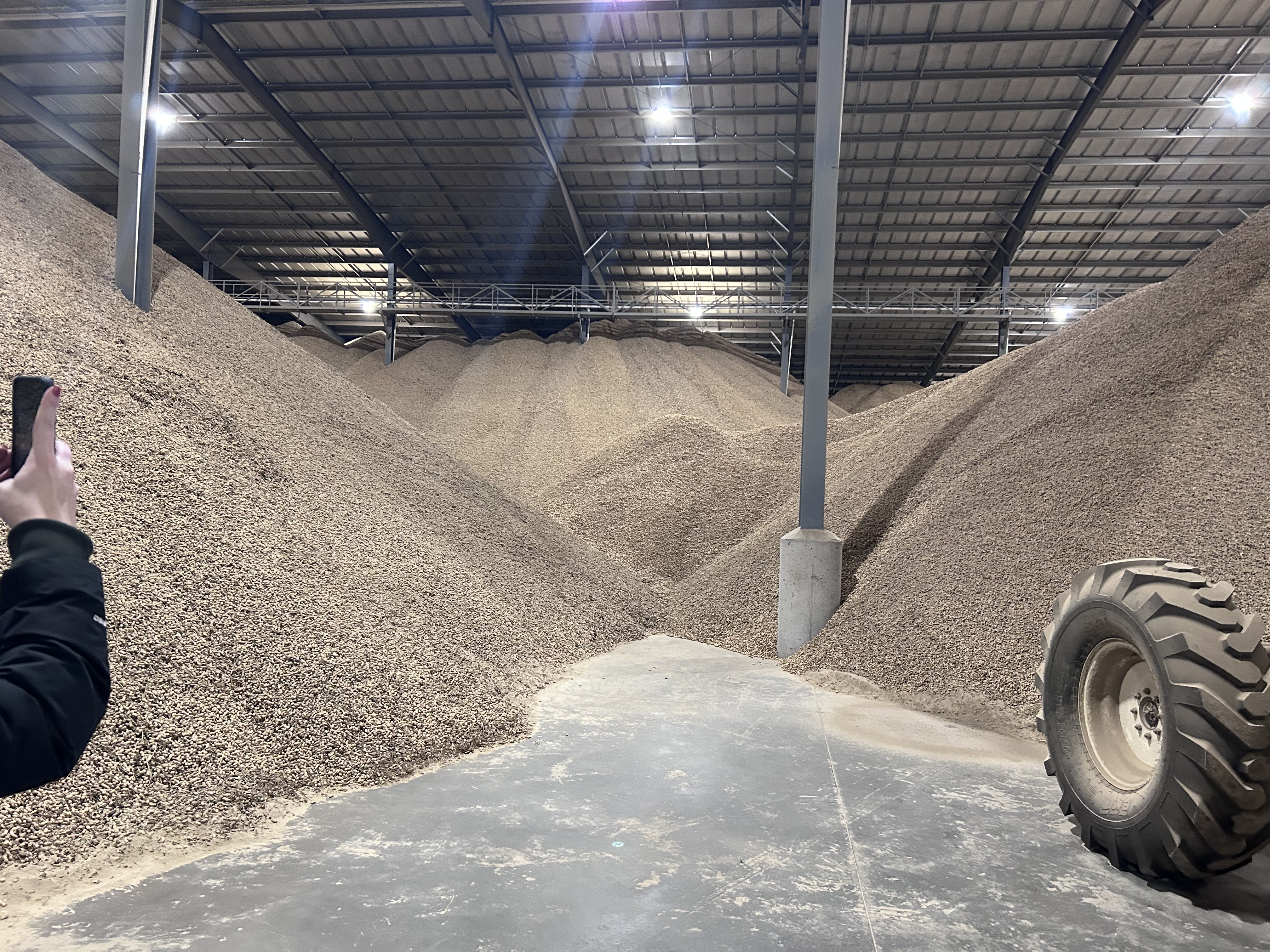
Our second stop of the day was at Birdsong Peanuts. Birdsong is a peanut sheller – meaning they intake peanuts from the field and dry them down as needed, store them, shell them, and either sell or can store them shelled. They sort peanuts by color and quality. I had no idea that peanuts could be stored for over two years before you see them on the shelves! The facility has a relatively new storage building with peanuts as far as the eye can see. It was incredible to see!
Our last stop of the day was the Tidewater Agricultural Research Station, one of Virginia Tech’s research campuses. The AREC is home to faculty researching cotton, peanuts, pigs, plant pathology, new technology, and more. The Director, Dr. Matthew Chappell, gave us a short presentation on the history, present, and future of the AREC, and his insights as a leader in agriculture and academia. We had a delicious dinner made by Mr. Daughtrey and his wife, and listened to Mr. Daughtrey talk about his time as an agriculture teacher and lessons of how small impacts can make such large ripples in people’s lives.
Day two began at Smithfield Foods, the VA pork processing facility for Smithfield. The facility has changed use over the years, and how prepares cooked and raw bacon and packaged meats such as country style ribs and porkchops. It was very interesting to tour the facility and see how the various cuts are prepared, packaged, and shipped around the country, and to learn more about the scale with which they process pork. The smoke houses can hold over 25,000lbs of bacon for a single batch, and they have many smokers running at a time! That’s a lot of bacon!
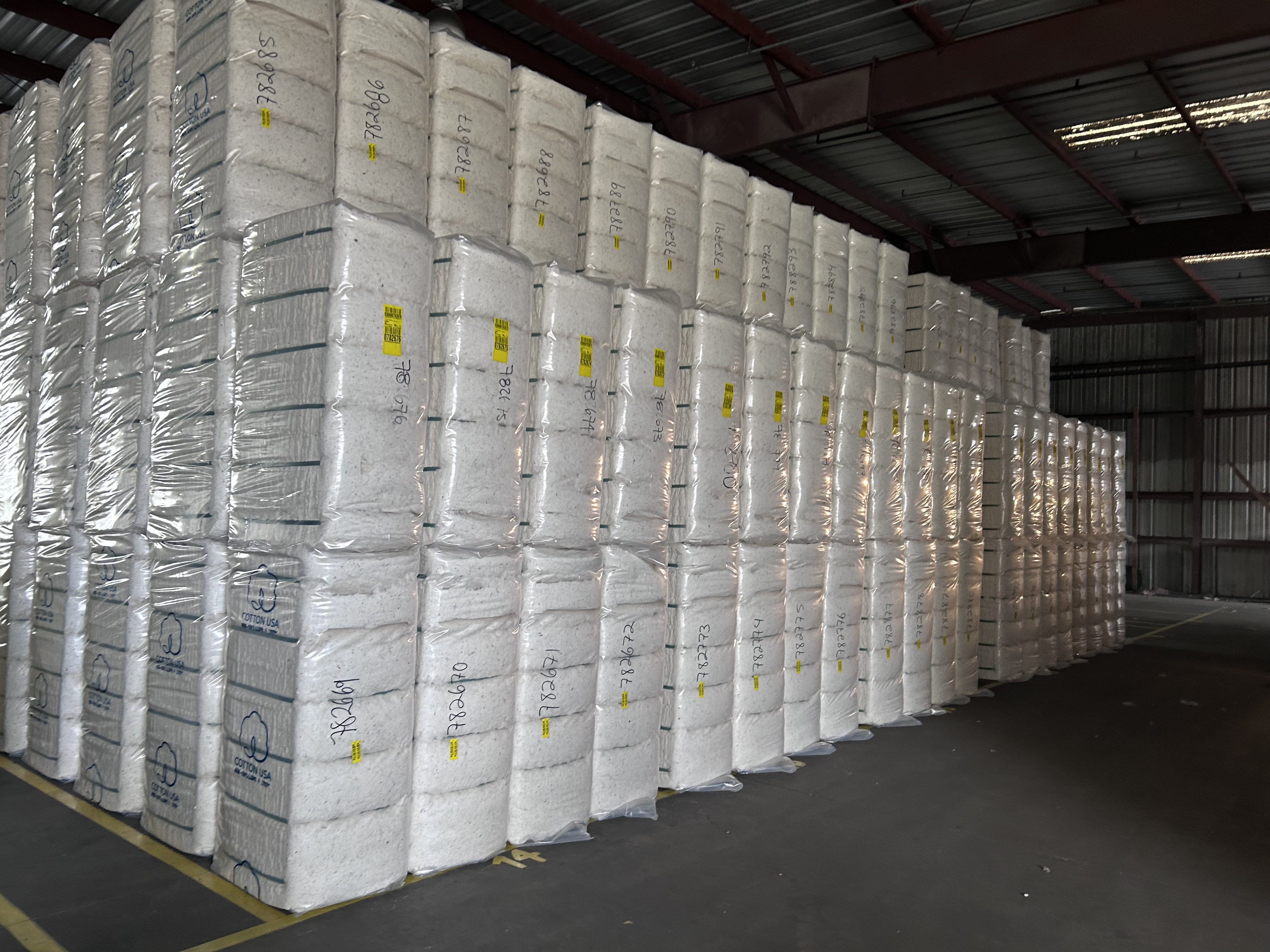
Stop two was at the Commonwealth Gin to learn about the cleaning and processing of cotton in Virginia. Like peanuts, cotton only grows in the southwest corner of the state and is unique to the Eastern Shore area. We learned about the history of cotton in the state, the products made from all the various parts including the seeds and “waste,” and the bales that get shipped all over the world.
Our last stop on day two was at the Rogers’ farm. Paul Rogers and his wife, Pam, grow soybeans, peanuts and cotton. They were awarded the 2018 Sunbelt Expo Southeastern Farmer of the Year. Their farm and shop were very clean, and it was clear that they take a lot of pride in what they do. Before dinner Paul spoke with us about his experiences in agriculture, his views and worries about the future, and how their farm has explored some farm transition. Paul’s son-in-law was our dinner speaker and gave us an overview of drug use in Virginia. It was very enlightening!
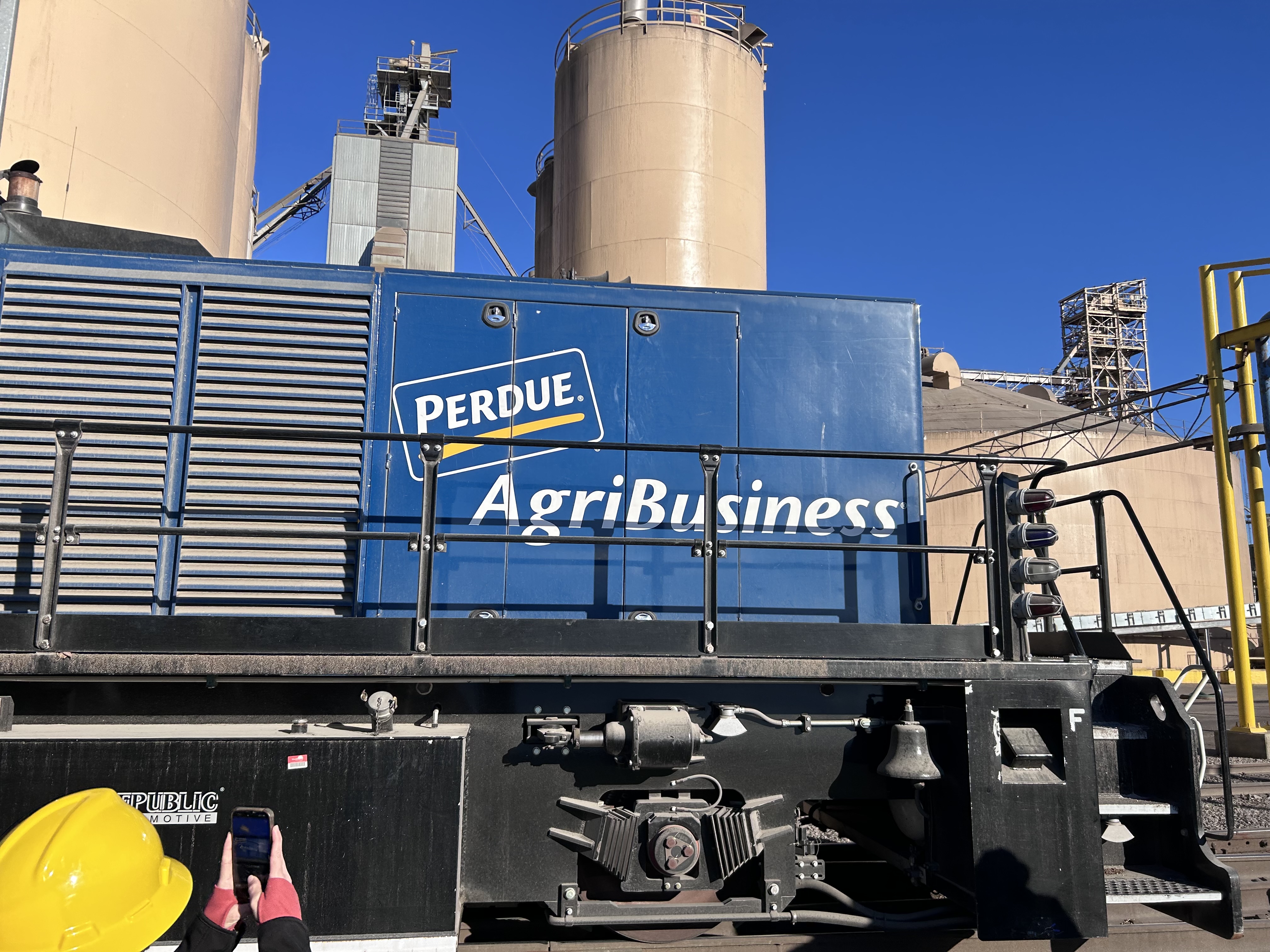
Our final day brought us to Perdue Agribusiness at their shipping port in Chesapeake, VA – the only deep water grain terminal on the east coast. This plant ships soybeans globally, and crushes soybeans for oil and soybean meal. Leaving Perdue, we made our way to Quail Cove Organics where we learned about the trials and successes of organic sweet potato production, with a sweet potato donut and cup of sweet potato soft serve ice cream in hand!
The last stop on the trip was to Dublin Farm, a potato farm on the Eastern Shore. Dublin Farms started with a land grant 5 generations ago, and now farms close to 7,500 acres of row crops, potatoes, and green beans. While the tour of their packing facility and learning about how the potato industry works in the U.S. was very insightful, I really appreciated the conversation surrounding the tough decisions they have made on labor, farm transition, and family dynamics within the business. These kinds of conversations are so important in agriculture to help families understand that they are not facing these challenges alone.

Overall, this session was impactful both from a new perspective on Virginia Agriculture and a look at leaders within the industry. Every business and farm had rich history in the area, and huge reach and impact on both the state, U.S., and global agriculture. They all had growth pains, family dynamics, and challenges along the way, but all shared the sentiment of their love for agriculture and the ability to persevere in the face of those challenges. I am already looking forward to our next sessions, and can’t wait to see what we learn!

 valeadersor.com