

Our most recent VALOR seminar brought us to the Tidewater region and Eastern Shore of Virginia, a corner of the state that, while geographically close to home for me in Suffolk, holds a rich agricultural heritage with far-reaching global significance. Over three days, we explored the industries that thrive in this region — peanuts, pork, cotton, and potatoes — and gained a deeper appreciation for the interconnectedness of local farming and the global food system.
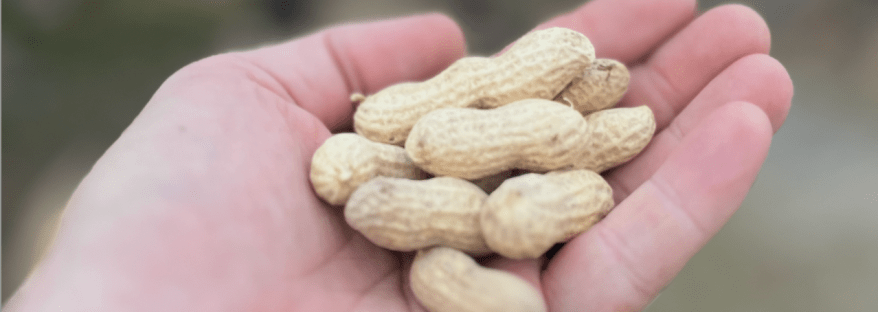
We began with an in-depth look at the peanut industry, a staple crop of Tidewater agriculture. At the Virginia Peanut Growers Association, we explored the economic and cultural significance of Virginia peanuts, learning about their diverse uses, market dynamics, and the challenges faced by producers. This overview set the stage for one of the highlights of the seminar: Belmont Peanuts.
Belmont Peanuts offered a fascinating glimpse into how a family-run business can transform a humble crop into a premium, sought-after product. Touring the facility, we saw firsthand the journey of peanuts from raw deliveries to the final seasoned and packaged products ready for store shelves. The Marks family’s dedication to quality and innovation was evident at every stage of the process. Their ability to blend tradition with modern branding has elevated Belmont Peanuts to a standout example of agricultural entrepreneurship. From their on-site deli to their private-label partnerships with major retailers, the Marks family’s operation embodies the potential of small-scale farming to reach national and international markets, creating a local product with global appeal.

From Belmont, we traveled to Birdsong Peanuts. Here, we saw how massive volumes of peanuts are processed, graded, and prepared for markets across the world. Peanuts grown in Tidewater not only support local economies but also contribute to international food supply chains, finding their way into everything from peanut butter to confectionery products sold around the world!
The global impact of Tidewater’s agriculture became even clearer during our visit to Smithfield Foods, the world’s largest pork producer. Touring the facility, I was struck by the remarkable efficiency of their operations, where human expertise and advanced automation work in harmony to produce pork products destined for markets worldwide. This level of precision and scale highlights the significant role Virginia agriculture plays in feeding the global population.

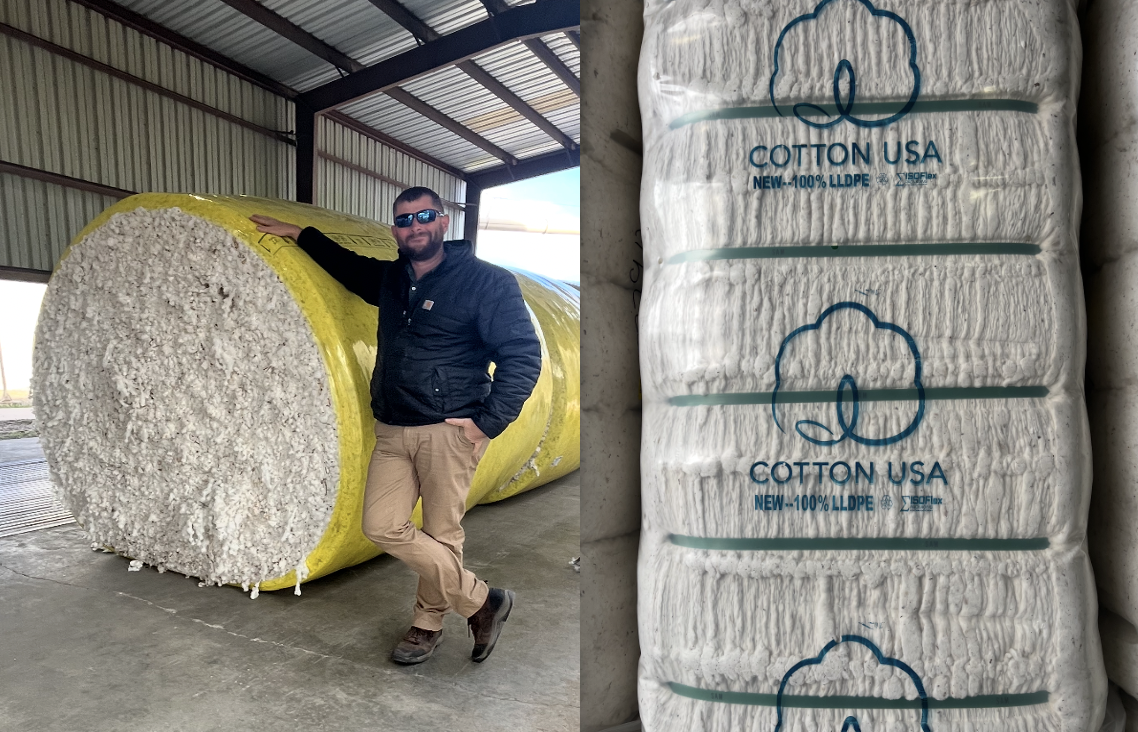
Cotton was another highlight of our journey. At Commonwealth Cotton Gin, we traced cotton’s path from field to bale and marveled at how this crop contributes to both local livelihoods and international textile markets. Virginia cotton, known for its high quality, is sought after worldwide, from fabric mills to medical supply manufacturers.
Our evening closed with a visit to Rogers Farms, a shining example of the resilience and dedication required to sustain family farming through generations. Touring his farm was both inspiring and eye-opening, as Paul’s pride in his land and work was evident in every detail, from the pristine fields to the cutting-edge equipment.
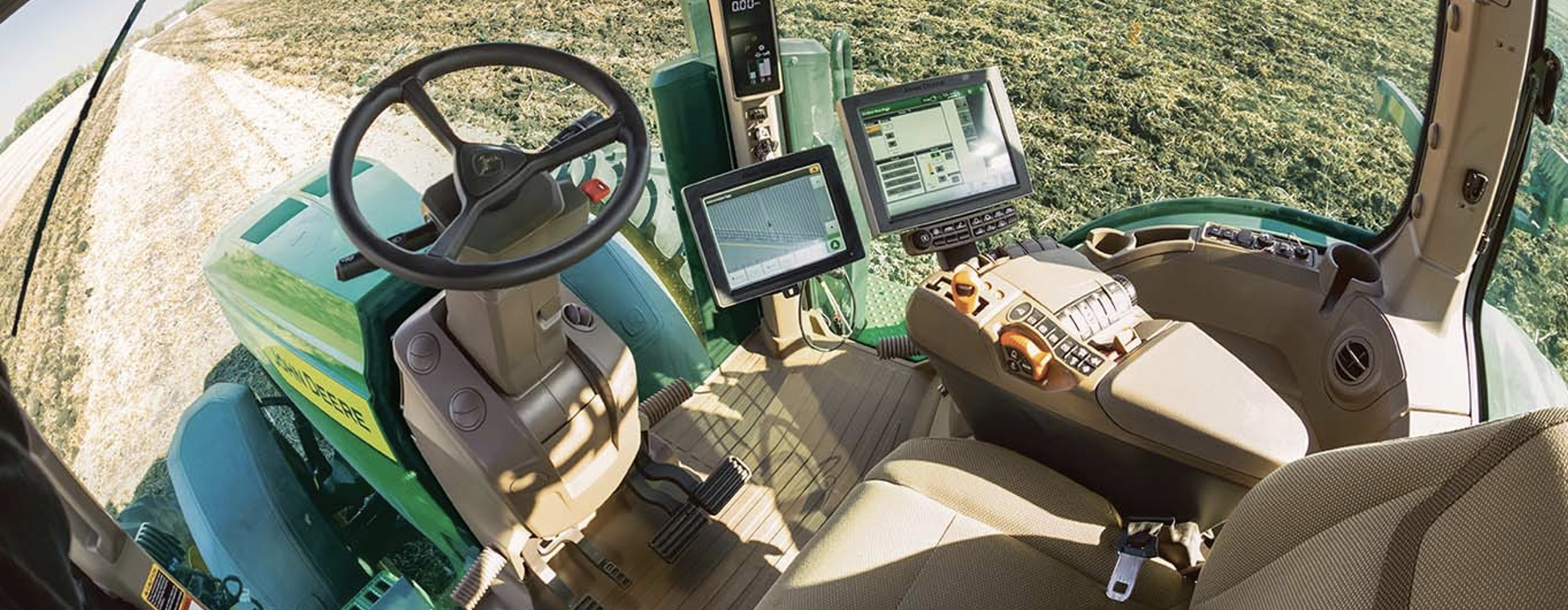
One unforgettable highlight was the opportunity to drive an AI-enabled John Deere tractor. Experiencing firsthand how technology is revolutionizing modern agriculture was both thrilling and demonstrated how farmers like Paul are embracing innovation to optimize efficiency and productivity while preserving the integrity of their operations.
Paul also shared candid reflections on the challenges of farming today, including rising input costs, land management complexities, and preparing the next generation to carry on the family legacy. His insights underscored the delicate balance required to navigate the ever-evolving agricultural landscape while remaining deeply rooted in tradition.
Visiting the Perdue AgriBusiness port in Chesapeake, VA, offered an incredible insight into the critical role this facility plays in global agriculture trade. As the only bulk grain exporter on the East Coast, the port serves as a hub for shipping soybean, corn, wheat, and their byproducts internationally. The port integrates grain trucks, railcars, and barges to load bulk vessels efficiently, connecting to the Port of Virginia for international trade. With soybeans being Virginia’s largest export, Perdue’s crush facilities transform raw soybeans into products like cooking oil, biodiesel, and livestock feed. The visit highlighted the expertise of merchandisers, logisticians, and operation managers who ensure the seamless movement of agricultural products across the globe.

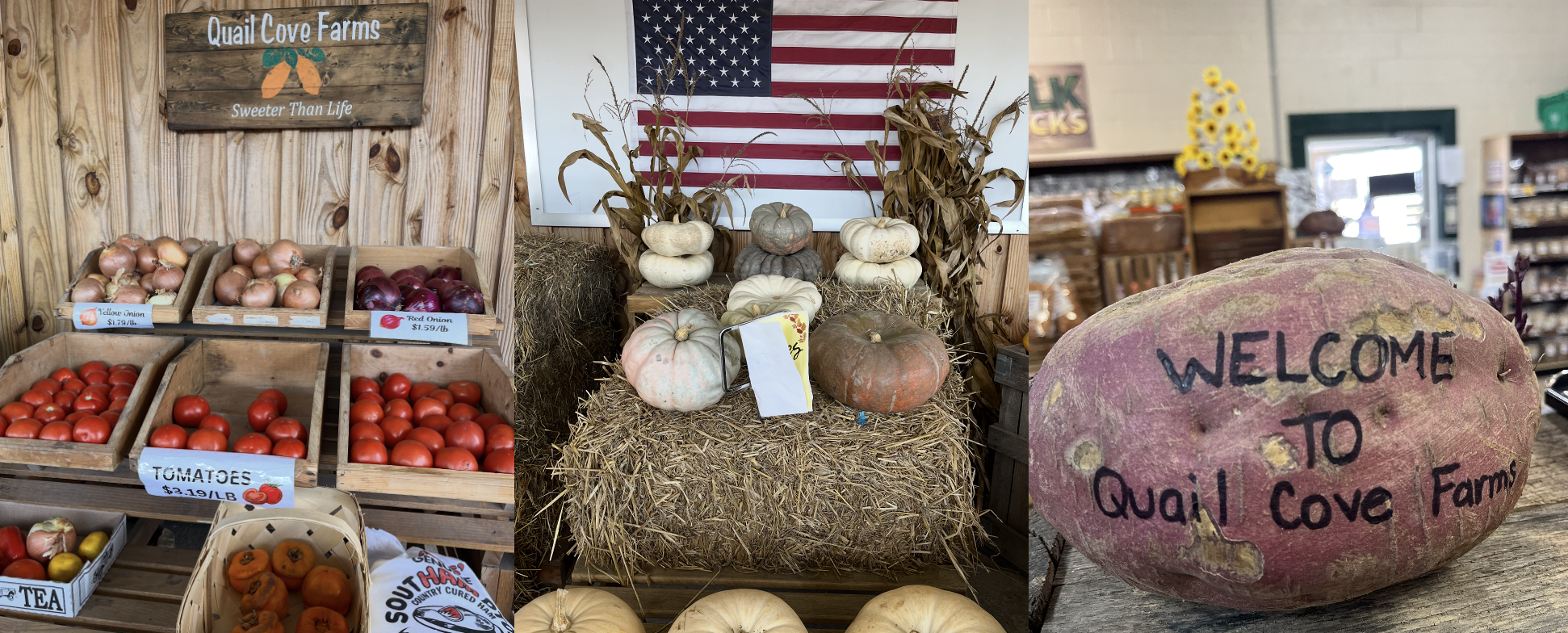
Crossing the Chesapeake Bay, we explored the Eastern Shore’s unique agricultural contributions. Quail Cove Organics offered a look at the growing demand for organic produce and the challenges of sustainable farming. Tasting sweet potato ice cream while learning about organic practices was a memorable highlight, and it was inspiring to see how one farm’s commitment to sustainability impacts consumer choices. Dublin Farms, a fifth-generation potato farm, provided an in-depth look at the logistical and market challenges of producing and distributing potatoes on a massive scale. The farm’s reach extends across the U.S., from grocery stores to meal kit companies, demonstrating how locally grown crops meet national and even global needs.
This seminar reinforced for me the vital connection between agriculture close to home and its impact far beyond our borders. The Tidewater region exemplifies how local farmers and producers not only sustain their communities but also contribute to a global network that feeds, clothes, and fuels the world. Through VALOR, I’m gaining a clearer perspective on the leadership required to navigate these challenges and opportunities, ensuring that Virginia agriculture continues to thrive both locally and globally.

 valeadersor.com