


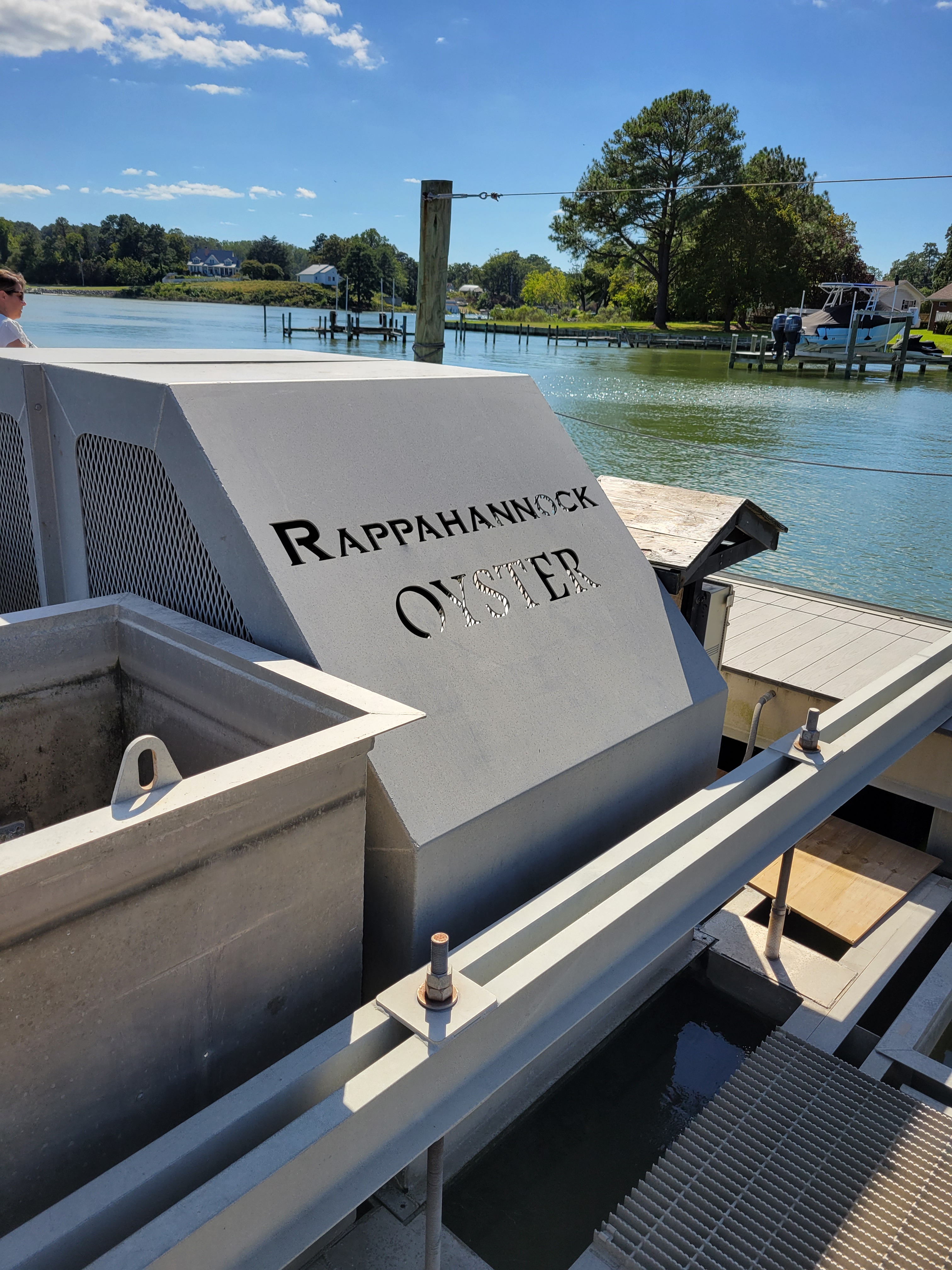
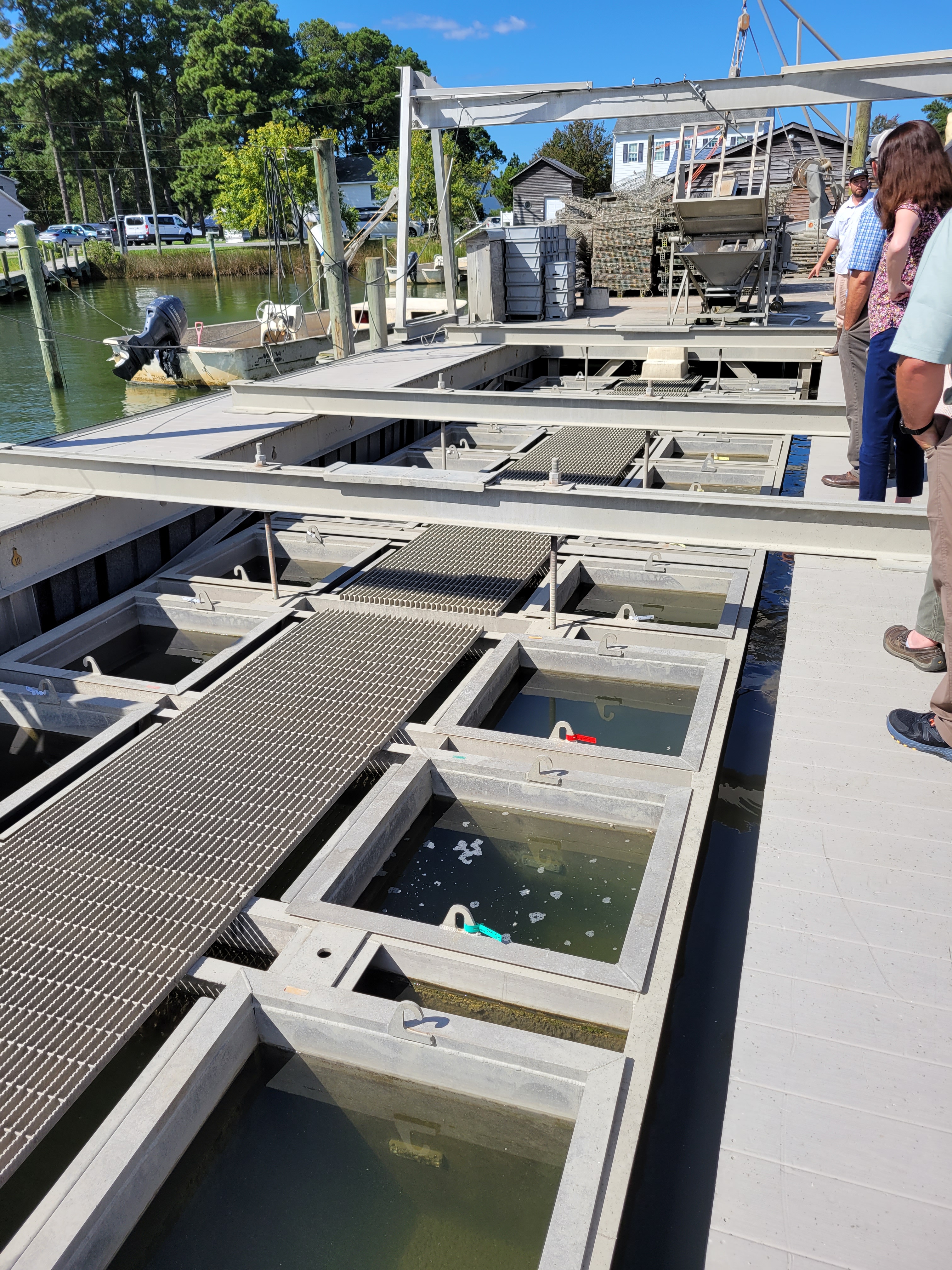
Visiting the Northern Neck was certainly an eye opening experience for me. When I think of farming, all the traditional “on-land” practices come to mind. However, in this part of the state, farming methods include “in-water”! Oyster farming is a thing, and a very delicate process at that. I had no idea it took about 2 years to produce an oyster ready for consumption! We had the opportunity to visit Rappahannock Oyster and learn about this process from the farm manager Patrick Oliver. We then visited Kellum Seafood and learned about the packing and shipping side of oyster production. Additionally, the discussion on oyster beds and what company owns what was fascinating. Some of these beds have been leased for hundreds of years by families….much like ownership of the land and many farms here in SWVA!



Another fascinating stop for me was Omega Protein. It was amazing to learn about the technology used in catching the fish all the way to the finished products. Extracting fish oils was extremely interesting and much more scientific than I had imagined!
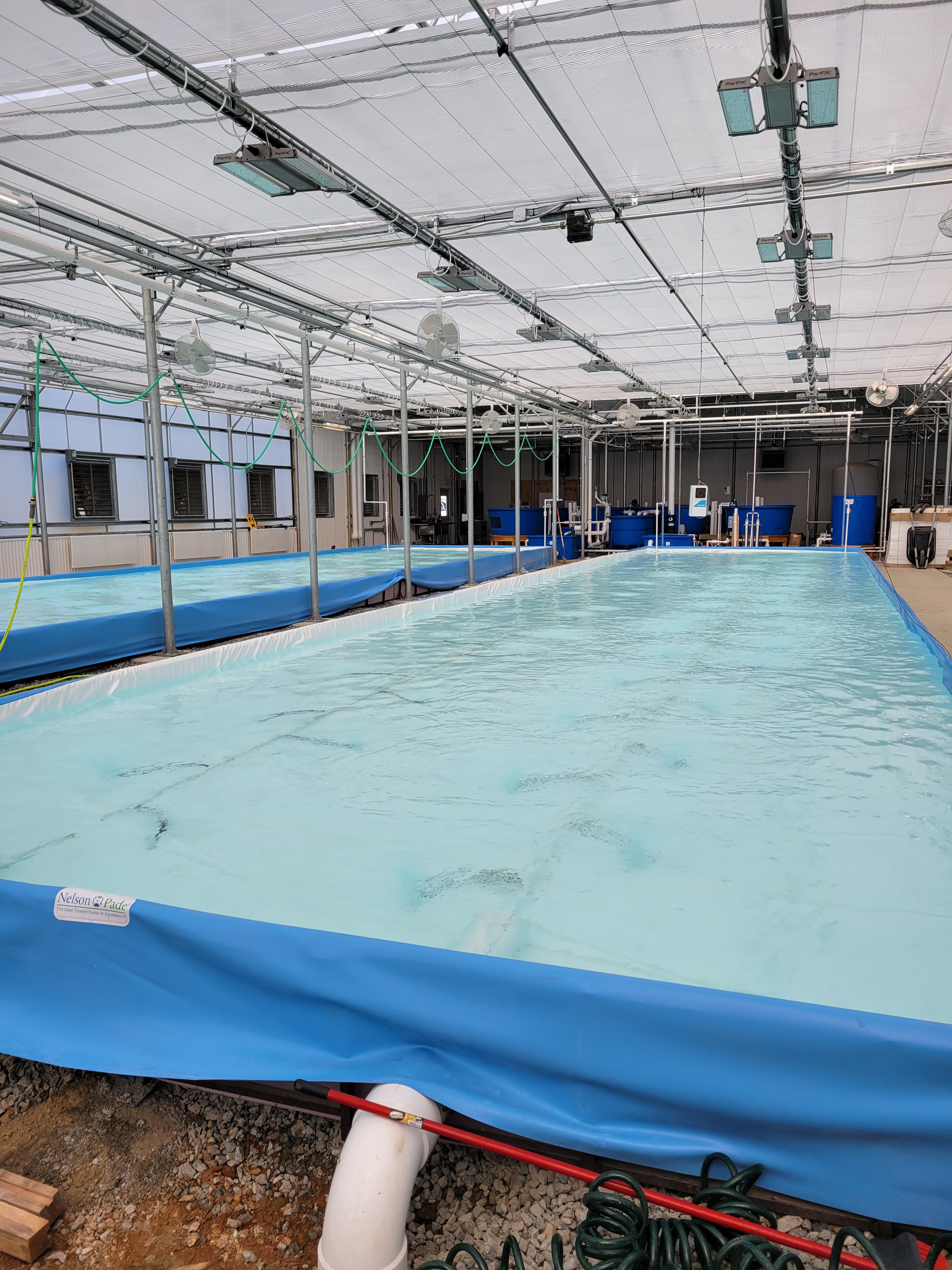
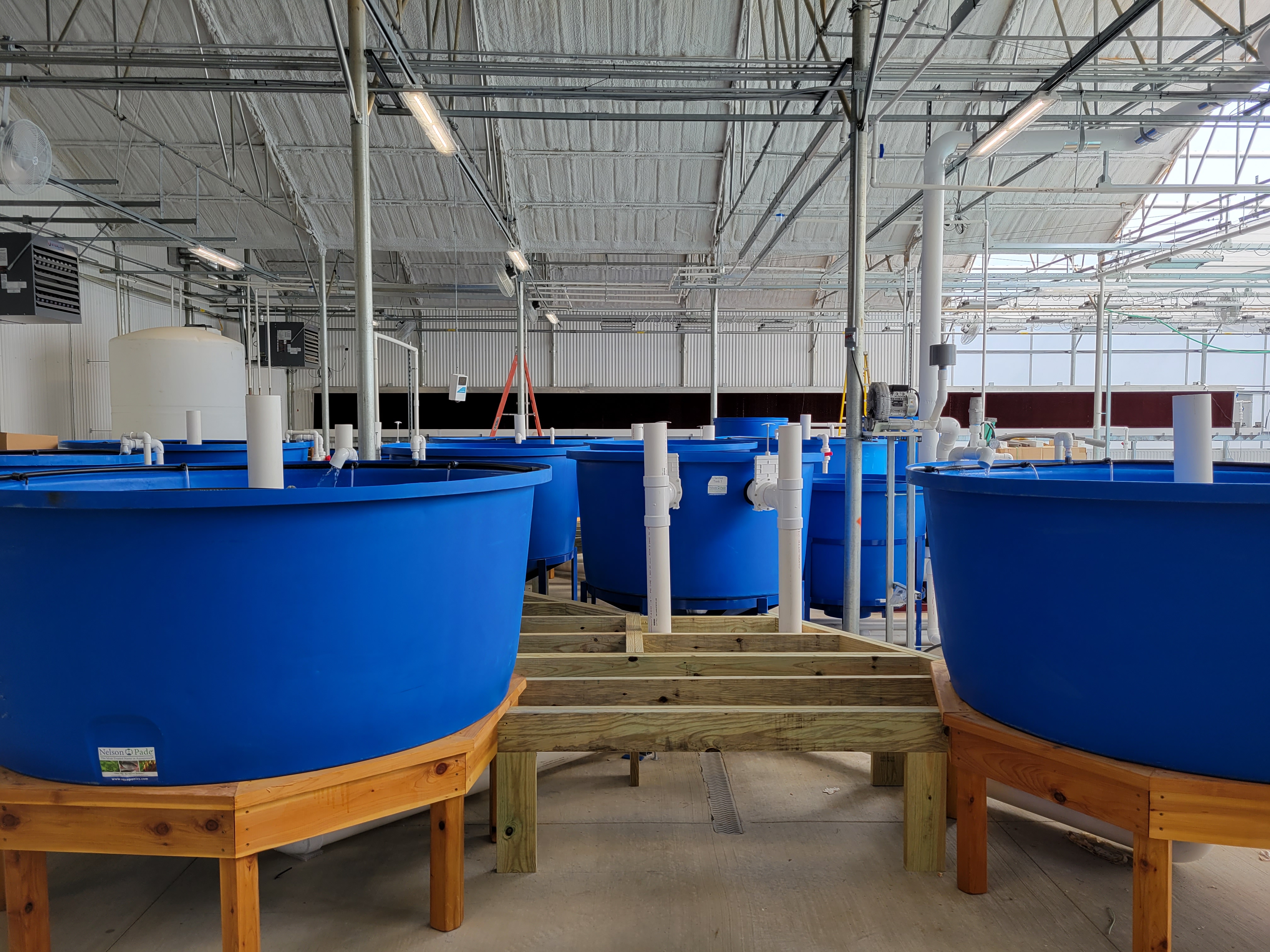
Our first stop however, was Healthy Harvest Food Bank. The sense of community was evident as they not only distributed food to local food banks, but were working on an educational unit and aquaponics facility to produce additional fresh, local foods. They want to support and serve a healthy community and are working hard to do so. The importance of family and community continued as we visited Parker Farms who partners with Healthy Harvest Food Bank to provide fresh produce. Parker farms is family owned and operated and has been for three generations. They partner with other family farms in order to provide the produce needed for the community and their customers. Their business is truly family and community oriented.


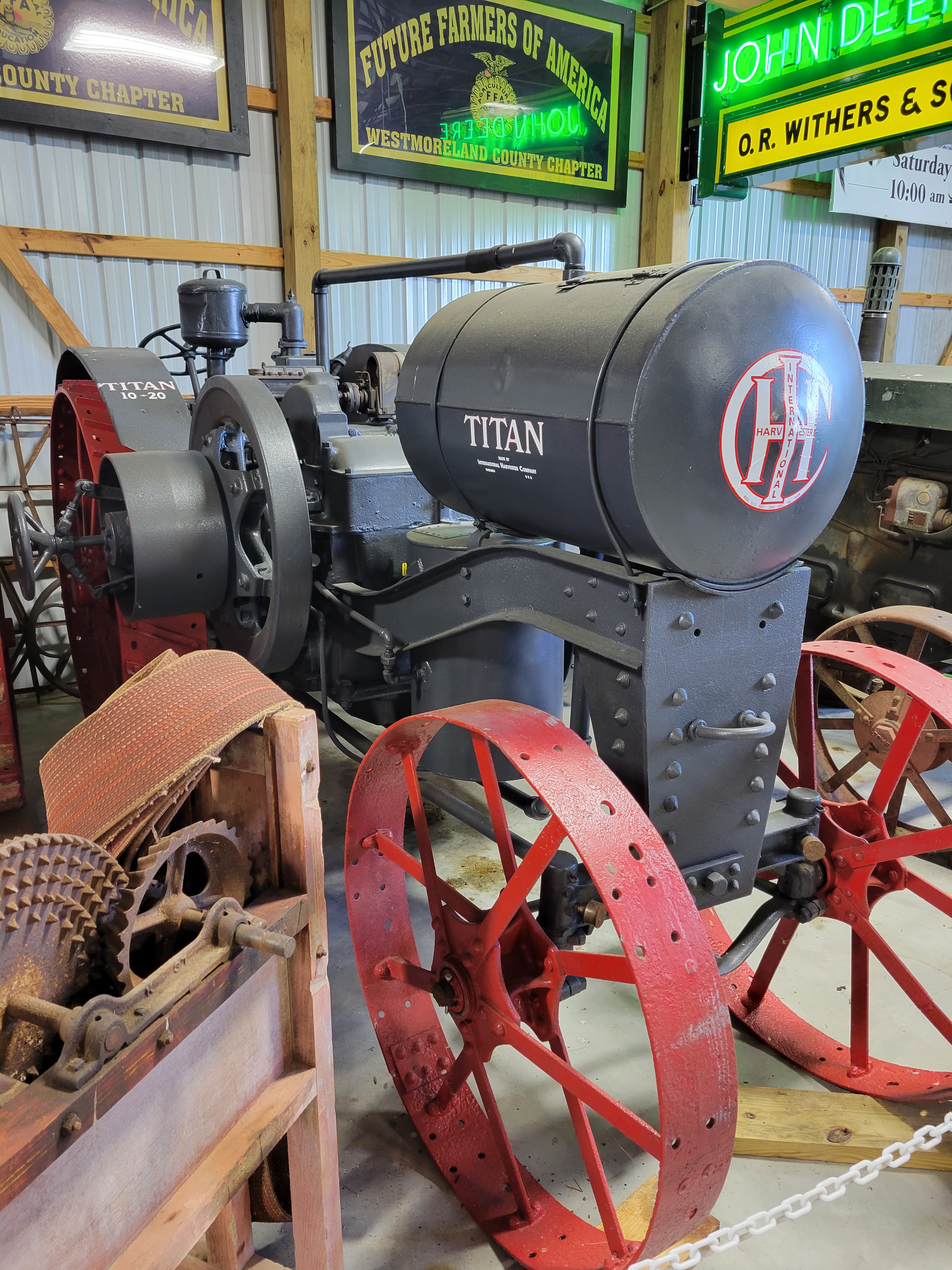
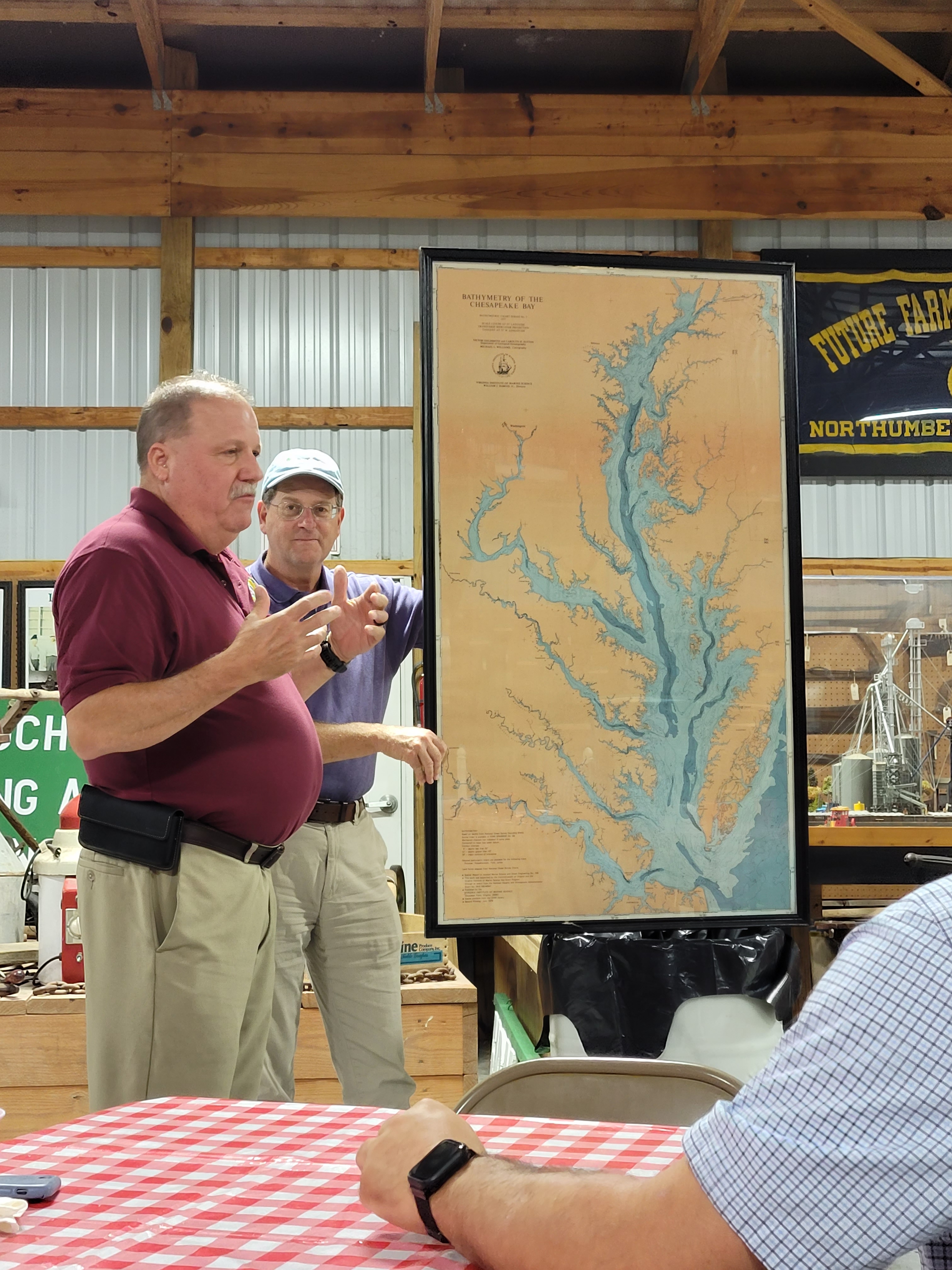
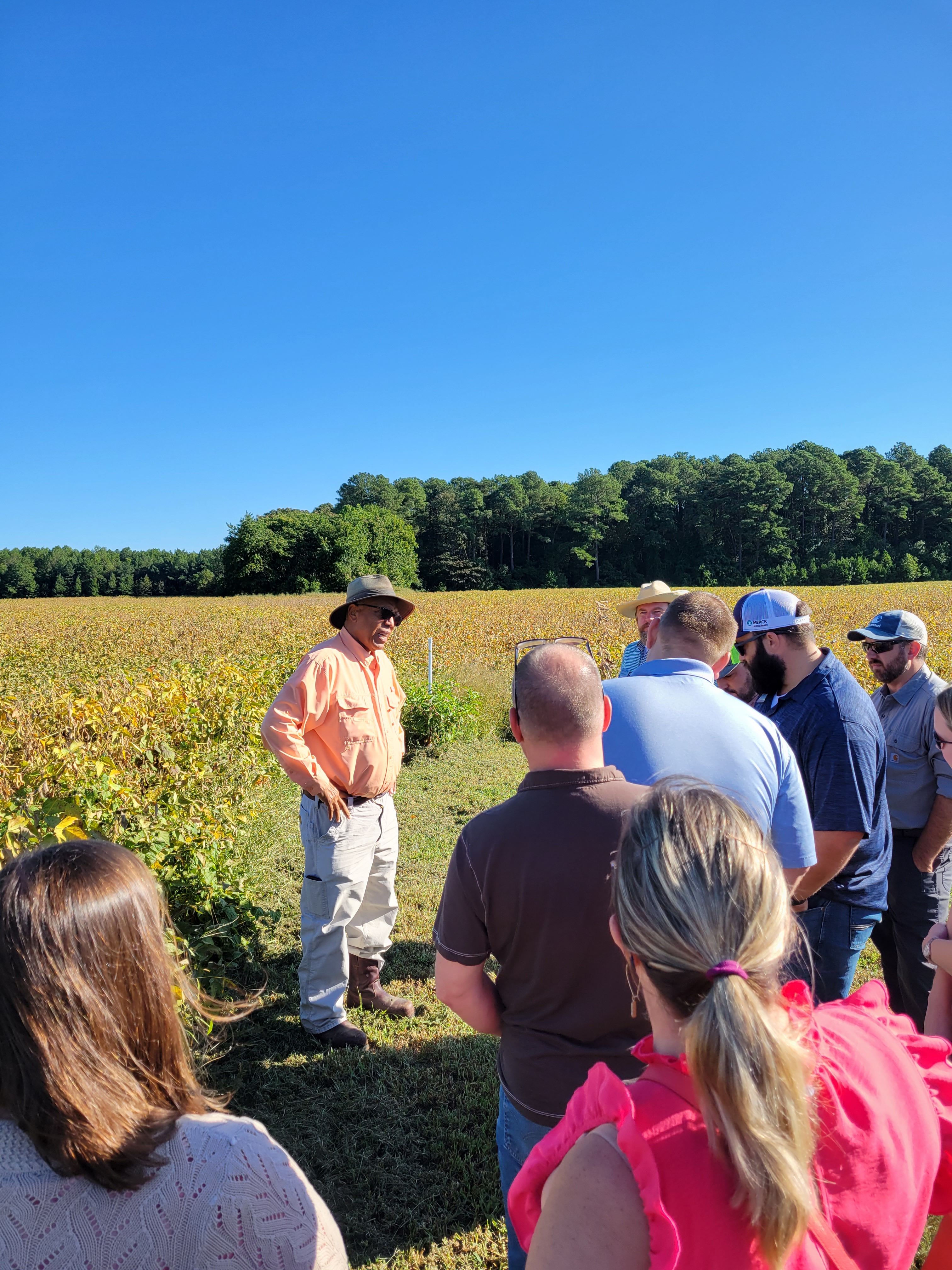
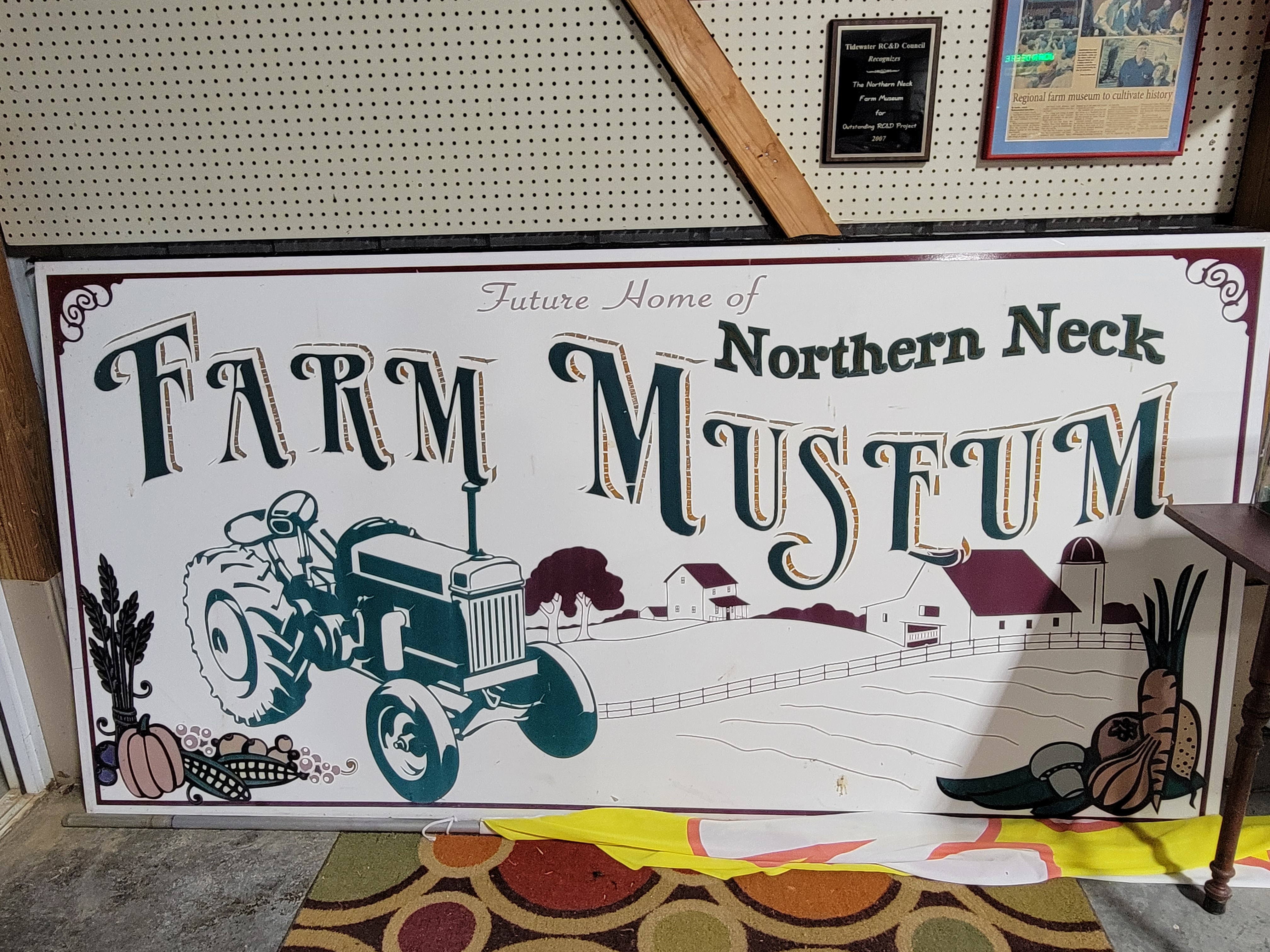
There were two stops during our visit that truly showed how proud this community is of their history. One was the Northern Neck Farm Museum where many artifacts had been collected to educate not only the community, but the next generations about past farming artifacts and ways of life. The second stop, which was also the last stop during our visit to the Northern Neck, was Haynie Farms. I believe the visit with Mr. Haynie was the most impactful on helping us understand the difficulties black farmers faced during his time. He also displayed a true sense of community and valued family first and foremost. His resilience is to be admired, along with his passion and influence he’s had on farming over the years.
The overall sense of this trip was family, community, resilience and foresight. Every visit portrayed each of these and displayed how impactful individuals and families can be if they just worked together to support the best interest of the community overall.

 valeadersor.com