


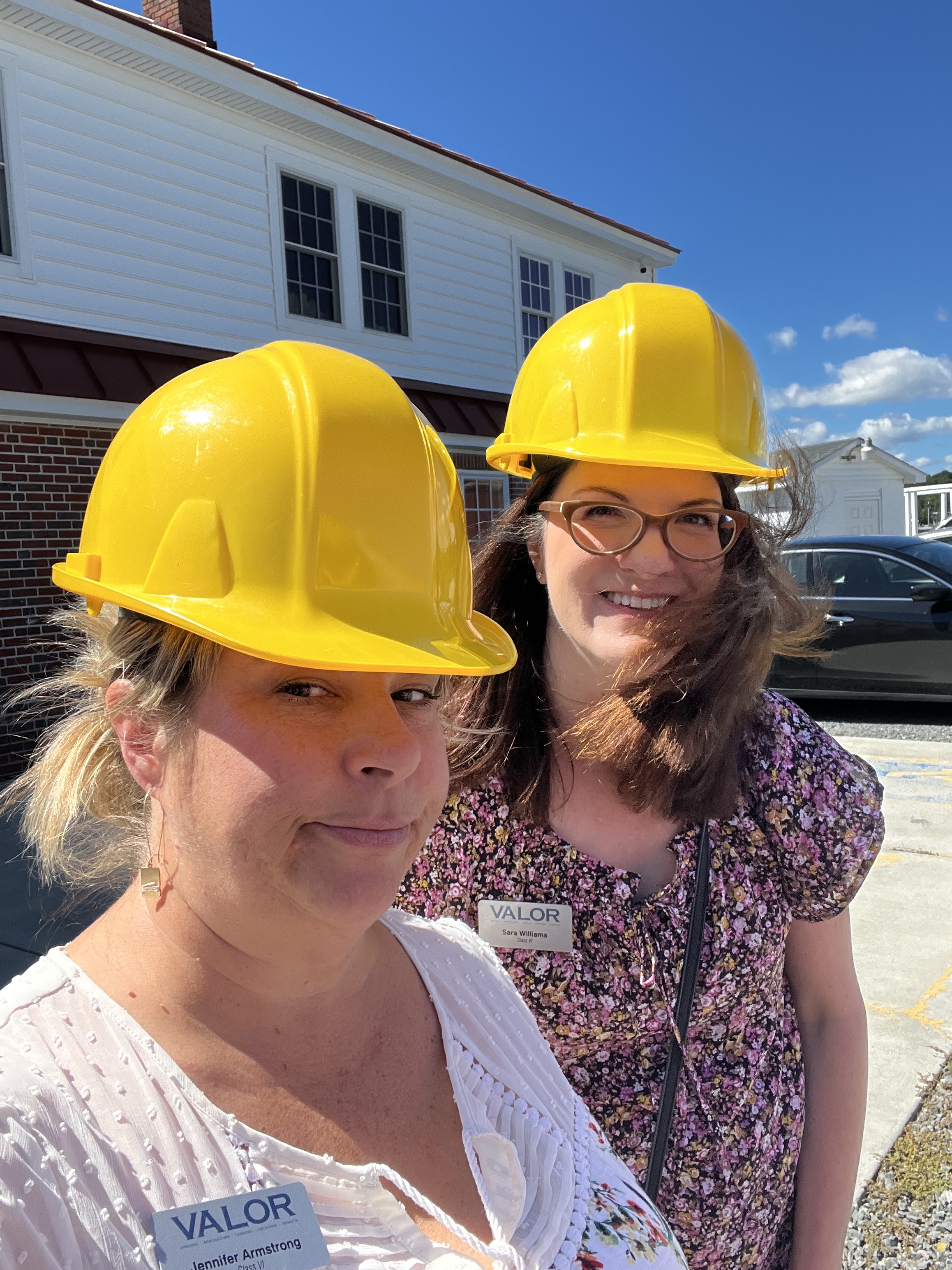
Our recent Seminar took us to the Northern Neck of Virginia, marking the halfway point of this two-year fellowship. I feel like I repeat myself with each seminar, talking about how unique the culture is in each part of the state we visit. During this trip, we learned more about the culture of the Chesapeake Bay. I spent some time on the bay as a child as my uncle has had a fishing charter there for decades. But when you’re six or seven years old, you don’t necessarily take in the differences in daily living compared to life at home.
It’s no secret that for most of my life, I have not eaten seafood. I have fond memories of my family sitting down to pick crabs my uncle brought home from the bay. Old Bay seasoning unlocks core memories for me of a huge group of us around my late aunt’s dinner table with a mountain of crabs and seeing the absolute joy on their faces. I never enjoyed the food, but seafood was always a treat for us and I always loved seeing them enjoy it. In recent years, I have come to love crab legs and the occasional shrimp. I picked a good time to start, as we were treated to some of the best crab cakes on this trip. We had them almost every day of this seminar and not a single one of us was upset about this.
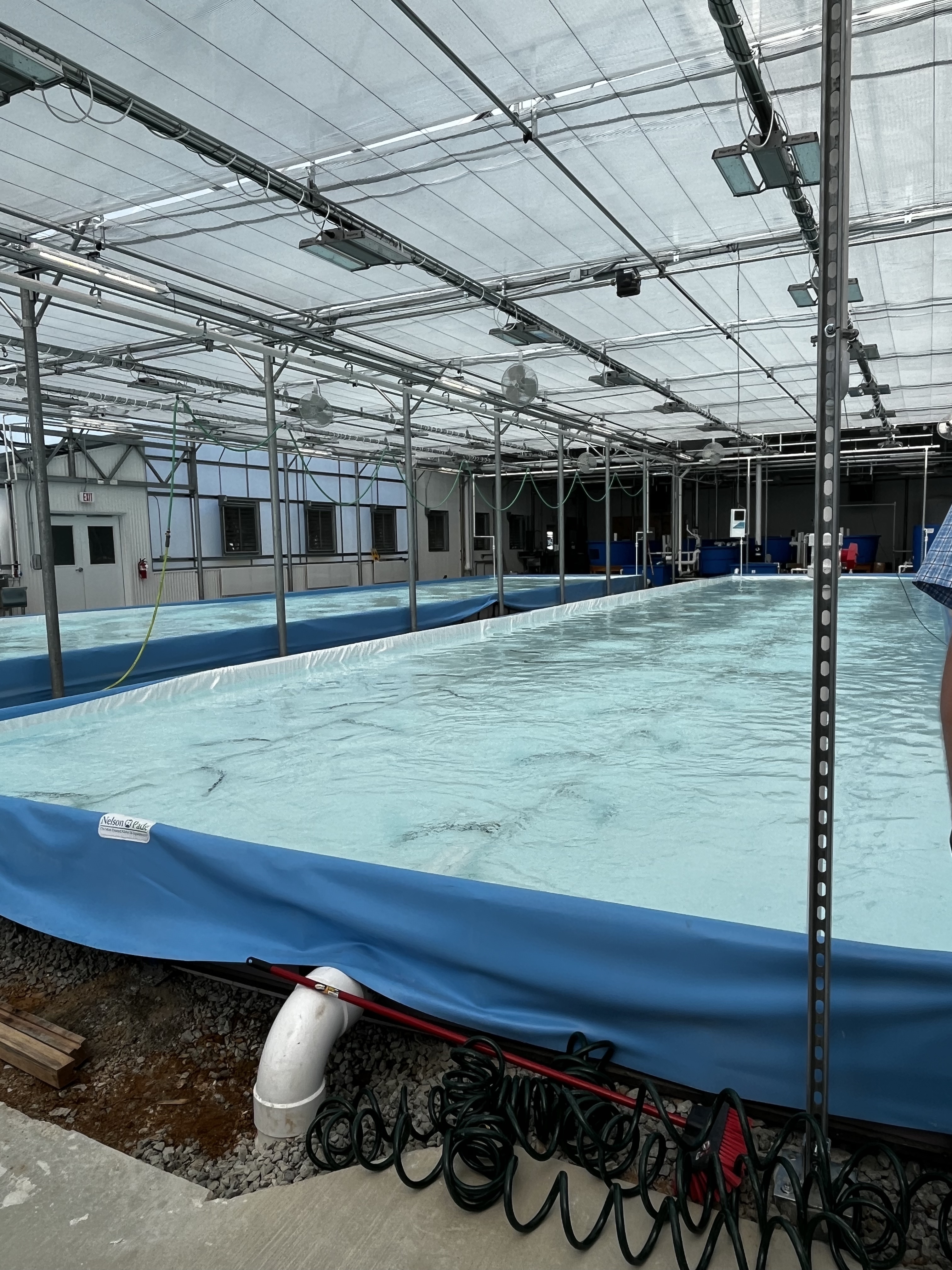
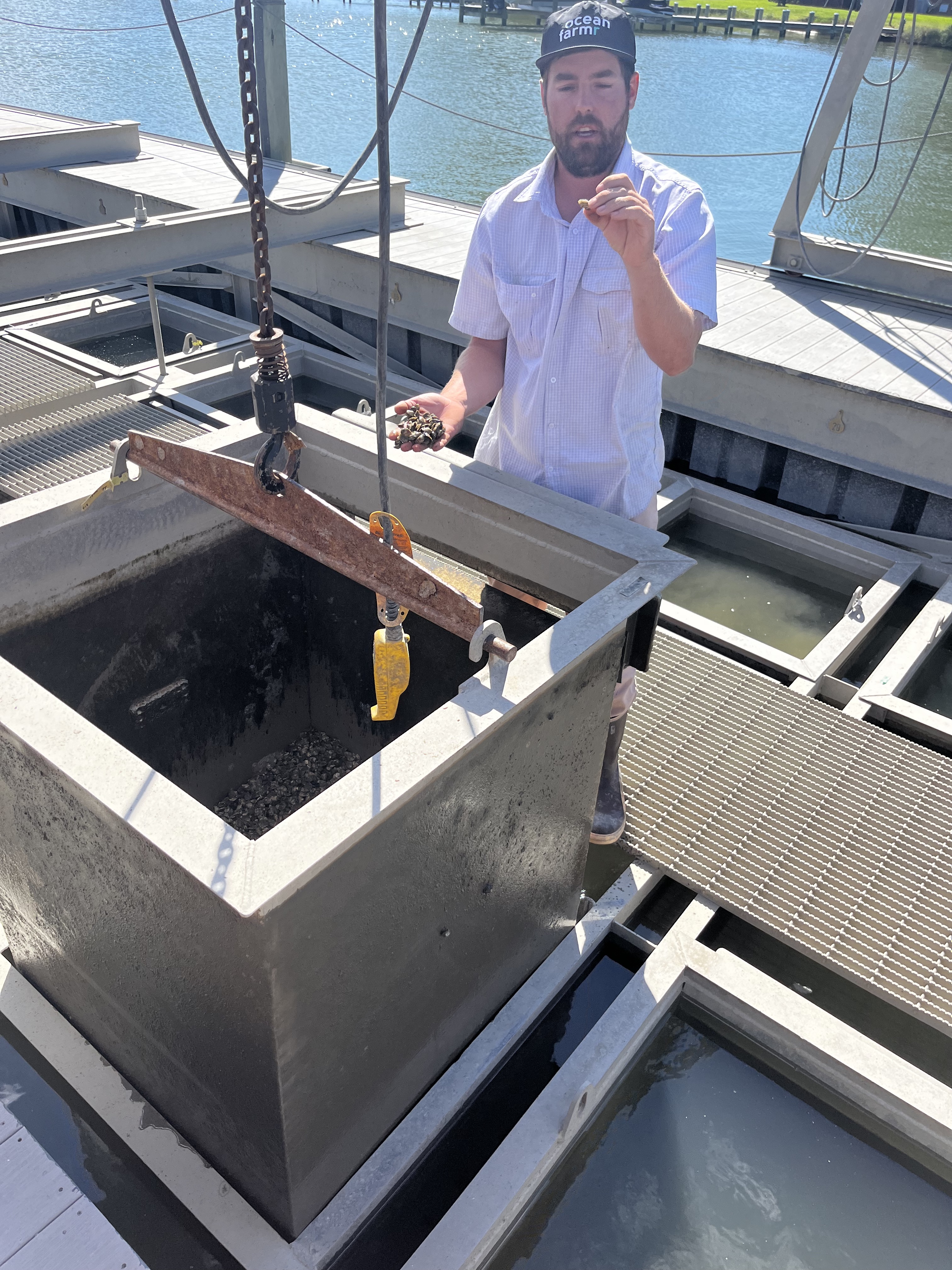
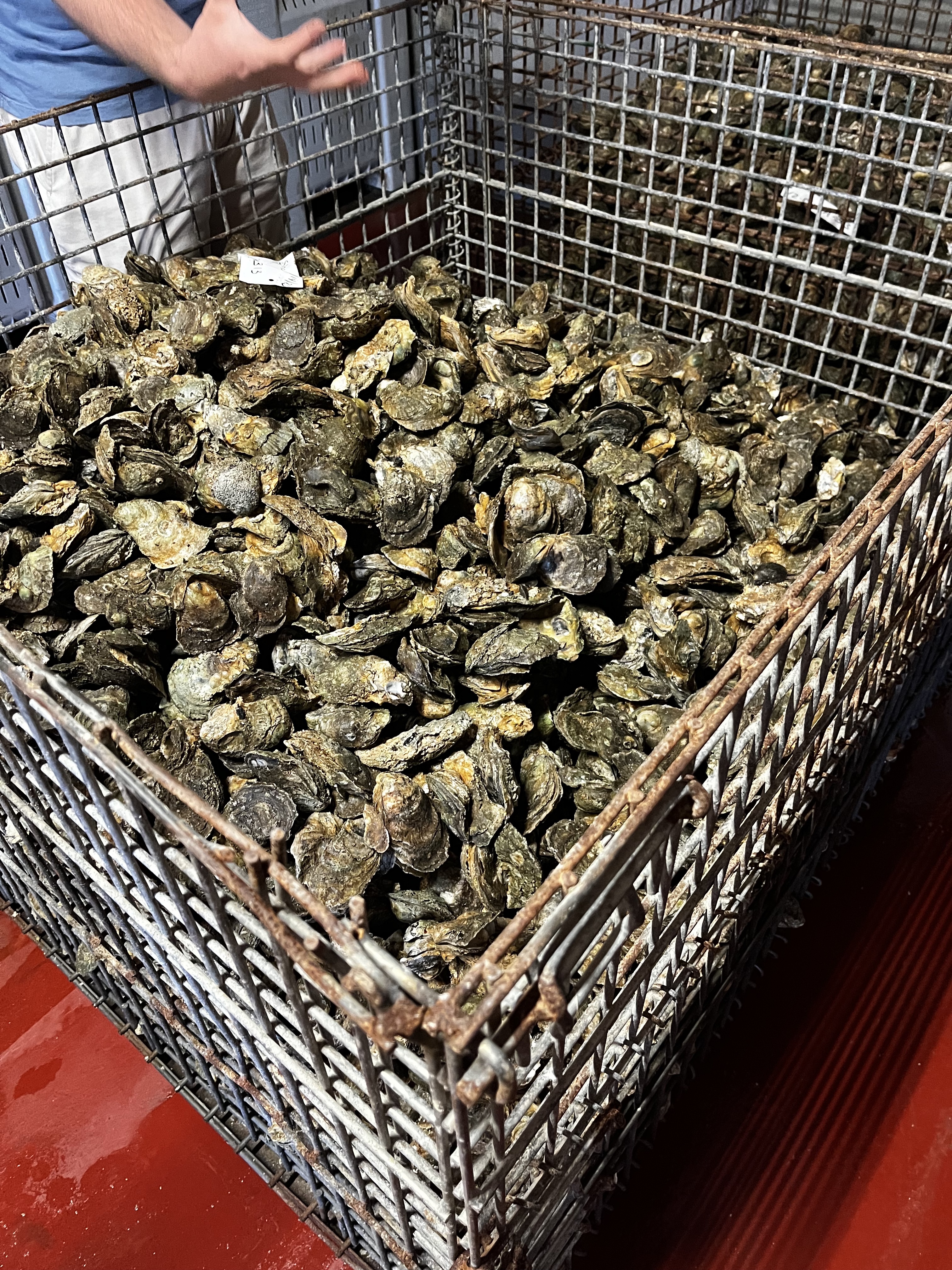
Oysters, though – I just can’t. I tried the second oyster of my life, this time fried – I’m not sure I’ll come around on this one. However, I find the oyster industry fascinating. We visited Rappahannok Oysters, where they farm oysters from larvae to dinner plate in cages in different parts of the bay. The different locations affect the flavor of the oysters, depending on the wishes of their customers. It takes two years to grow tiny little larvae to full-on oysters for market. I joked that it was similar to growing beef in that respect. We also visited Kellum Oysters, which harvests their crops from the river beds in the bay. Here, we got to see the processing end of this booming industry.
Where typical farmers have fence lines, pastures, and fields, oyster farmers have leased river bottoms, some dating back to the King of England. On land, we have clear boundaries for the most part. We can mark our forest land with posted signs and put gates up to keep trespassers away and deter poaching. Oyster folks have to rely on a boundary they can’t see. While I’m sure technology has improved the ability to police those boundaries, I suspect there have been many disputes over oyster beds over the years.
While the water will always draw me in, the amount of traditional agriculture on the Northern Neck can’t be overlooked. We visited Parker Farms, where we saw hundreds of acres of squash and broccoli. We were treated to a tour of the Haney Farm where we were reminded of the hardships, boundaries, and mistreatment of black farmers. Mr. Haney was such a gracious host, treating us to arguably the best crab cakes of the trip.
The halfway point had us pause and reflect on the program thus far and what we’d taken away. For me, it’s how I see others and, more importantly, how those around me see me. Tools we’ve gotten along the way have changed how I interact in almost every setting. It’s helped me mash the pedal in some situations and tap the brakes in others. Proof, I suppose, that it’s not ever too late to learn about yourself!



 valeadersor.com